

This article contains affiliate links. If you book through one of them, I may receive a small commission at no extra cost to you.
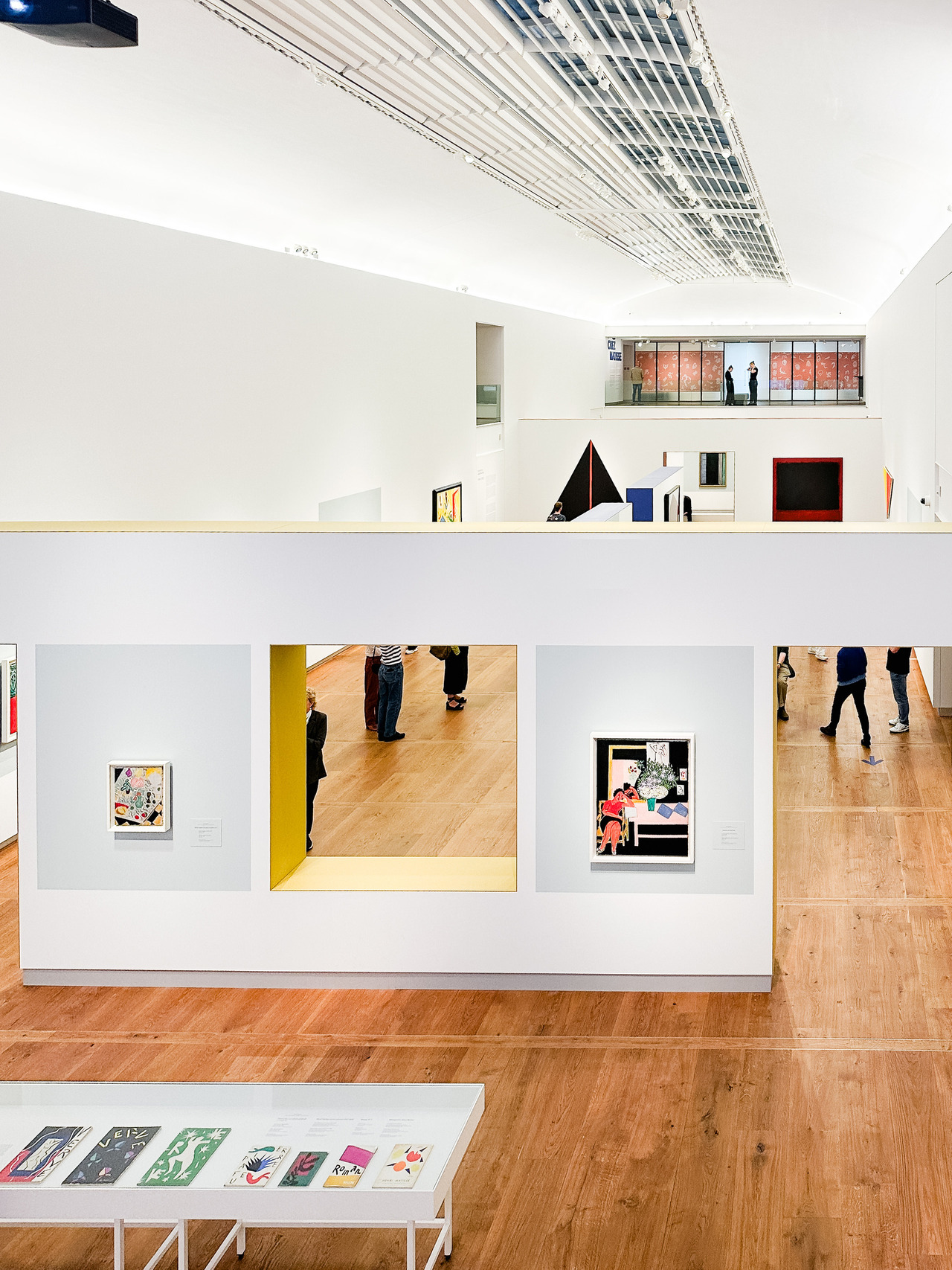
Chez Matisse is on view at H’ART Museum in Amsterdam, bringing together works by Henri Matisse and other artists to explore his development, influences, and the artistic conversations around his work.
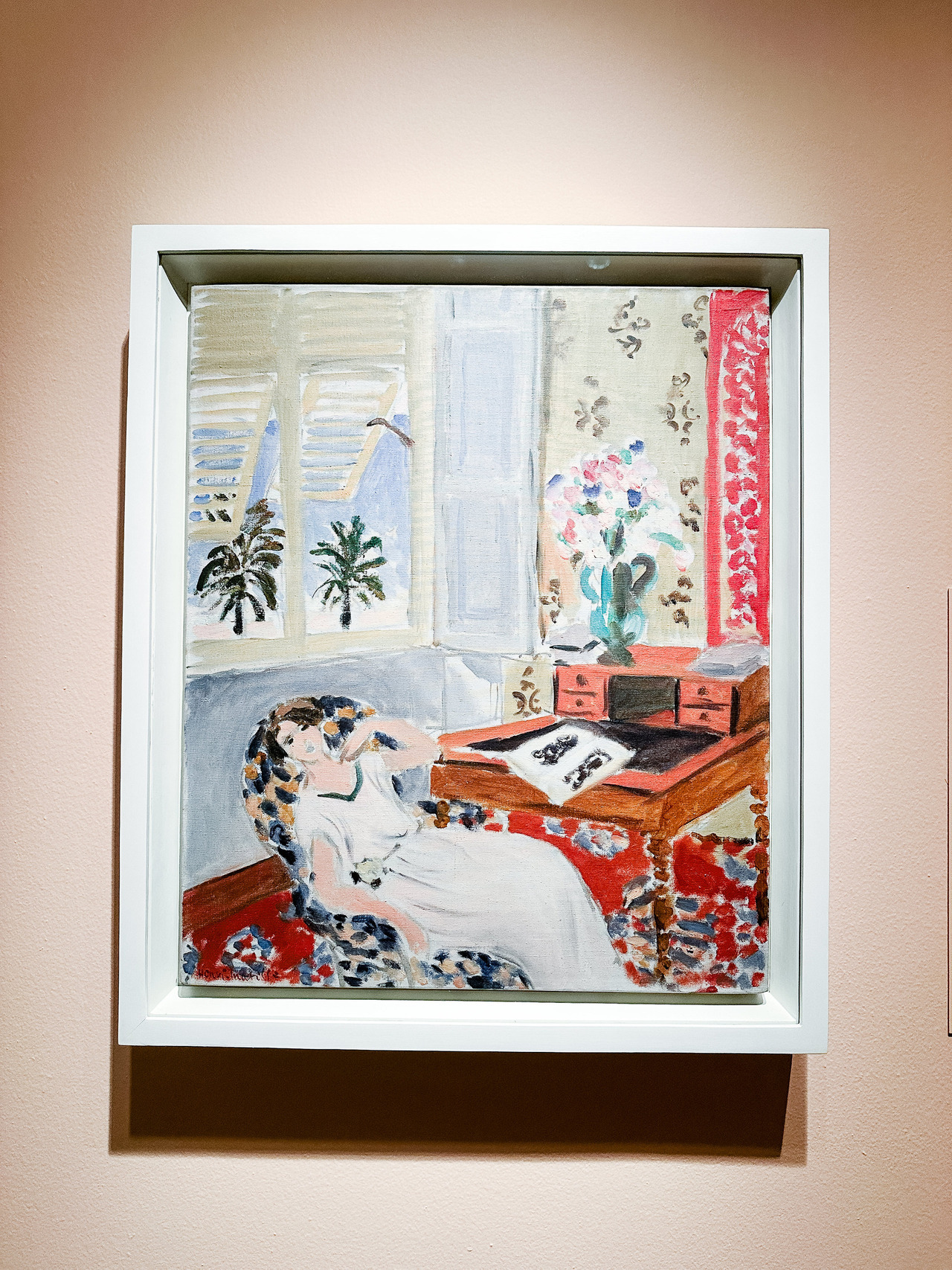
While visiting Chez Matisse at H’ART Museum in Amsterdam, I came across a sentence that immediately made me think about photography. It was beside Matisse’s Le Rêve (The Dream), painted in 1935. The text explained that Matisse let himself be led by his model's natural position. Instead of deciding how she should pose, he saw his job as recording the position that was already in front of him.
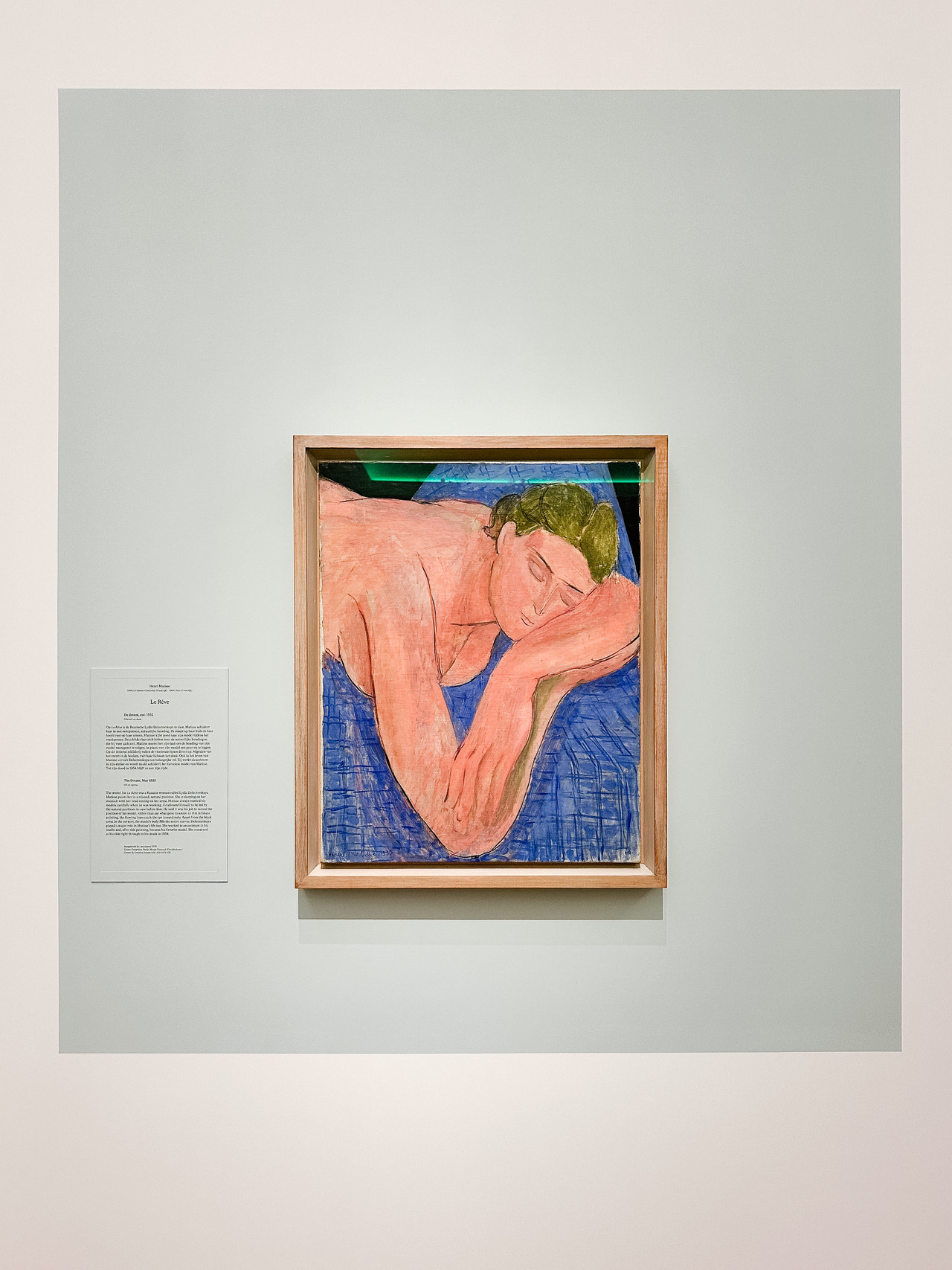
I stood there looking at the painting for quite a while, because from a traditional-posing perspective, there are probably many things you could “correct.” Her shoulder comes forward, her head drops heavily into her arm, her body is compressed, and one hand appears quite large. It isn’t a carefully elongated or perfected pose. But she looks comfortable. She looks like someone who has settled into that position rather than someone who has been placed there.
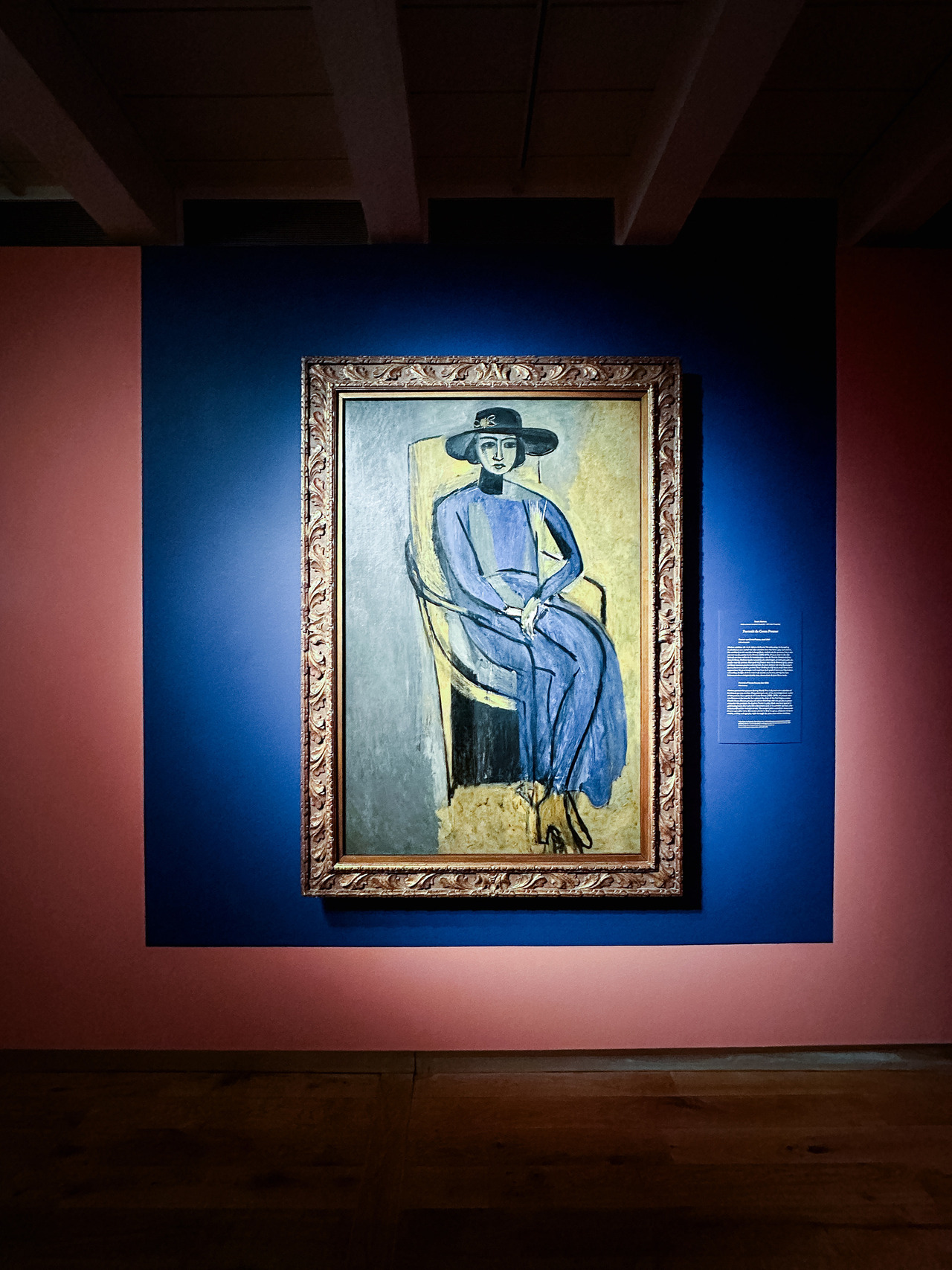
I think about that distinction constantly when photographing people. I photograph normal people, not models. Most of them don’t spend much time in front of a professional camera, and often the first thing they tell me is that they don’t know how to pose. My answer isn’t to arrive with a catalog of poses that I reproduce with every couple or family. I want to see them first.
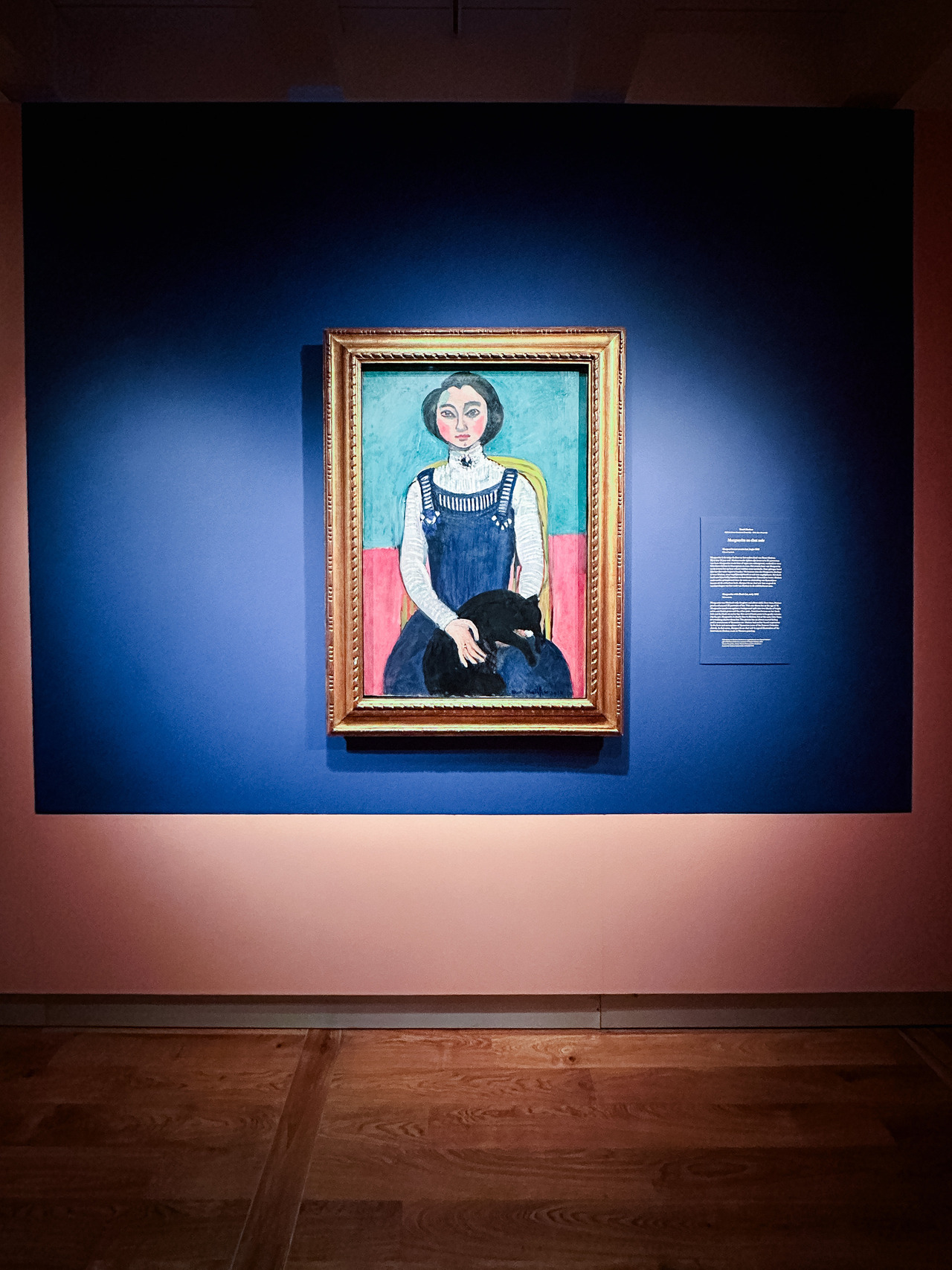
When a couple starts walking, I watch how they move together naturally. Do they hold hands? Does one person put an arm around the other? Does one walk slightly ahead? When they stop, who moves closer? Who leans into whom? With families, I do the same. I notice how a parent naturally holds a child, how the children move around them and who reaches for whom. Those little gestures already exist before I start directing anything, and I think part of my job is recognizing them.
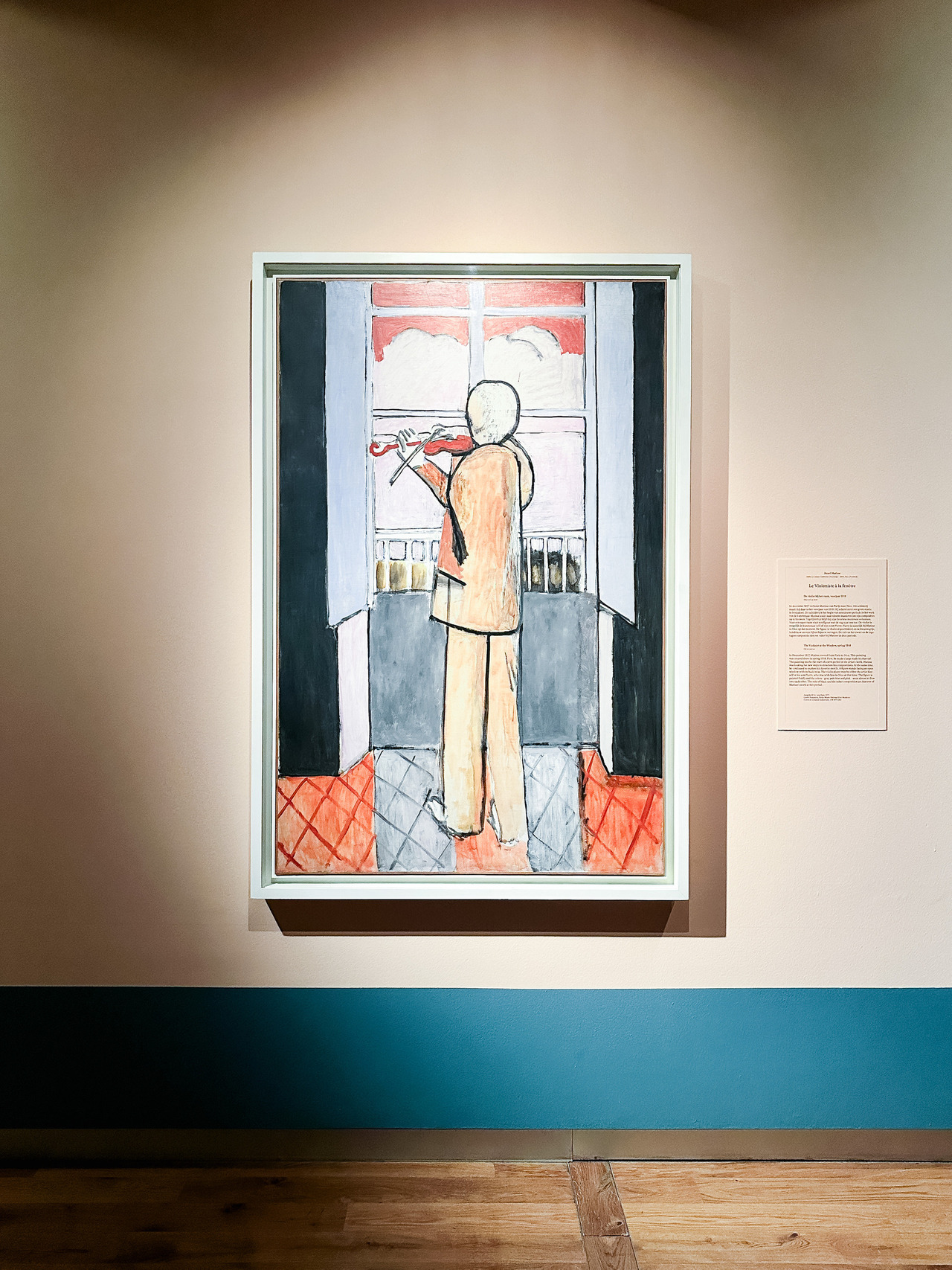
Of course, I still direct people. There are moments when a hand is distracting, when someone stands uncomfortably, when the light would be better if they turned slightly, or when moving a few centimeters changes the entire composition. But there is a difference between directing what is already happening and replacing it with something else. Perhaps my process is closer to observing, recognizing, then gently refining.
Sometimes this is harder than posing someone. Some people become very aware of the camera as soon as it appears. They begin performing for it. They change how they stand, smile, or touch each other. Sometimes, even when I tell them not to pose, they pose harder. I have learned that giving more instructions doesn’t necessarily solve that. Sometimes the more I intervene, the further I move them away from themselves.
So I wait. I let them walk, talk, and do something small. I watch what happens when they momentarily forget about me. Eventually, something real usually appears. That doesn’t mean every natural movement is photographically perfect, but I’m increasingly less interested in perfection if achieving it means correcting away the evidence of life. A shoulder can come forward. A child can hold a parent’s hand awkwardly. Two people don’t need to stand at precisely complementary angles. A body can fold, and a hand can look large. Sometimes those are exactly what makes the photograph believable.
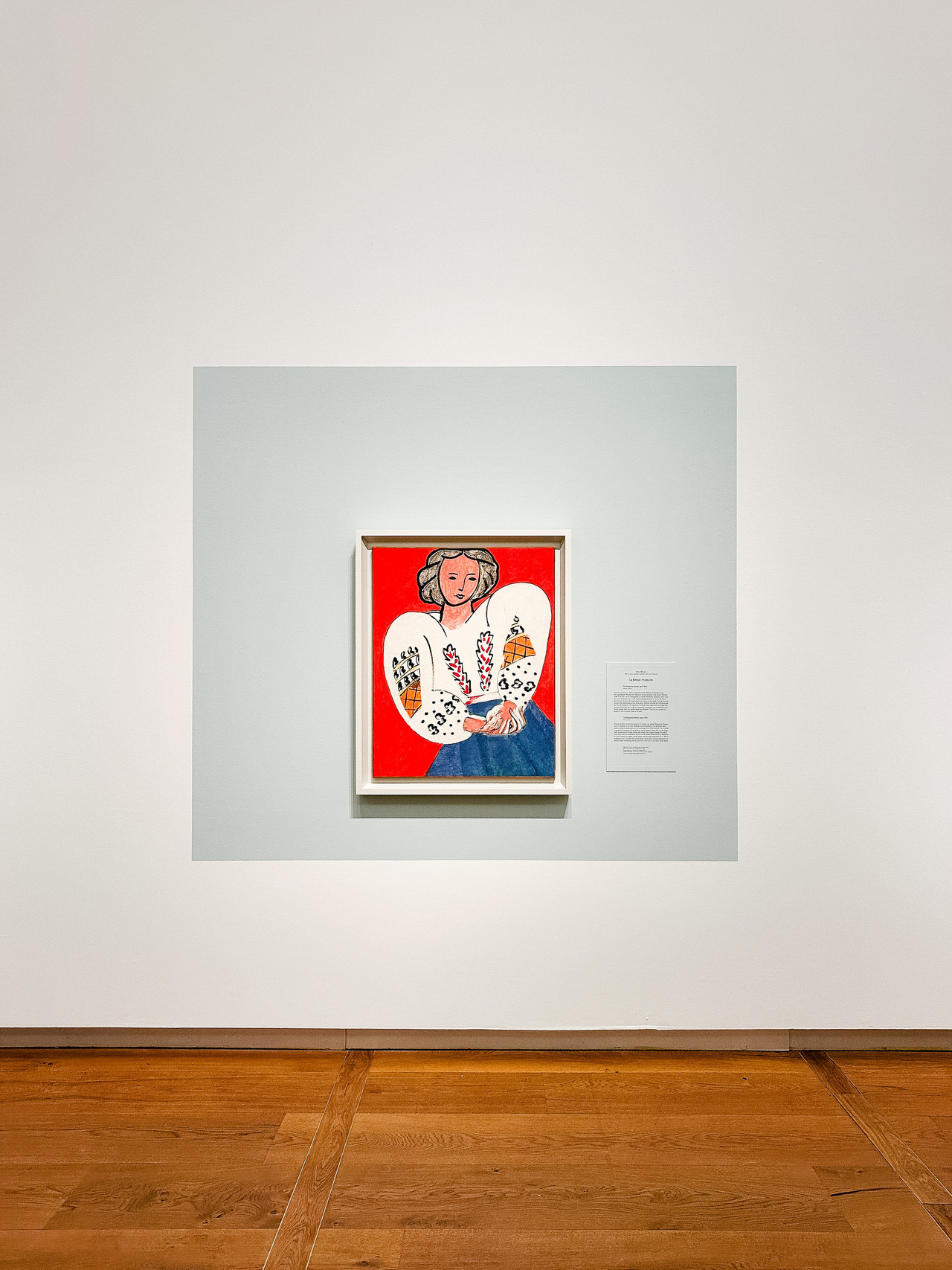
Looking at The Dream, I realized that this idea extends beyond posing. Lately, I’ve been trying to change the way I visit museums. I used to read the curator’s text first, then look at the artwork, already knowing what I was supposed to see. Now I try to do the opposite. I look first. I notice what attracts me, what bothers me, what feels familiar and what I don’t understand. I try to form my own interpretation before reading somebody else’s. Only afterward do I read the museum text.
Curiously, that is very similar to what I try to do when I’m photographing: observe before intervening. Look at the person before deciding how they should stand. Look at the light before deciding where they should go. Look at the photograph before deciding what needs fixing.
Even when I edit, I'm tempted to start with correction. Straighten this, remove that, neutralize this color, perfect that skin, make everything cleaner. But perhaps the first question shouldn’t be, What can I correct? Perhaps it should be, What is already working here?
Photography gives us enormous control. We can direct the body, choose the background, manipulate the light, and change almost everything afterward. But having the ability to intervene doesn’t always mean that we should. Sometimes the most important part of photographing someone happens before I give them any direction at all. It happens while I’m watching.
Matisse was painting a model in a room in 1935. I am photographing couples and families walking through Amsterdam almost a century later. They are completely different things, but that little sentence beside his painting stayed with me because it put into words something I had slowly learned through experience.
Before posing the body, observe the body. Before correcting what is in front of you, understand what is already there.
Perhaps directing people naturally isn’t really about knowing more poses. Perhaps it is about becoming better at noticing.
Joanna Pantigoso
Your Vacation Photographer in Amsterdam


