
What makes us notice one thing while walking past another?
As photographers, we make hundreds of small decisions. We choose where to stand, what to include in a photograph, when to press the shutter, and which images to keep. But these decisions don't begin when we pick up a camera.
Everything we've experienced shapes them: the places we've lived, the art we've encountered, the history we've learned, and the people we've met. Over time, these experiences shape how we see the world.
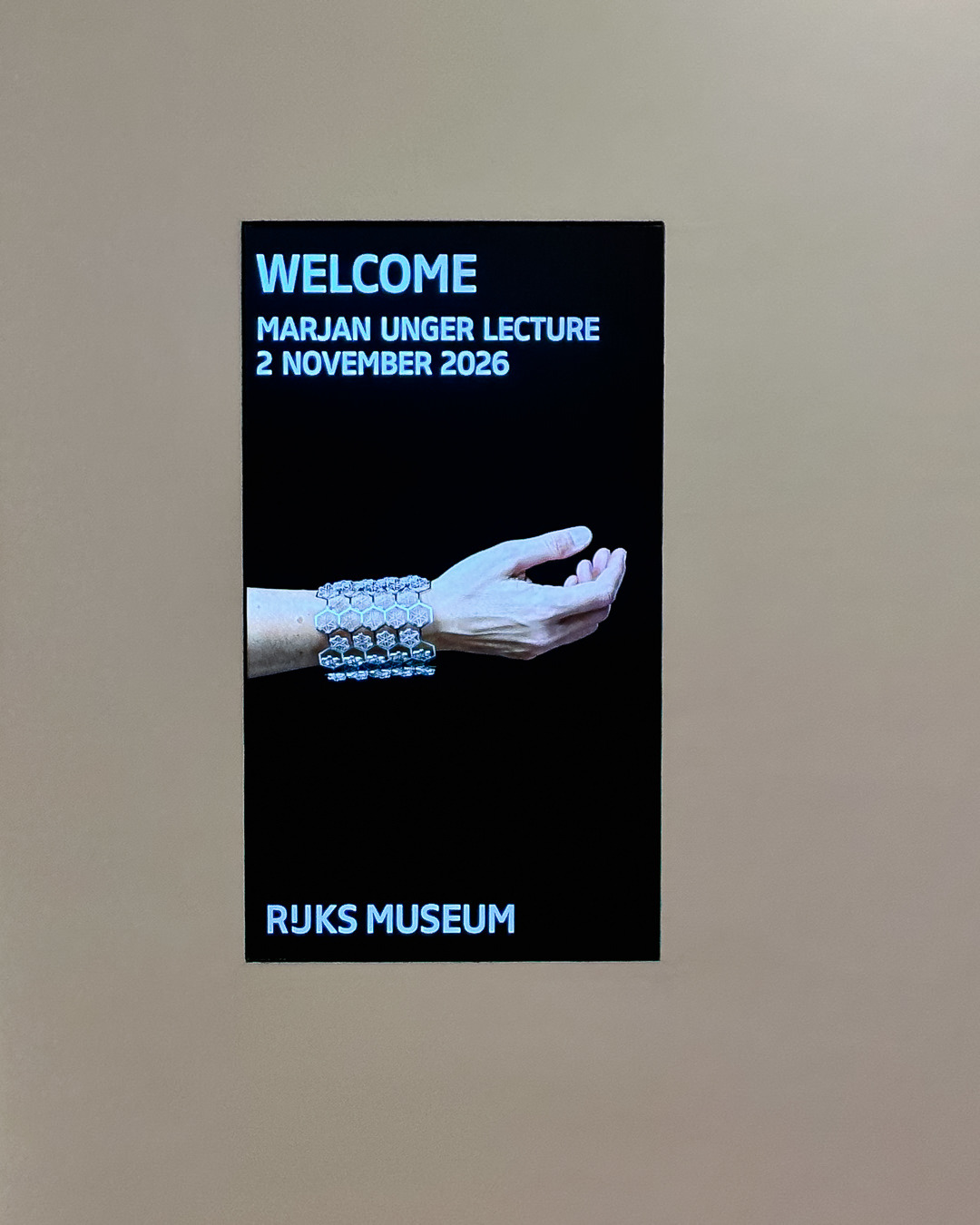
I thought about this during the Marjan Unger Lecture at the Rijksmuseum on 2 November 2026. The evening explored craftsmanship in the age of artificial intelligence, discussing knowledge, materials, and the value of making things by hand.
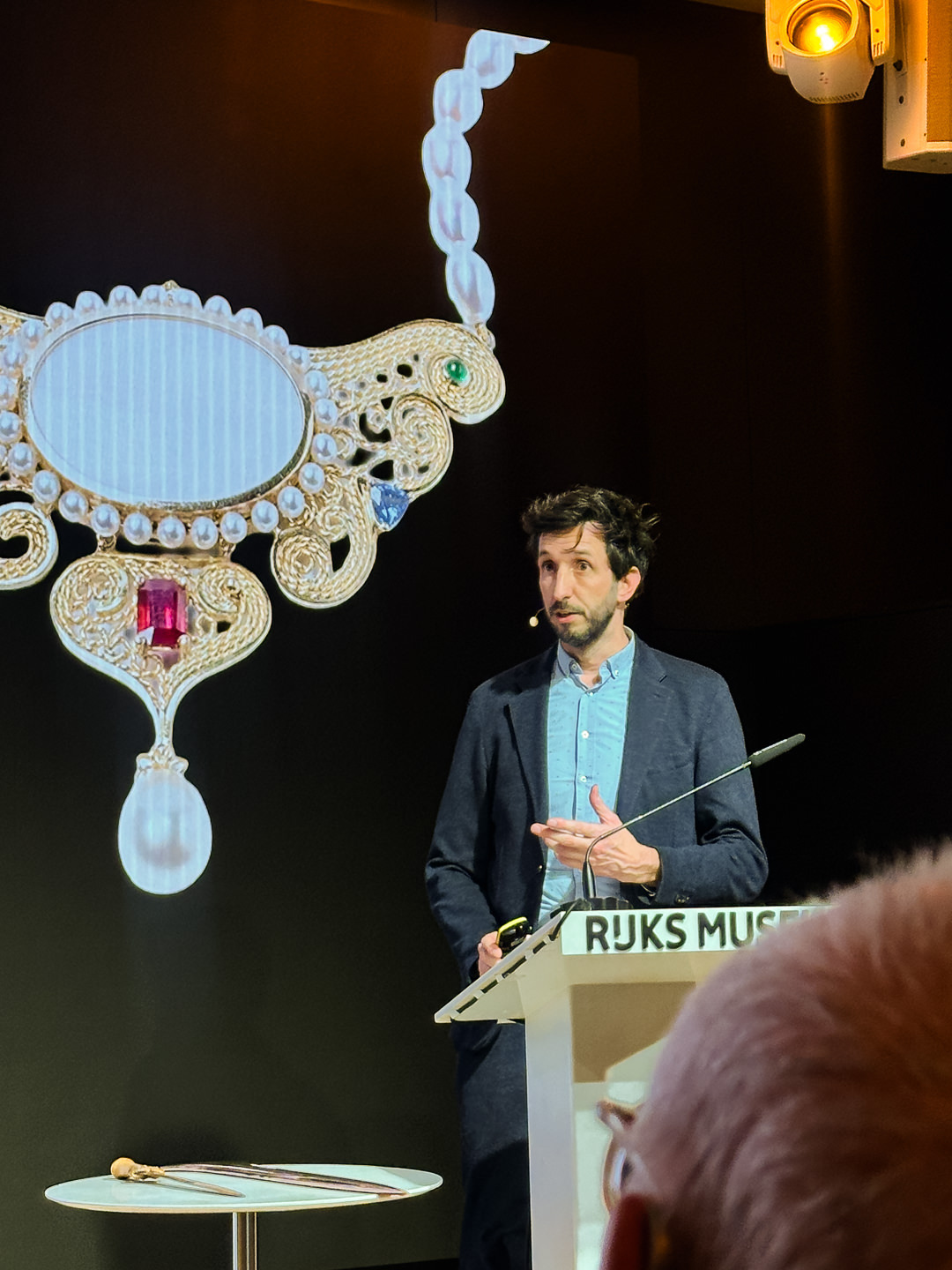
Although the conversation focused on craftsmanship, I kept finding connections to photography, and particularly to a question that interests me more than whether AI can produce a beautiful image:
What makes a photograph meaningful, and how much of that meaning comes from the person who created it?
Who Was Marjan Unger?
Marjan Unger (1946–2018) was a Dutch art historian, teacher, and jewelry collector who believed jewelry tells stories about people, culture, and history. Together with her husband, Gerard Unger, she donated around 700 pieces of jewelry to the Rijksmuseum. Her interest went beyond precious materials: she valued the meaning and stories behind objects, whether they were made of gold or plastic. With this event, the Rijksmuseum honors her legacy. This lecture happens every two years to explore ideas about jewelry, design, and craftsmanship.
Learning Rather Than Simply Producing
I don't think the most interesting question is whether artificial intelligence can replace human creativity. I'm more interested in how it challenges us to become better at what we do. AI can give us a starting point, introduce ideas we hadn't considered, and help us explore subjects that might otherwise take much longer to understand. But we still have to participate.
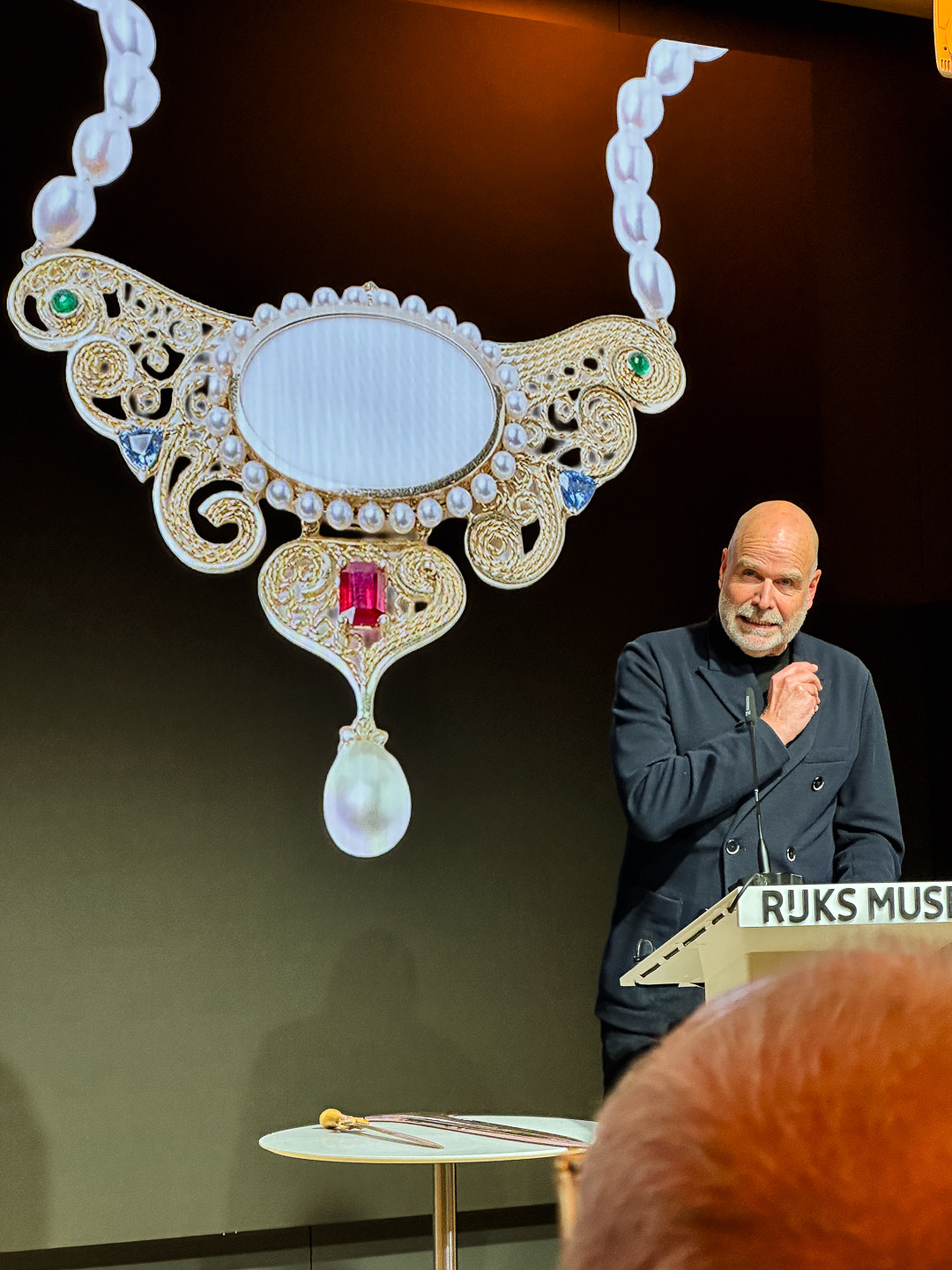
We need to ask questions, seek feedback, test the results, and bring our own opinions to the table. We need to recognize when something doesn't work and understand why. Most importantly, we shouldn't automatically accept the first answer just because it arrived quickly.
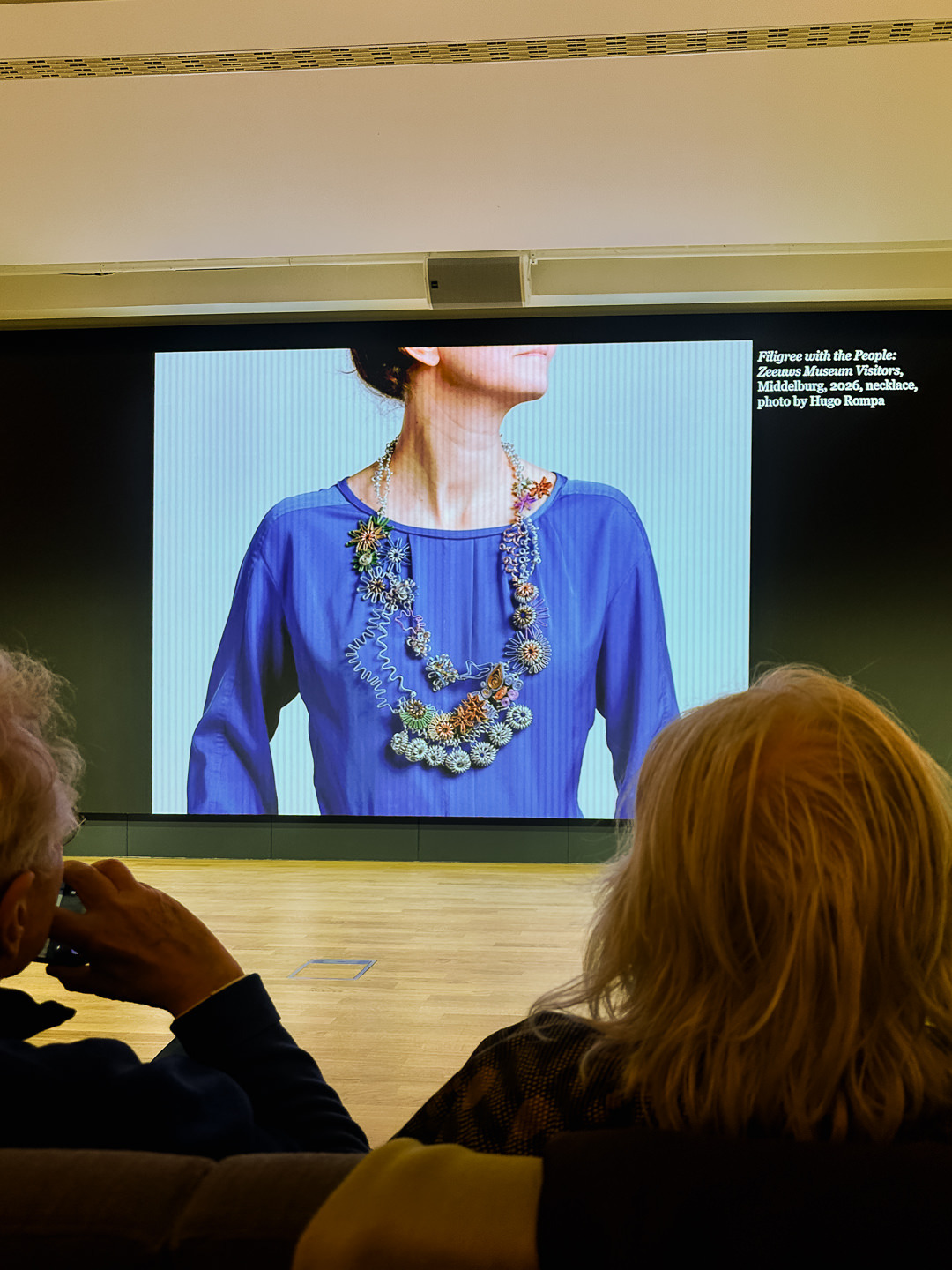
I believe AI can shorten the time it takes us to learn. But that only happens if we allow ourselves to learn from the process, rather than using it simply to produce something faster. For me, this connects directly to photography.
A camera can make increasingly sophisticated technical decisions, and software can help us edit photographs in seconds. But developing our own visual language still requires looking, questioning, experimenting, and understanding what matters to us. Our experiences, culture, and history influence what we notice and what we choose to photograph. Technology can help us explore those choices, but we remain responsible for making them.
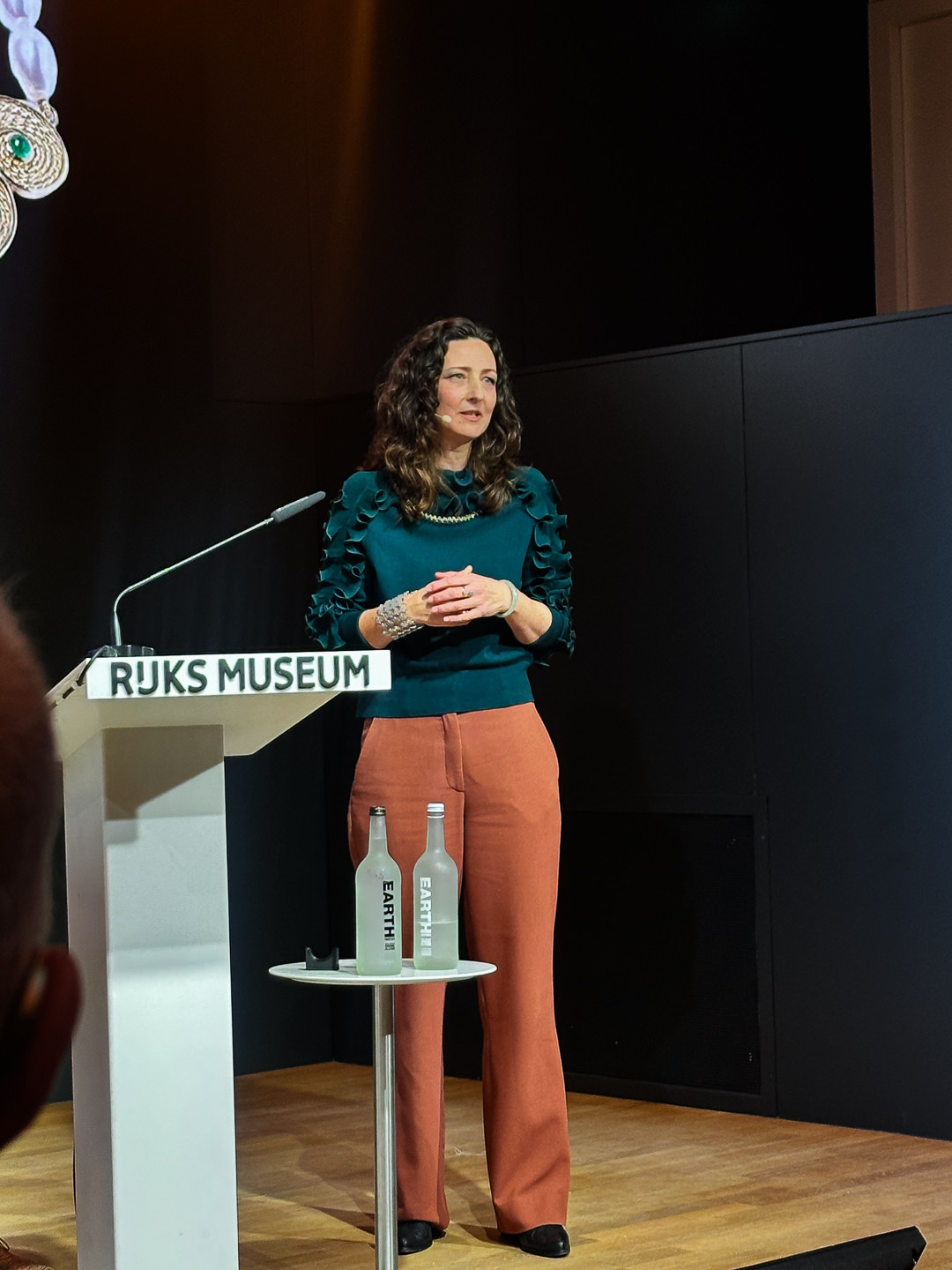
Perhaps the real opportunity isn't to let technology do all the thinking for us. It's to use technology to help us think more deeply.
If you enjoy exploring the ideas behind art, design, and craftsmanship, keep an eye on the Rijksmuseum agenda. Beyond its exhibitions, the museum hosts lectures, talks, and workshops where you can learn from artists, researchers, and makers.
Sometimes, an evening at the museum gives you much more to think about than you expected.
Joanna Pantigoso
Amsterdam Vacation Photographer and Proposal Expert
All photographs were taken by Joanna Pantigoso with an Apple iPhone 14 Pro during the Marjan Unger Lecture at the Rijksmuseum in Amsterdam on 2 November 2026.