
I visit museums regularly, but visiting an art fair is different. In a museum, I admire objects in collections, often pieces that will never be available to buy. At an art fair, I ask myself a different question: could I imagine living with this artwork?
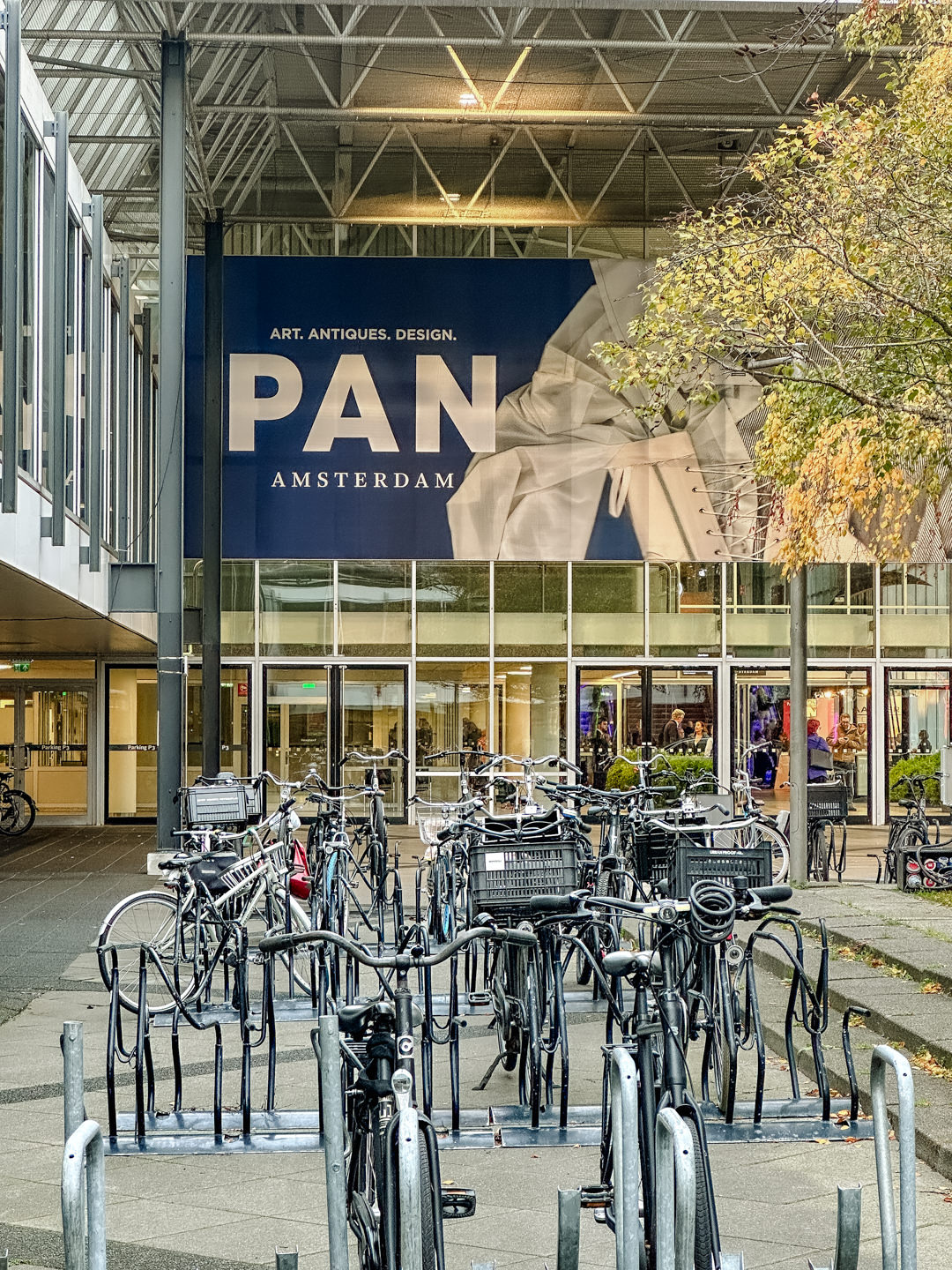
Not simply displaying it for a few months, but looking at it every day for the rest of my life. That is how I approached my first visit to PAN Amsterdam, held at RAI Amsterdam.
I wasn't planning to buy anything. I wanted to explore, discover artists, and see what caught my attention. I had also booked the Highlights Tour and planned to attend a lecture about art and artificial intelligence. It turned into a day of unexpected connections.
Starting with the Highlights Tour
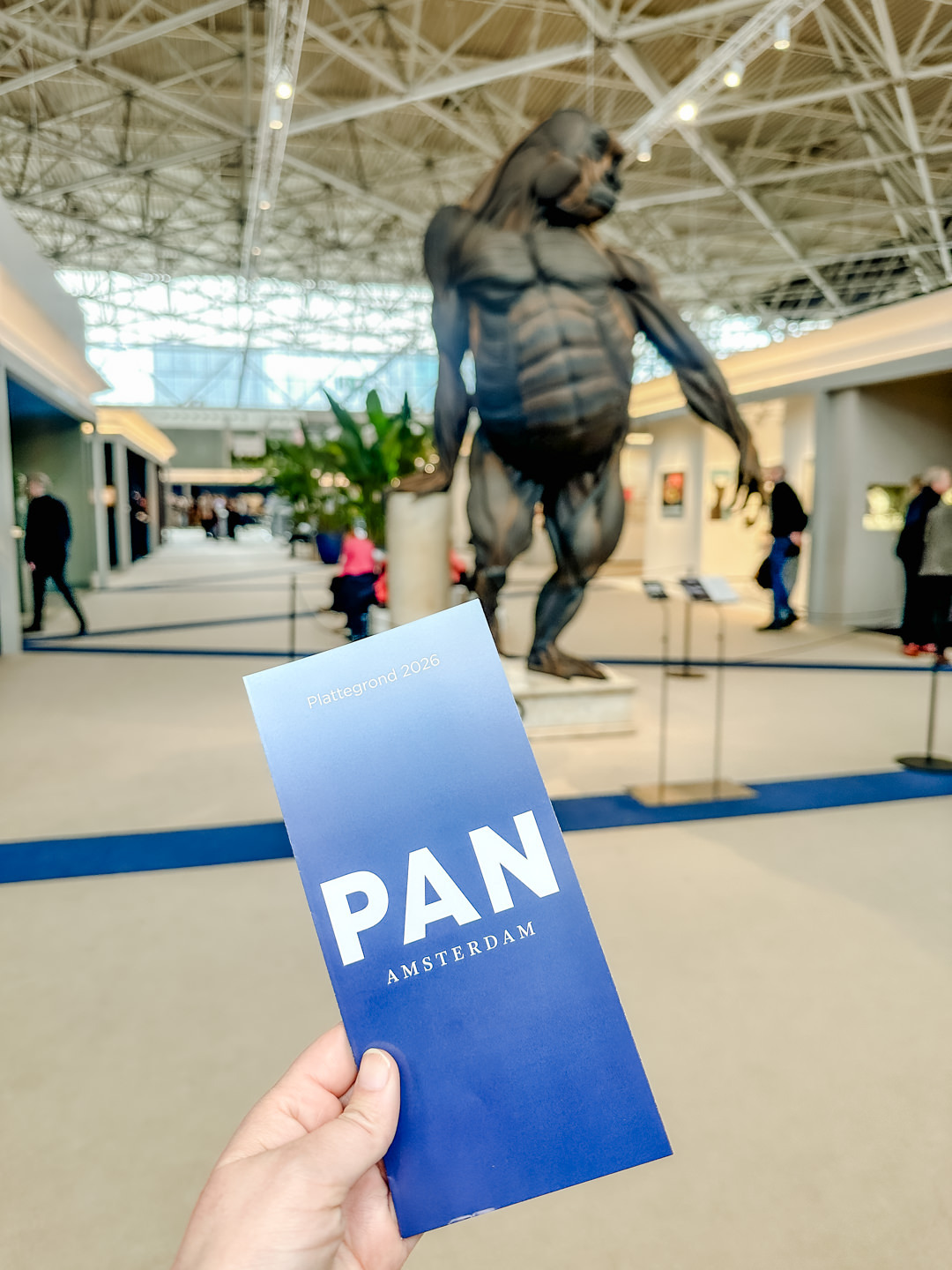
Because this was my first visit, I booked the Highlights Tour. It was an excellent decision. Our guide selected approximately seven artworks and objects from different periods, styles, and cultural backgrounds. Rather than simply describing what we were looking at, she shared stories that helped us understand why each piece was interesting. I particularly appreciated that she introduced us to things I would normally walk past.
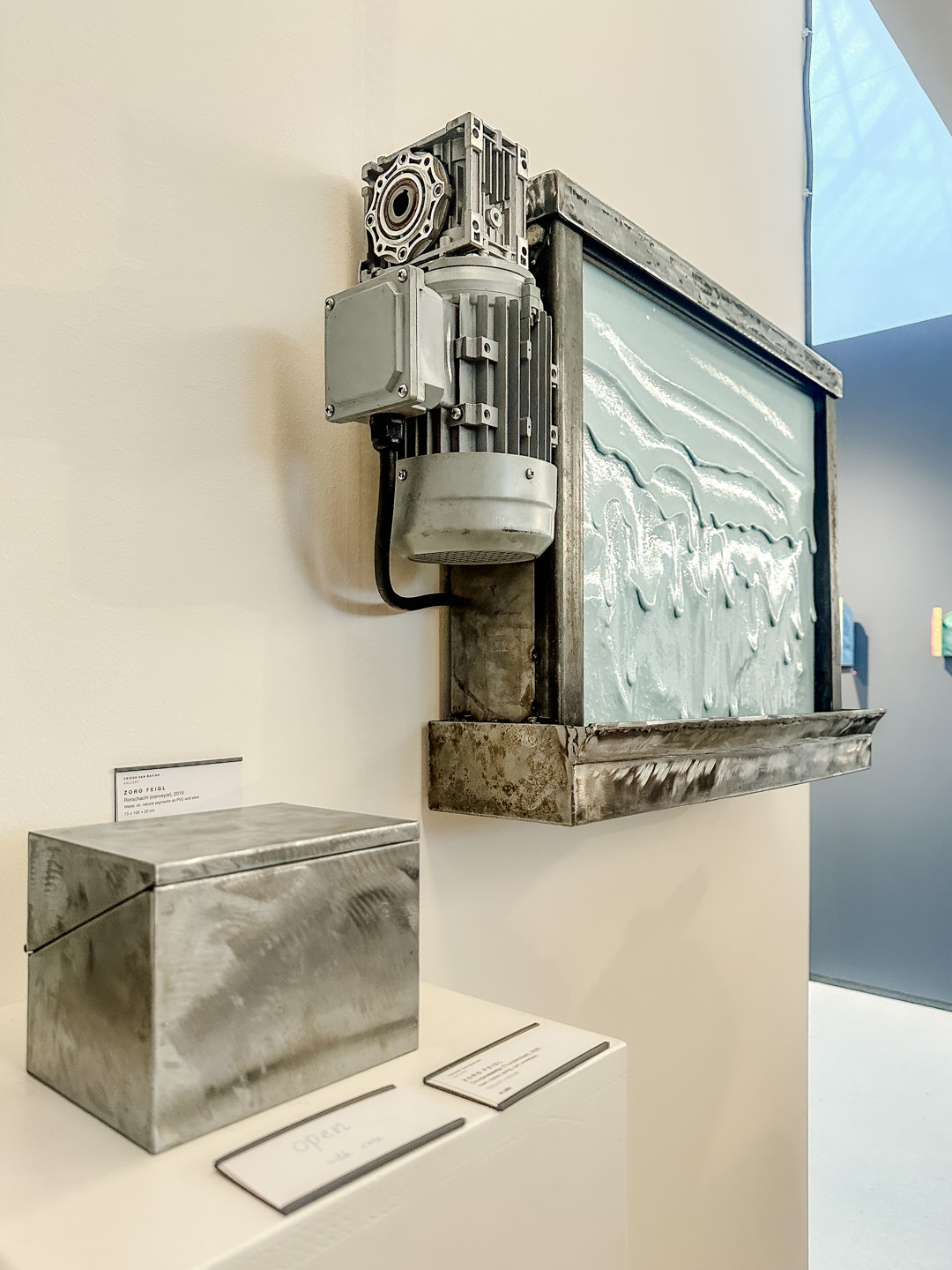
I rarely enter stands dedicated to jewelry, watches, or very old objects. Not because I don't appreciate them, but because at an art fair or a gallery, I tend to focus on contemporary pieces I could imagine owning. The tour challenged that habit.
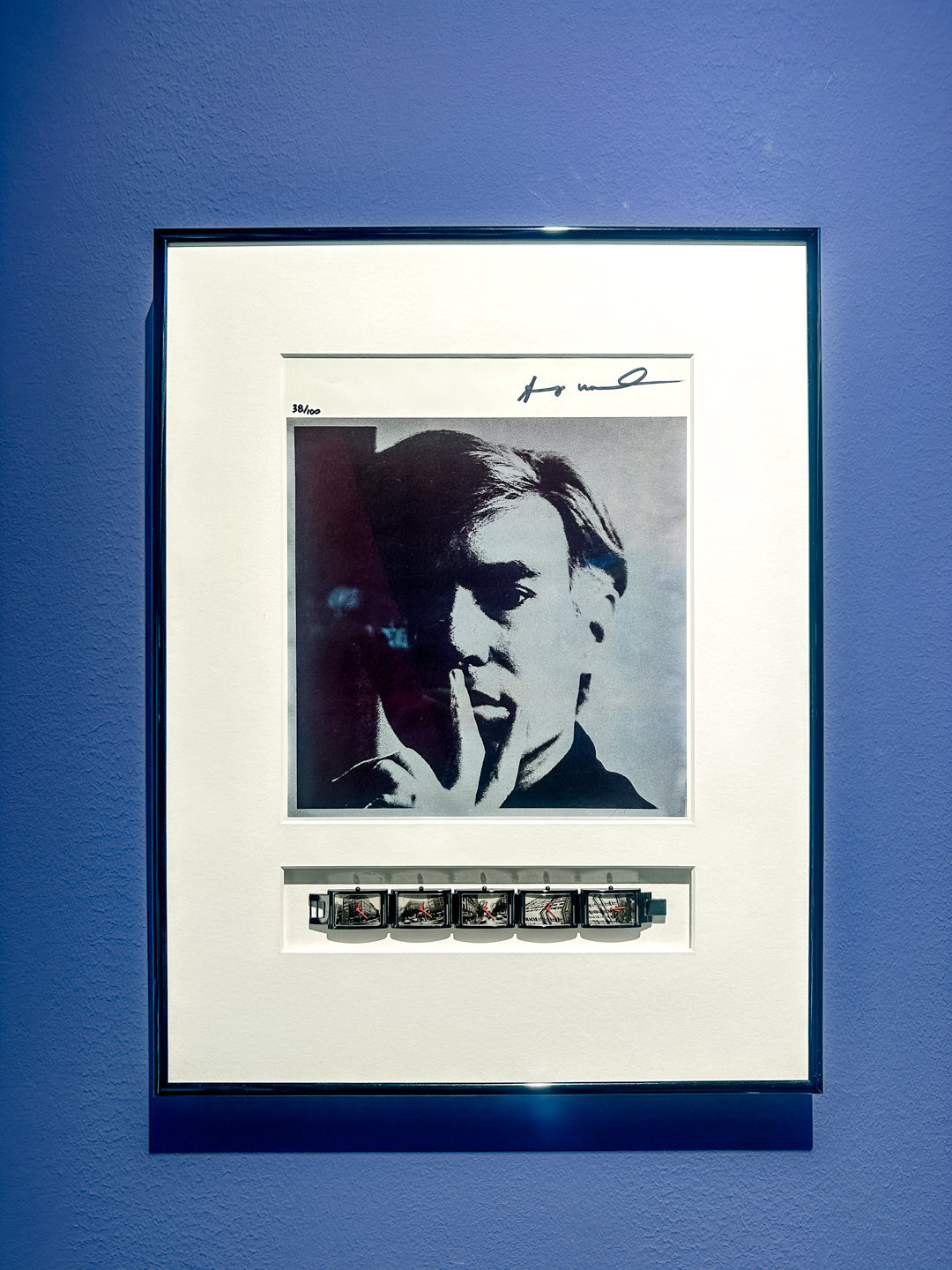
Another unexpected stop on the Highlights Tour was a display featuring Andy Warhol, with his black-and-white portrait above a series of five miniature watches. I wouldn't normally have stopped to examine it, but the guide's explanation encouraged me to look more closely. It was another reminder of how much a good guided tour can change the way we experience an art fair.
When a clothing rack becomes an artistic discovery
If I had explored PAN on my own, I probably wouldn't have stopped at this stand. From a distance, I would have thought it was simply a collection of unusual clothing. But the guide introduced us to Tess van Zalinge's work, wearable pieces presented as art.
The guide also mentioned something that immediately caught my attention as a photographer: some of these pieces could be rented for photoshoots. Suddenly, I was imagining creative portrait sessions that combined photography with wearable sculpture, and perhaps even a collaboration with a fashion artist. It also reminded me of an old friend whose dream was to create exactly this kind of fashion. Seeing Tess van Zalinge's work featured at PAN Amsterdam made me think about how fashion can move beyond clothing and become art. Her presence at the fair also shows young fashion designers that their creations can have a place in the art world, not only on the runway.
That was one of my favorite discoveries of the day. It also reminded me of something important about guided experiences. Sometimes a good guide helps you understand something you would otherwise ignore. As someone who also guides visitors around Amsterdam, I appreciated her ability to connect objects with stories and make unfamiliar subjects interesting.
Finding art I could imagine living with
After the guided introduction, I continued exploring the fair with my own preferences in mind. I don't have one particular artistic period or medium that I always look for. Sometimes I'm attracted to a material, a shape, a color, or simply to the feeling an artwork creates. But when I consider buying art, I take the decision seriously. I want something I will continue to love.
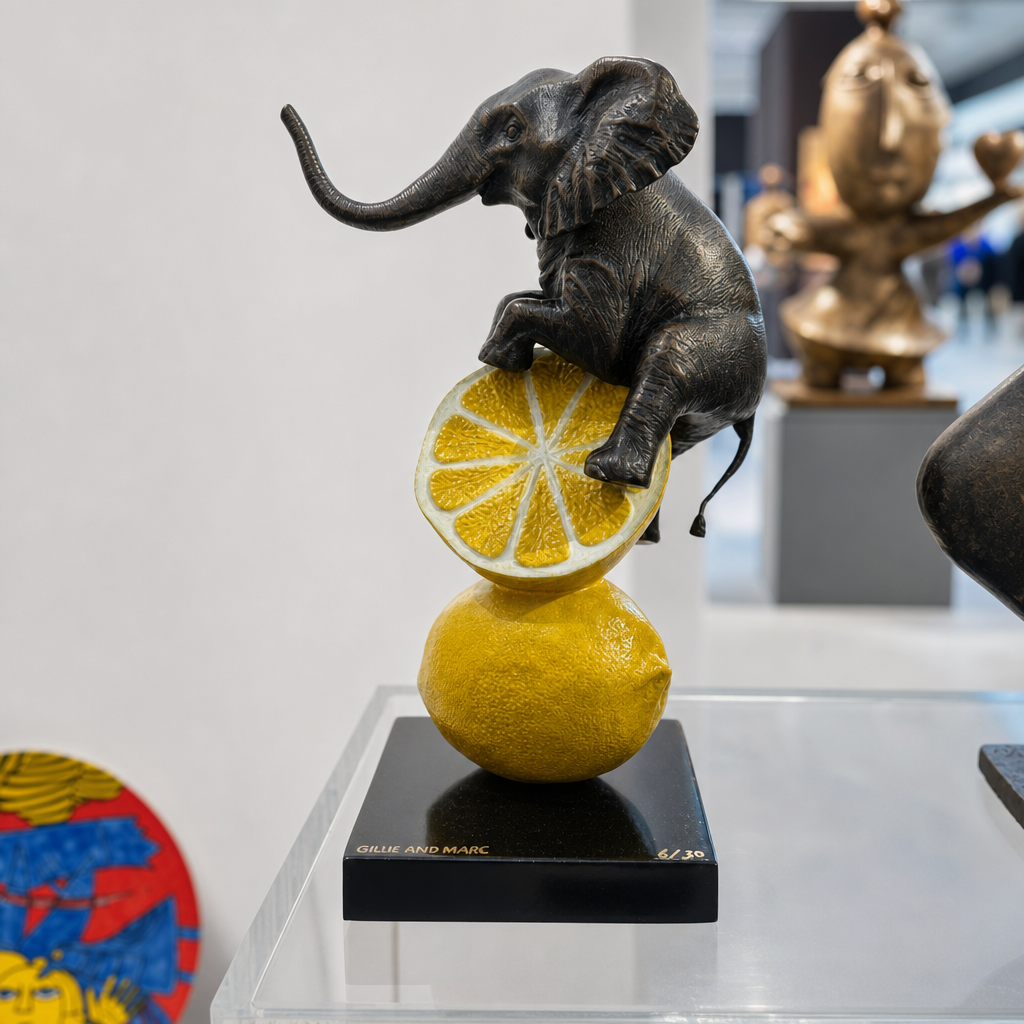
At PAN, several pieces made me stop. One of the most playful works I encountered was Elephant Really Loves Lemons by Gillie and Marc, presented by Okker Art Gallery. The bronze elephant balances on bright yellow lemons, creating a wonderful contrast. I loved how playful it looked! It made me smile immediately. I can imagine this piece in my home. One practical consideration, though: my cat. I suspect the elephant might attract rather more attention than I would like. Still, it was one of those works that stayed with me long after I left the stand.
Delicate forms and the beauty of materials
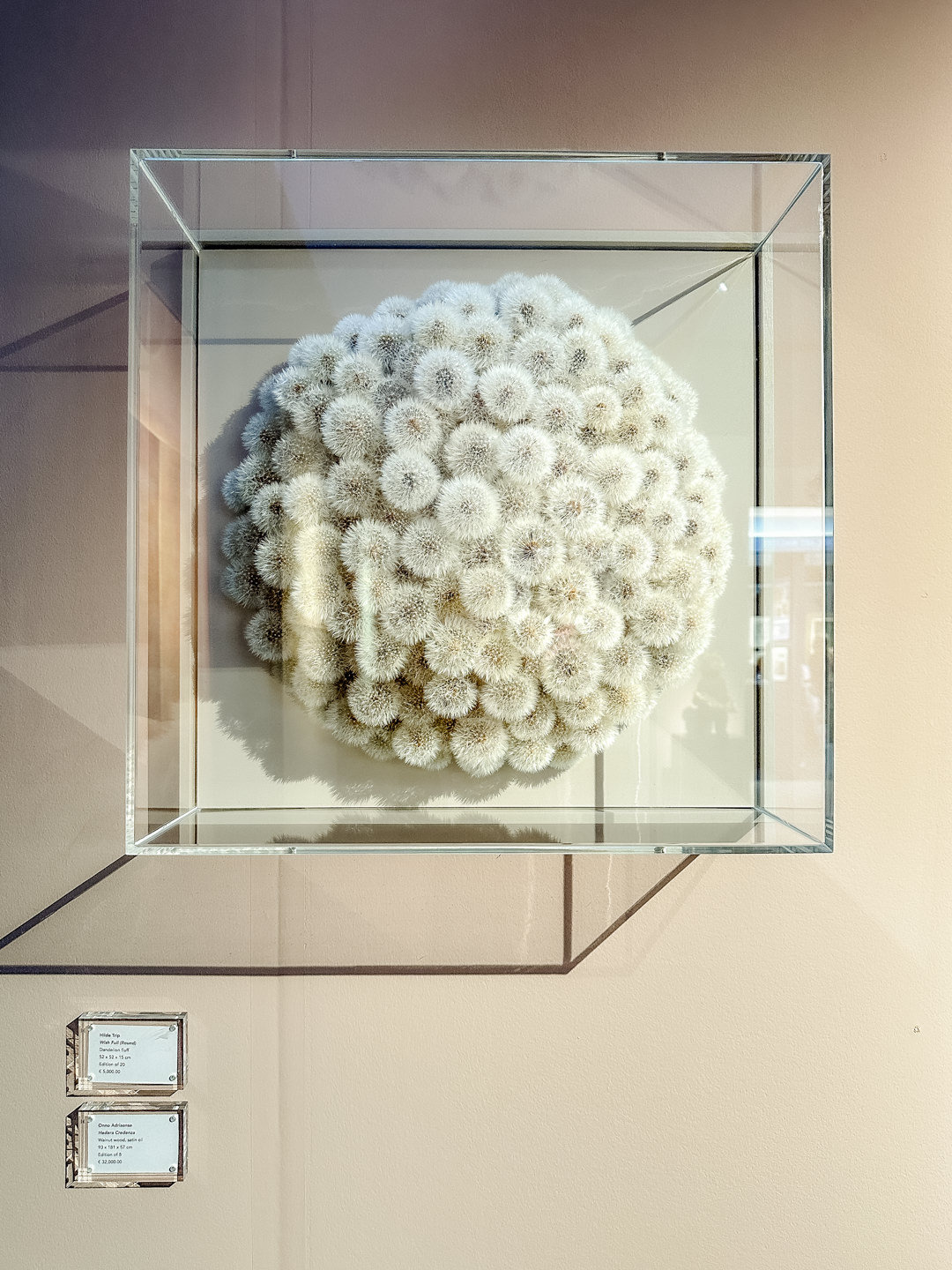
At Rademakers Gallery, I photographed a delicate spherical arrangement of dandelion seed heads enclosed in a transparent display. I loved the contrast between the fragile natural forms and the precise presentation.
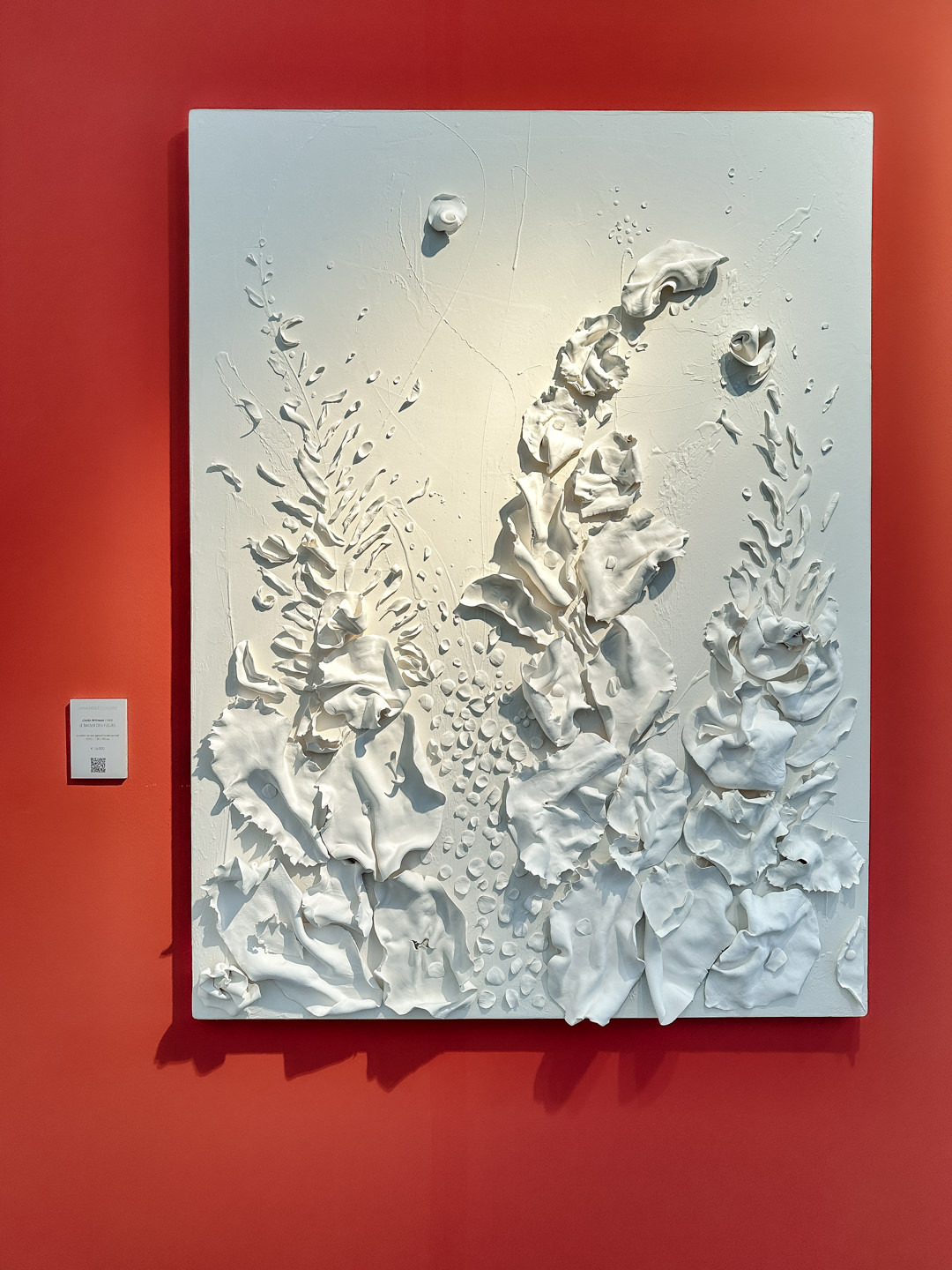
At Janknegt Gallery, a white relief caught my attention for a completely different reason. Its raised shapes and shadows created an intricate composition without relying on color. As a photographer, I am particularly interested in artworks that change with the light. A small shift in illumination can reveal an entirely different texture or form.
A little reminder of Peru
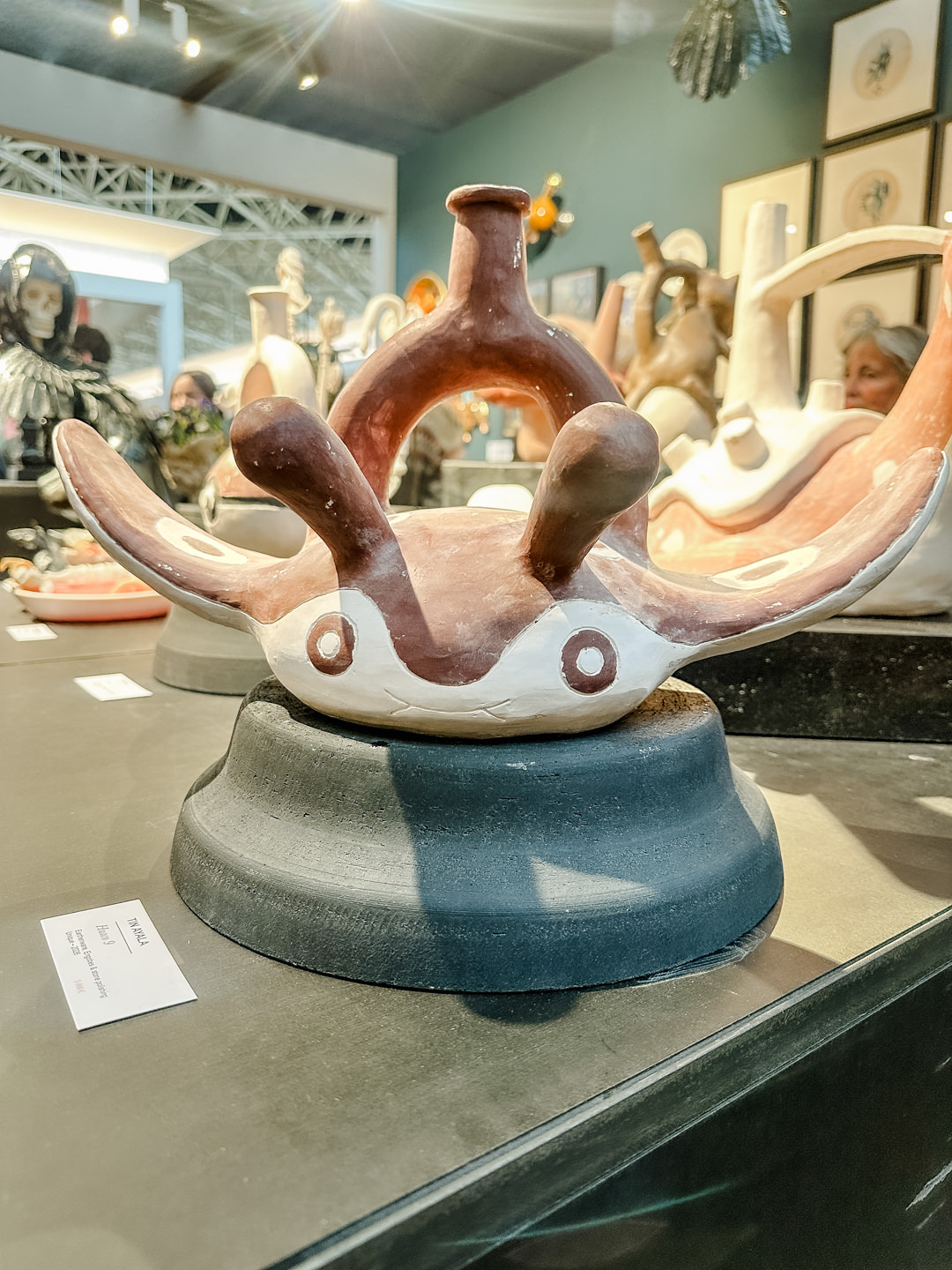
At Jonathan F. Kugel's stand, I discovered a collection of ceramic pieces by Bolivian artist Tin Ayala, combining Pokémon characters with the shapes and decorative styles of traditional Andean *huacos*. I immediately recognized the influence of pre-Columbian ceramics, having visited the Larco Museum in Lima several times. What surprised me was discovering that Ayala himself had conducted research at that very museum in 2023. His work blends ancient Andean traditions with contemporary popular culture, creating something both familiar and unexpected. It was a lovely connection to my Peruvian roots in the middle of PAN Amsterdam.
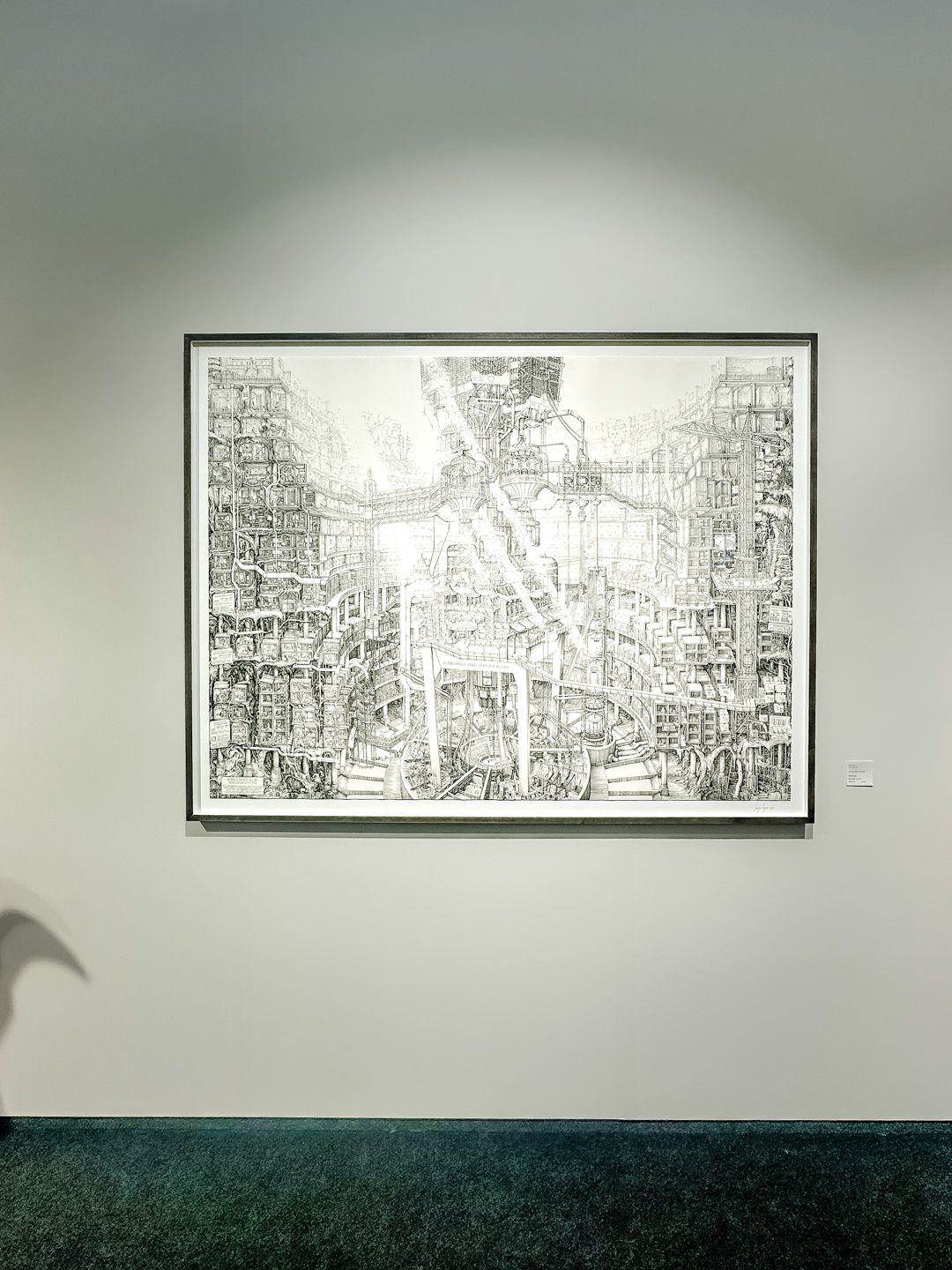
At Gallery Untitled from Rotterdam, another work caught my attention: an intricate drawing of buildings, machinery, and interconnected structures. The longer I looked, the more details I discovered. I own a print by an Amsterdam artist working in a similar style, which may explain why I was immediately drawn to this piece. I enjoy artworks filled with small details, where I can spend time exploring the composition and discover something new each time I look at it.
A connection to the previous evening's Rijksmuseum lecture
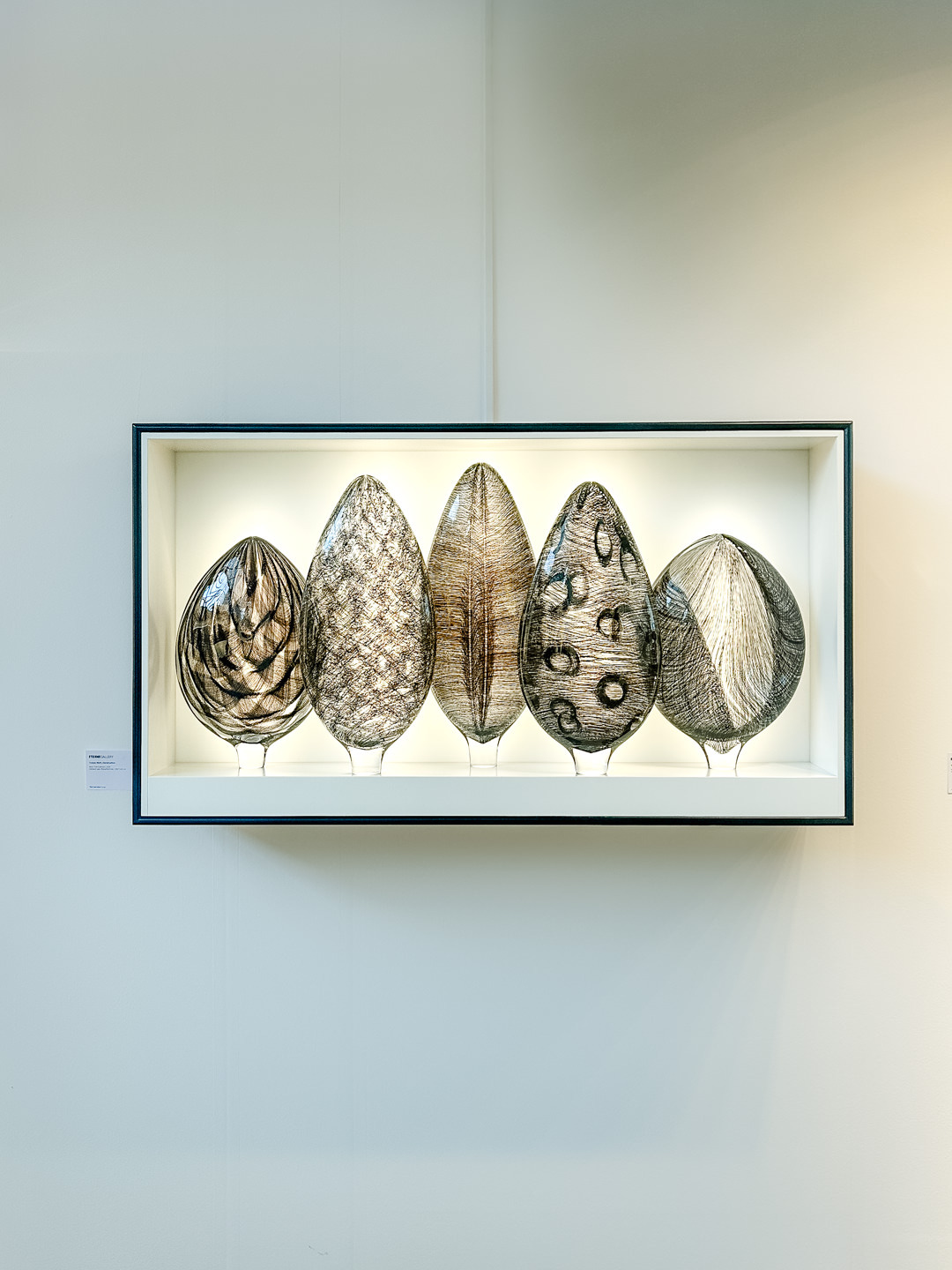
One of my most interesting discoveries came at Etienne Gallery. There, I encountered Tobias Møhl's Black Twill Collection (2026), a group of five glass forms created using filigree techniques. The forms reminded me of woven textiles, feathers, and delicate natural structures. But they were made of glass. The fine patterns and precision were extraordinary, especially as light passed through the material.
The previous evening, I attended a lecture at the Rijksmuseum about craftsmanship in the twenty-first century and its relationship with artificial intelligence. Standing in front of Møhl's work, I found myself thinking about that conversation again. We often admire the final object without fully considering the knowledge, patience, and physical skill required to create it.
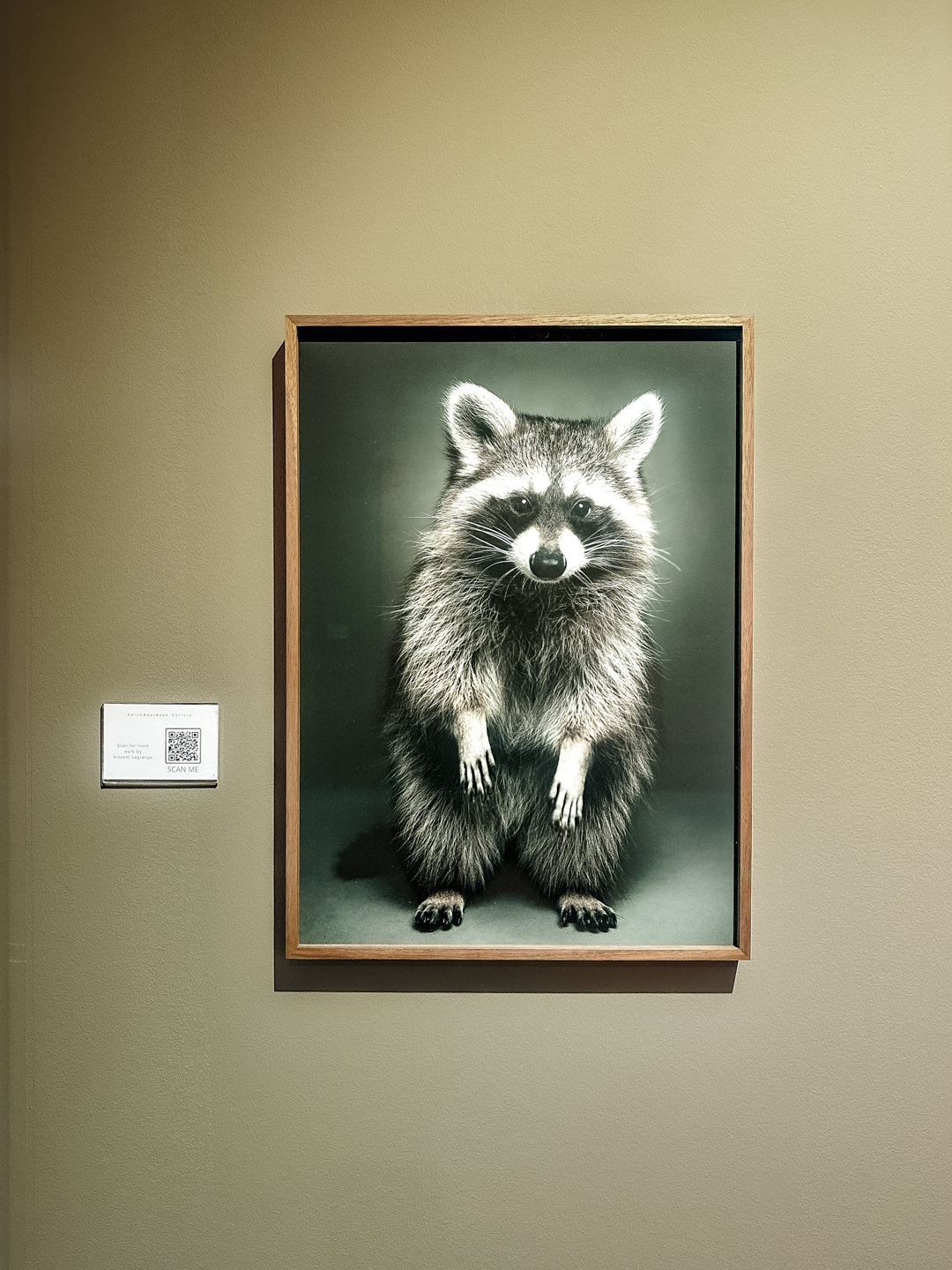
Here, the craftsmanship was impossible to ignore. The glass was beautiful, but understanding something about the technique made it even more interesting. That connection became especially relevant during the next part of my visit.
Art & AI: Who is the artist?
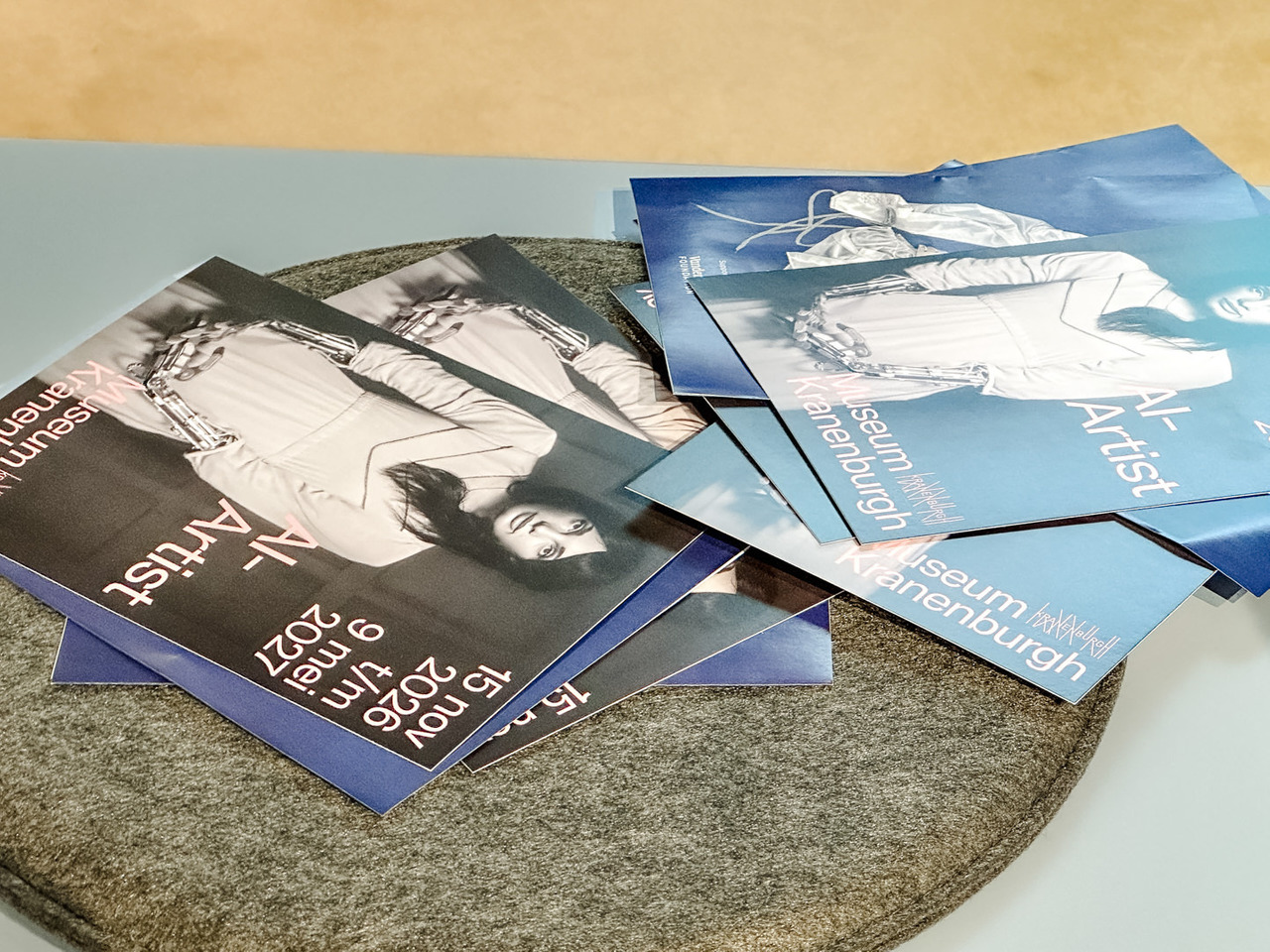
PAN also offered a lecture connected to AI-Artist, an exhibition at Museum Kranenburgh exploring how artists embrace, question and sometimes challenge artificial intelligence. After the Rijksmuseum lecture the previous evening, I wanted another perspective. The discussion introduced artists working with computers, algorithms, robotics and AI, showing that the relationship between art and technology began long before today's generative AI tools.
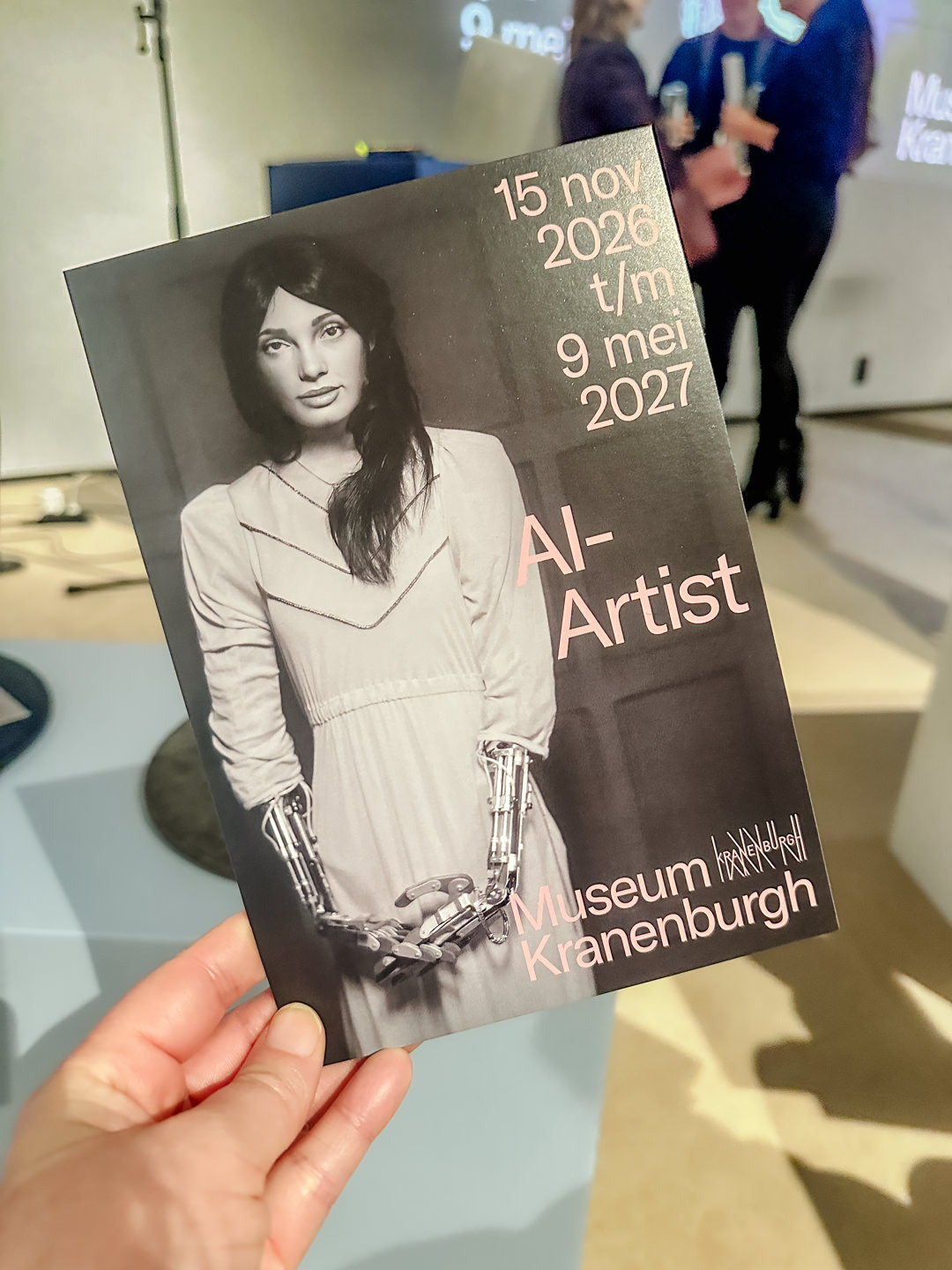
One example involved early computer artists, including Peter Struycken, who explored computer-generated images decades ago. Another example introduced the work of Ecuadorian artist Oscar Santillán, who has used AI and locally collected knowledge and material to challenge established Western ways of representing landscapes.
I found this particularly interesting because AI was presented not simply as a way to generate images faster, but as a tool for questioning existing visual traditions.
Photography or promptography?
The discussion then turned to Boris Eldagsen. A few years ago, Eldagsen drew international attention when an AI-generated image he submitted to the Sony World Photography Awards won a photography category. He declined the award and used the situation to encourage discussion about the difference between photography and AI-generated images. He describes his work as promptography.
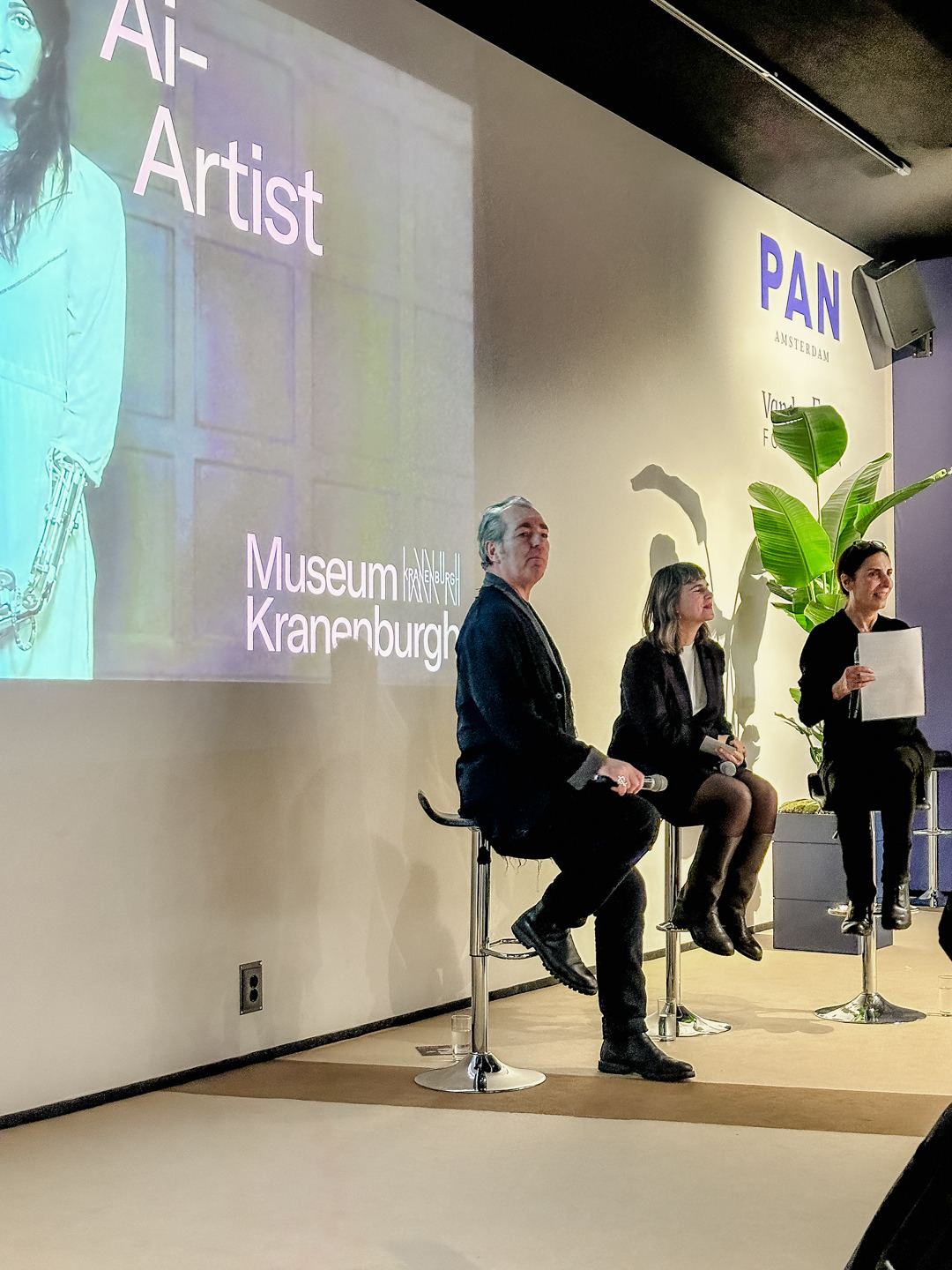
As a photographer, I find that distinction worth considering. Photography has always changed with technology. Cameras, lenses, film, digital sensors, and editing software have all influenced how photographs are made. But generating an image from instructions isn't the same process as photographing something in front of a camera. That doesn't automatically make one form more valuable than the other.
When does improving a photograph become creating a new image?
I'm currently experimenting with using AI to improve photos I take on my phone in difficult conditions. This image is an AI-enhanced interpretation of a photograph I took with my phone. The main subjects remain recognizable, but the lighting, background, and depth of field have changed.
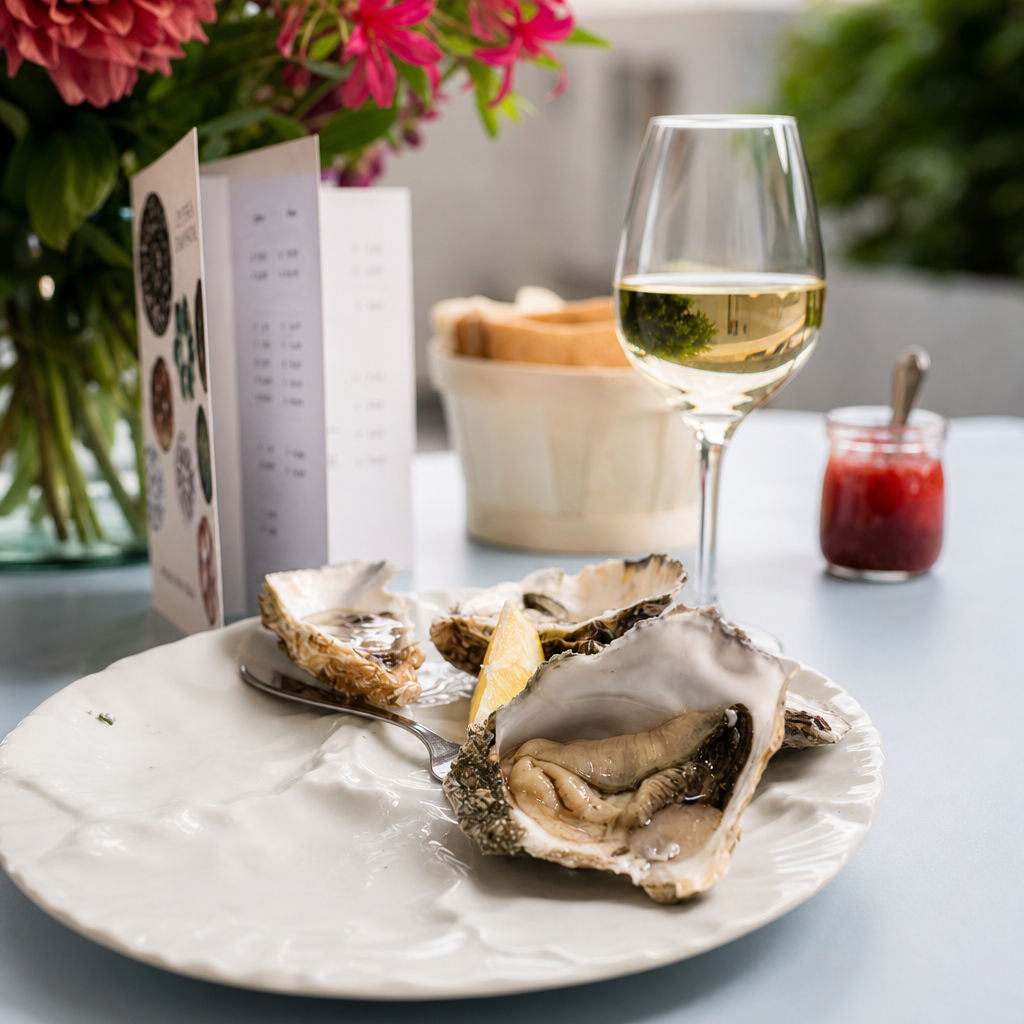
As a photographer, I find the possibilities fascinating, but they also raise questions. At what point does an enhanced photograph stop being a faithful record of what I saw? And how much can we change before we should describe the result as an AI-generated interpretation rather than simply an edited photograph?
I'm still exploring those questions, and perhaps that's the most interesting part of this experiment.
A robot that makes art
Another fascinating example was Ai-Da, a humanoid robot artist that can draw and paint. The speakers discussed her portrait of Alan Turing and the extraordinary price one of her works fetched at auction.
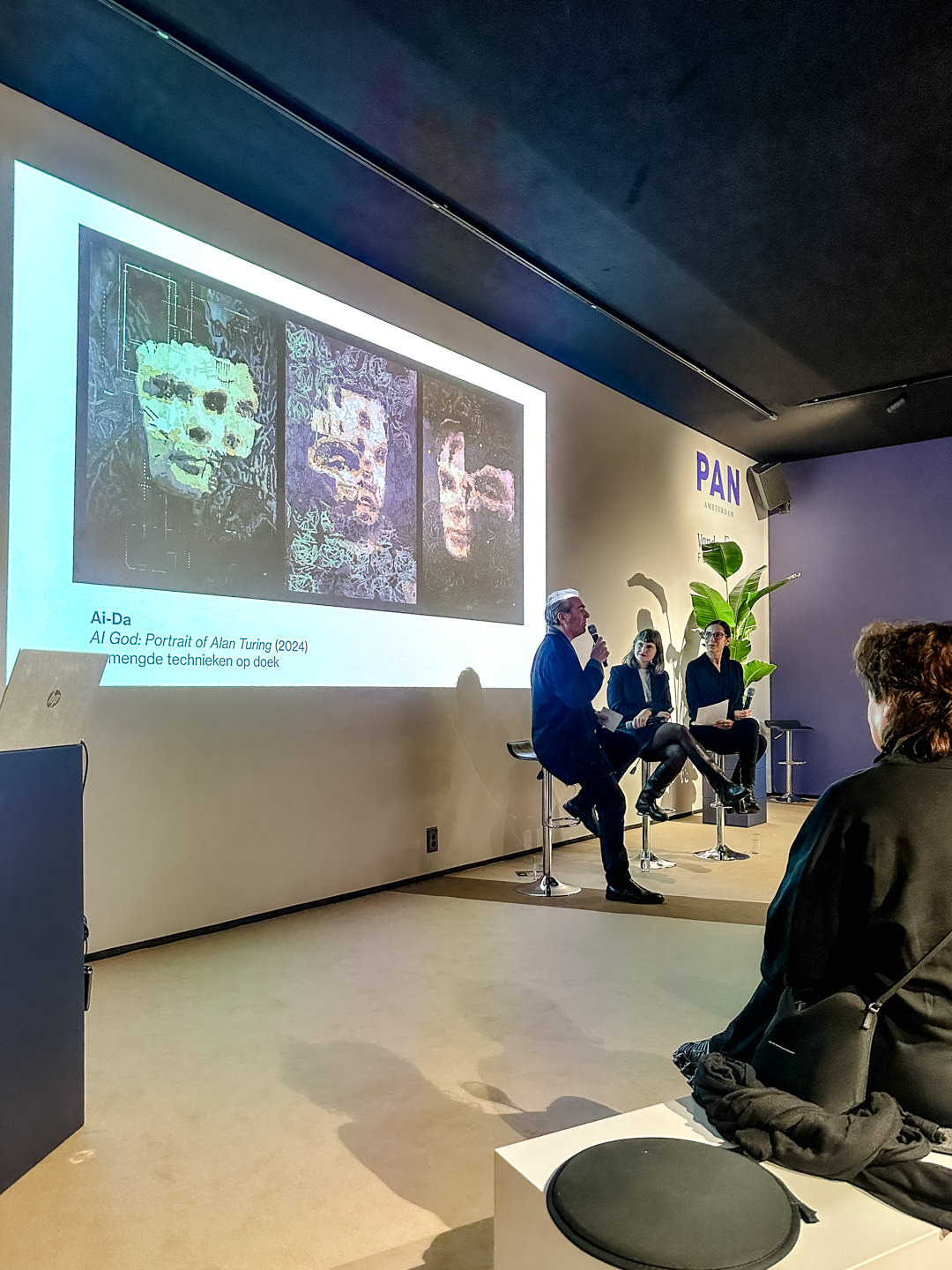
But the most interesting part was an audience question: how much of the artistic decision comes from the robot, and how much comes from the humans who created and direct her? Ai-Da uses cameras, artificial intelligence, and robotic systems to produce artwork. Yet the relationship between the machine, its programming, and the people involved remains central to understanding the creative process. That raises questions about authorship, intention, and artistic expression.
If a robot produces a painting that moves us emotionally, does it matter whether the robot experiences emotions itself? I don't think that question has a simple answer.
Photographing robots with a camera from the 1880s
The example that connected most directly with my own photographic practice was a project by Belgian photographer Wanda Tuerlinckx, who photographs humanoid robots using traditional analog techniques. She explained that she began the project around 2016, traveling internationally to photograph robots with a camera dating back to around 1880. I loved the contrast: a photographic process developed during an earlier period of technological change was now being used to document another technological revolution.
She described the slow process of preparing and composing each photograph, working with paper negatives and making only a limited number of exposures. She also discussed the uncomfortable feeling we sometimes experience when something looks almost human, but not quite. Interestingly, the softness and imperfections of the historical photographic process gave the robots an unexpectedly human appearance.
This brought me back to the conversation about craftsmanship at the Rijksmuseum the previous evening. In a world where we can generate thousands of images almost instantly, Tuerlinckx deliberately works slowly, using a process that requires preparation, patience, and technical knowledge.
Would I recommend PAN Amsterdam?
Absolutely, particularly if you enjoy discovering art beyond traditional museum collections. You don't need to arrive intending to buy anything. For a first visit, I would recommend booking the Highlights Tour. It introduces you to different galleries, periods, and artistic practices, and may take you into spaces you wouldn't otherwise consider.
Afterward, leave time to explore on your own. Look closely, ask questions, and allow yourself to be surprised. You might discover something beautiful, something strange, something that challenges your ideas, or perhaps even a piece you could imagine keeping for the rest of your life. For me, that possibility is what makes visiting an art fair so interesting.
Joanna Pantigoso
Amsterdam Vacation Photographer