
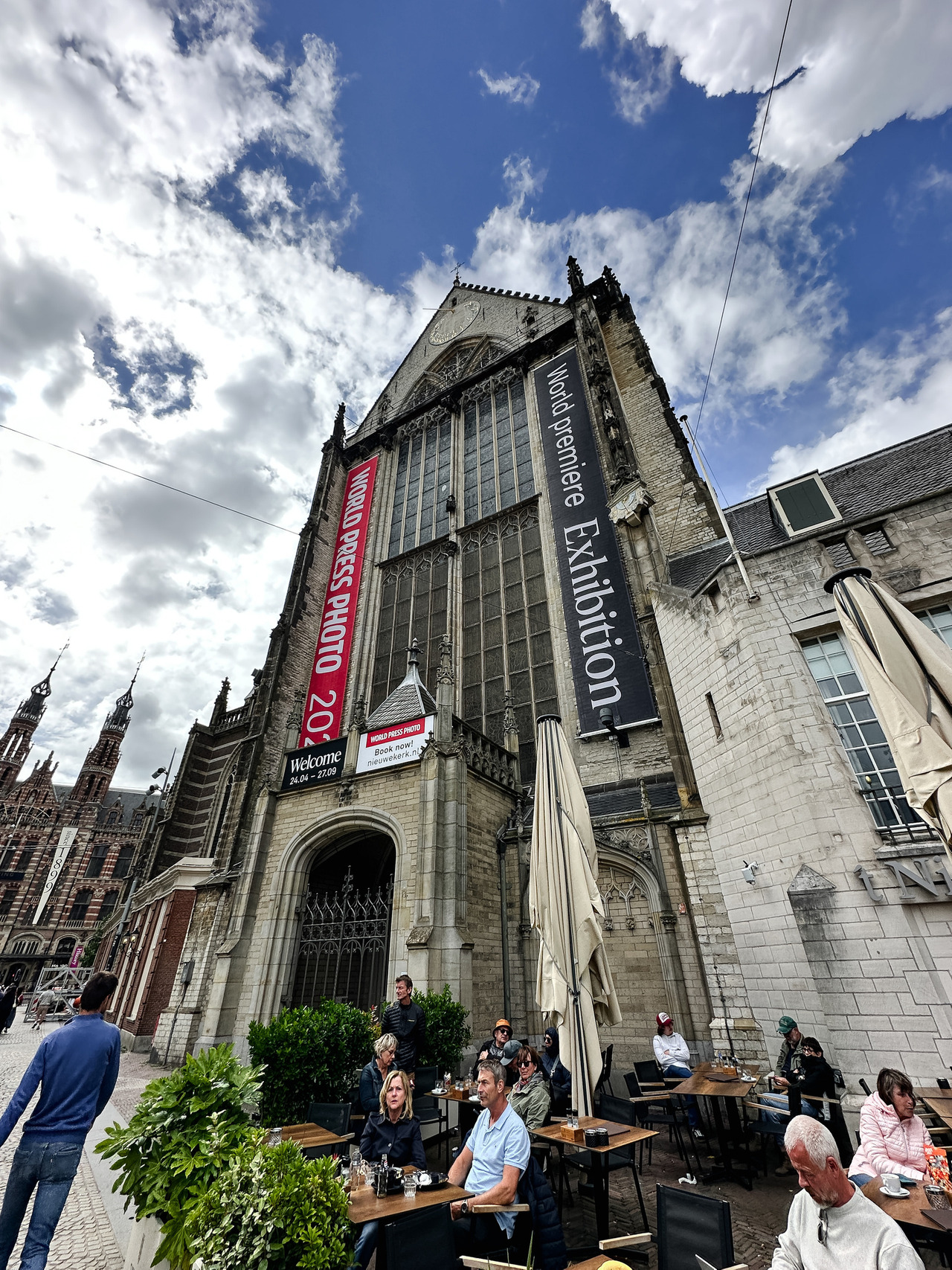
I visited the World Press Photo exhibition at De Nieuwe Kerk in Amsterdam. Throughout the exhibition, I was reminded that documentary photography is much more than technical skill. Behind every photograph is a person who chose to be present, to witness, and to tell a story.
-
All pictures were taken on an iPhone 14 and edited in Lightroom. Amsterdam, June 9th 2026.
We live in a time when technology can generate images that never existed. Yet the photographs shown here are rooted in something that cannot be generated: lived experience. Someone stood there, listened, earned trust, and decided that a story deserved to be seen.
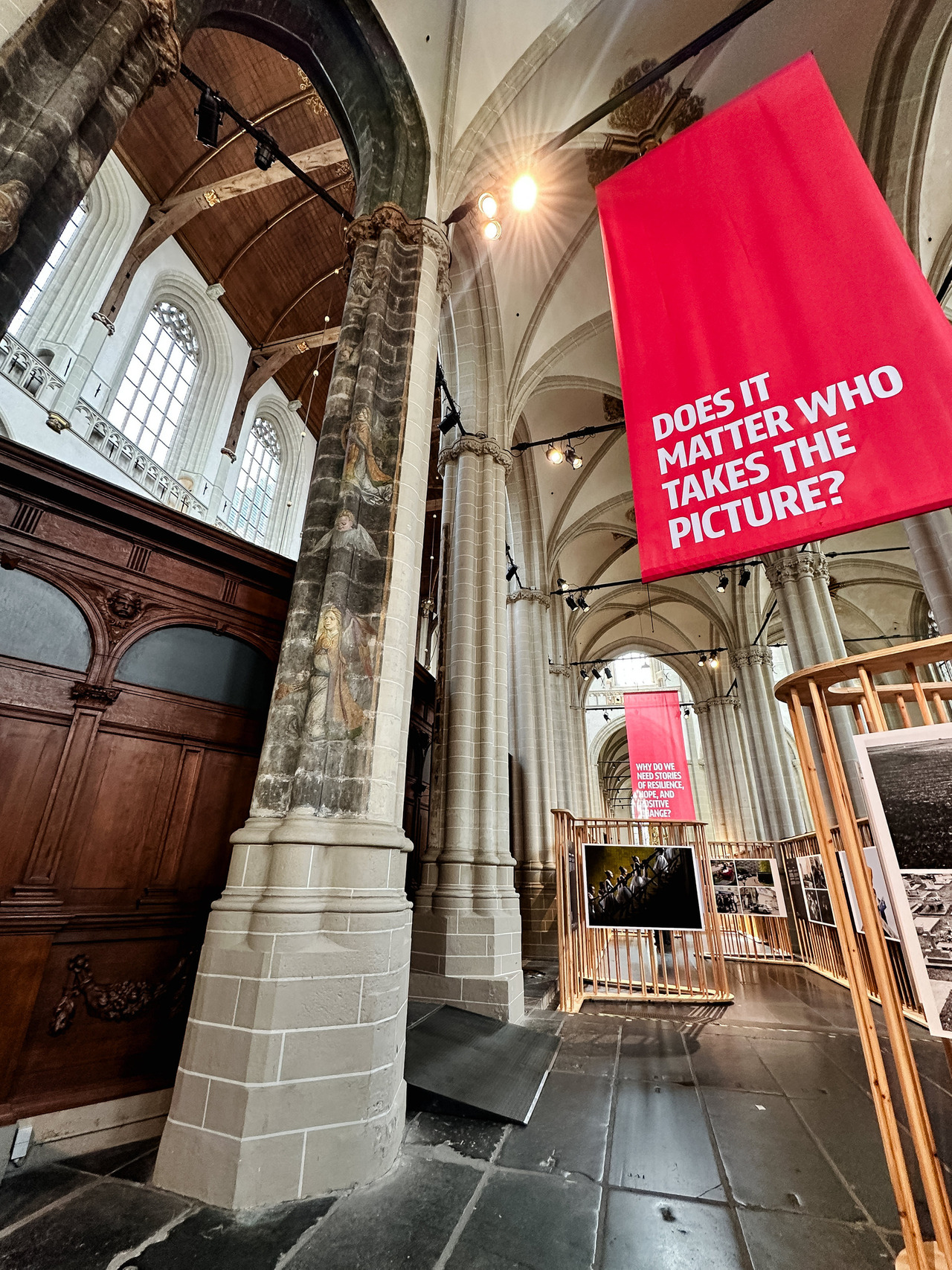
The exhibition also spends time addressing a question many photographers are asking today: where is the line between enhancement and manipulation?
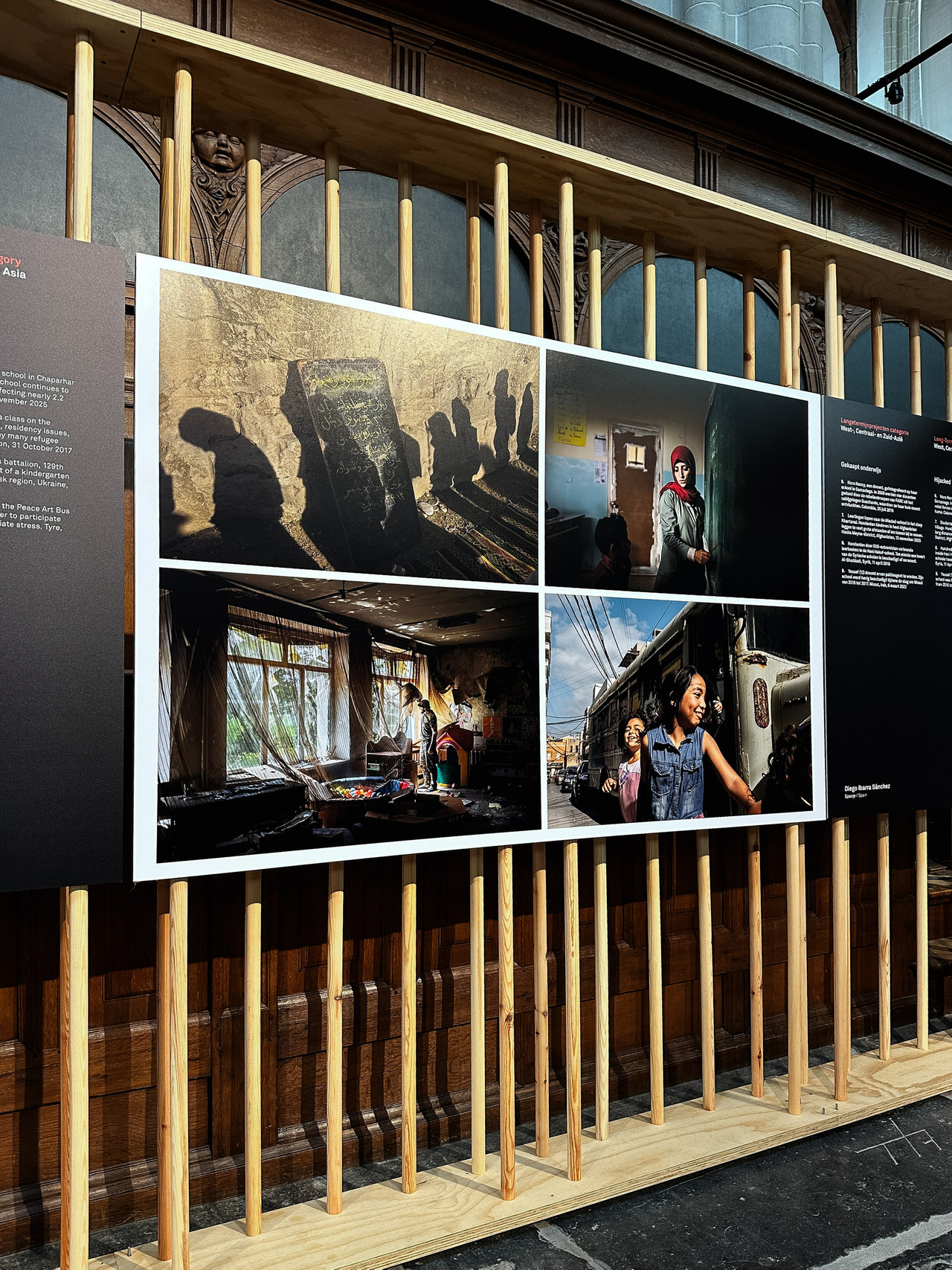
World Press Photo's position is clear. Basic adjustments are accepted, but changes that alter the reality of a scene can lead to disqualification. Even seemingly small modifications can change the meaning of an image. In an era where misinformation spreads quickly, maintaining trust matters.
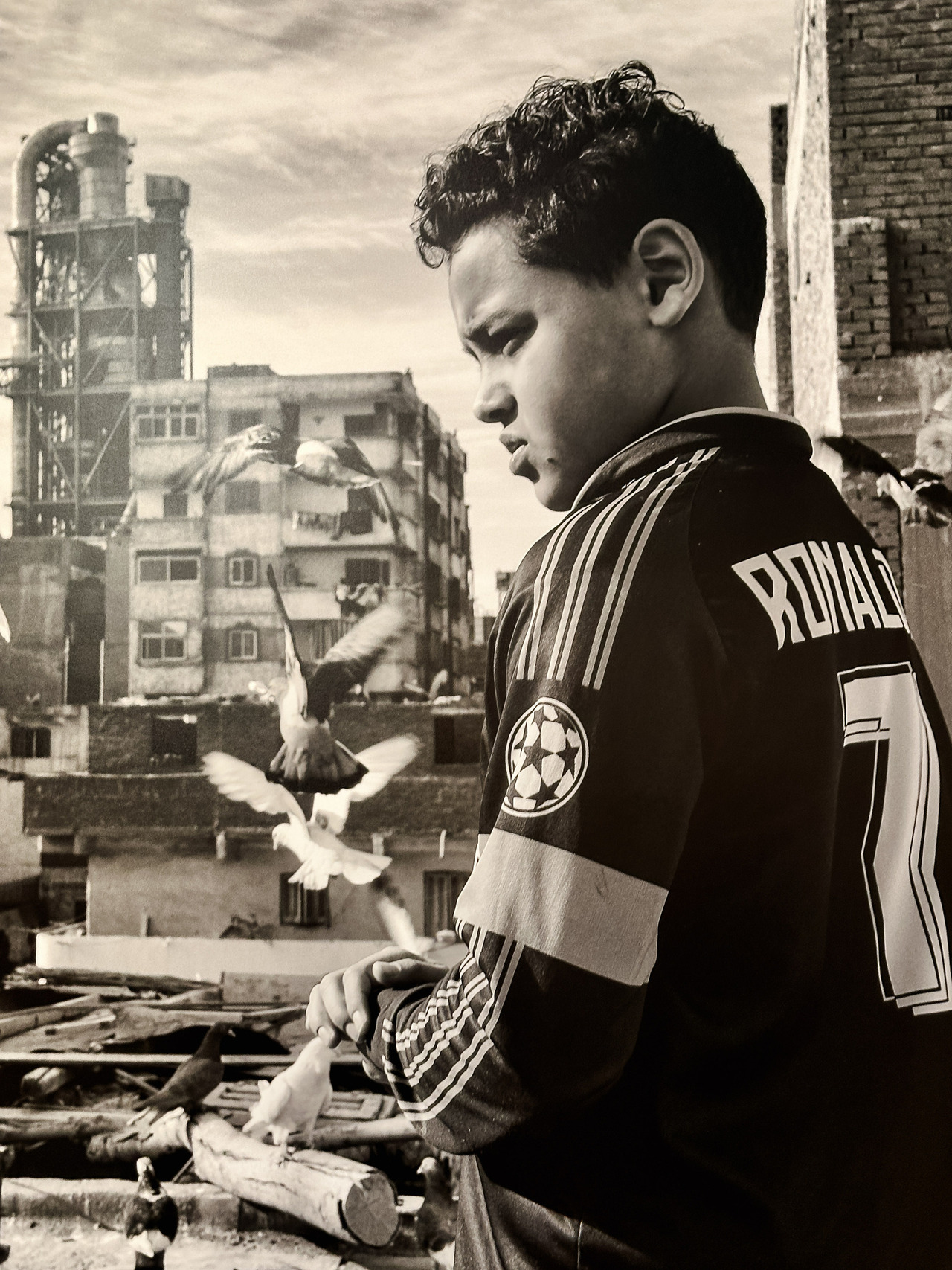
That commitment to truth felt especially important while reading stories from conflict zones. Several panels described the difficulties journalists faced reporting from Gaza. Communications blackouts limited the ability to share information. Foreign journalists were denied access while local journalists worked under extremely dangerous conditions to document events and communicate them to the world.
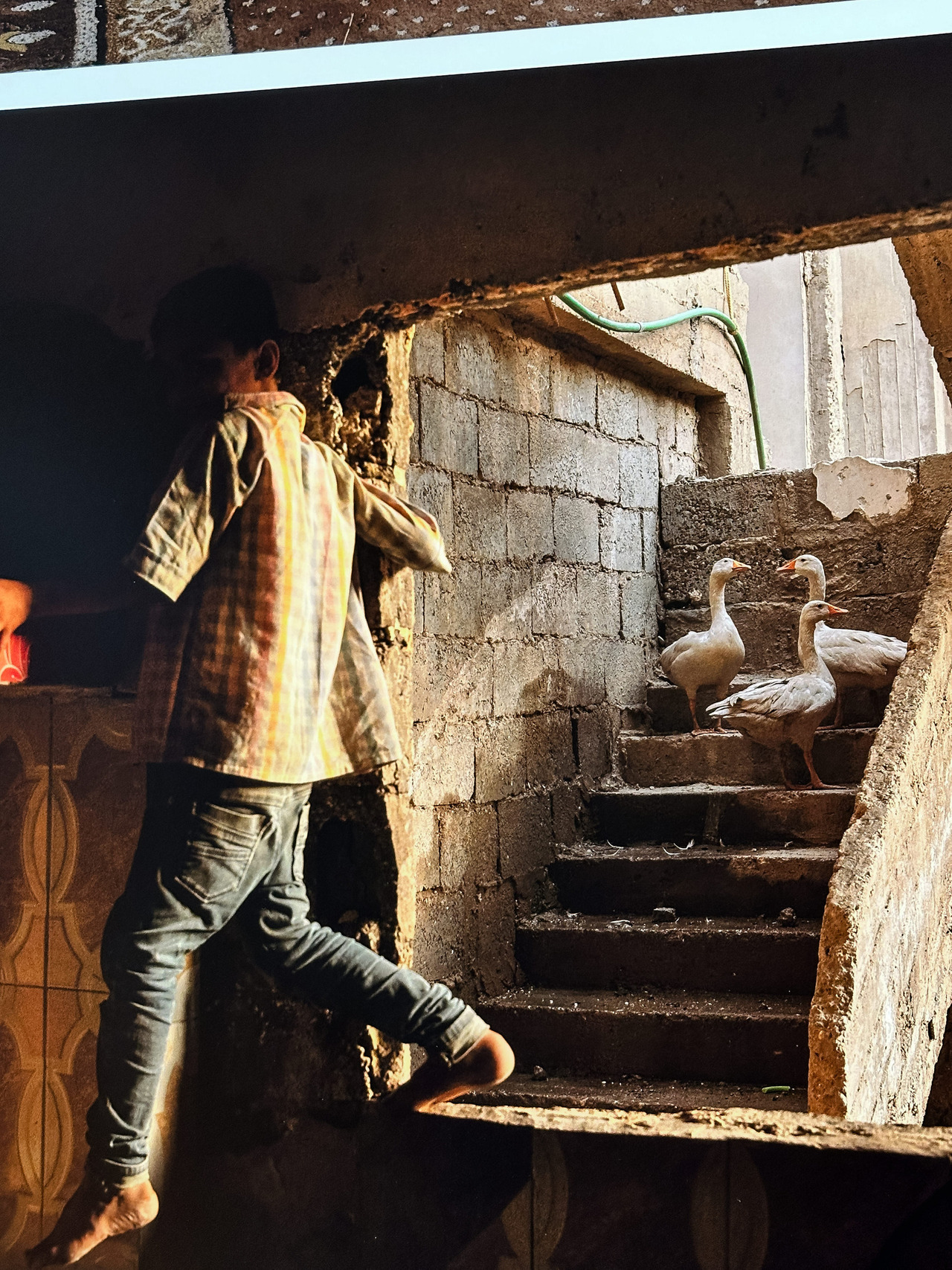
The exhibition repeatedly returns to a simple idea: access to reliable information cannot be taken for granted. One quote encouraged visitors to support independent journalism through newspaper subscriptions, direct donations to media organizations, and simply advocating for the importance of information within our own communities.
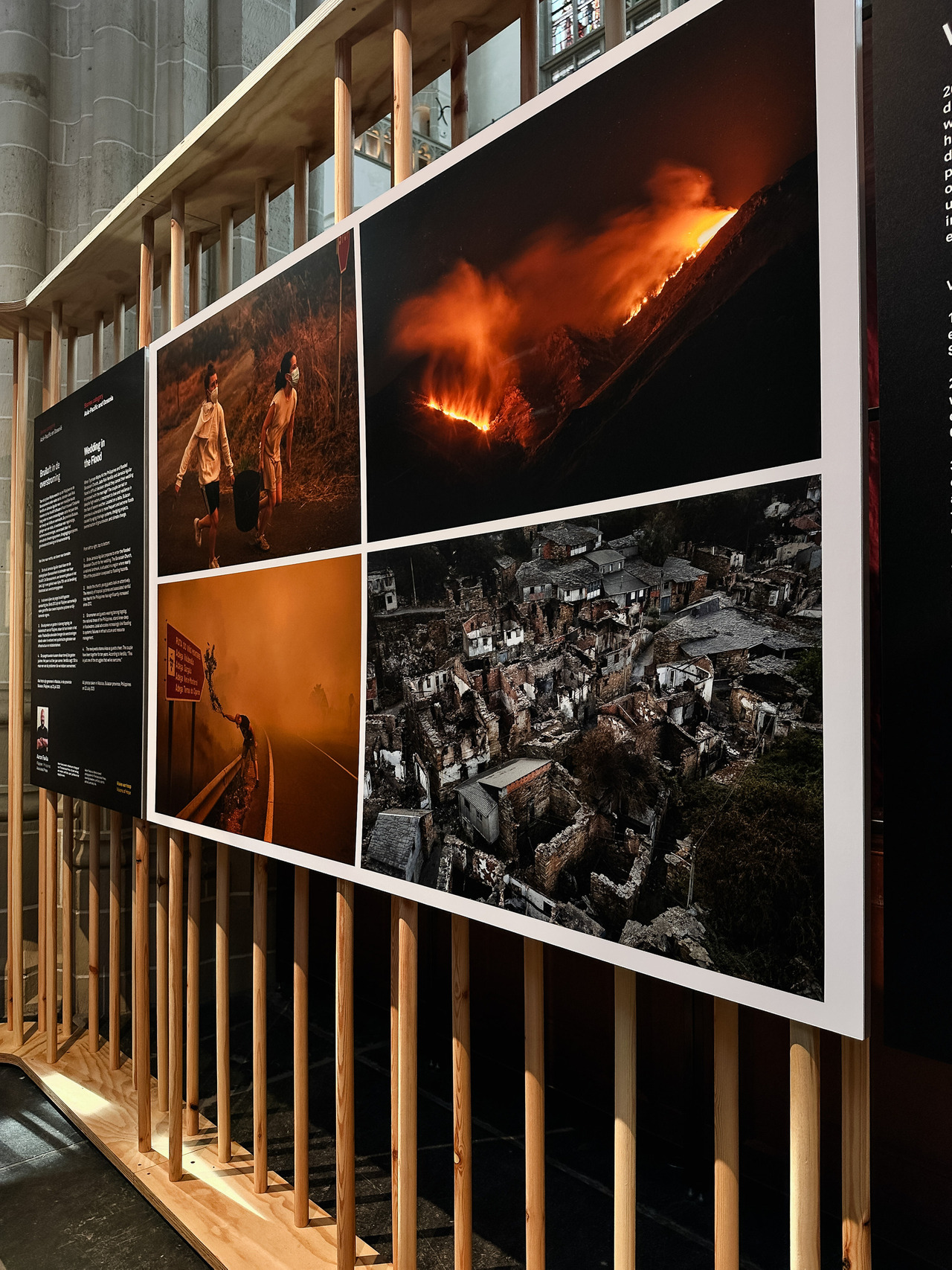
I found myself thinking about how different our understanding of the world would be without the people willing to document it.
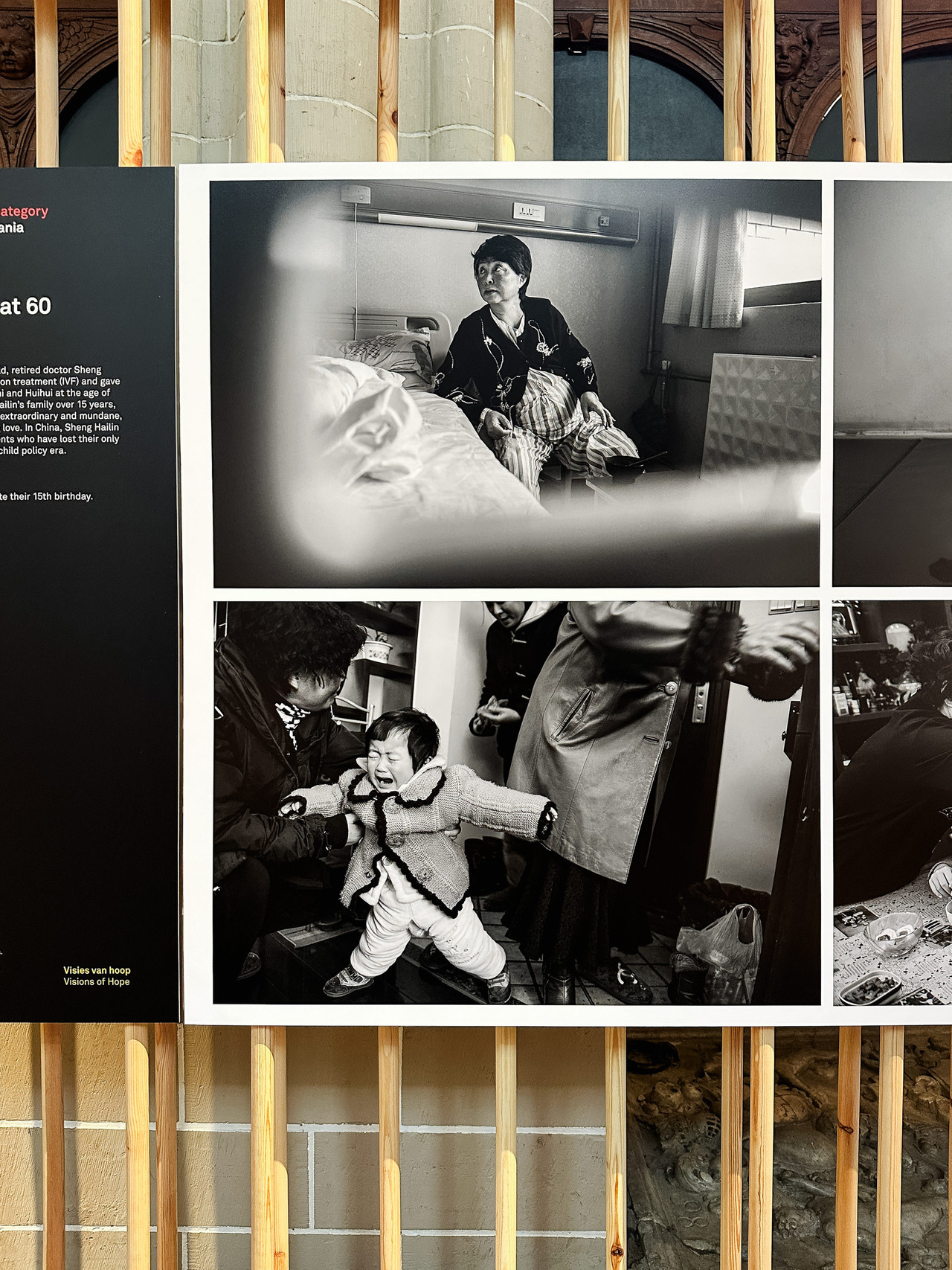
Among all the stories, two stayed with me the most. The first followed an elderly couple in China who had lost their only child. For many families affected by China's former one-child policy, the loss of a child can also mean the loss of an entire future, as there are no siblings or extended descendants to carry on the family line. Faced with unimaginable grief, this couple decided to become parents again through IVF later in life. It was not a story about tragedy alone. It was a story about love, loss, and the complicated ways people continue moving forward after life changes forever.
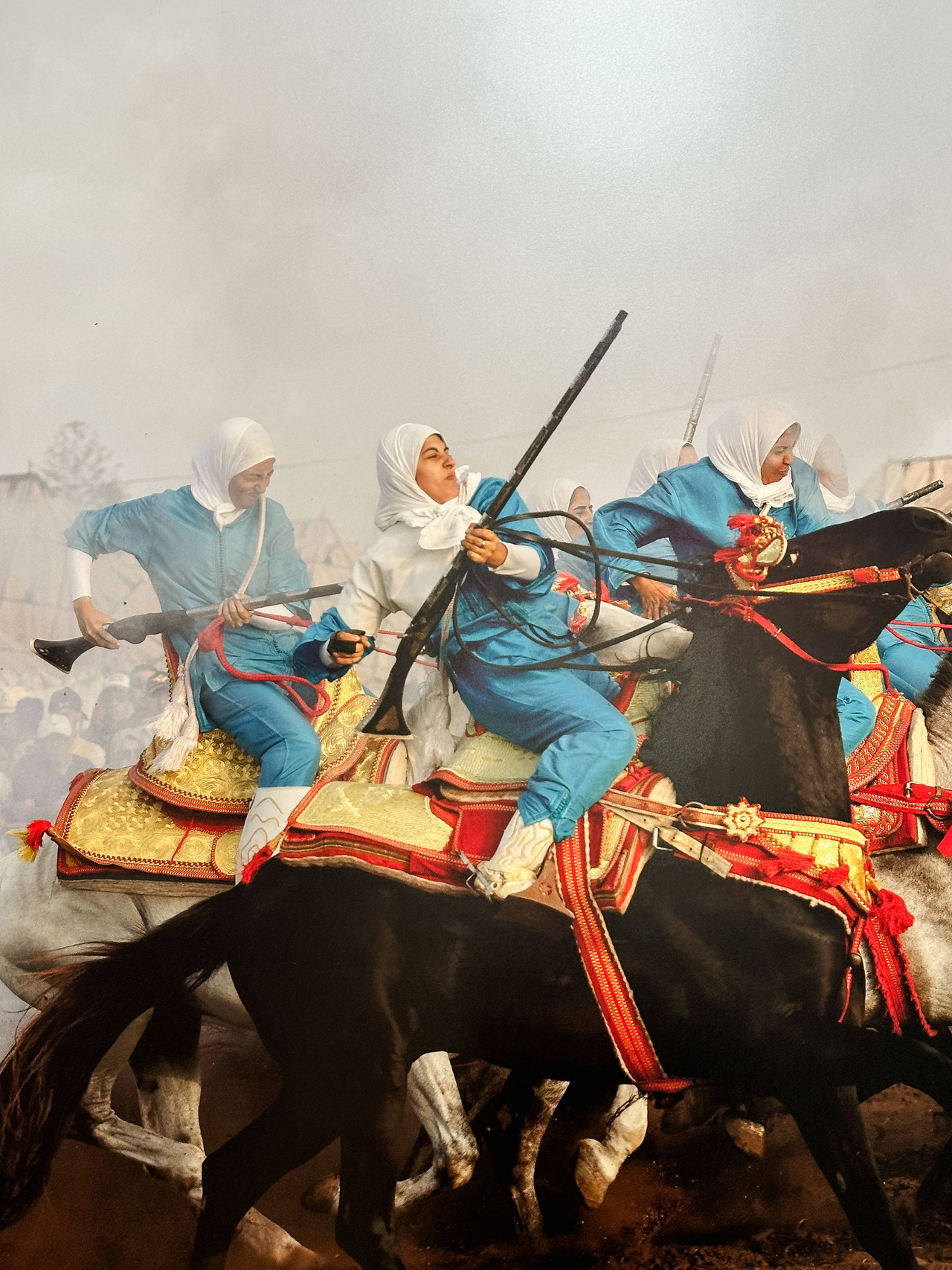
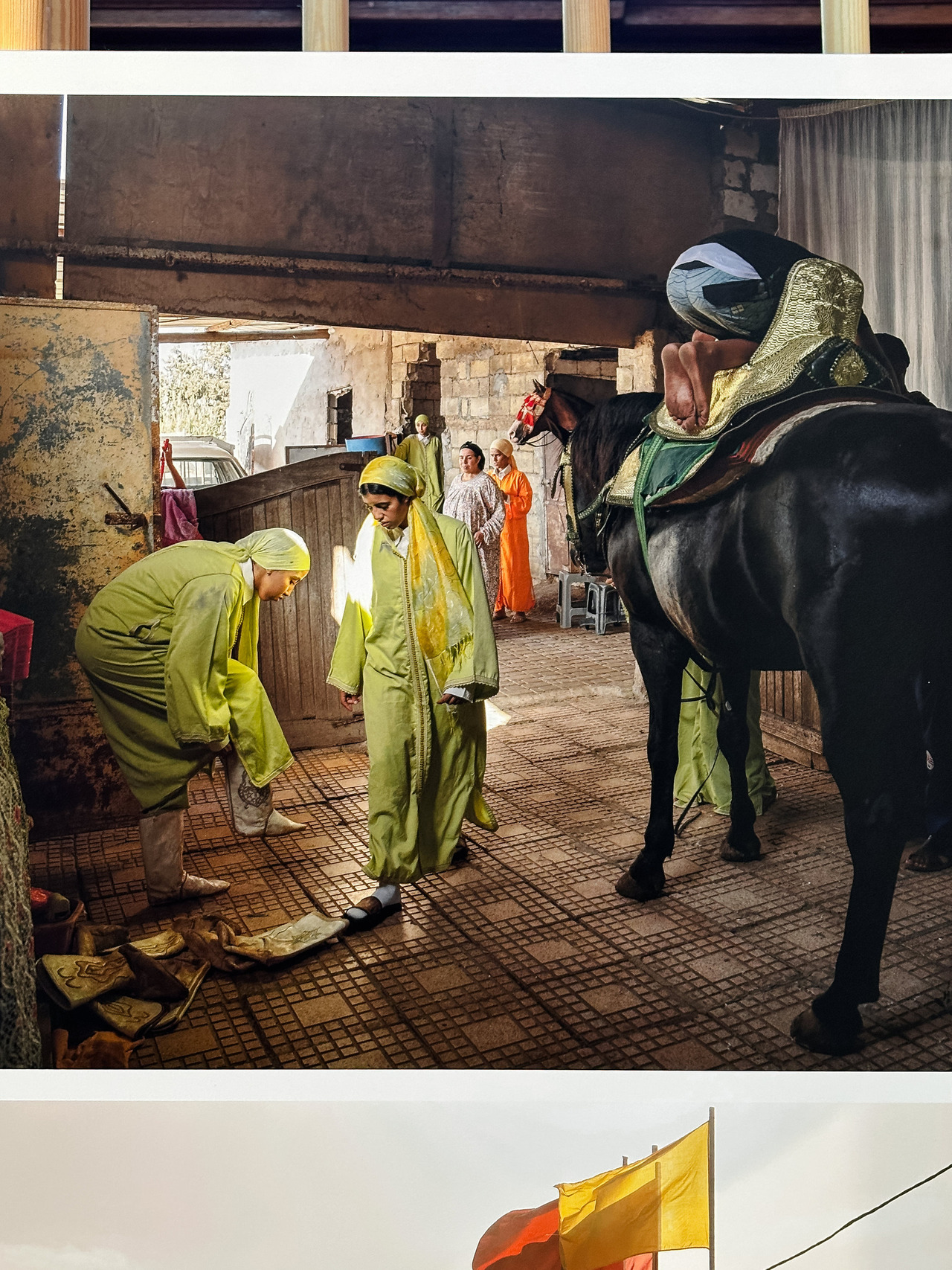
The second story focused on women participating in traditional horse games. What stayed with me was not the sport itself, but what it represented. The photographs showed women reclaiming space, confidence, and freedom in places where opportunities had previously been limited. Change is often visible first through individual acts of participation and courage.
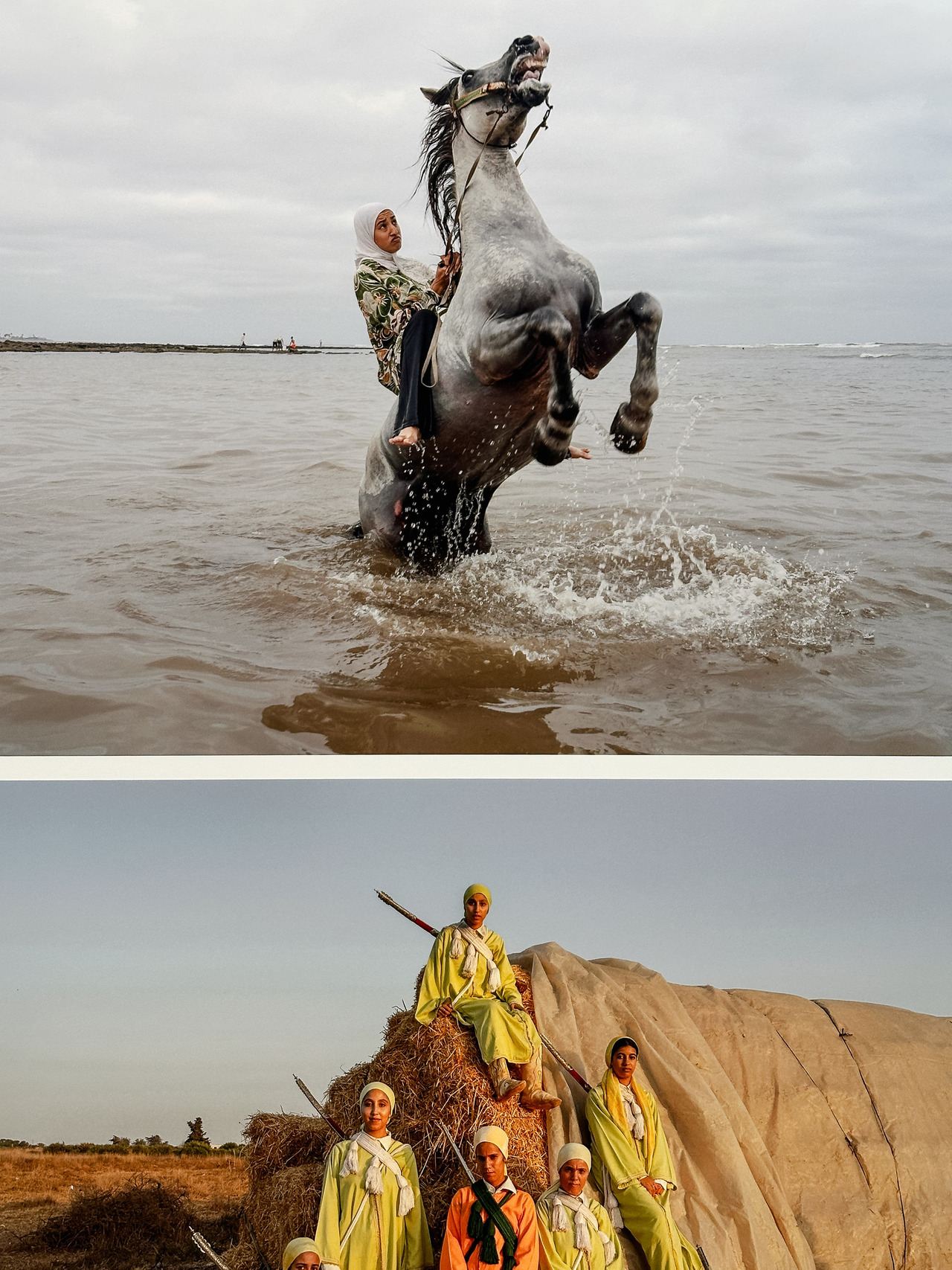
One of the jurors wrote that people and communities are more than stories of suffering. Good journalism can restore dignity and agency, revealing how people care for one another, resist difficult circumstances, and imagine futures beyond crisis. Walking through the exhibition, I felt that idea again and again.
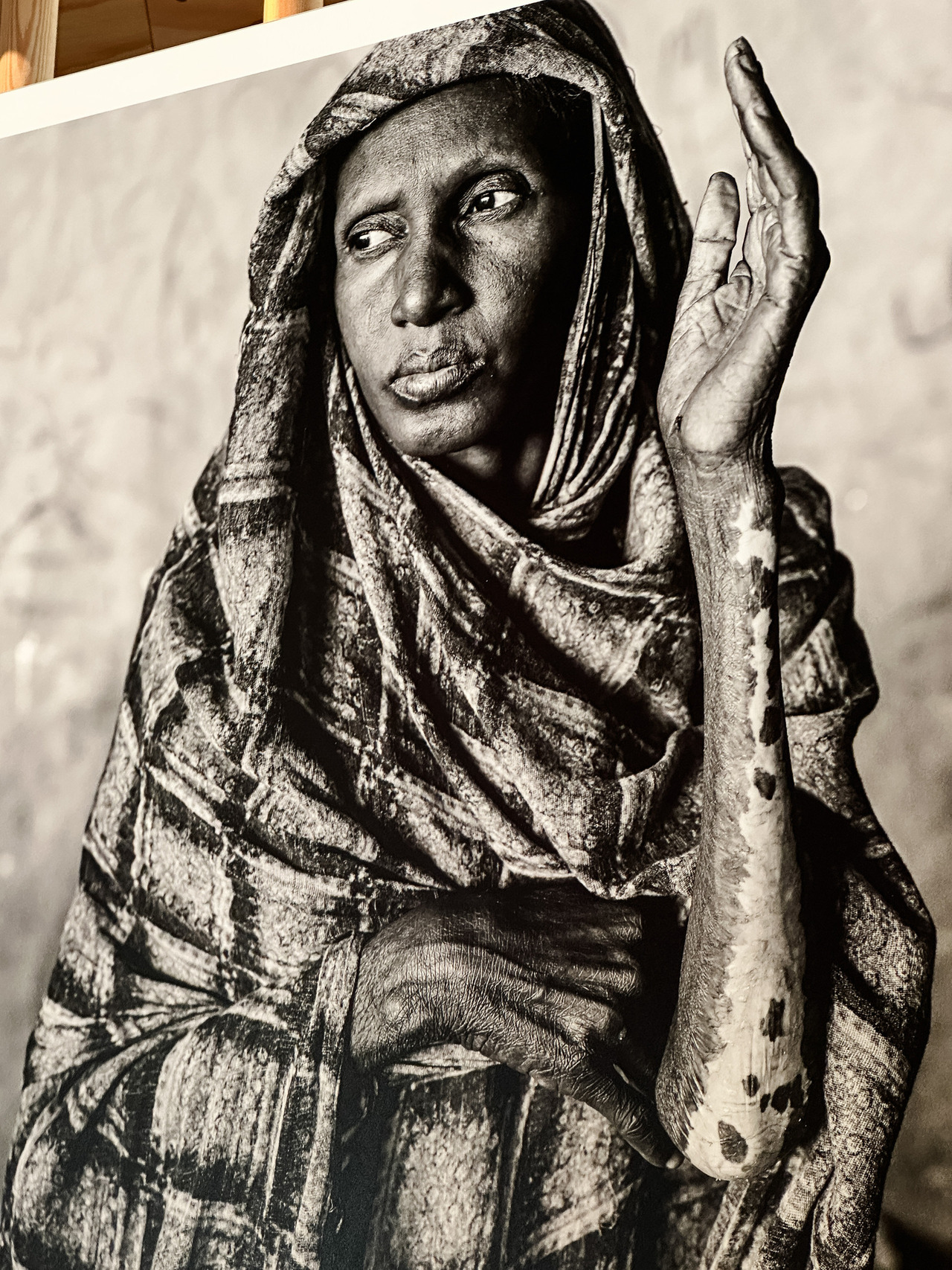
There were stories of war, disaster, displacement, and inequality. But there were also stories of resilience, hope, and transformation. They named this collection Visions of Hope.
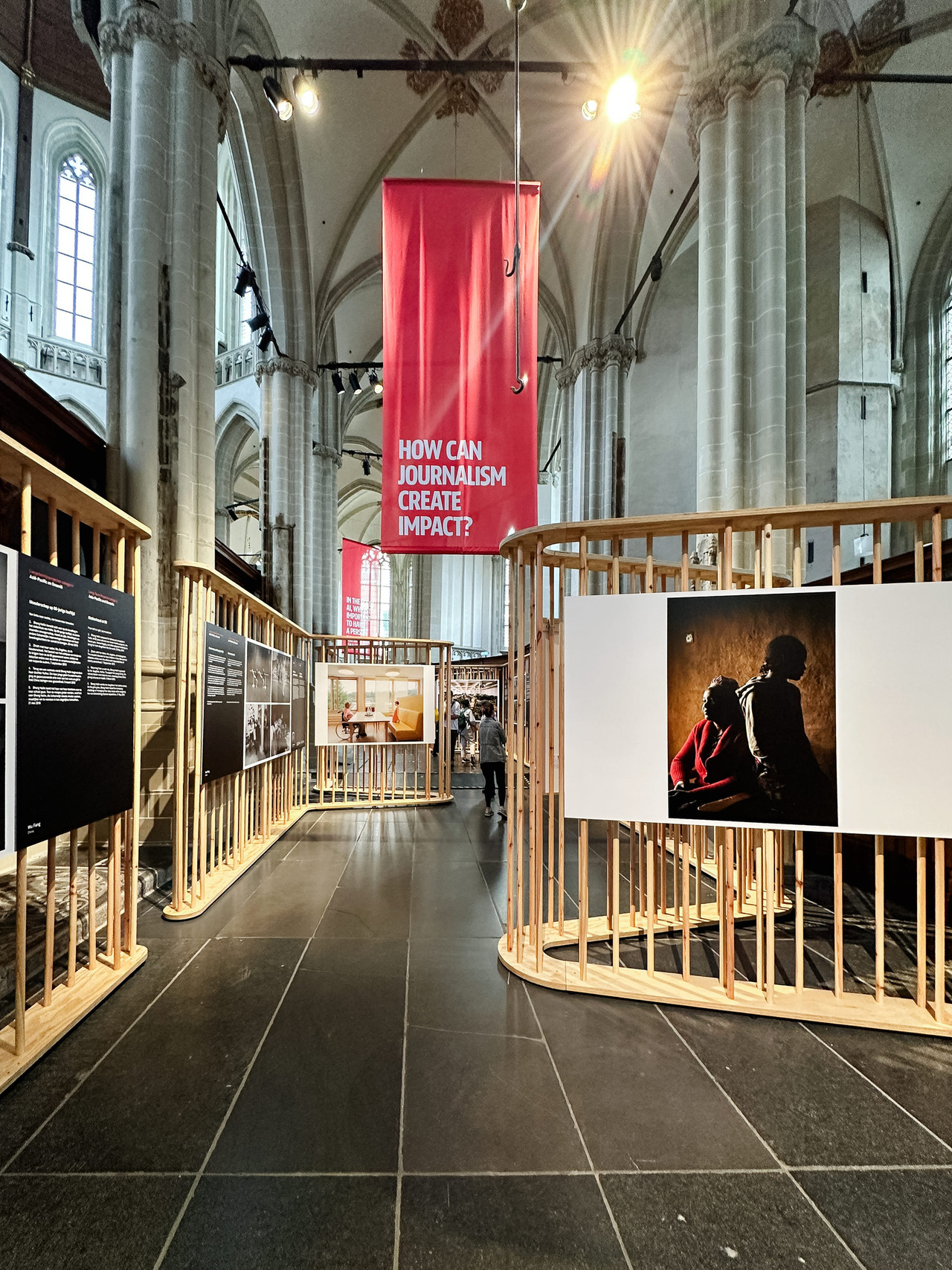
The exhibition closes by reminding visitors that behind every image is a photographer who chose to bear witness. Reporting on conflict, disasters, and humanitarian crises comes with a high emotional cost. Studies have shown rates of post-traumatic stress, anxiety, and depression among conflict journalists comparable to those experienced by combat veterans.
As photographers, we often talk about cameras, lenses, and technique. This exhibition reminded me that photography is also about responsibility to tell the truth, preserve trust, witness what others may never see, and remember that every photograph begins with a human being standing behind the camera and another human being standing in front of it.
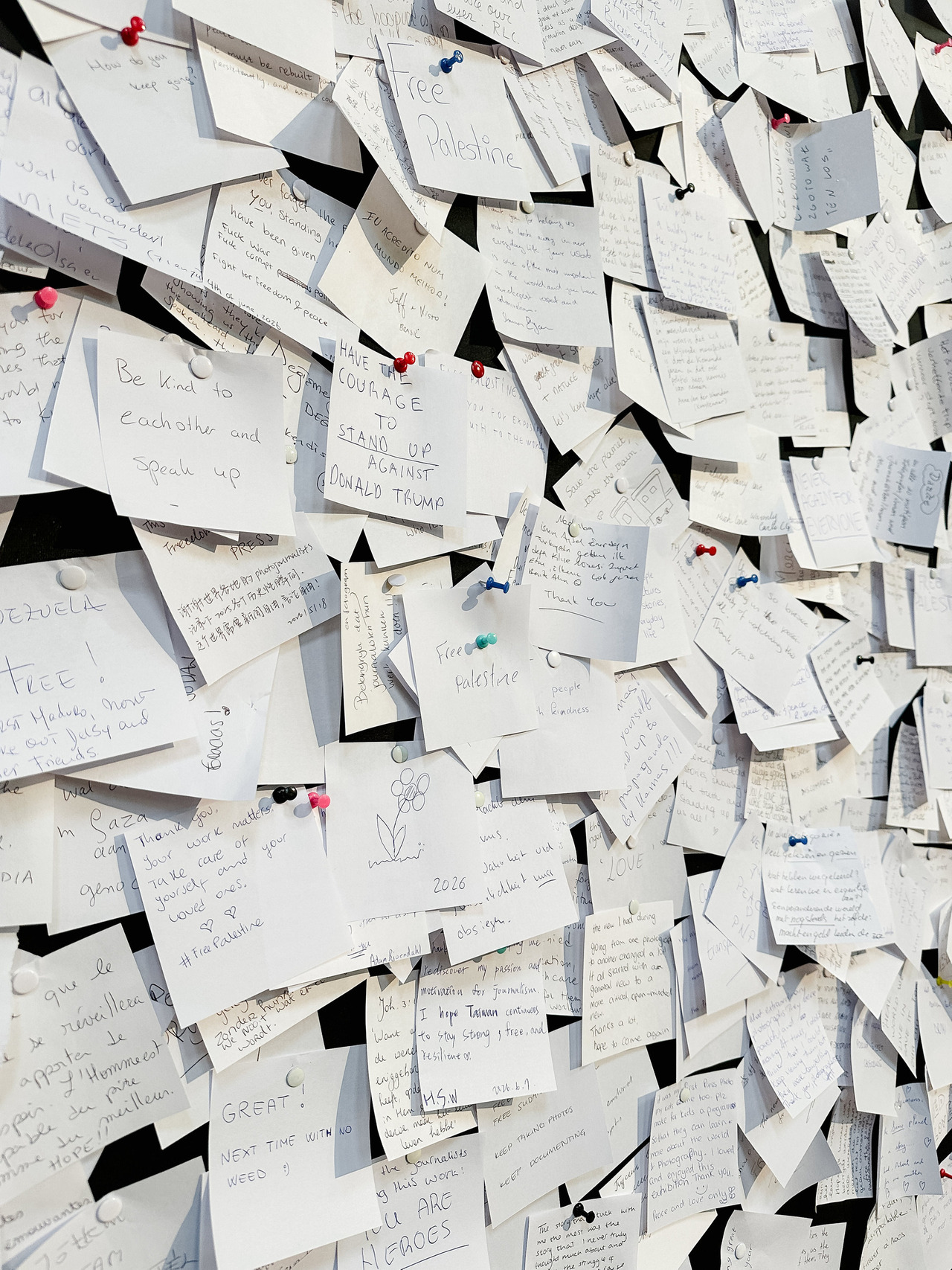
When I left the exhibition, I wasn't thinking about the photographs I liked the most; I was thinking about the stories I would remember.
The exhibition will stay at De Nieuwe Kerk until September 27th, 2026.
Until next time in Amsterdam,
Joanna