
Sometimes we choose a destination for the smallest reasons.
For me, Middelburg began with two simple ideas. The first was a small pack of vintage photographs I had bought years ago at the Friday market in Amsterdam. I can no longer remember what was in those photographs, only that they left me with the feeling that one day I should visit the city myself. The second reason was much easier to explain. A few years ago, I travelled to Zeeland to collect oysters, and although I barely knew anything about the region, I remembered two things very clearly: the connection with the sea and how much I had enjoyed the seafood. When I found a free Tuesday in my calendar, those two memories quietly came together, and Middelburg suddenly became the obvious destination.
The train journey from Amsterdam takes almost three hours, and I have to admit that I enjoy destinations that aren't just around the corner. There is something satisfying about watching the landscape slowly change through the window, leaving the familiar behind and feeling that you are genuinely travelling somewhere else. By the time I arrived in Middelburg, the city already felt different from the places I had explored before, even though I couldn't yet explain why.
Like many of my trips, the day didn't begin with sightseeing but with coffee. I found a café called De Juf, ordered a flat white and a slice of cake, and sat by the window while the city slowly woke up around me. Cyclists passed by, a few shop owners prepared for the day ahead, and there was no sense of urgency. I had planned to spend the morning recreating those old vintage photographs that had inspired the journey in the first place, but halfway through breakfast I realised they were still sitting at home. For a moment I laughed at myself. Then I closed Google Maps, opened it again, and decided that perhaps this was exactly how the day was supposed to begin. Those photographs had already done their job. They had brought me to Middelburg. The rest of the story was mine to discover.
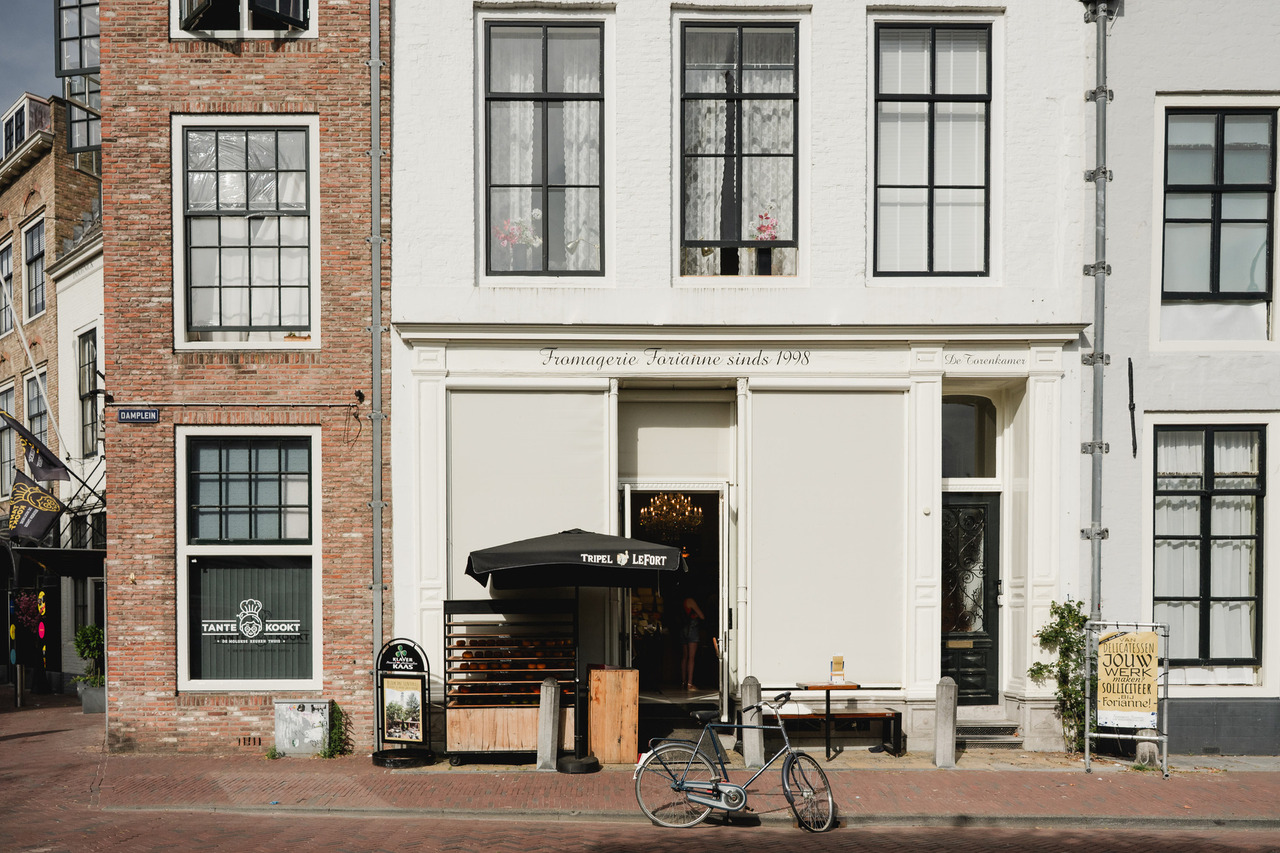
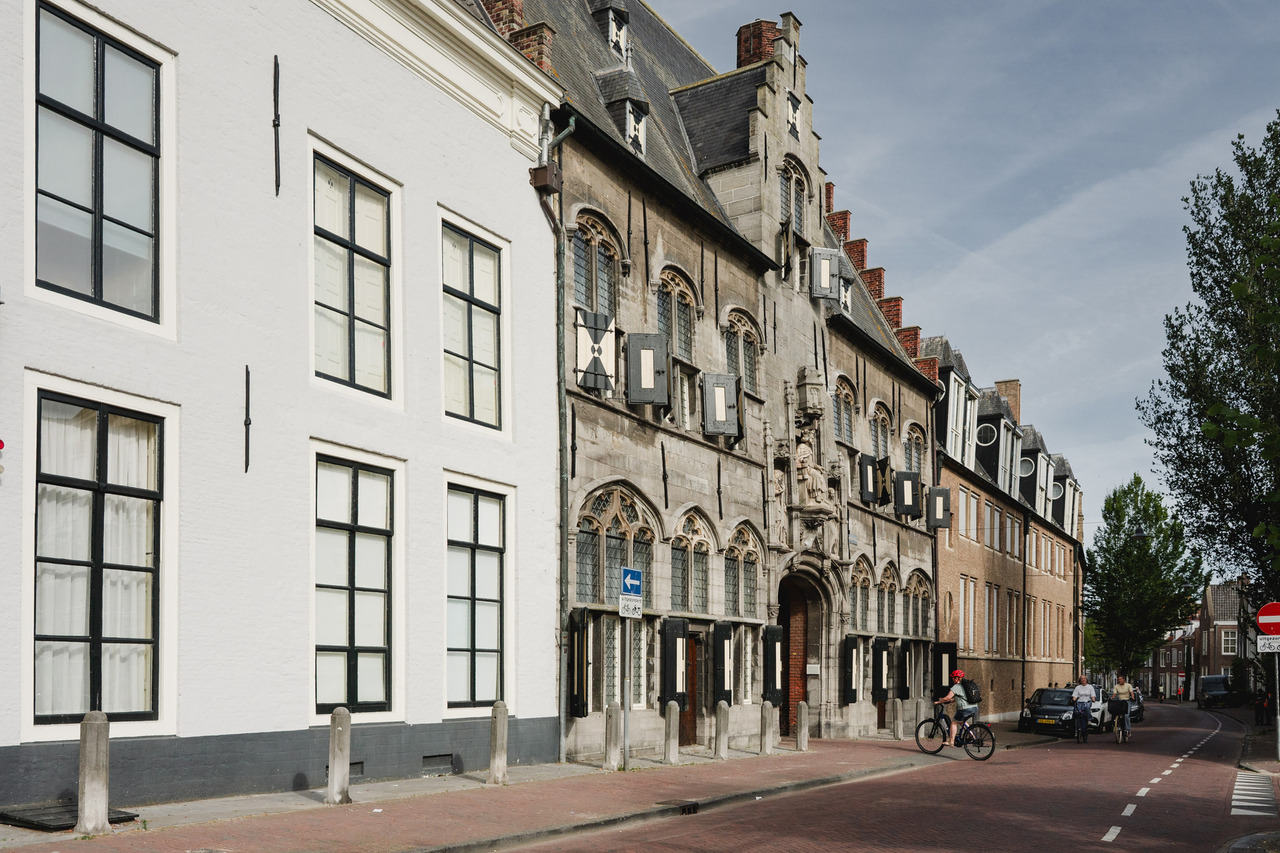
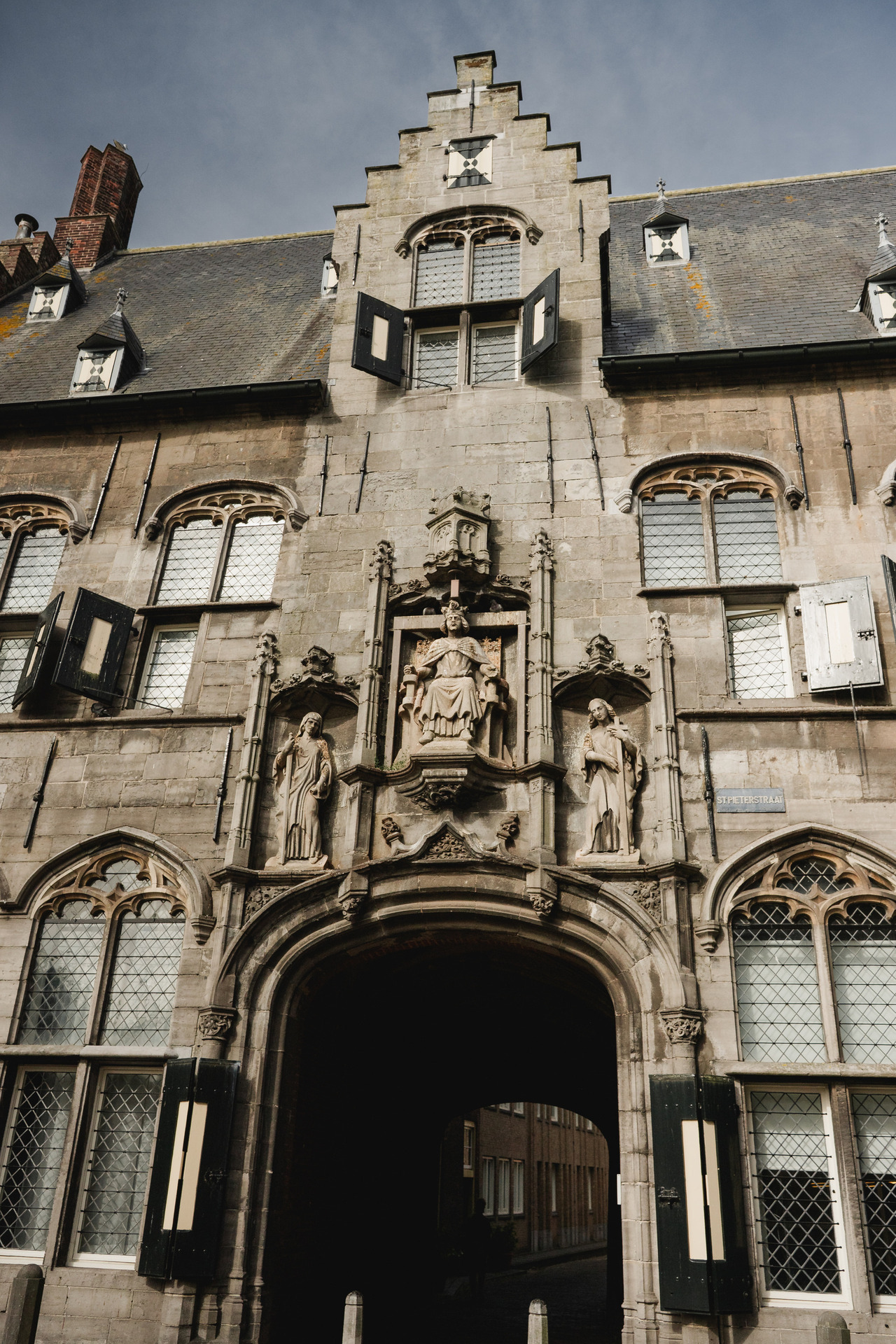
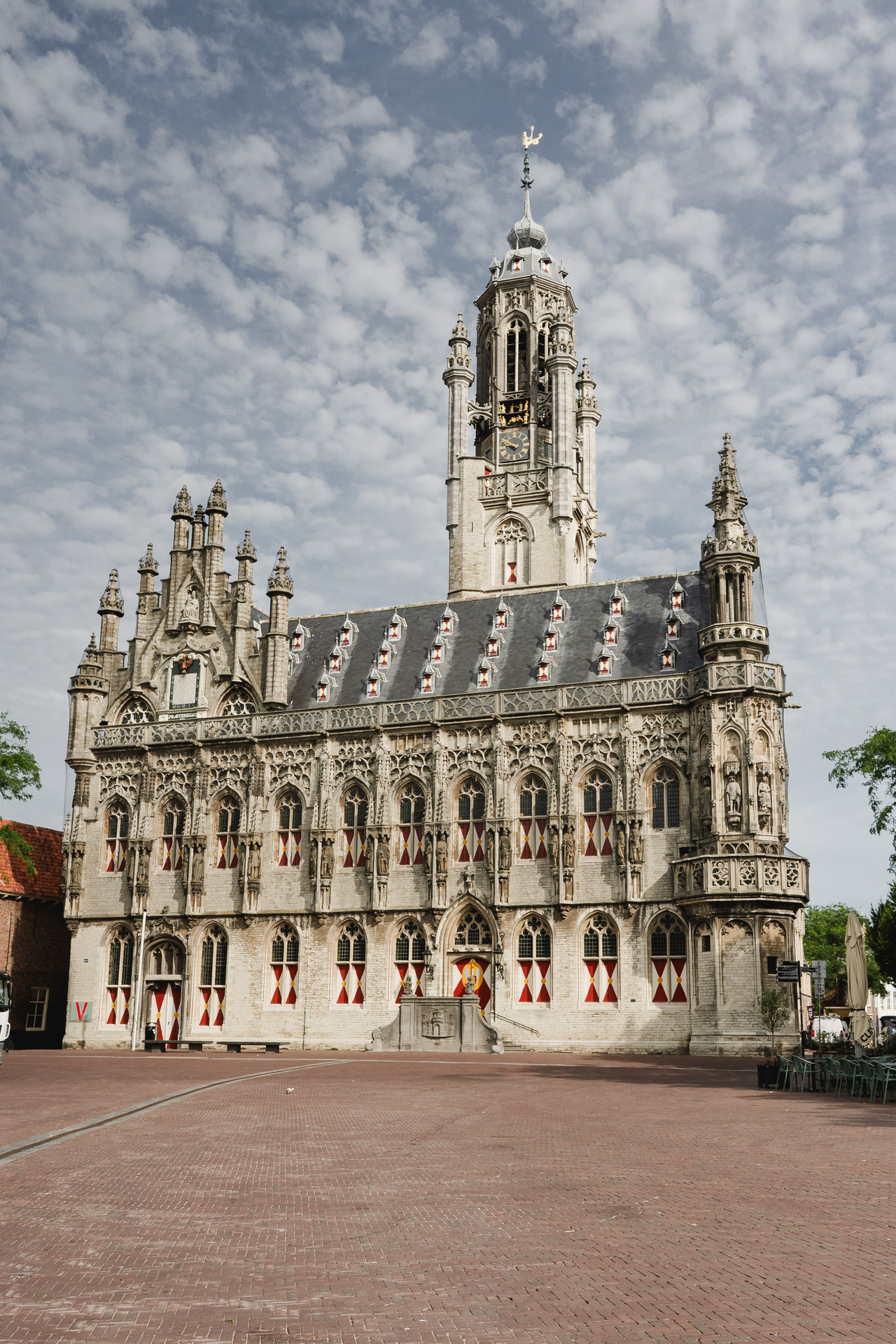
As I wandered through the quiet streets, I realised how peaceful the city felt in the early morning. Most of the shops were still closed, the Abbey stood almost silently in the centre, and every now and then a small detail interrupted my walk.
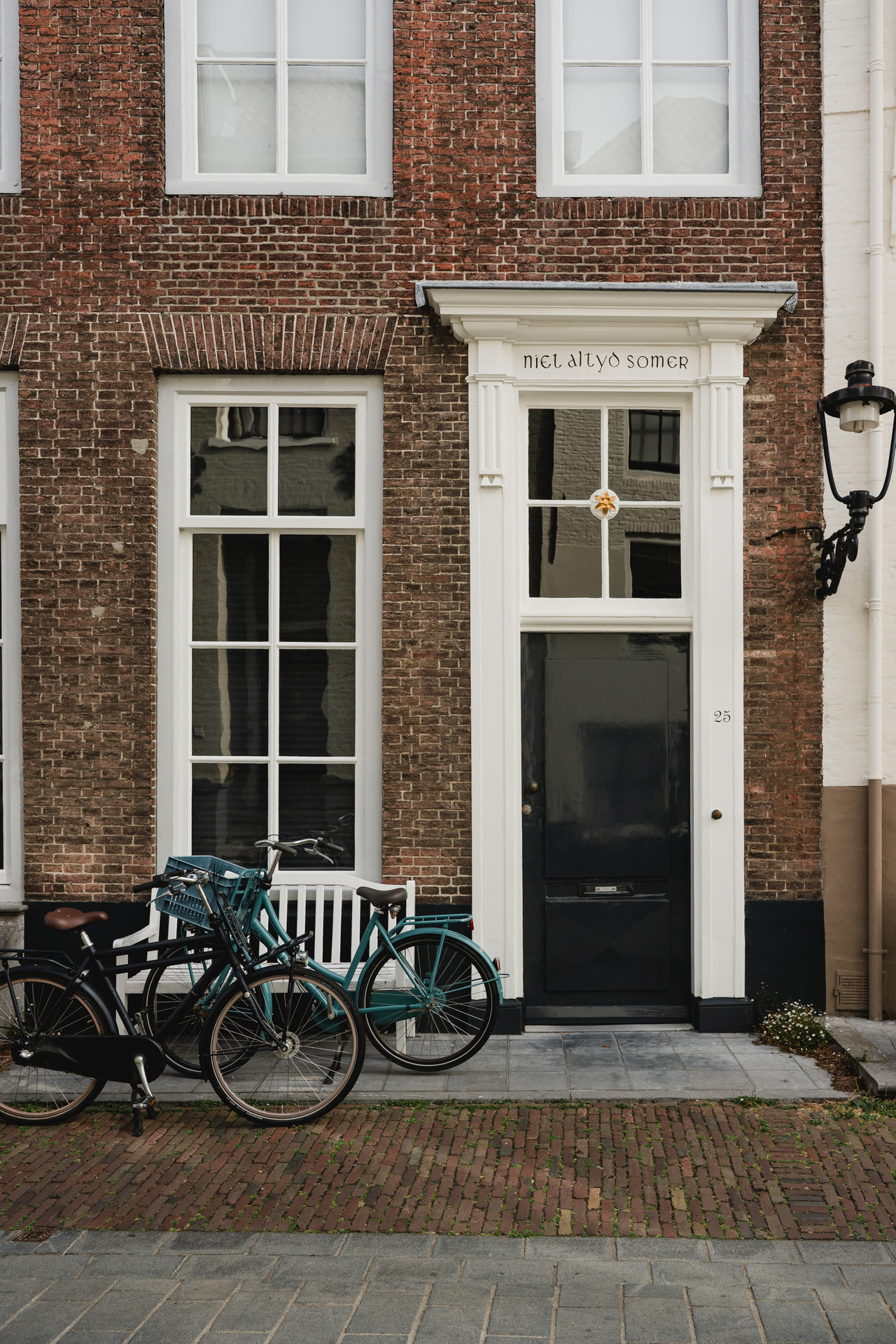
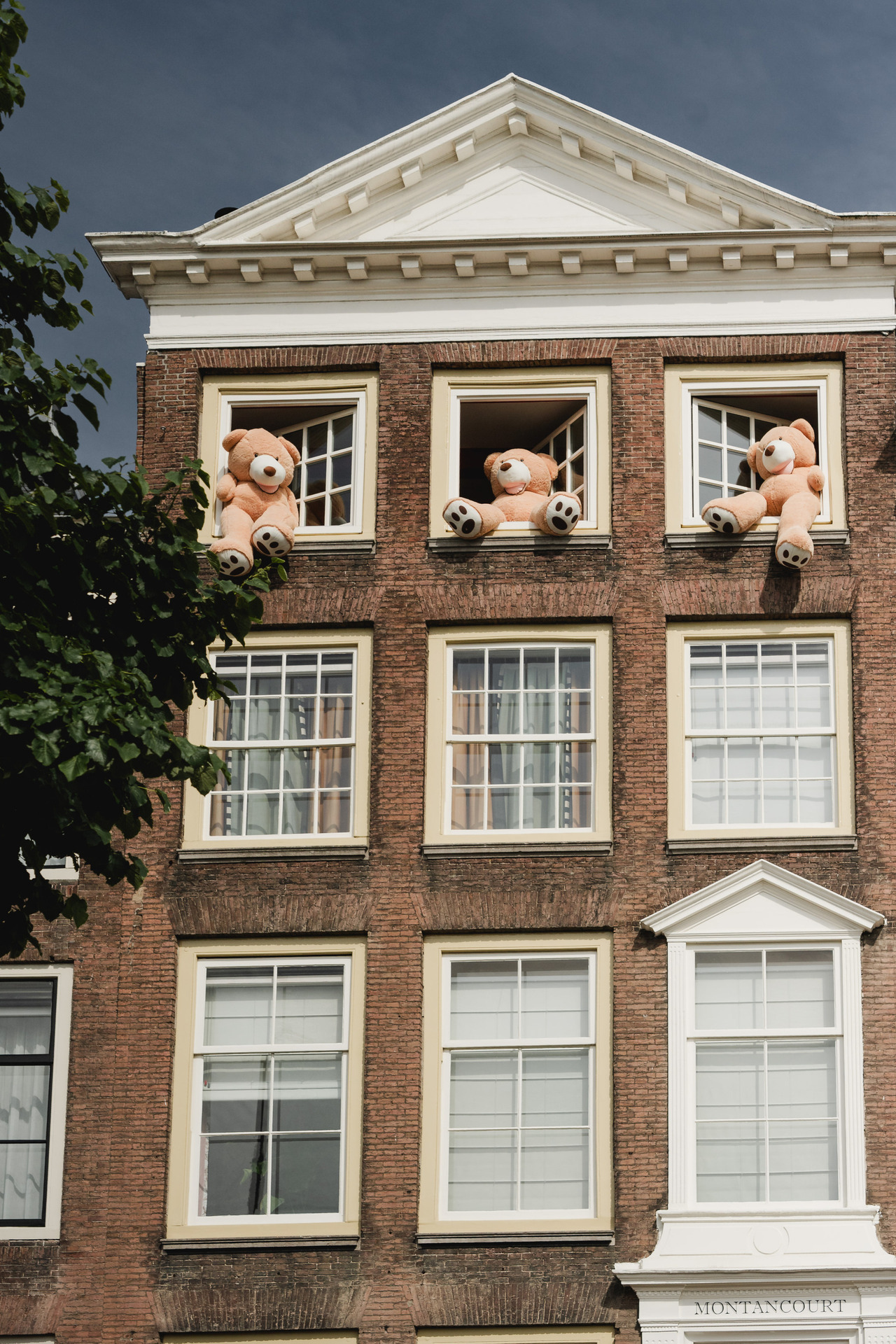
Above one doorway I noticed the words Niet altijd somer. Not always summer. I have no particular reason for remembering those words, yet they stayed with me for the rest of the day. A few minutes later I found three enormous teddy bears looking out from the windows of a bed and breakfast while the owner carried two more outside. Moments like these always remind me why I enjoy travelling without following a strict itinerary. You never know whether the next corner will offer a centuries-old inscription or a row of oversized teddy bears.
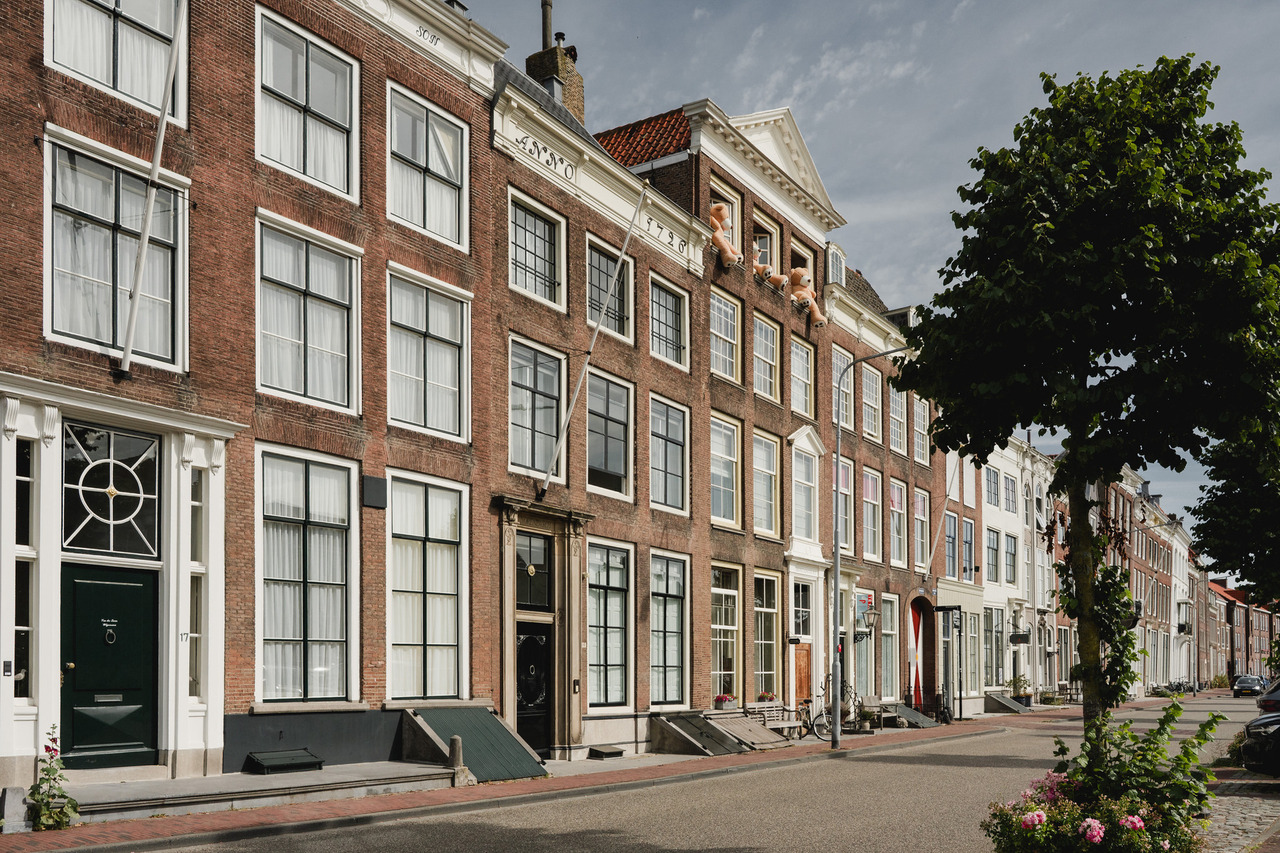
Then I arrived at Kuiperspoort.
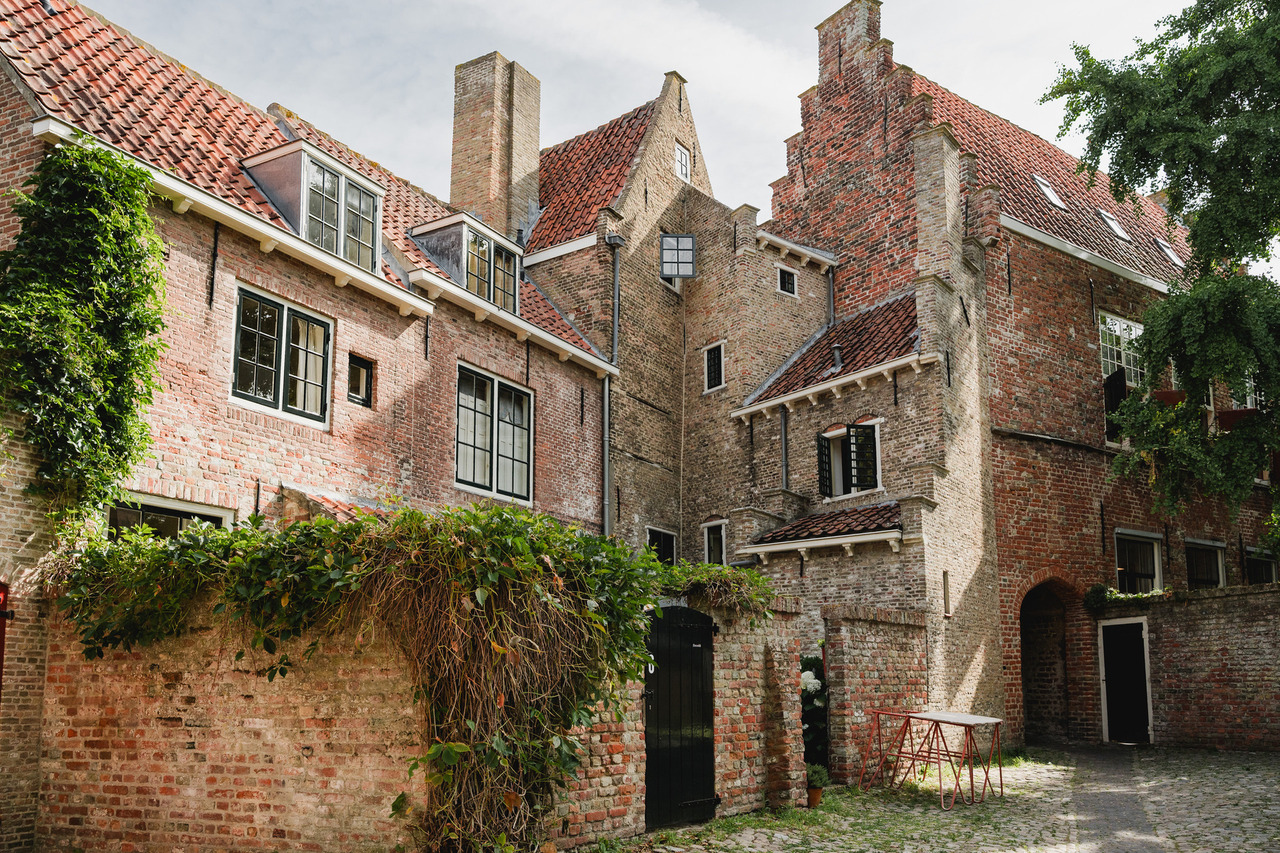
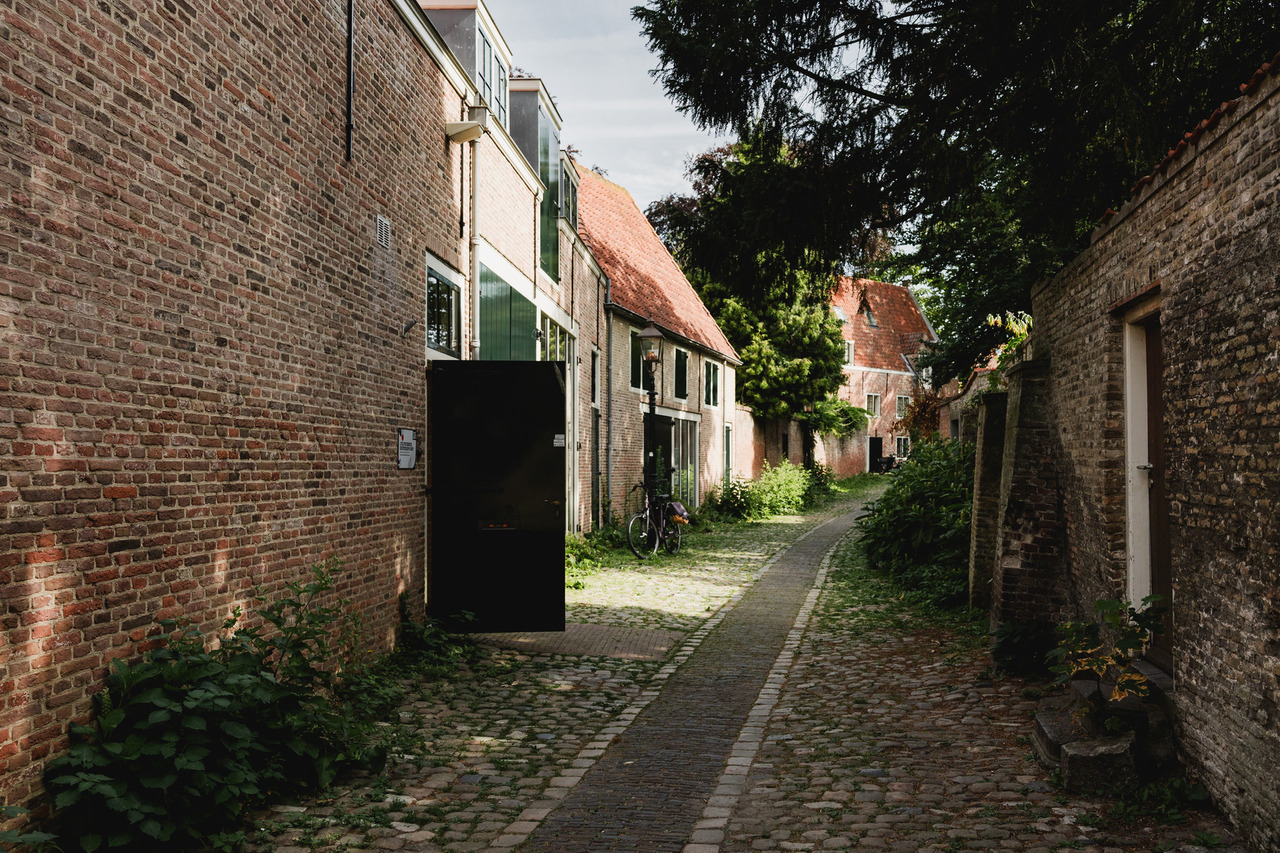
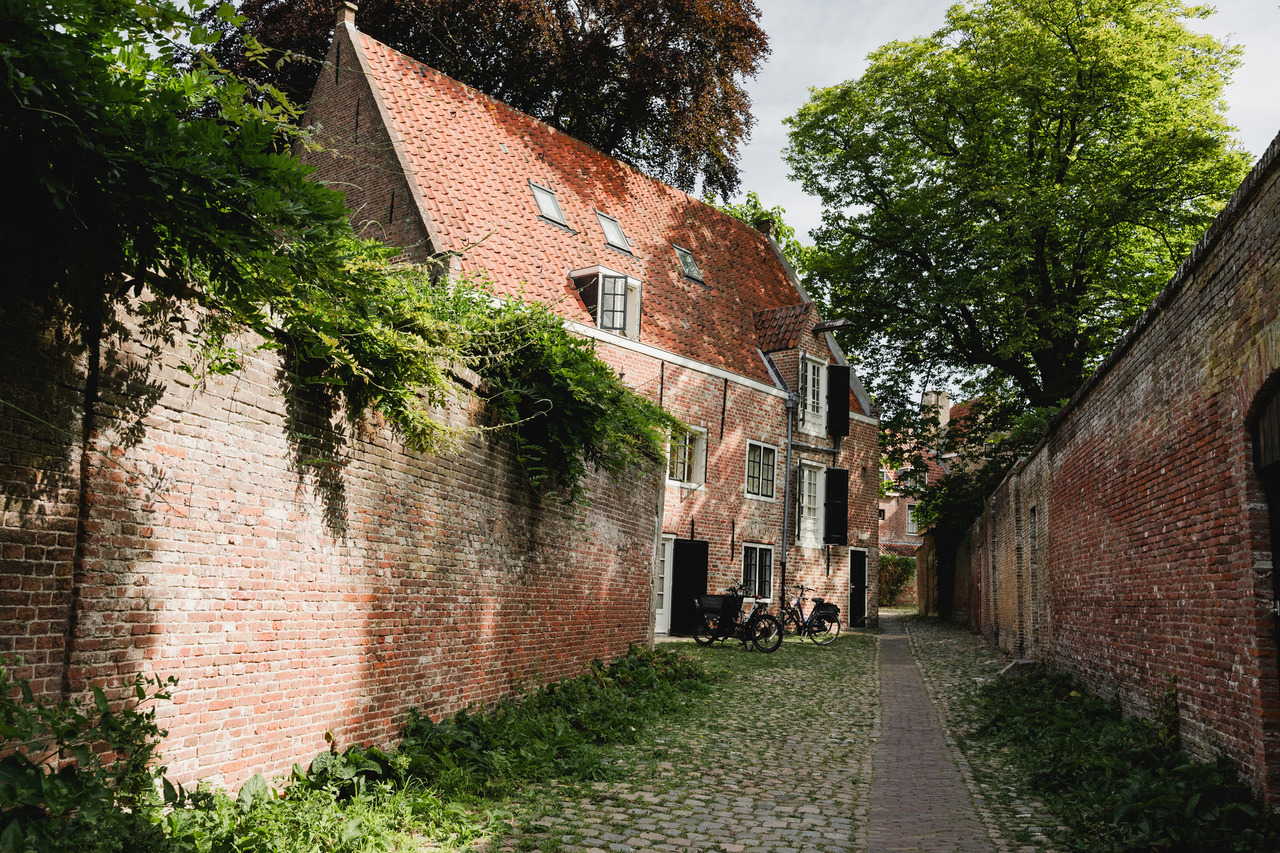
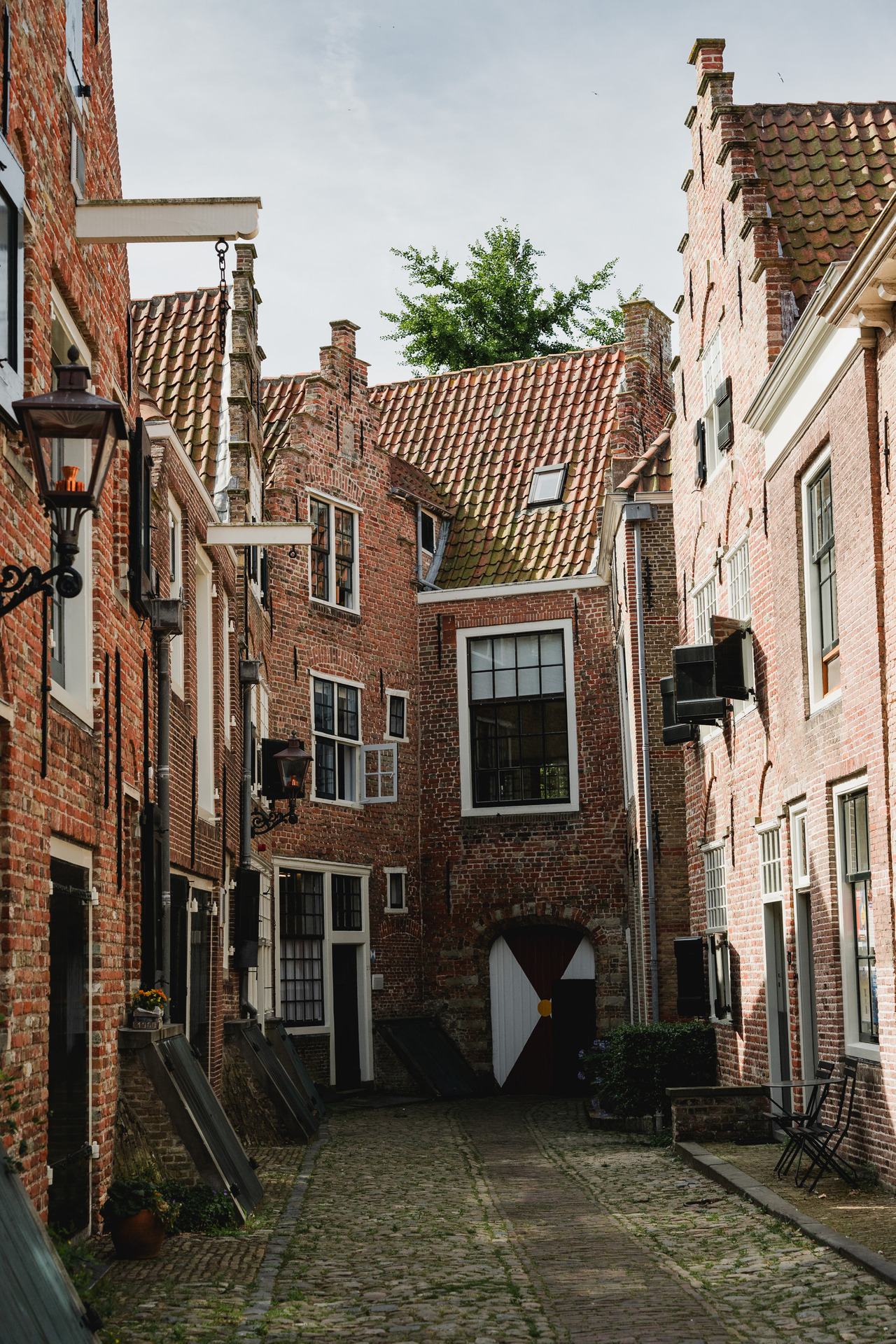
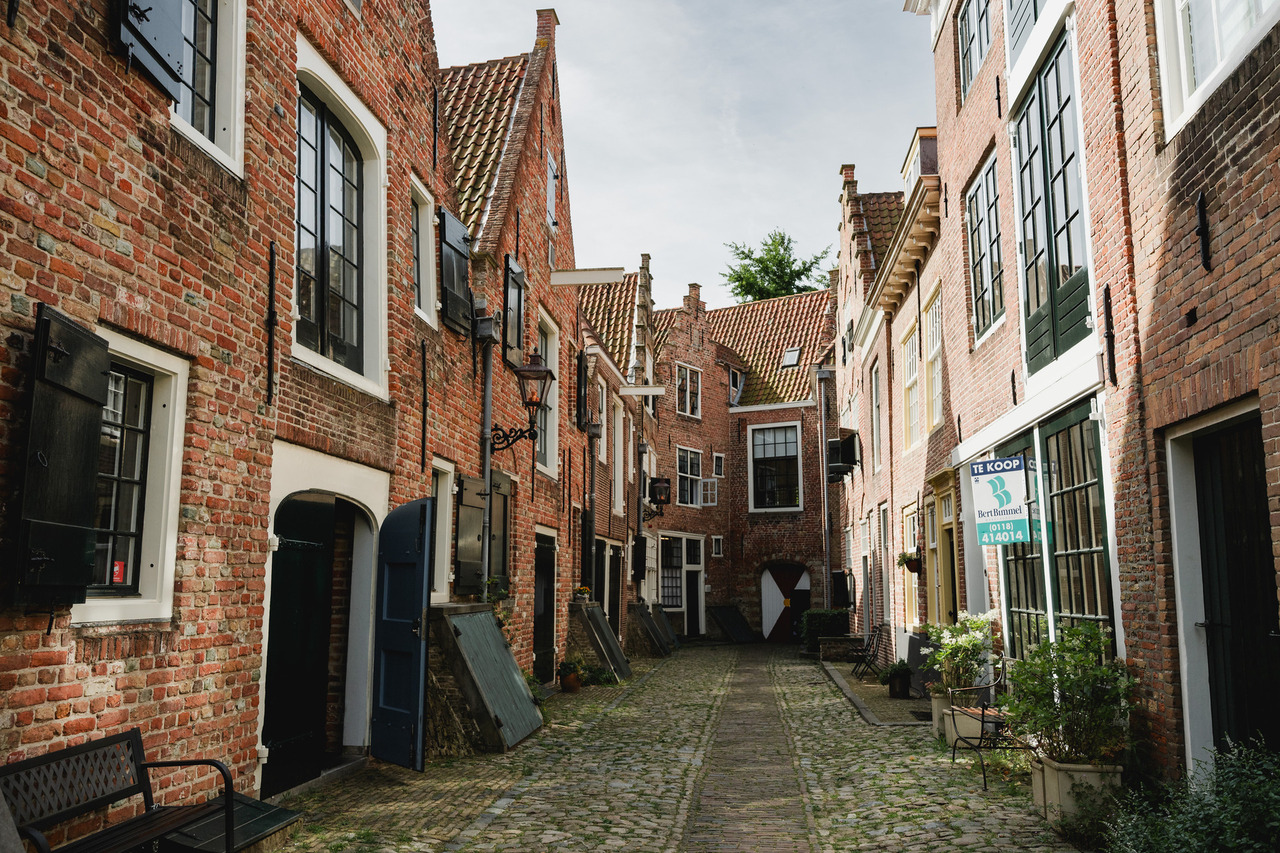
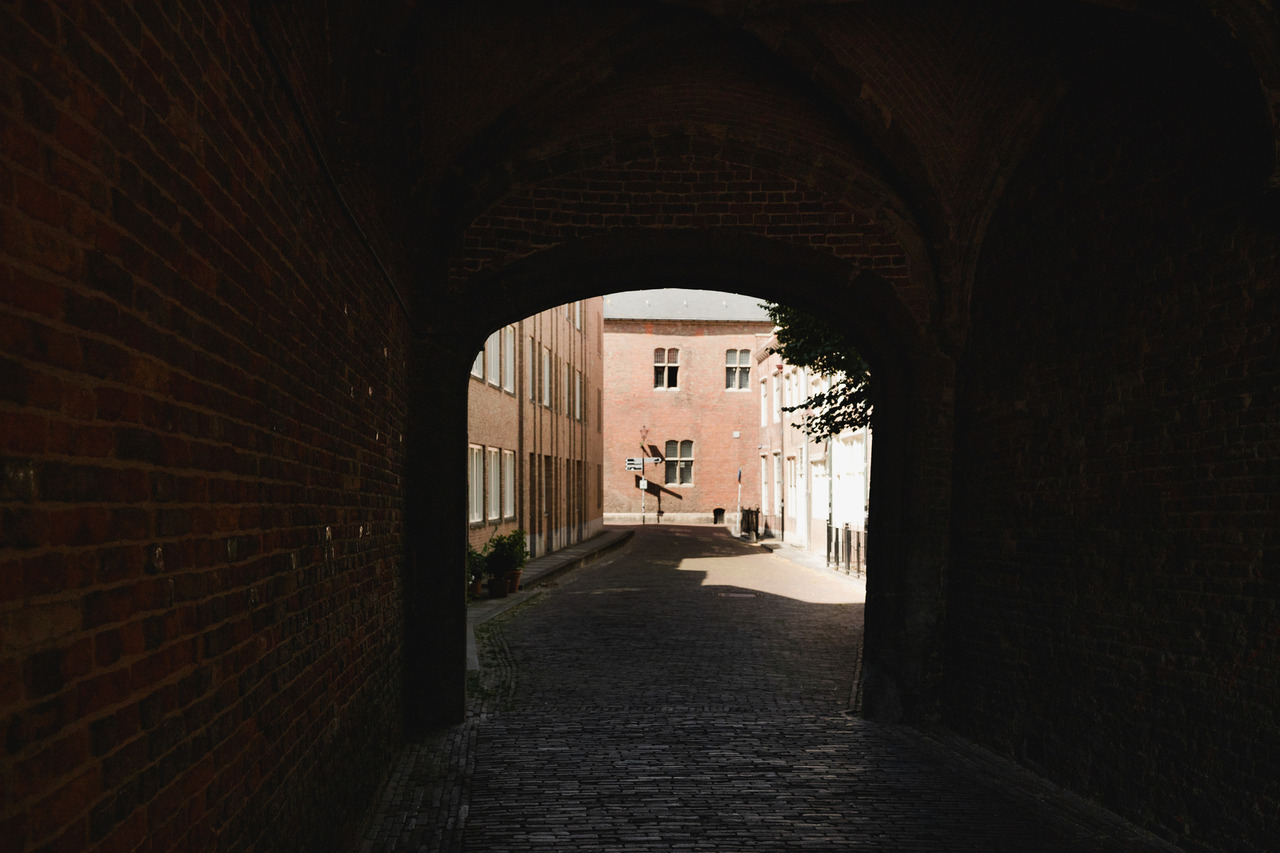
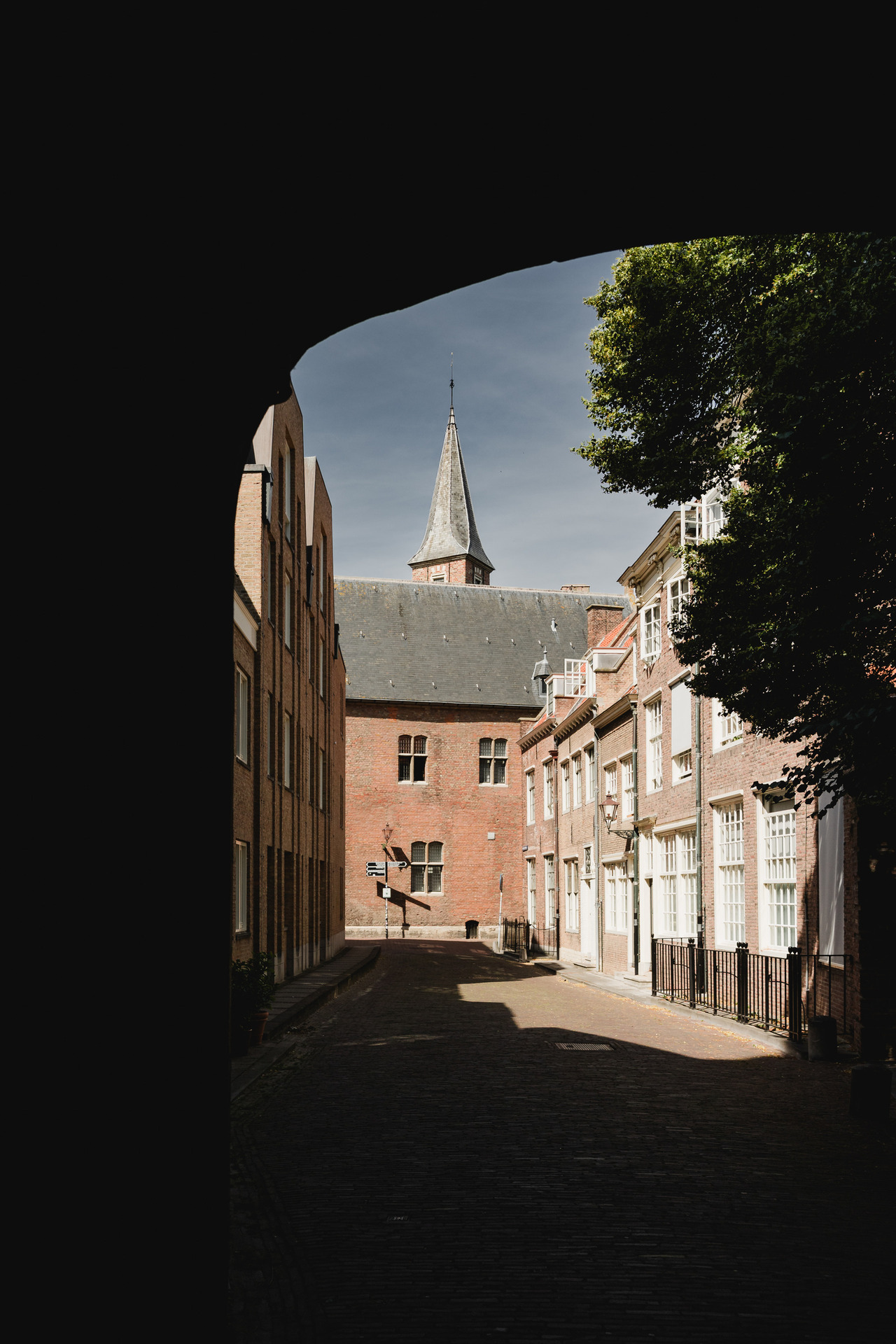
At first it didn't feel like a famous attraction at all. It felt like walking into someone's neighbourhood. The large wooden gate gave way to a narrow street lined with old houses, open doors and tiny architectural details that immediately slowed my pace. Two elderly women were chatting outside their homes while music drifted through the street from what I later discovered was a music school. I don't think I have ever walked through a place quite like it. There was no need to rush because every few metres another doorway, another brick façade or another beam of light made me stop again.
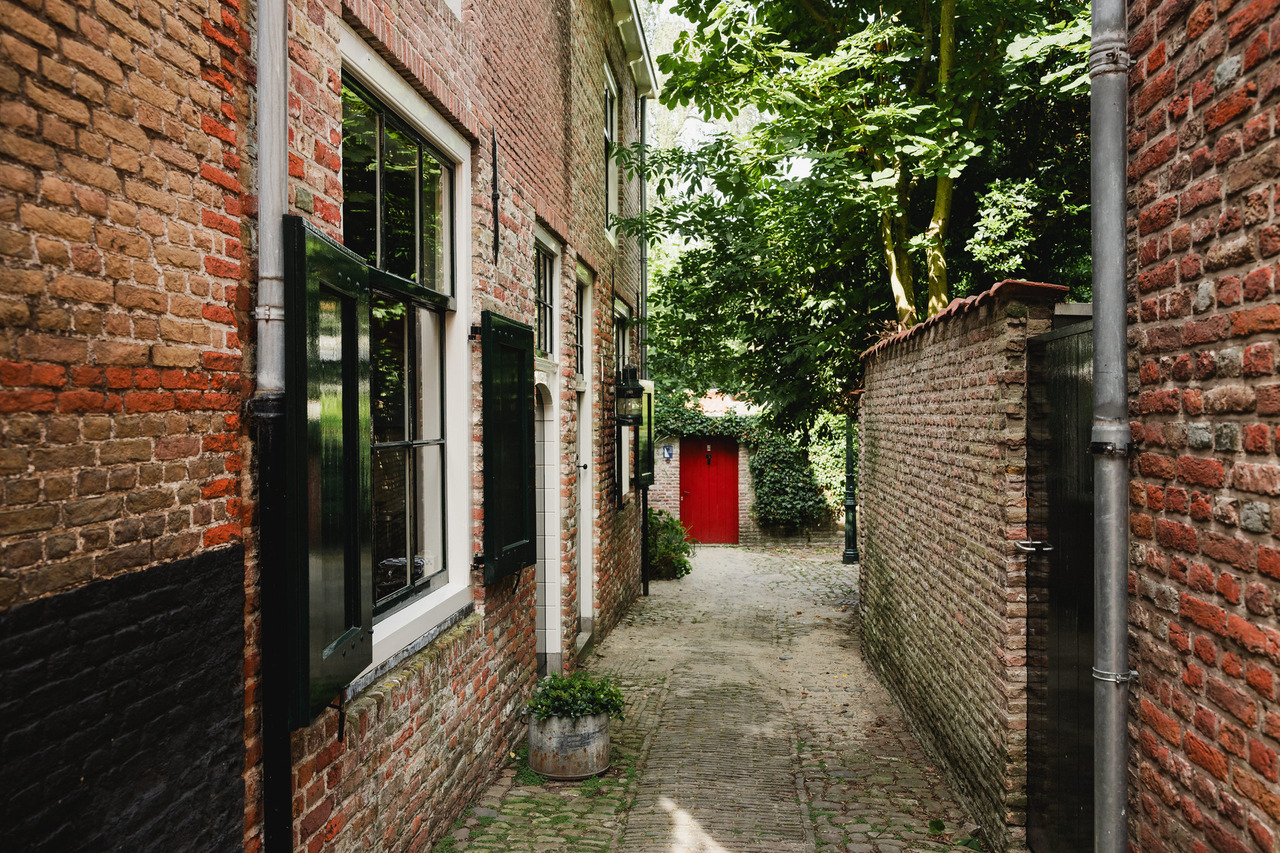
Only afterwards did I learn that kuiper means cooper, the craftsmen who made the wooden barrels that transported wine, grain, spices and countless other goods across Europe. Suddenly the street became much more than beautiful. It quietly explained why Middelburg had once been such an important trading city, and for the first time that morning I realised I wasn't only interested in seeing the city anymore. I wanted to understand how it had become what it is today.
When I reached the end of Kuiperspoort, I found a bench and sat there for a while. I wanted to pause and remember how that place had made me feel. As a photographer, I couldn't stop imagining bringing couples there one day. I could already picture them walking hand in hand beneath those centuries-old façades while the city quietly carried on around them. Some places are beautiful because of what they look like. Others are beautiful because they immediately fill your imagination with possibilities. Kuiperspoort somehow managed to do both.
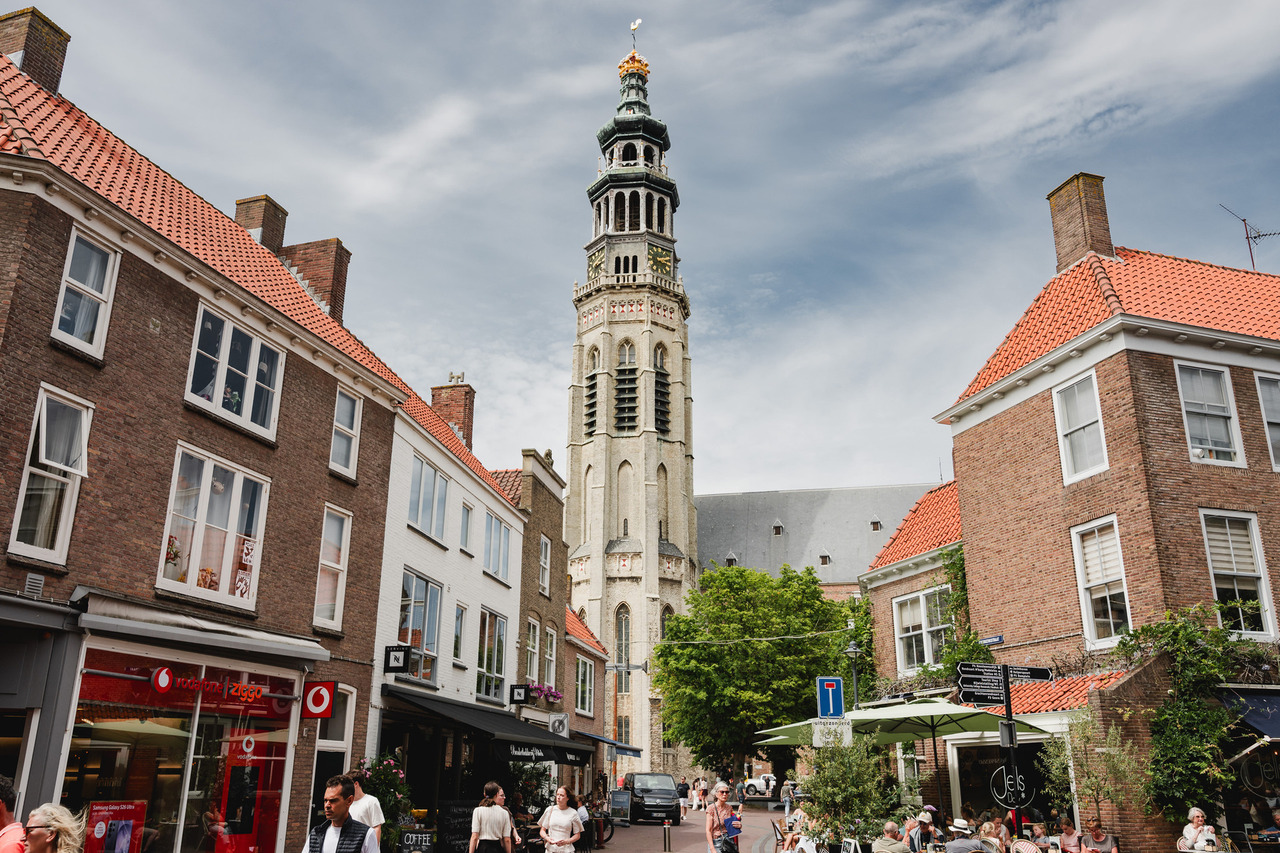
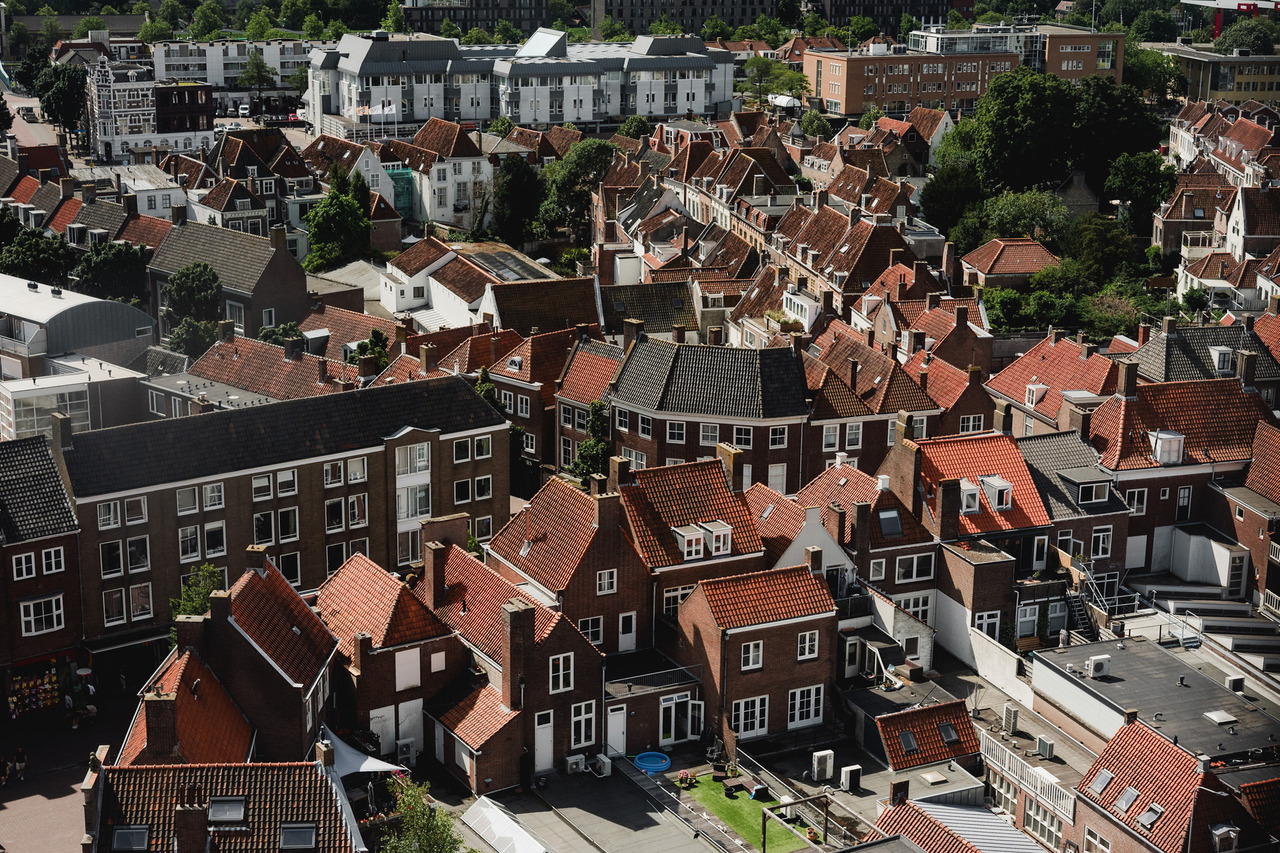
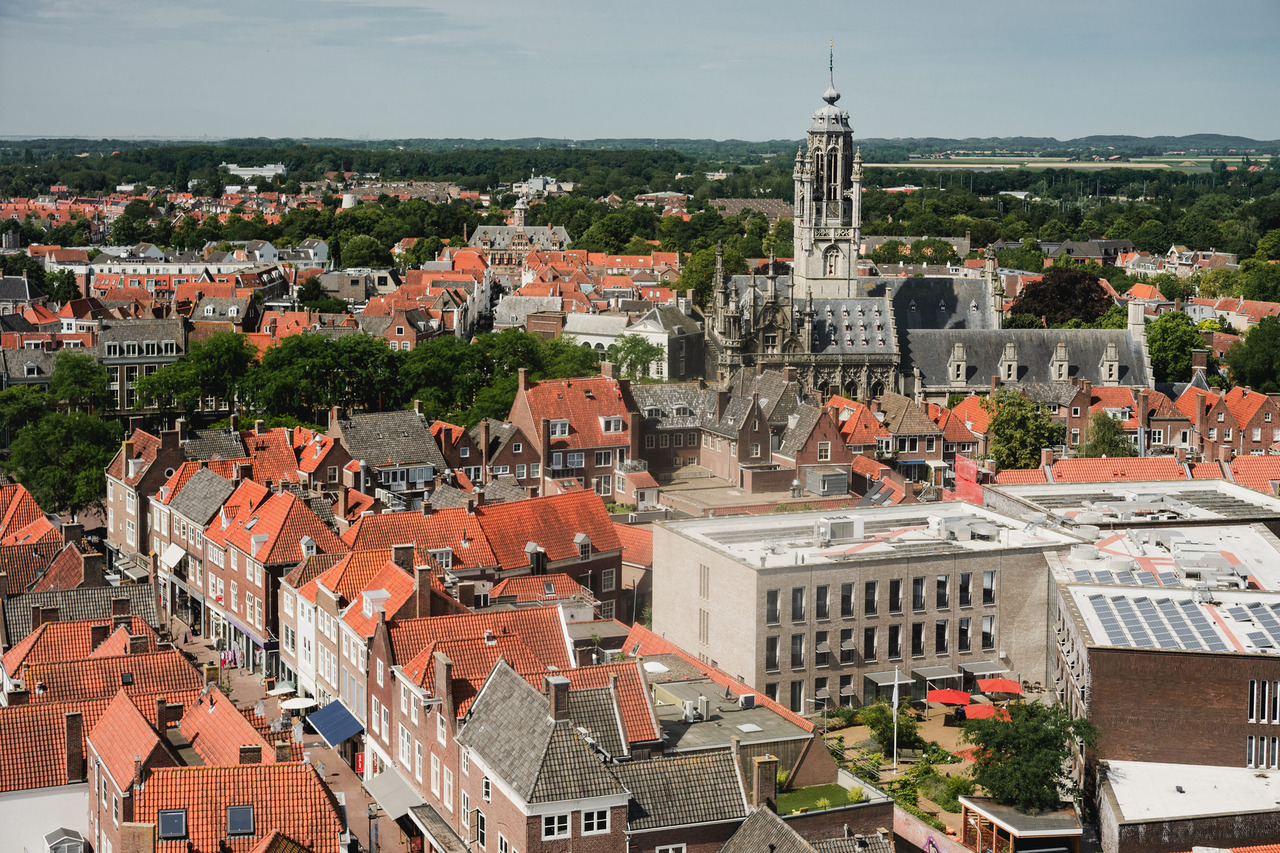
That feeling stayed with me for the rest of the afternoon. I climbed the 270 steps of Lange Jan almost on impulse, simply because I was curious to see the city from above. Standing at the top, Middelburg suddenly made much more sense. From there I could finally understand its relationship with the surrounding landscape and the water that has shaped Zeeland for centuries. I loved discovering that birds return every year to nest in the tower and that even the flags are removed during nesting season so they can do so undisturbed. History and nature somehow seemed to share the same space without competing for attention.
Before continuing to the museum, I wandered into a small bookshop hidden inside the Abbey. Without thinking too much, I found myself looking for books about the sea. It struck me that photographs are not the only souvenirs I like to bring home anymore. Sometimes a book can preserve something a photograph never could. It allows the journey to continue long after you've returned home.
The Zeeuws Museum surprised me more than anything else that day. I expected a museum dedicated mainly to the history of Zeeland, but instead I found a place that constantly invited me to ask questions. One exhibition explored our relationship with possessions and the stories they tell long after we are gone. Another immersed visitors in the connection between land, water and identity. The permanent collection, with its extraordinary shell tapestries, paintings and carefully curated cabinets, never felt like a sequence of objects behind glass. Every room seemed designed to create a different emotion, encouraging visitors to slow down rather than simply move on to the next display.
One sentence followed me long after I had left the museum: Property wasn't something to hold on to, but a means to create a better world. I don't think the best museums exist simply to teach us facts. The ones I remember most are the ones that quietly change the questions I ask myself. I walked out nearly three hours later feeling inspired, surprised and already hoping that more regional museums in the Netherlands would challenge visitors in the same way.
By then I was hungry, and for once the decision about lunch felt wonderfully easy. If there is one thing I associated with Zeeland before arriving, it was seafood, and I wasn't about to leave without enjoying it properly. There were plenty of casual fish restaurants around the city, but I decided to order a large seafood platter that was clearly intended for two people. Travelling alone has a freedom of its own. You can spend three hours inside a museum without worrying about anyone else's schedule, order exactly what you feel like eating and linger over lunch simply because you're enjoying the moment. Looking back, I think that seafood platter became part of the experience just as much as the museums or the streets themselves.
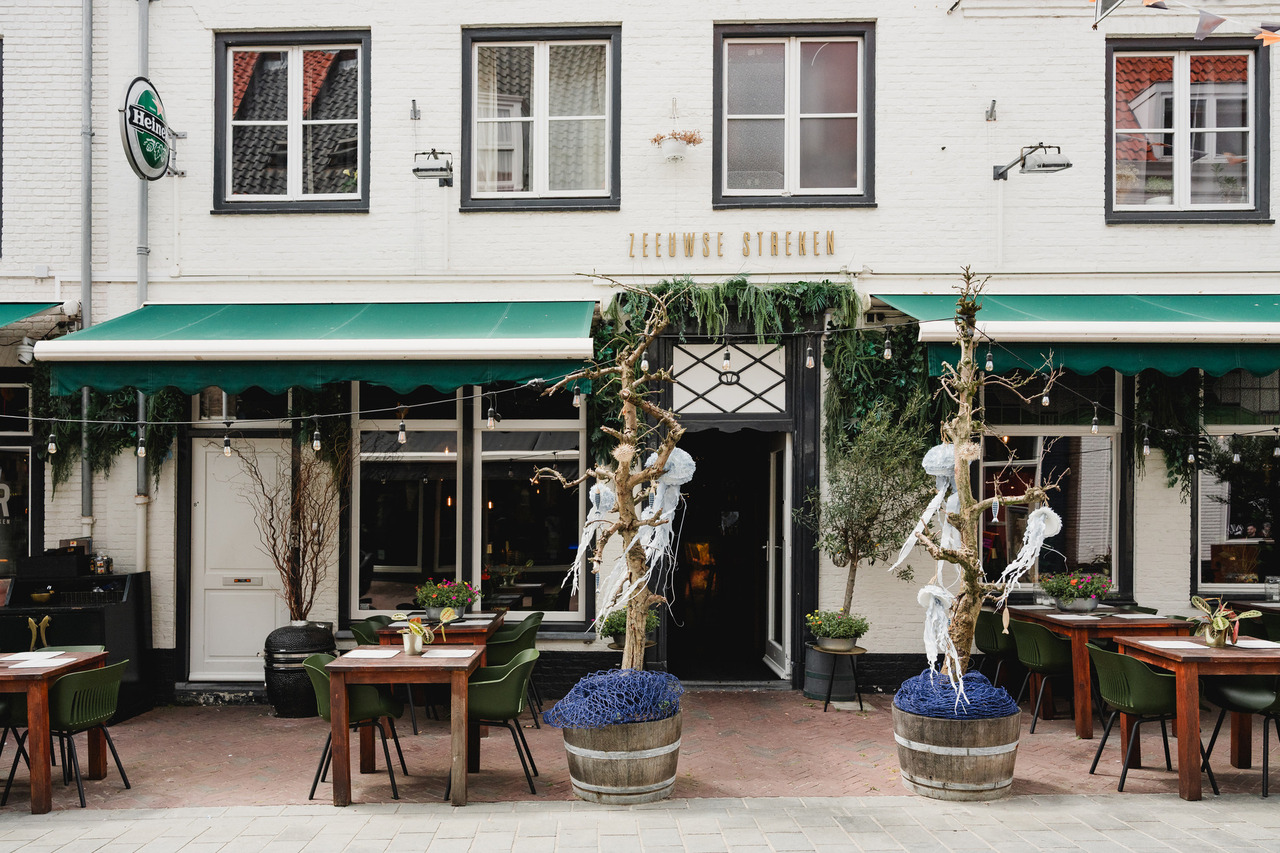
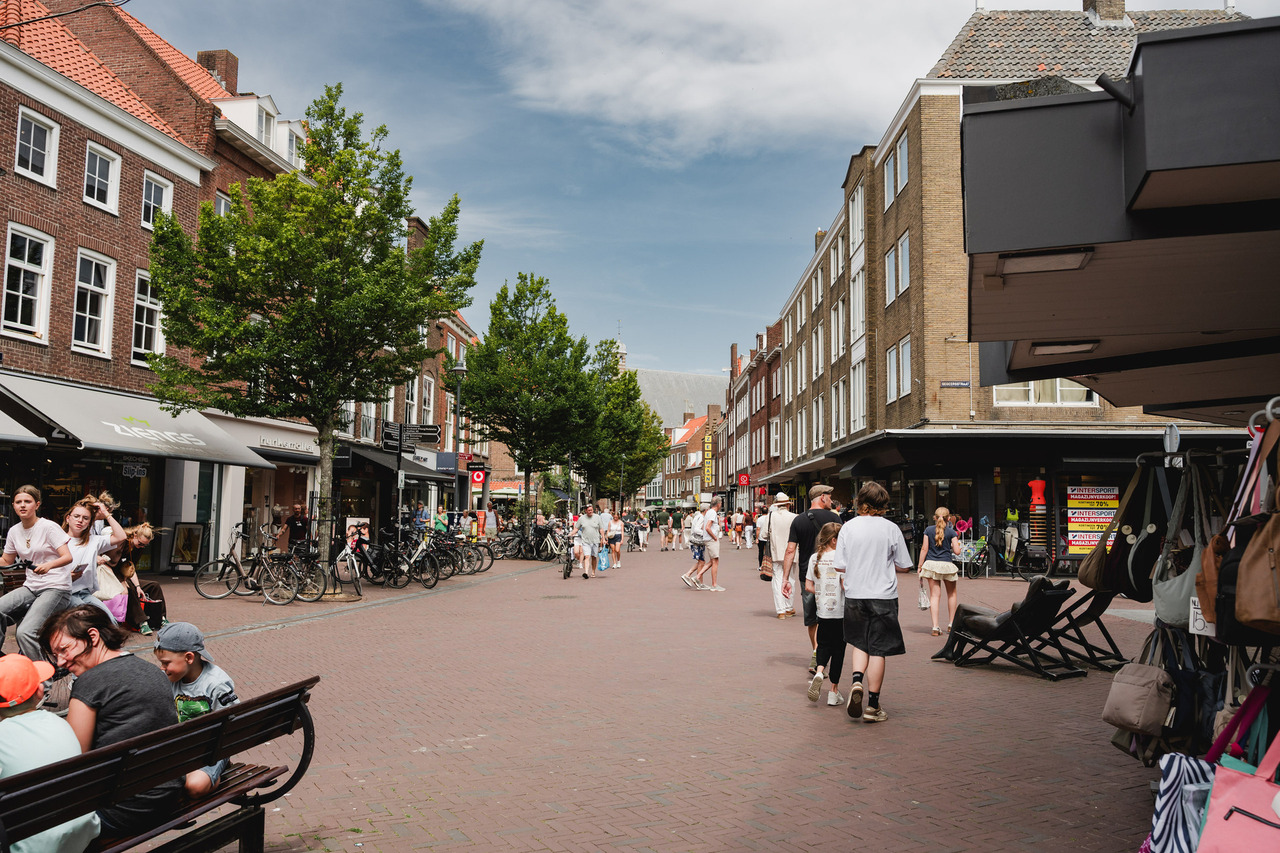
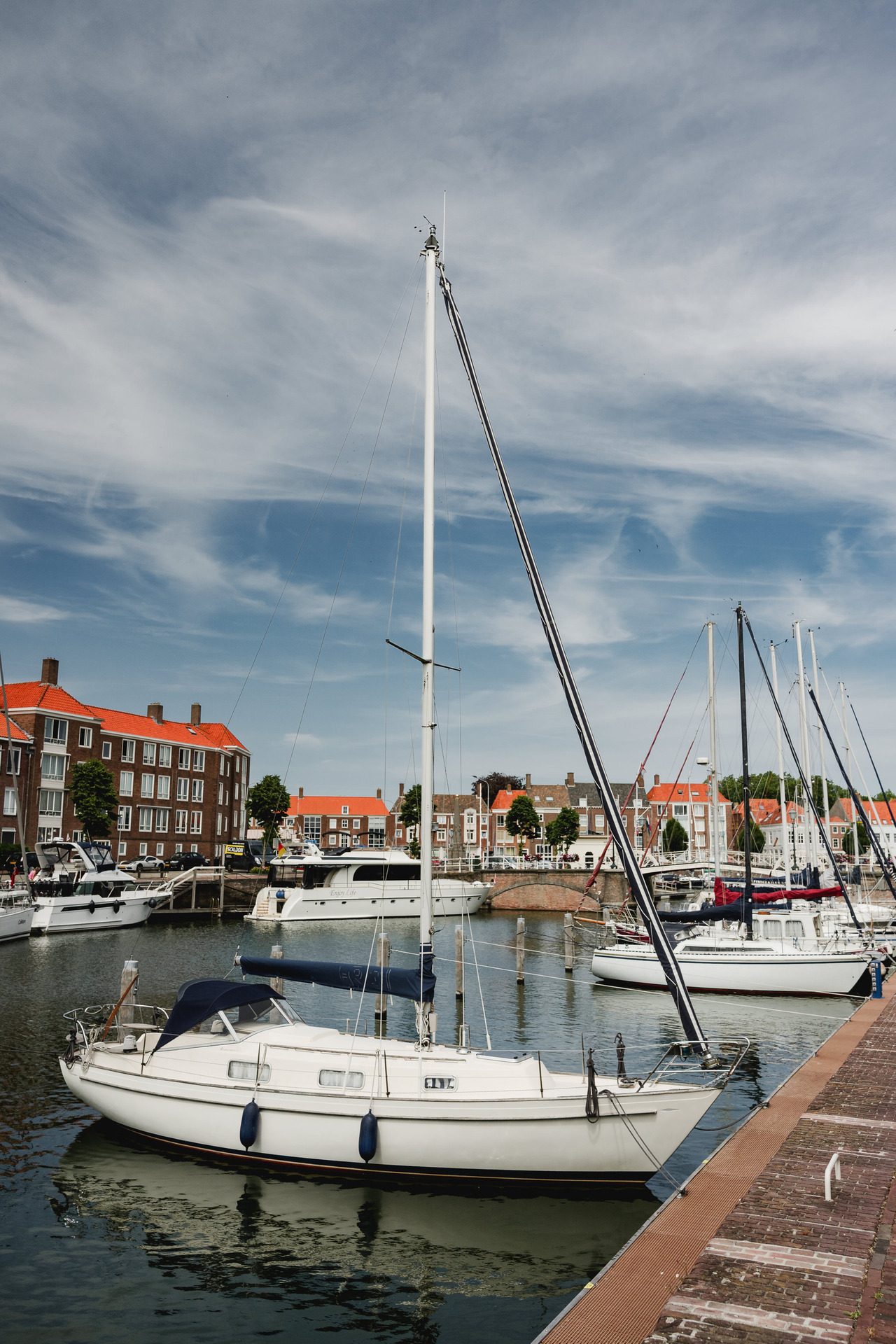
After lunch I wandered through the Markt and eventually made my way towards the harbour. Strangely, it wasn't the harbour that stayed with me. When I thought back on the day, my mind kept returning to Kuiperspoort, to the museum and to the small book about the sea that was now safely tucked into my backpack. I had come to Middelburg because I loved seafood and because an old pack of vintage photographs had quietly convinced me to visit. I left with something much more valuable: a deeper understanding of a city whose history is impossible to separate from the sea.
Every place begins as a point on a map. The longer I travel through the Netherlands, the more I realise that the places I remember most are the ones that teach me something I wasn't expecting to learn. Amersfoort reminded me that curiosity is enough to begin a journey. Middelburg taught me that curiosity is only the first step. If you stay a little longer, ask a few more questions and allow yourself to slow down, a city gradually reveals the stories that made it what it is today.
Until next time.
Joanna
Your Vacation Photographer in Amsterdam