

One of the most common statements about tulip season in the Netherlands is that tulips only bloom in mid to late April. This timing may apply to some agricultural tulip fields. However, Keukenhof operates very differently.
Keukenhof is not a production field.
It is a curated exhibition garden designed to evolve over eight weeks. Understanding this distinction completely changes how you plan your visit.
Fields vs. Show Gardens: A Crucial Difference
Agricultural tulip fields are grown for bulb production. To protect the strength of the bulb, flowers are often cut before reaching full maturity. Their bloom window is shorter and dictated by farming priorities.
Keukenhof, on the other hand, is a showcase garden. The bulbs are provided by growers and planted specifically for display rather than commercial harvest. The goal is not production: it is exhibition.
Because of this, the planting strategy, bloom timing, and maintenance approach are entirely different from what happens in agricultural fields.
The “Lasagna” Planting Method
One of the reasons Keukenhof remains vibrant from March through May is a layered planting technique often called the “lasagna method.”
In a single flower bed, multiple types of bulbs are planted at different depths:
• Early bloomers such as crocus and daffodils
• Mid-season tulips
• Late tulip varieties
As the first layer finishes blooming, the next layer rises. This method ensures that the same flower bed transforms multiple times throughout the season rather than peaking once and fading.
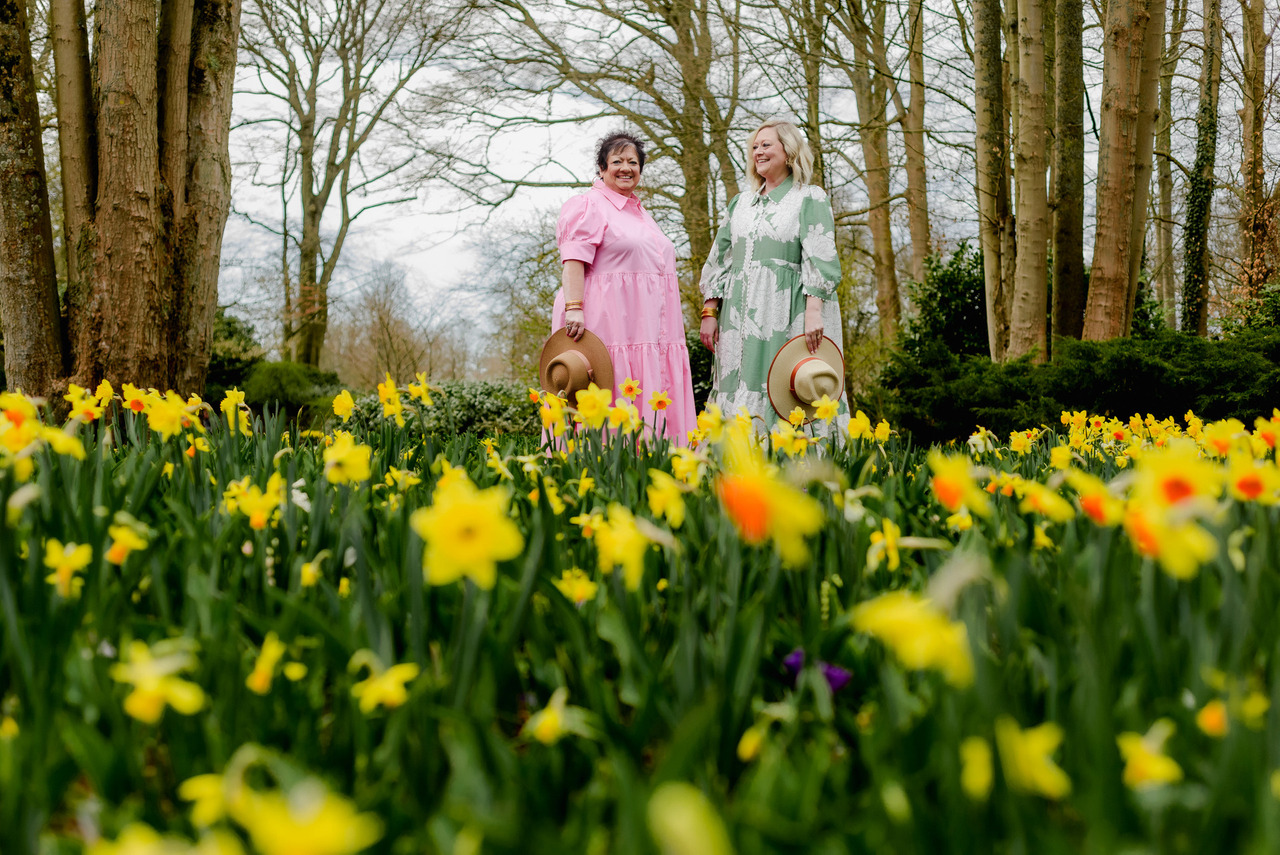
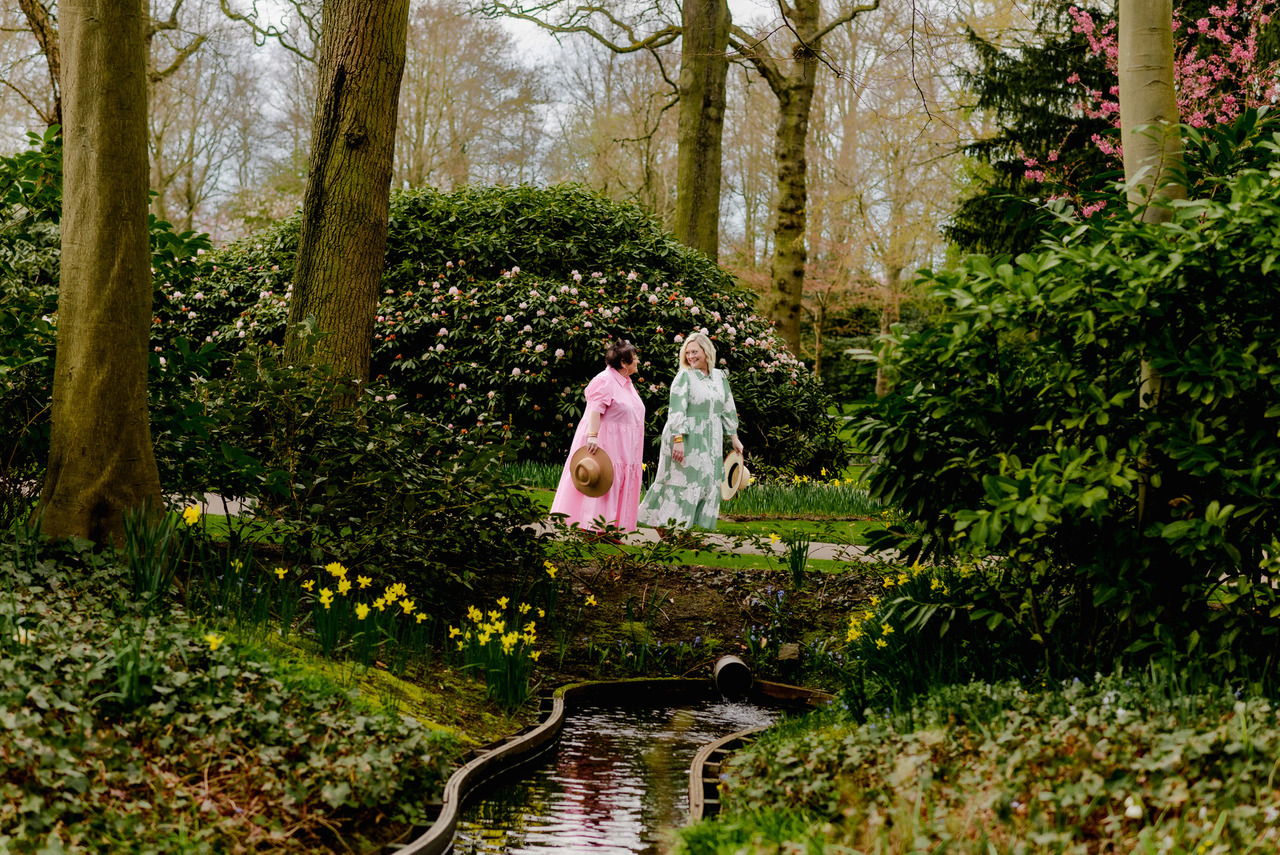
A location filled with daffodils in late March may be covered in early tulips in mid-April, and then show a completely different tulip variety in early May. In these pictures, you can see the same location in three different weeks of the season, from March to May.
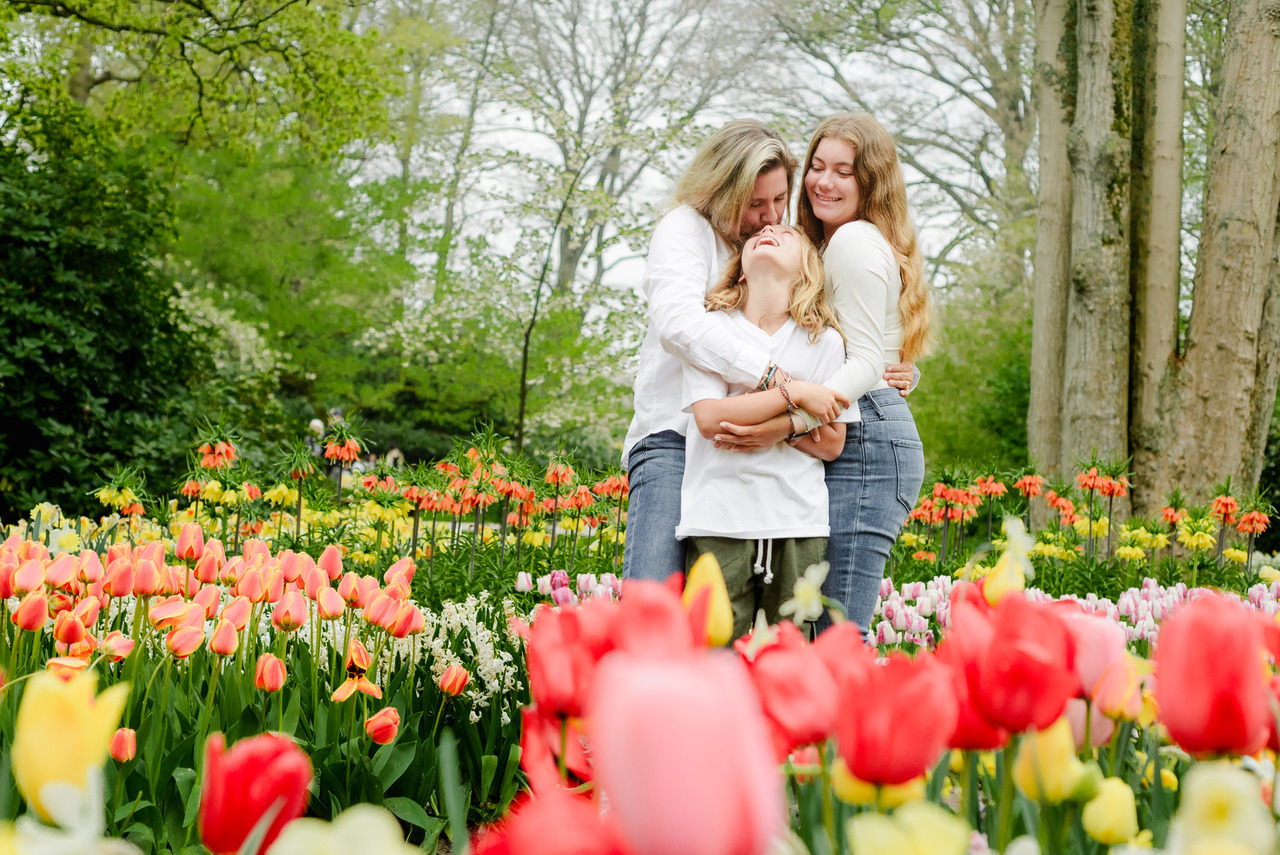
The garden never looks static. It evolves.
Tulips Bloom in Waves
Tulips are not a single bloom moment. There are:
• Early tulips
• Mid-season tulips
• Late tulips
• Double late varieties
Keukenhof carefully combines these varieties to create continuity of color and structure across the entire opening period.

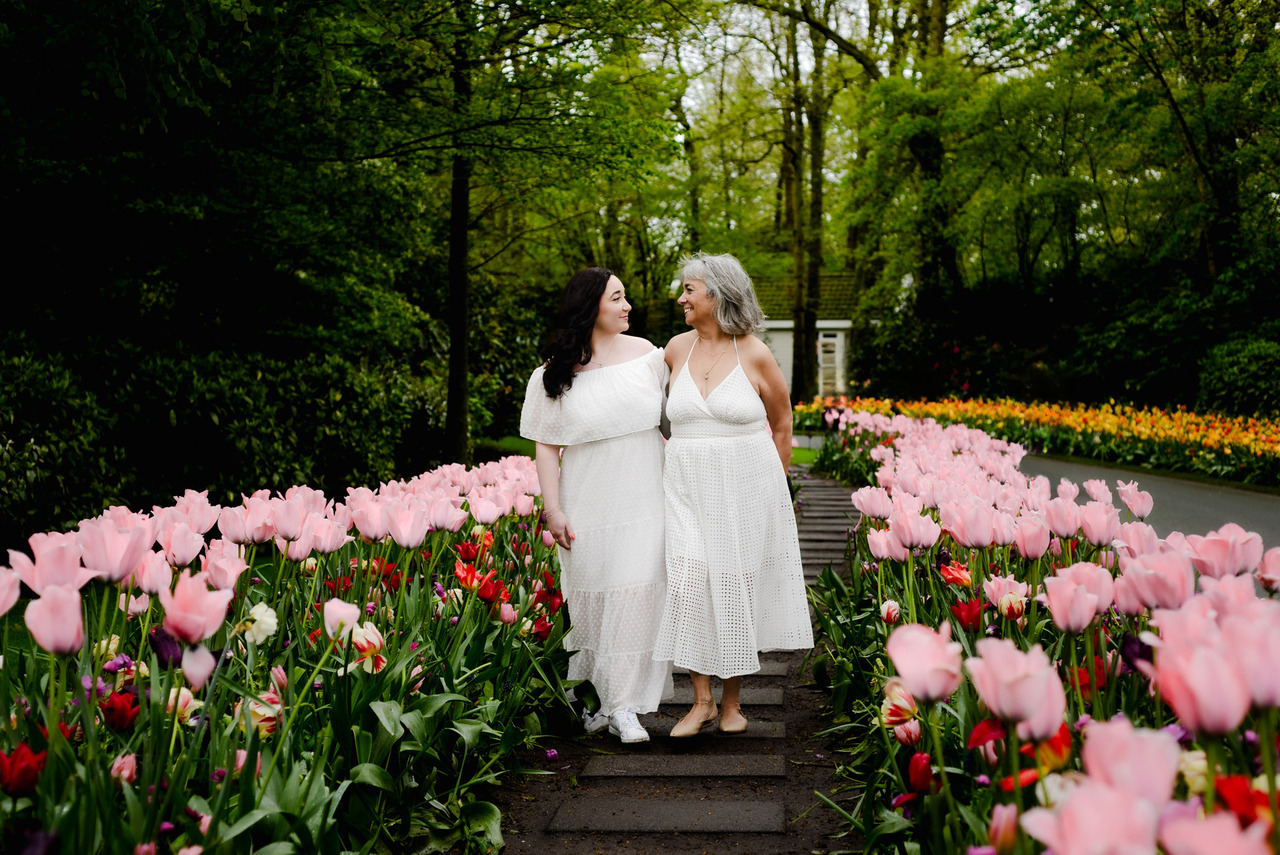
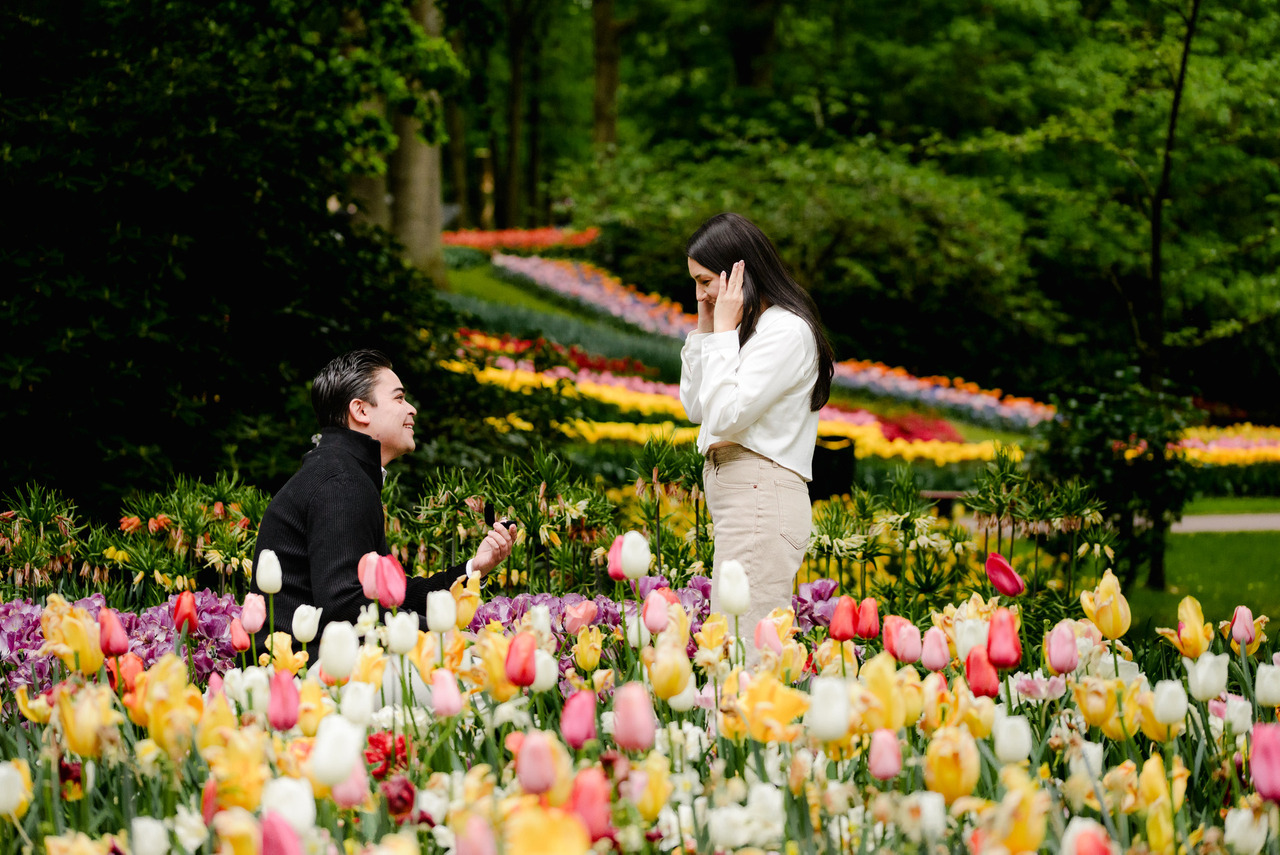
One of these is early April, and one is late April. Can you guess which one was first?
Peak tulip density often happens in April, but tulips do not suddenly “start” and “stop” in a two-week window. They bloom in succession.
Read my complete guide to tulip season in the Netherlands here.
What Happens After the Season Ends?
Unlike production fields, Keukenhof does not grow bulbs for harvest. At the end of the season:
• Flowers complete their natural cycle
• The park is cleared
• Bulbs are removed
• The entire garden is rebuilt from scratch
Every spring is newly planted. Every year begins from zero. The season you see is carefully constructed over months of preparation.

How to get to the Tulip Region near Keukenhof? Read the full guide here.
A Season of Transformation, Not a Single Peak
Because I photograph Keukenhof week by week, I see how the same areas transform:
Late March: soft yellows and early spring flowers
Early April: mixed tulip varieties begin to dominate
Mid-April: strong layered color
Early May: later tulips and deeper tones
Tulip season at Keukenhof is not one moment. It is a progression, designed from March through May. Reducing it to “only mid-April” oversimplifies a garden that is intentionally built to evolve over eight weeks.
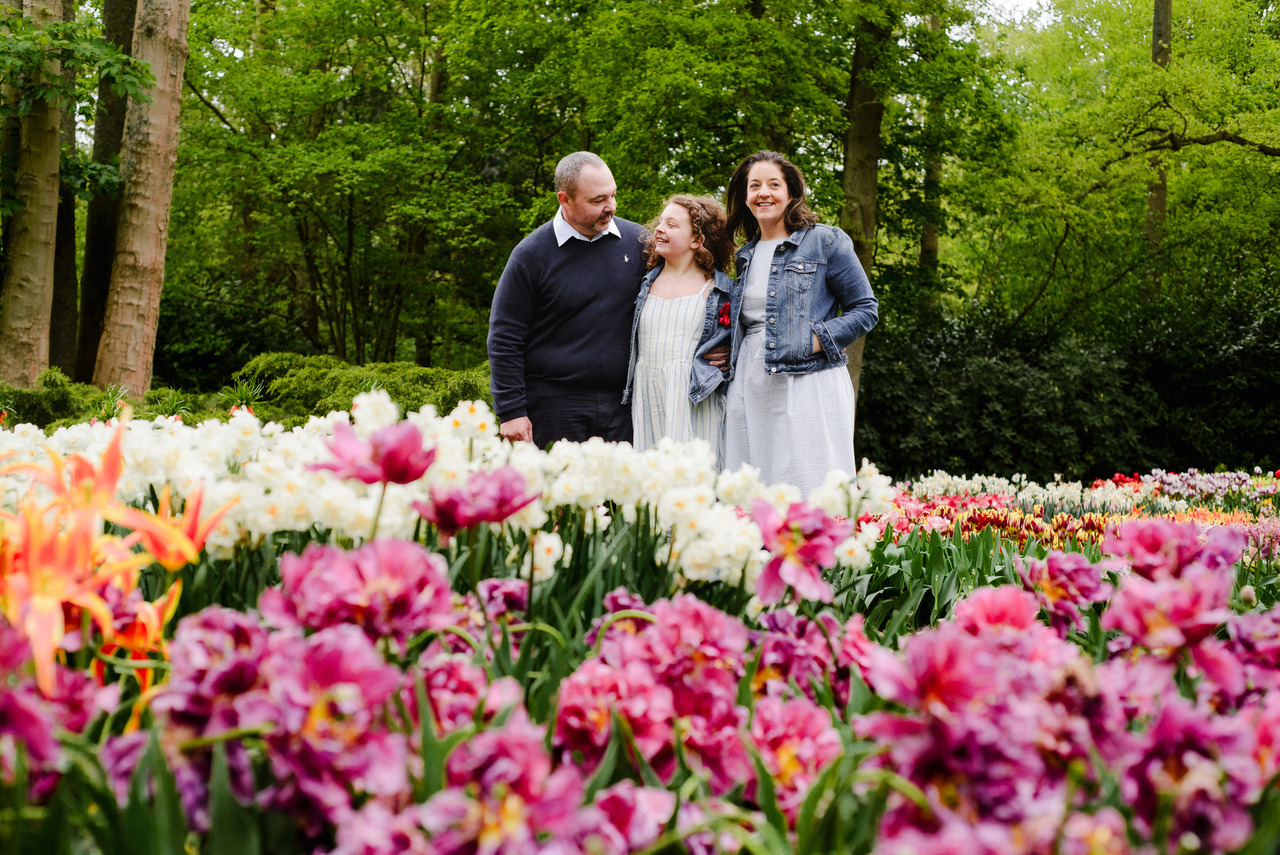
Understanding this difference allows you to visit with realistic expectations, and without limiting the season to just two weeks.
If you would like to understand the difference between tulip fields, tulip gardens, and Keukenhof in more detail, you can read my full comparison guide here.
Read more about the difference between tulip fields and tulip gardens.
And if you are coming this Spring, see you soon!
Joanna
Your Photographer in Amsterdam


