
One of the things I find most interesting about Amsterdam is how social media has simplified the city into a few recognizable words.
The same way many people call the entire tulip region “Keukenhof,” even when photographs are taken far outside the gardens themselves, many visitors also use “Jordaan” to describe almost every beautiful canal photo they see online from Amsterdam.
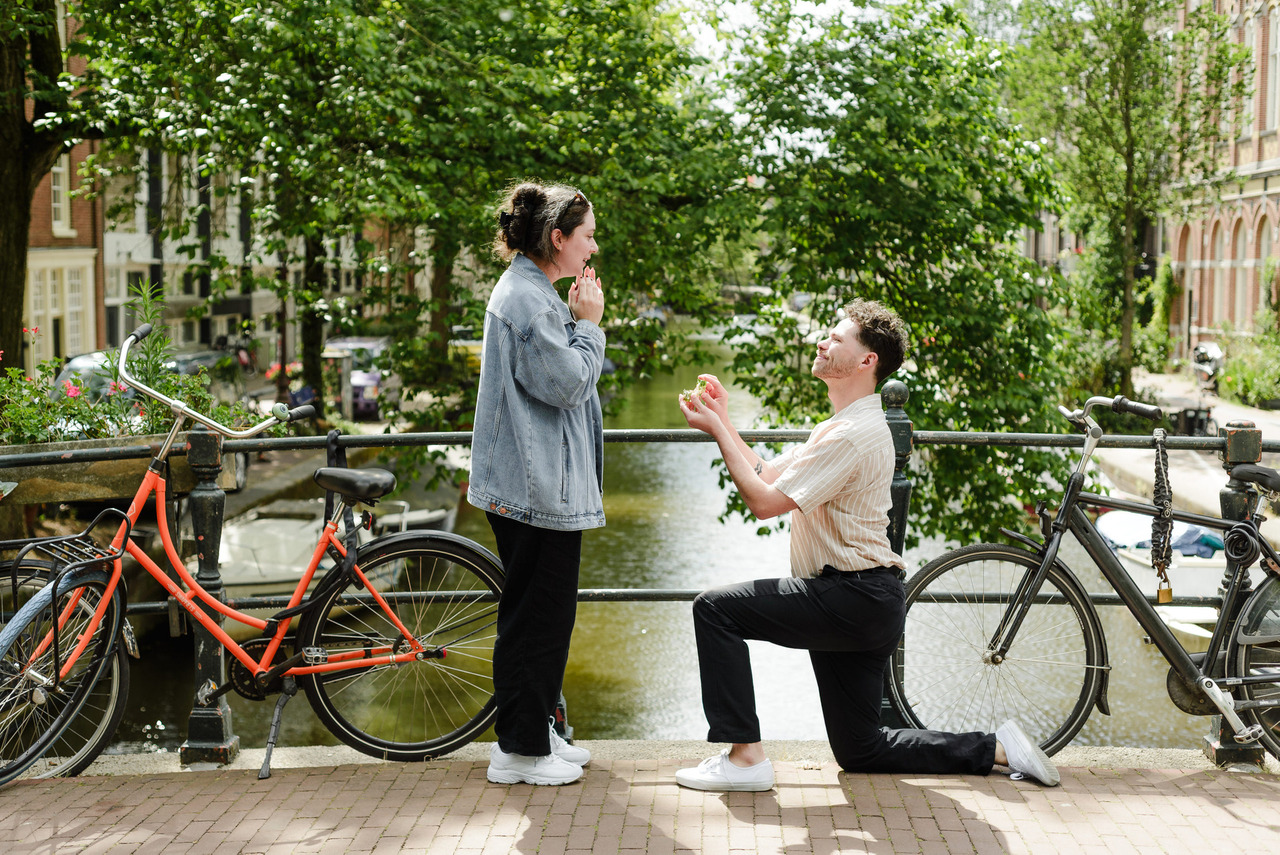
But once you spend more time walking through the city, you start realizing something: Amsterdam changes constantly from one neighborhood to another, and Jordaan and the Canal Belt feel completely different from each other.
The funny part is that many of the “Jordaan” images people save online are actually photographed in Amsterdam’s Canal Belt.
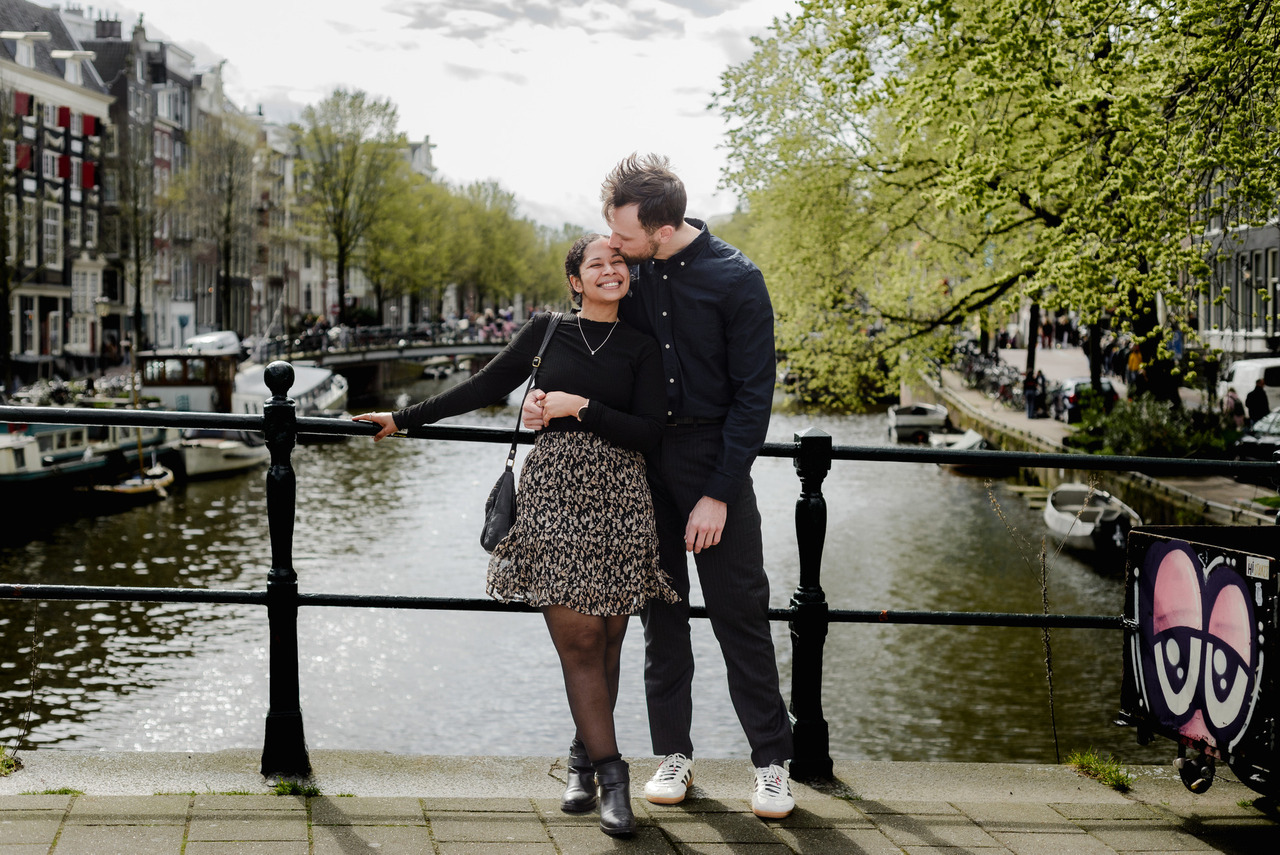
Can you confidently recognise the area of each photo?
What Is Amsterdam’s Canal Belt?
Amsterdam’s Canal Belt starts once you leave the oldest part of the city center and enter the large historical canals: Singel, Herengracht, Keizersgracht, and Prinsengracht.
This is the Amsterdam that most people imagine before visiting the city.
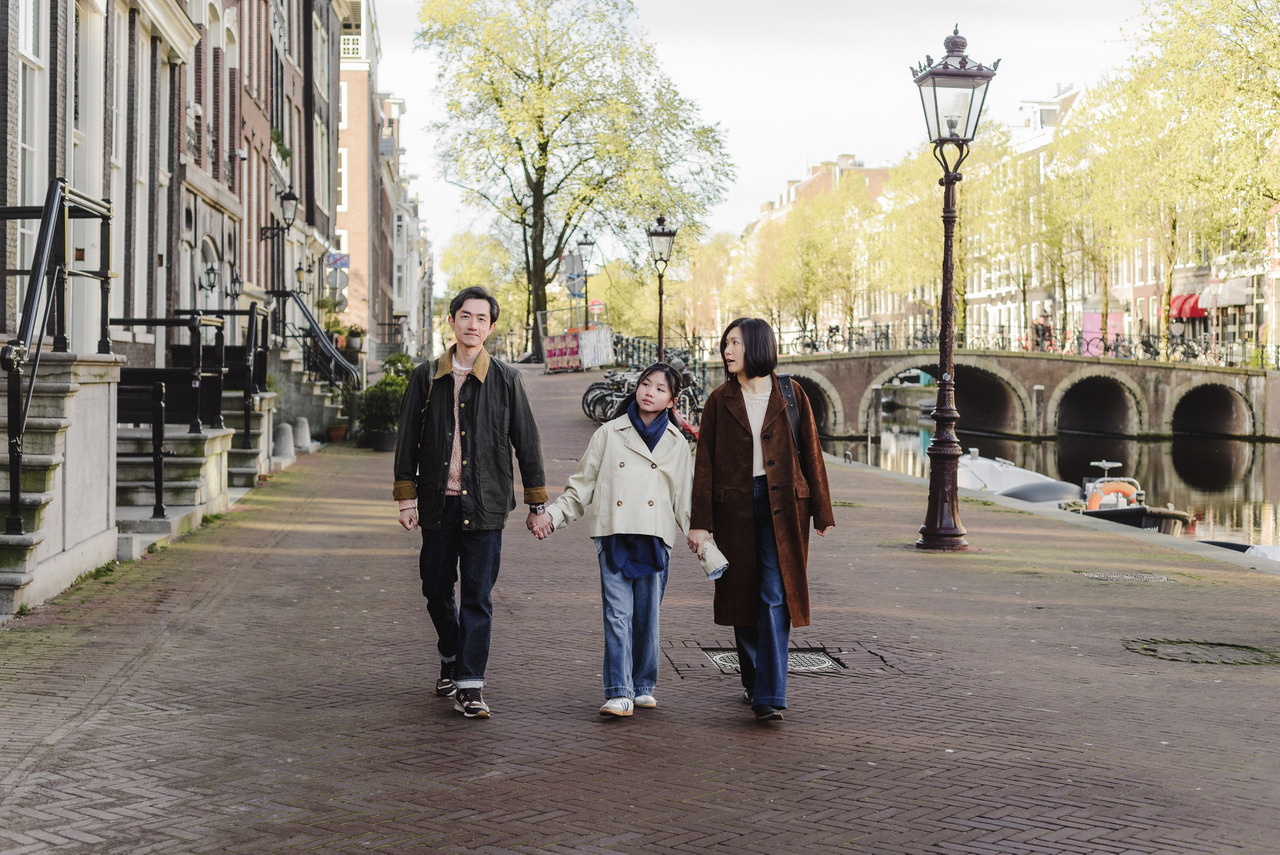
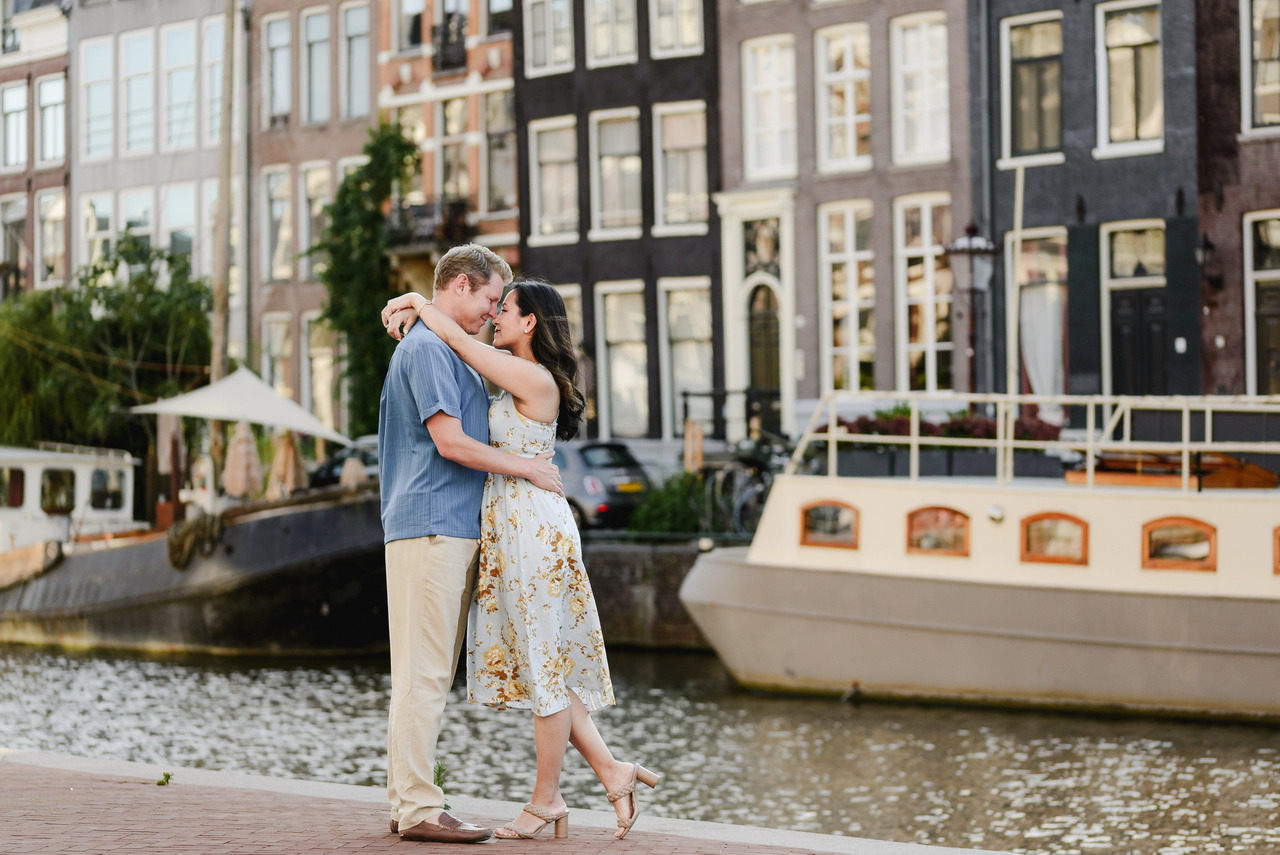
Large historical houses rise directly next to the canals. Wide waterways reflect rows of monumental façades. Houseboats float quietly next to elegant bridges while boats move continuously through the city.
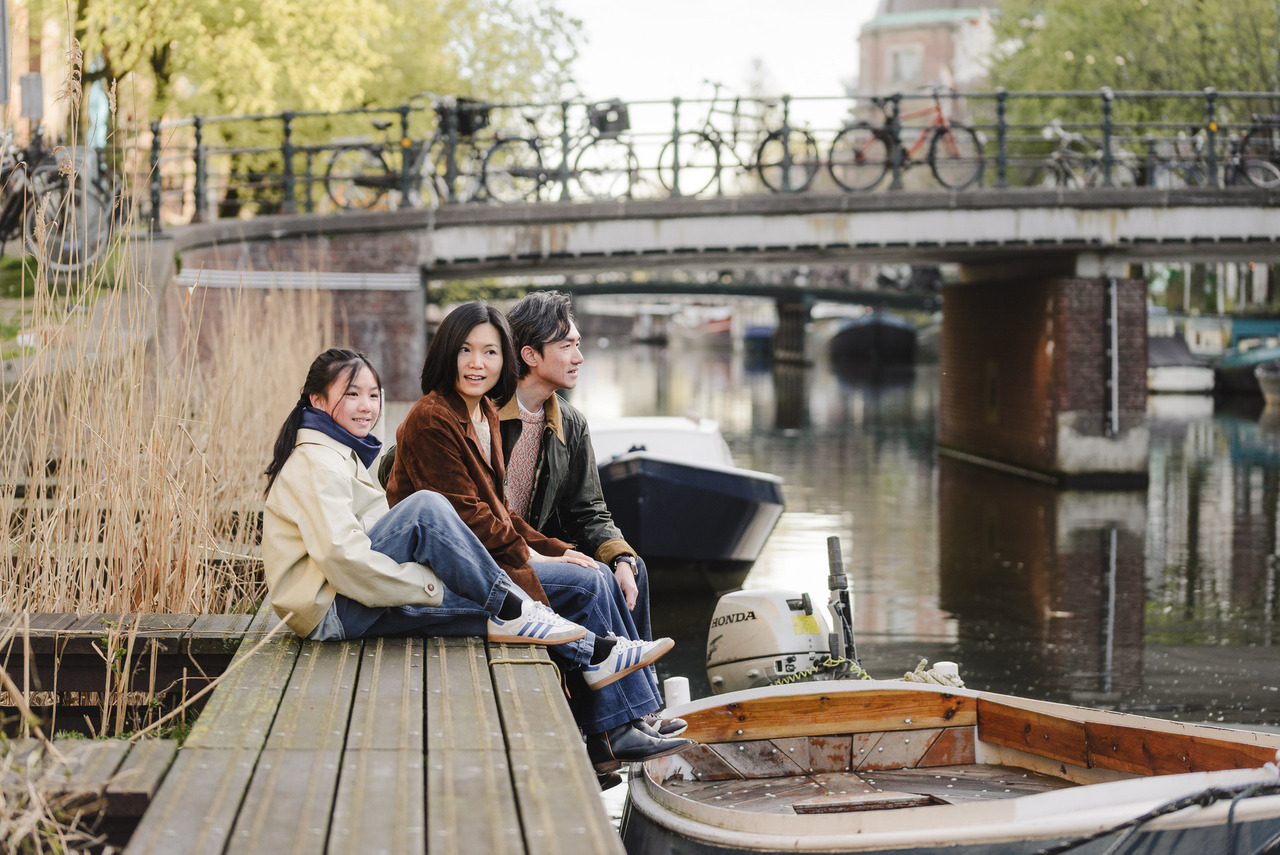
Walking through the Canal Belt feels cinematic. If you remove the parked cars and modern elements for a second, especially early in the morning, it genuinely feels like walking inside a movie set. The houses feel enormous as you walk beside them, partly because many were designed with visual tricks that make the lower floors appear larger and more imposing from street level.
The Canal Belt feels elegant, historical, grand, and visually unmistakable.
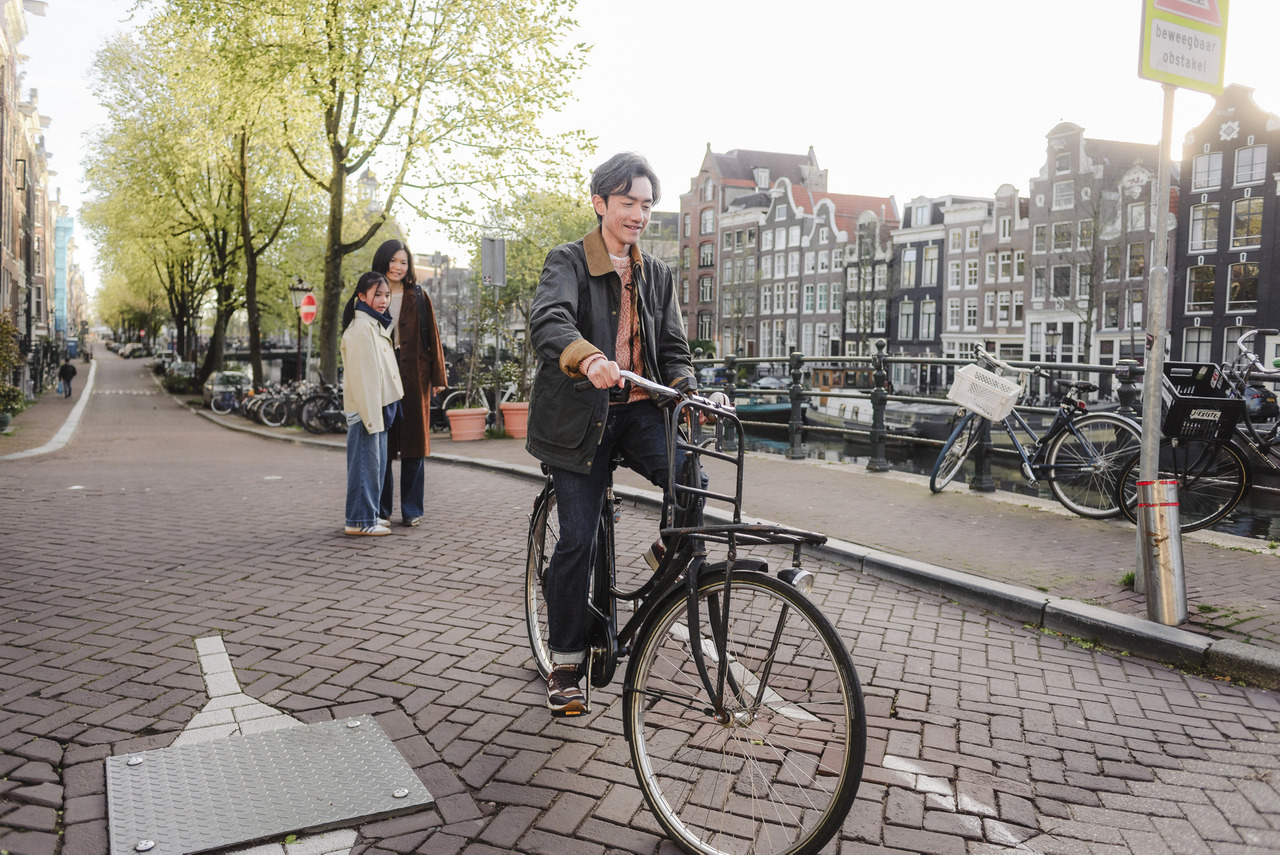
This is also why so many iconic photographs of Amsterdam actually come from this area. The canals are wider, the views are more open, fewer trees are blocking the façades, and you can fully appreciate the architecture from across the water.
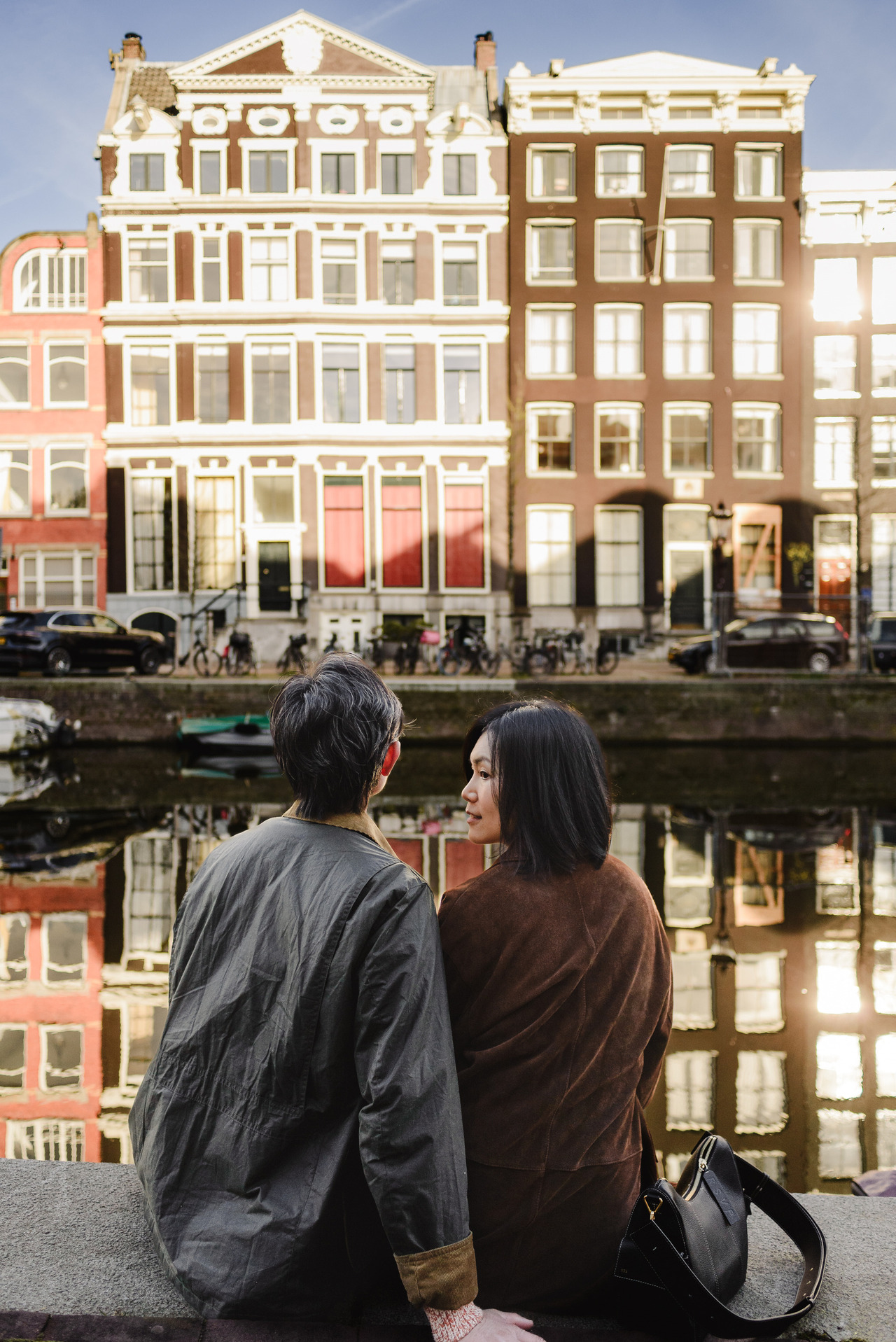
From a photography perspective, the Canal Belt gives space. Space for reflections, space for boats, space for monumental backgrounds, and space to photograph people comfortably while still showing the scale of the city around them.
It is postcard Amsterdam.
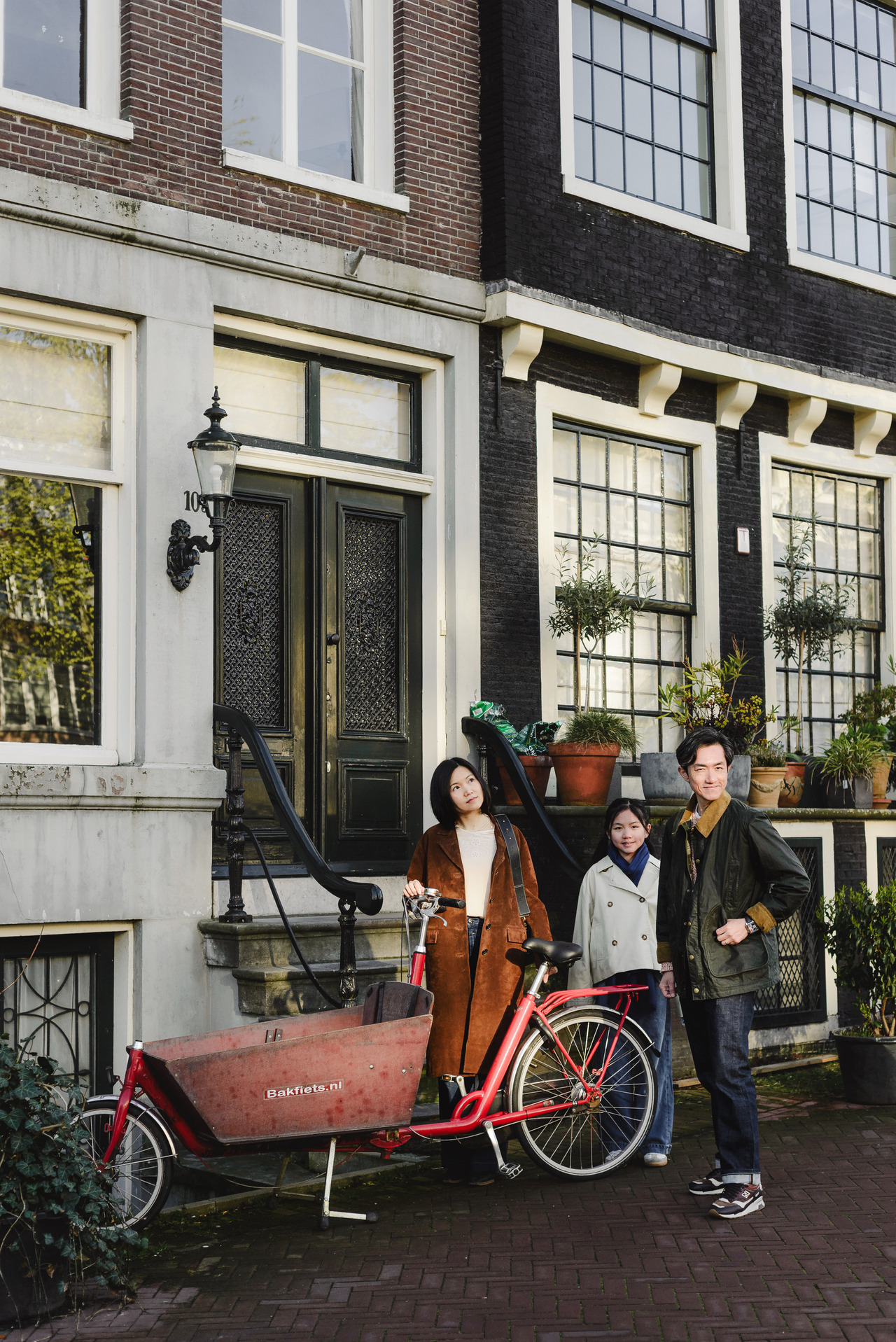
What Changes Once You Cross Prinsengracht?
For me, the city starts to change almost immediately after crossing Prinsengracht and entering the Jordaan.
Suddenly, the streets feel narrower, calmer, and more irregular. The organized geometry of the Canal Belt slowly disappears, and Jordaan begins feeling more intimate and local.
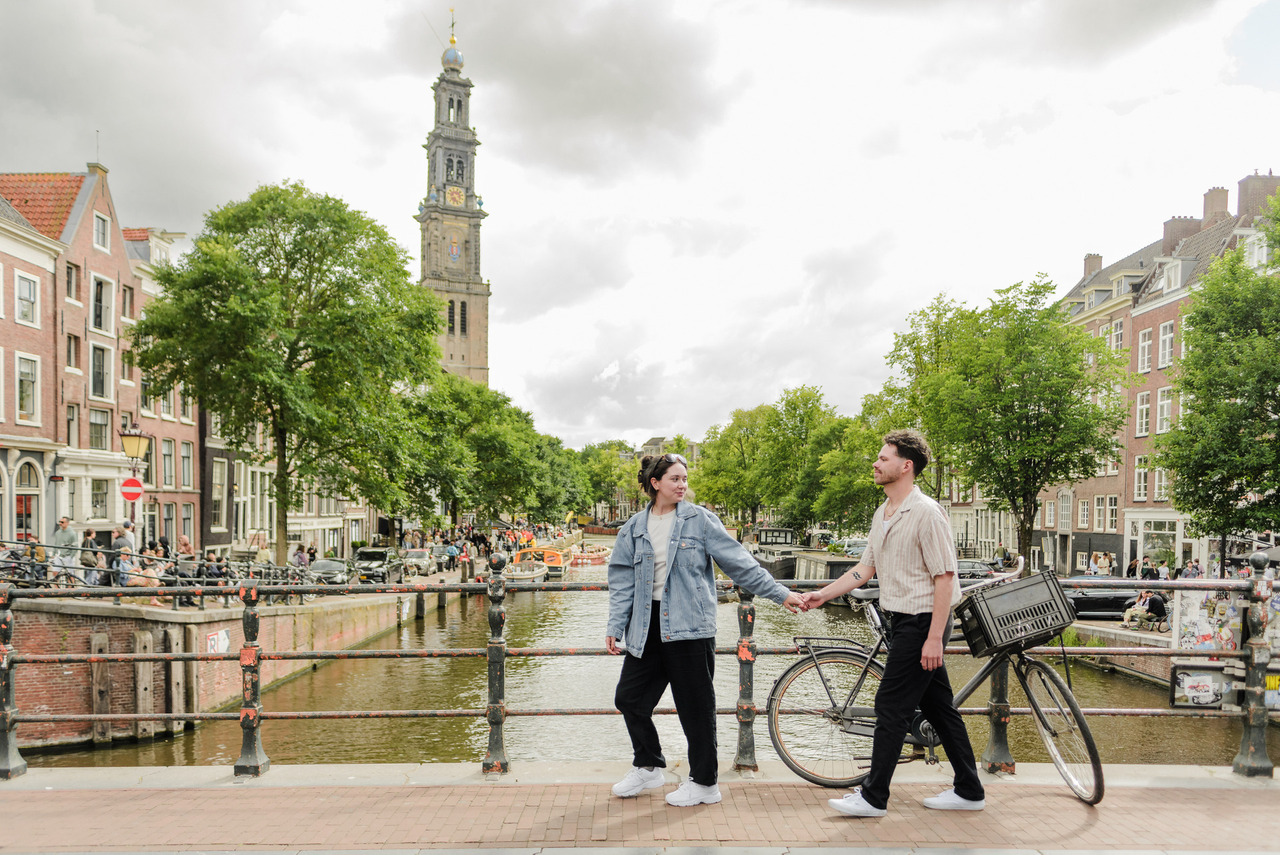
The canals become smaller. Trees appear more frequently. Flower pots surround staircases leading into homes. Small cafés hide inside tiny streets that many visitors simply walk past without noticing.
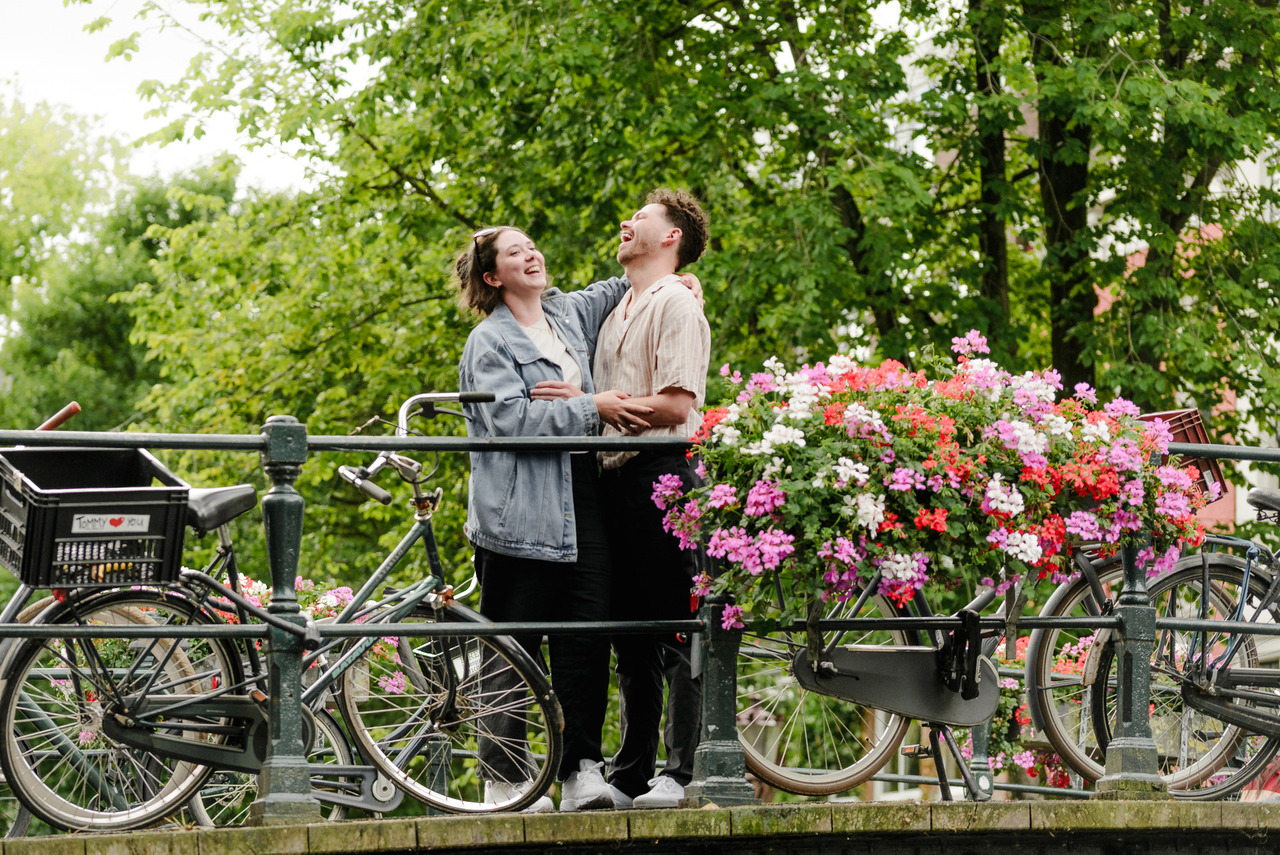
Instead of large monumental houses repeating endlessly, Jordaan feels more layered. Buildings come from different periods, different sizes, and different styles, which quietly tell the story of how the neighborhood evolved over time. The pace also changes.
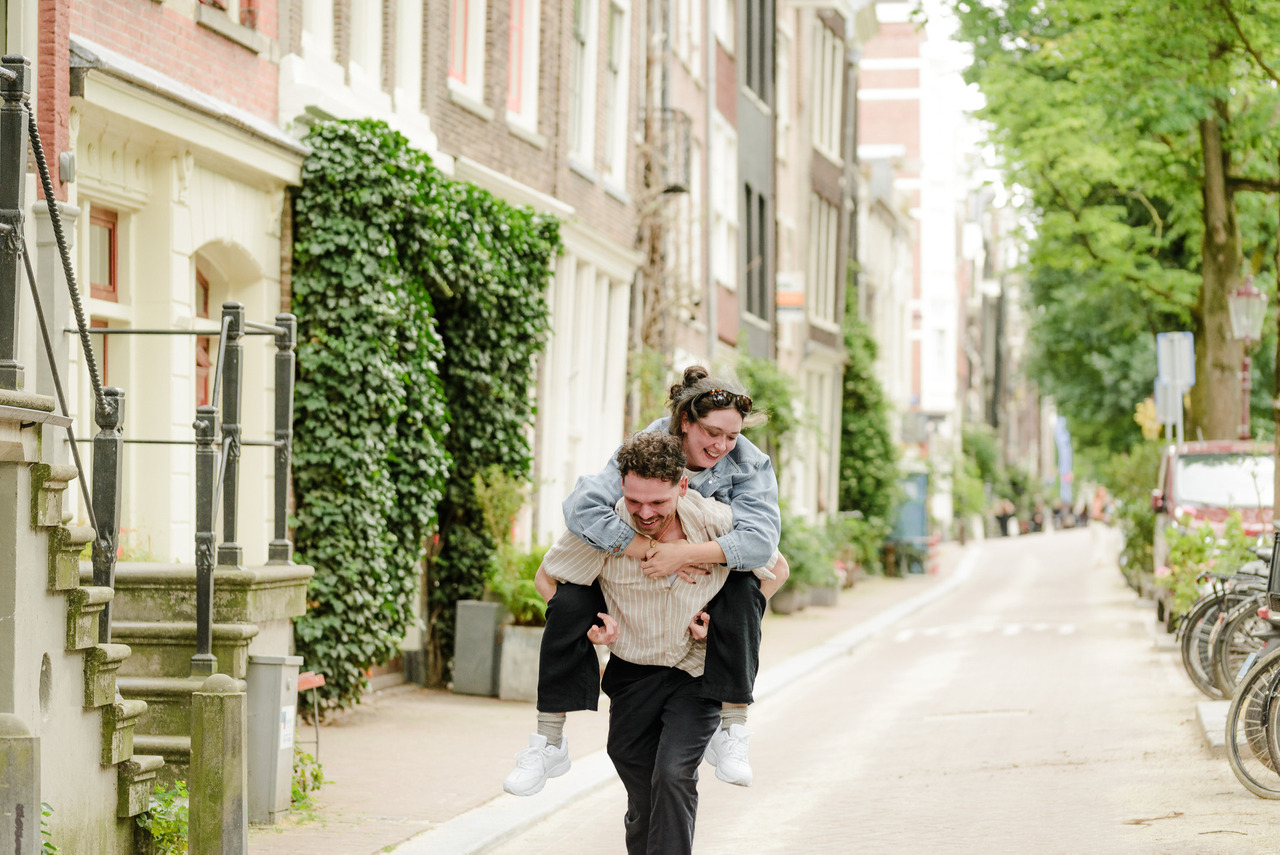
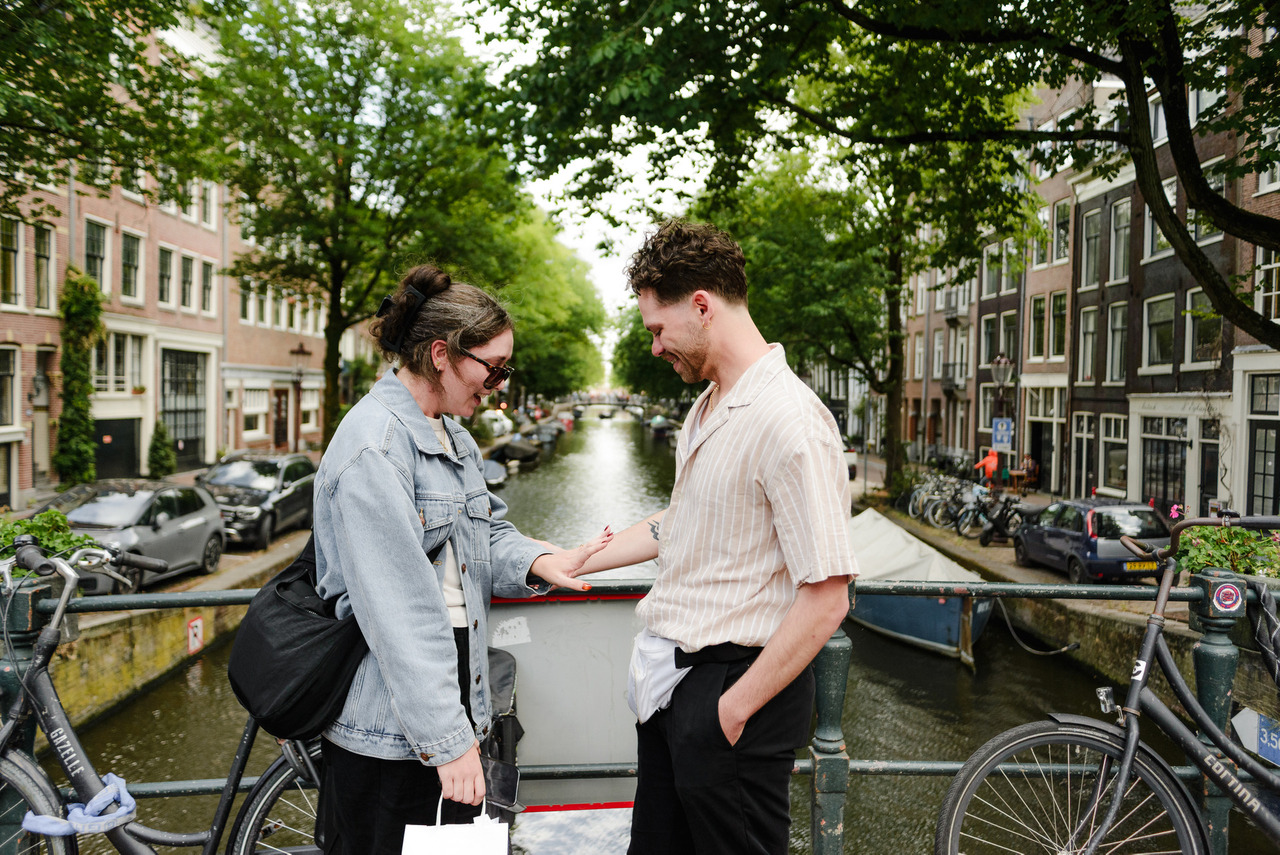
In the Canal Belt, you constantly feel movement. Boats passing, bicycles crossing, tourists walking, cars moving, tours starting, people arriving and leaving. In Jordaan, the city slows down.
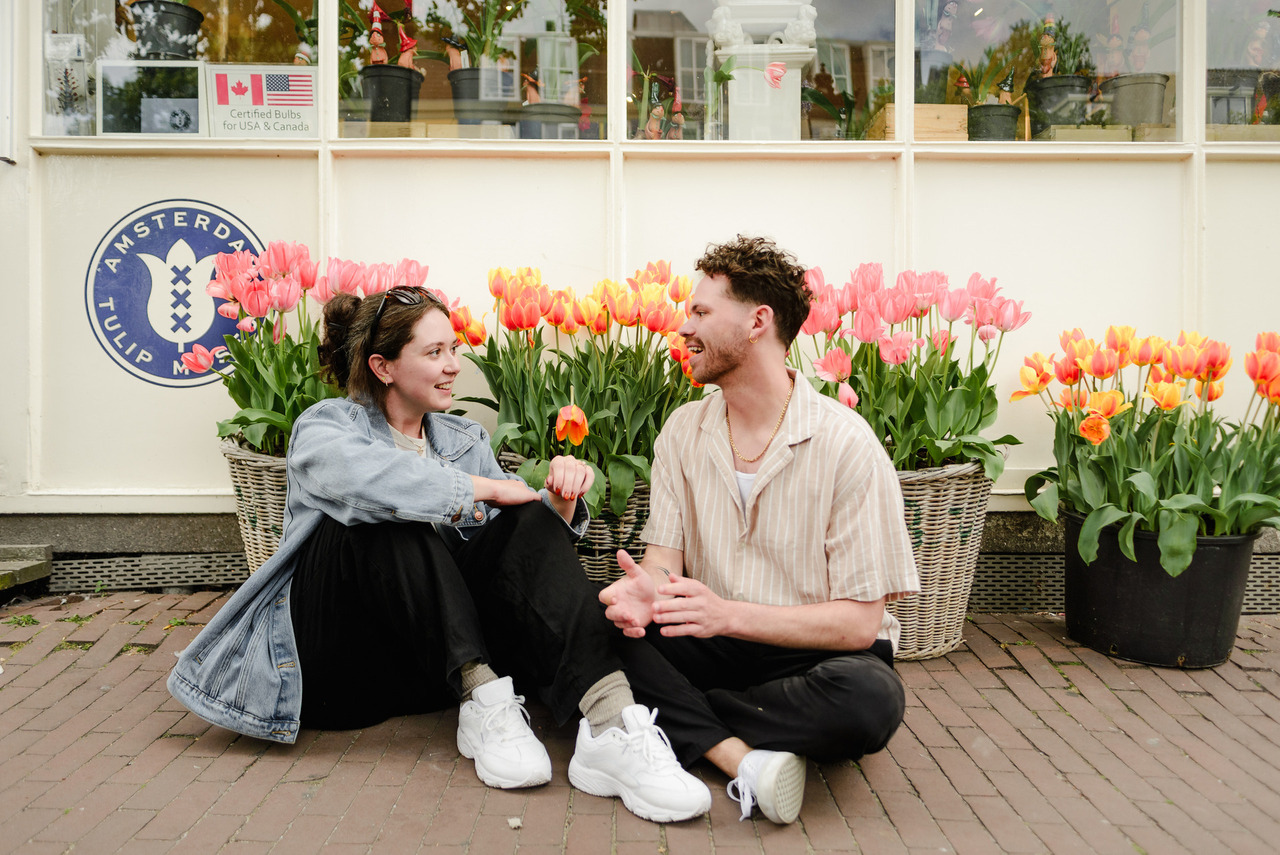
People sit next to canals with coffee or gelato. Neighbors recognize each other while walking. Benches next to little canals become places to spend time instead of simply crossing through. The atmosphere feels softer and more residential, even though the area is still very active and visited.
That is probably why many people describe Jordaan as feeling more “authentic.” Not because it lacks tourism or commerce, but because daily life still feels visible there.
Why Social Media Calls Everything “Jordaan”
I think most visitors do not really think of neighborhoods while exploring Amsterdam. They think in “Amsterdam.” And visually, many areas overlap naturally online.
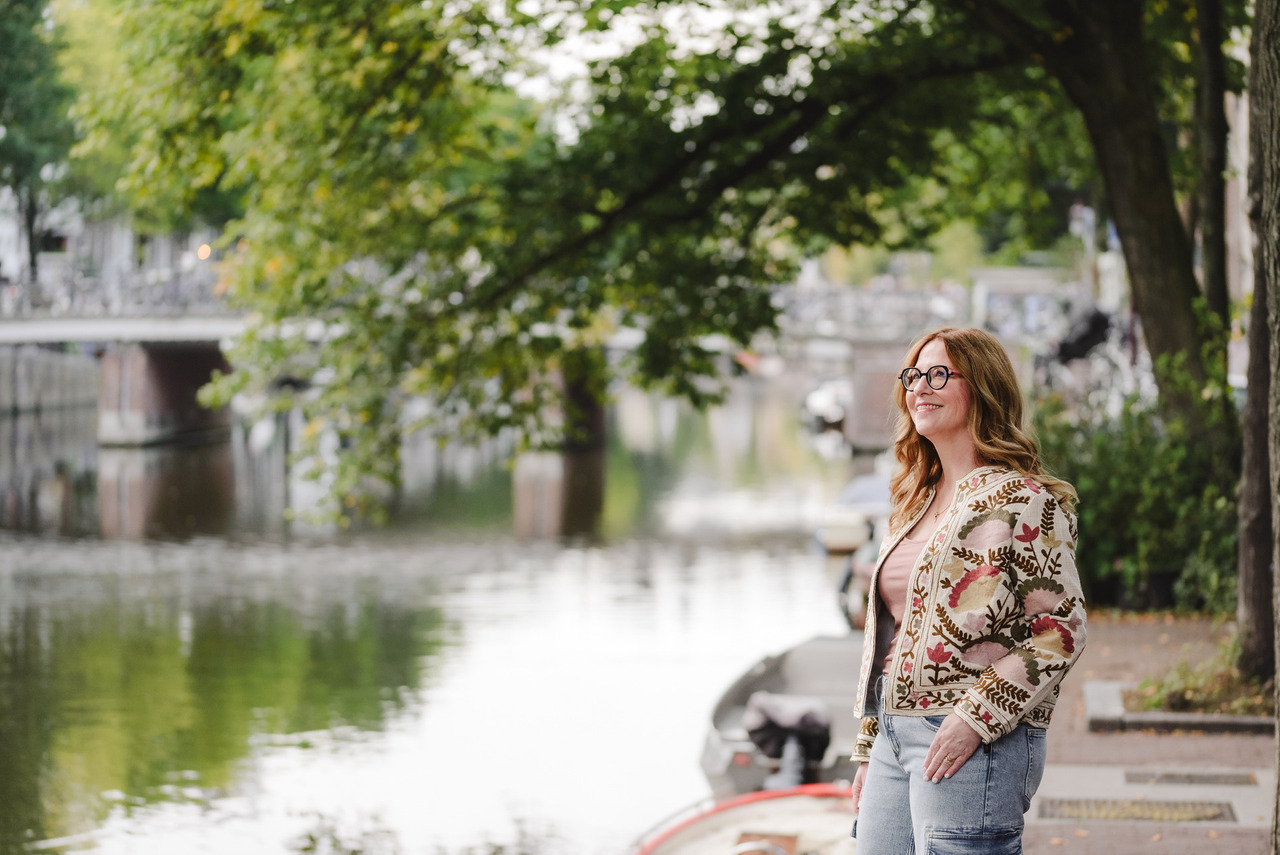
When people think about Amsterdam, they usually think about canals, historical houses, bicycles crossing bridges, flowers on the streets, boats moving through the water, and little corners reflecting on the canals. Because these elements appear across different neighborhoods, many visitors naturally group everything together under the same idea of “Amsterdam,” even when the atmosphere and architecture of each area feel completely different in person.
Everything starts blending together. There is, of course, an official urban division between the Canal Belt and Jordaan. Broadly speaking, once you cross Prinsengracht moving west toward Marnixstraat, between Brouwersgracht and Passeerdersgracht, you are entering Jordaan. But, for most visitors, the transition does not feel abrupt while walking through the city.
Amsterdam changes gradually, street by street. The atmosphere slowly shifts from the grand openness of the Canal Belt into the narrower and calmer rhythm of Jordaan, which is why many people naturally blend both areas together when describing their experience of the city.
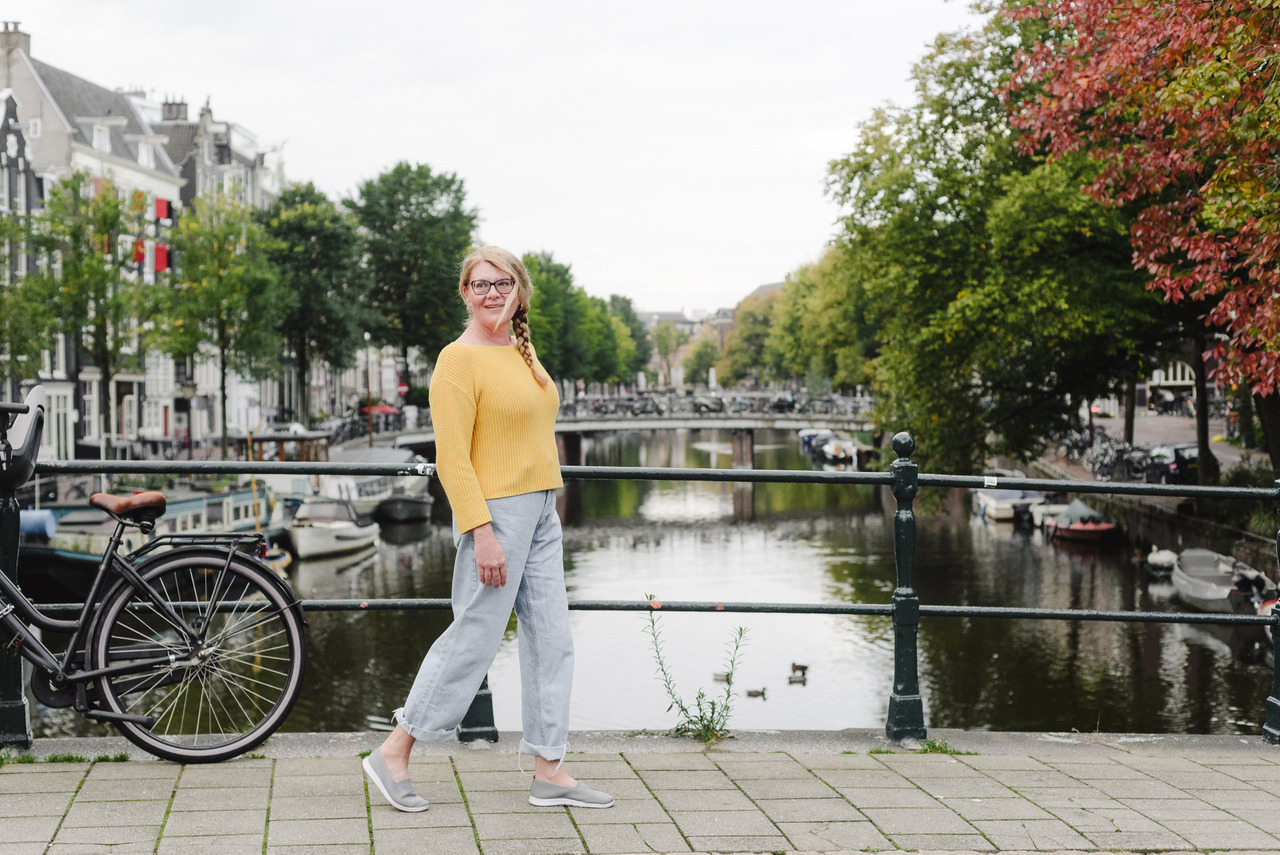
At the same time, Jordaan has become one of the most romanticized names associated with Amsterdam travel. Travel guides constantly describe it as picturesque, charming, hidden, local, and full of cafés and small canals.
So creators naturally use the name frequently, even when the images themselves were actually photographed in the Canal Belt.
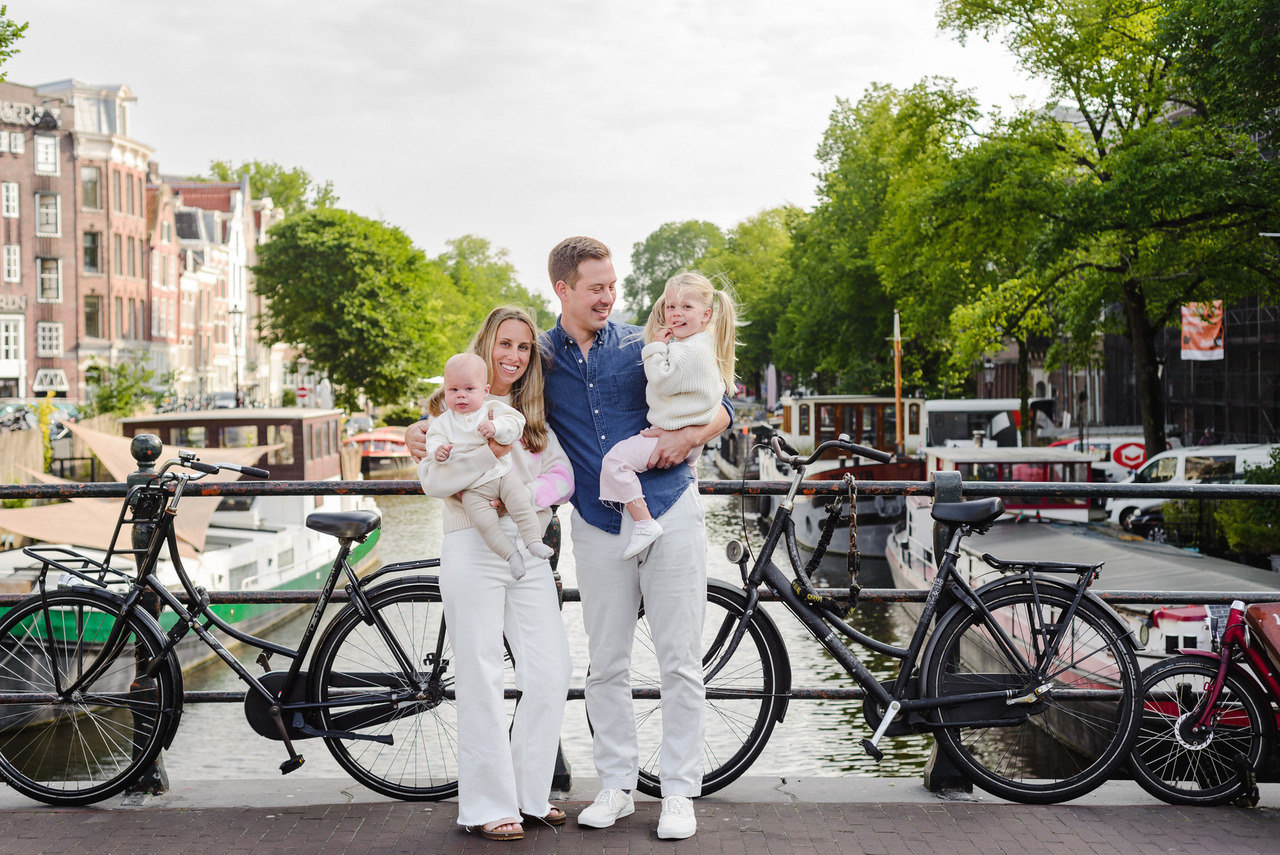
It reminds me very much of the way social media talks about Keukenhof. People often use “Keukenhof” to describe the entire tulip region, even when photographs were taken in completely different gardens, fields, or towns nearby. The word becomes larger than the actual location itself. And I think the same thing happened with Jordaan.
Why The Difference Matters For Photography
For photography sessions, the differences between these areas become very important. If somebody tells me: “I want classic Amsterdam,” I will almost always guide them toward the Canal Belt.
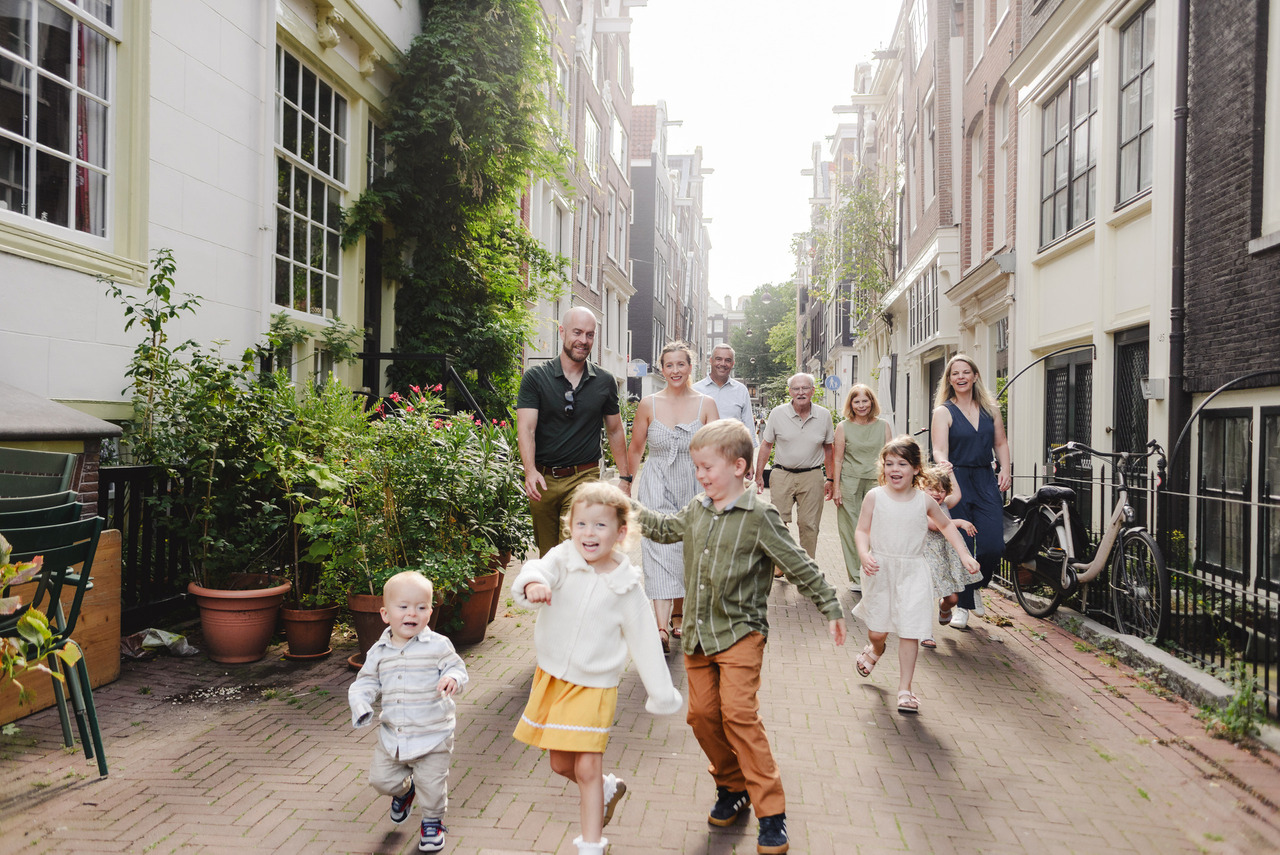
The wider canals, monumental houses, reflections, boats, and open views create the iconic Amsterdam atmosphere most people imagine before arriving.
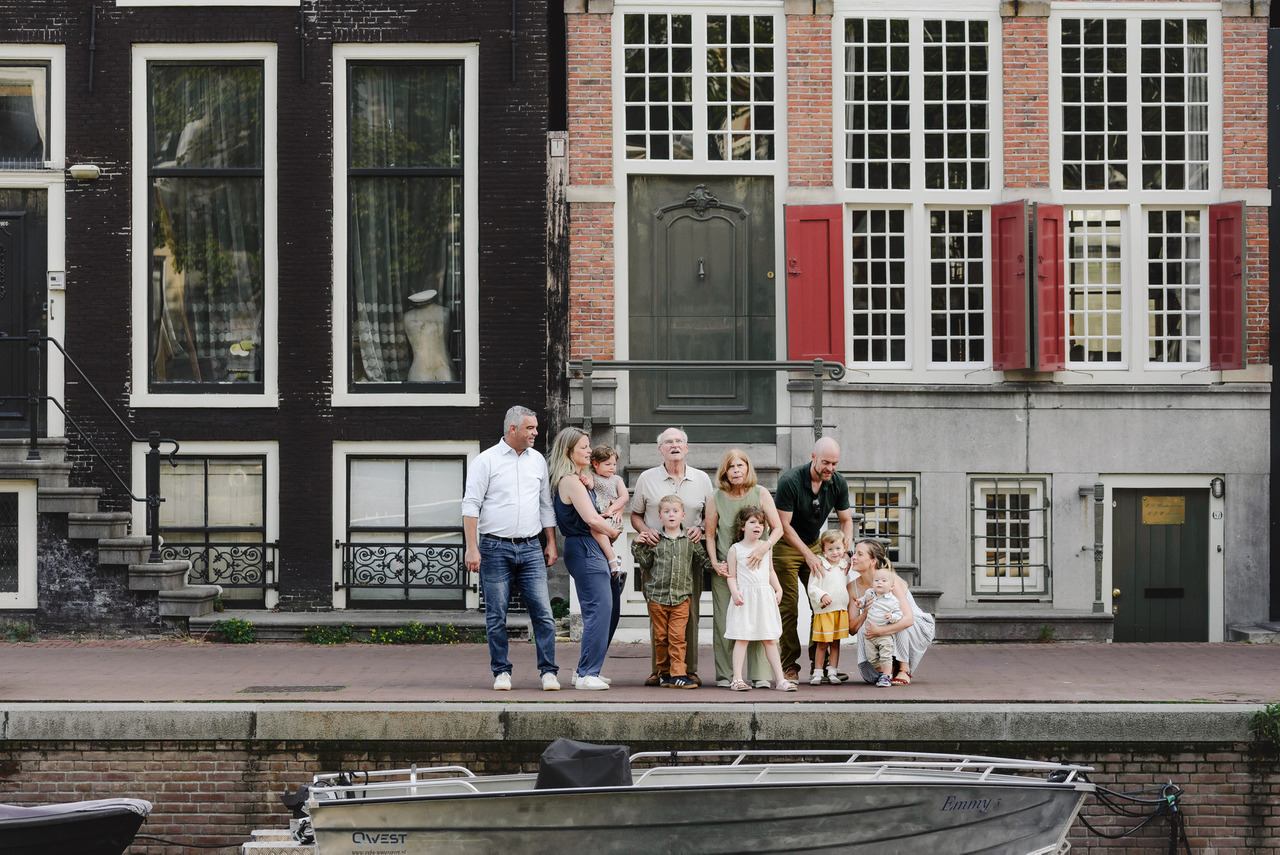
If a family wants calmer streets, quieter surroundings, and more relaxed walking routes for children, Jordaan usually works better.
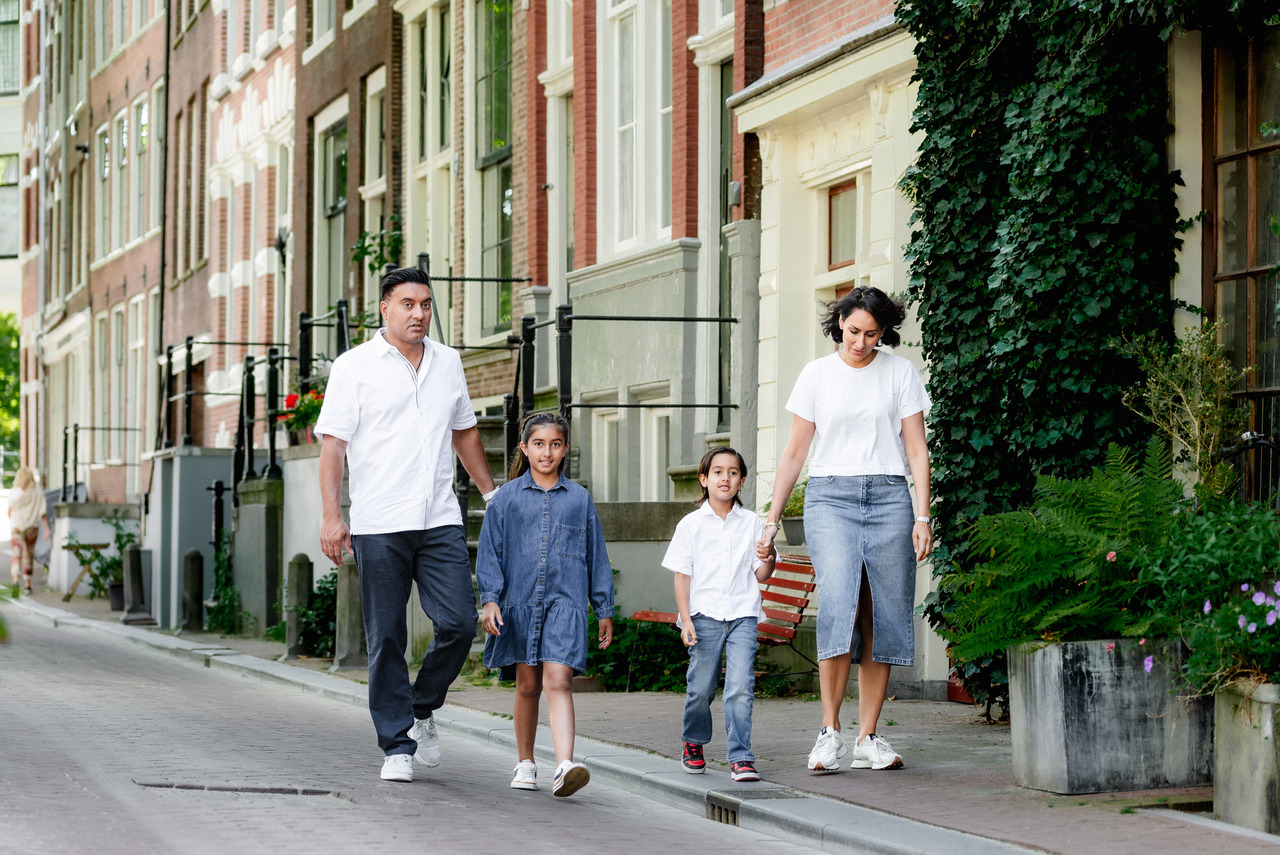
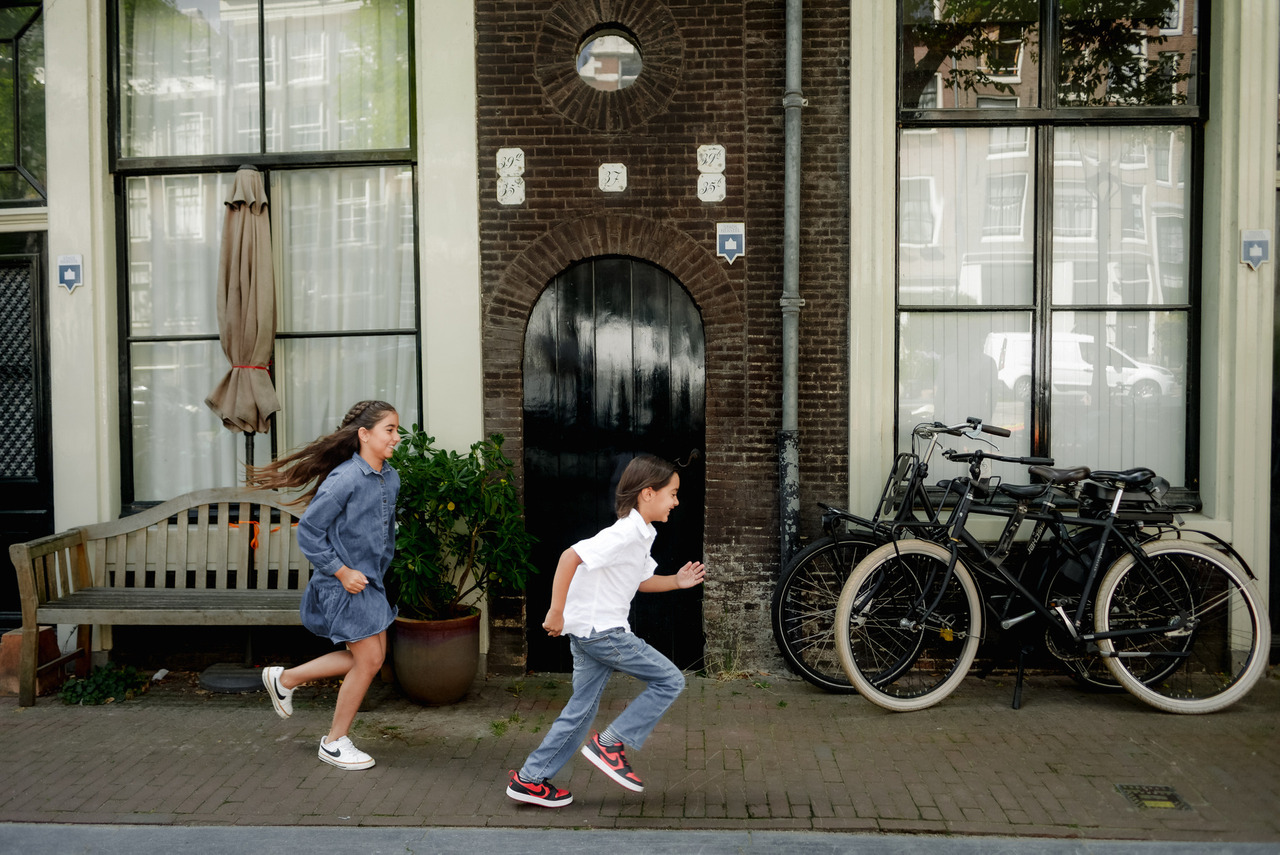
And if somebody wants a slower atmosphere that feels more residential and intimate, Jordaan creates a completely different emotional experience from the Canal Belt.
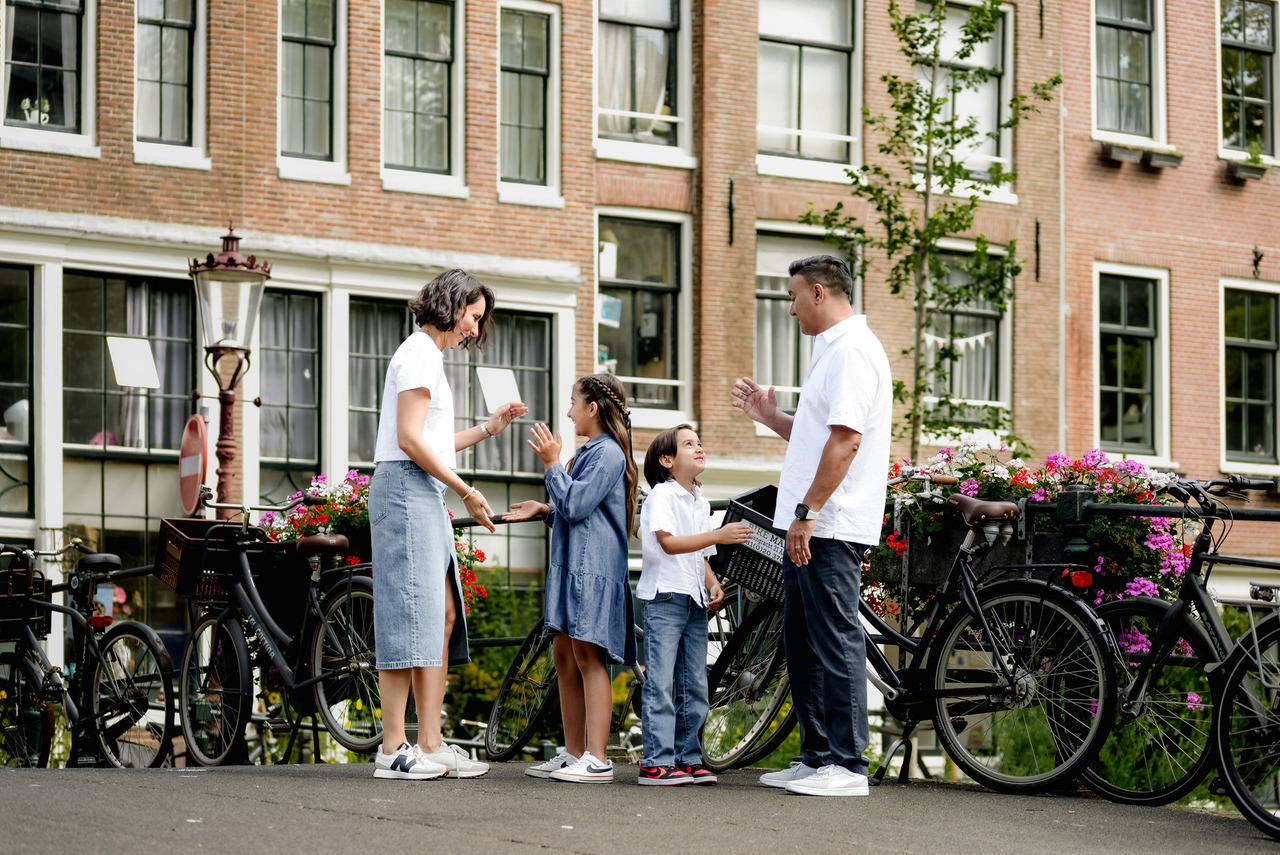
Interestingly, I personally love photographing the smaller canals in Jordaan, but I still prefer the monumental architecture of the Canal Belt for many photographs because the wider spaces allow the city itself to appear more strongly in the final images.
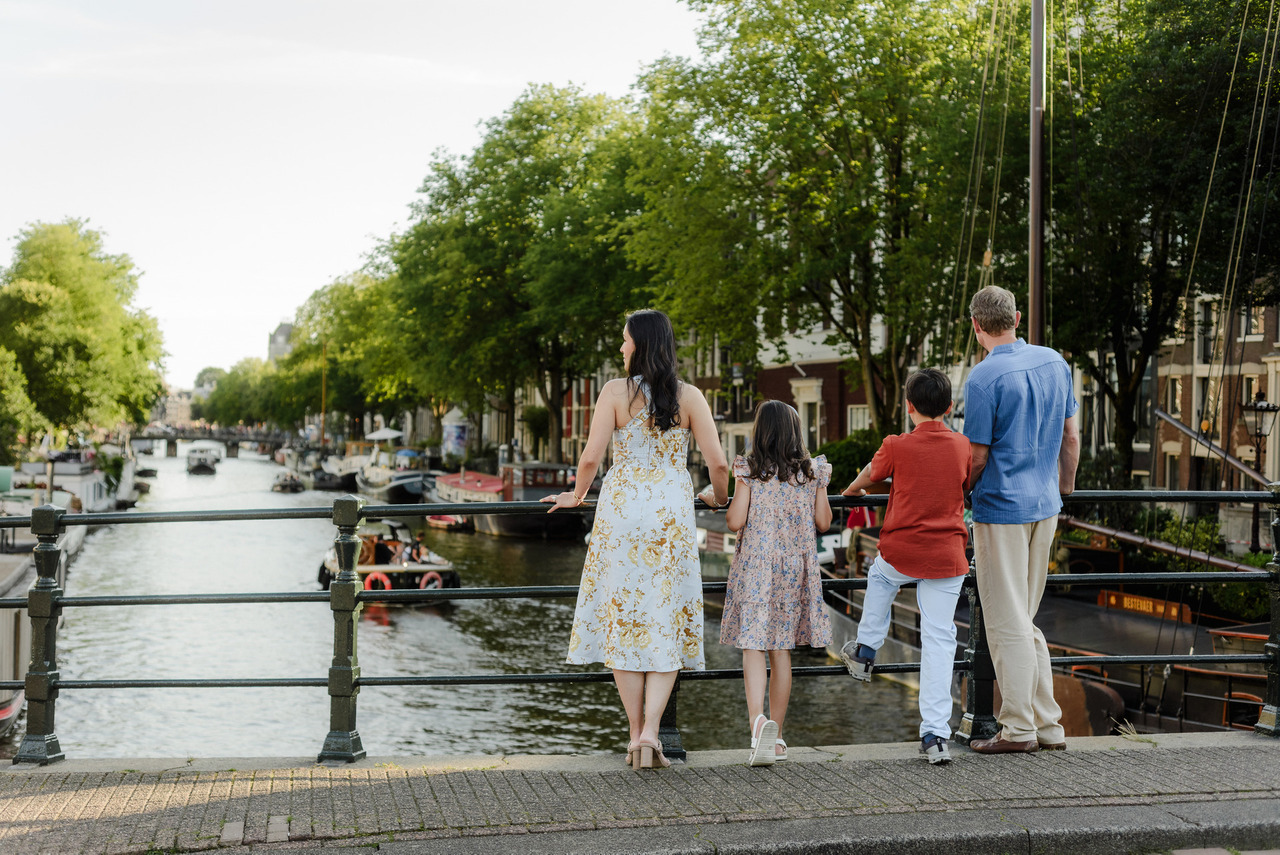
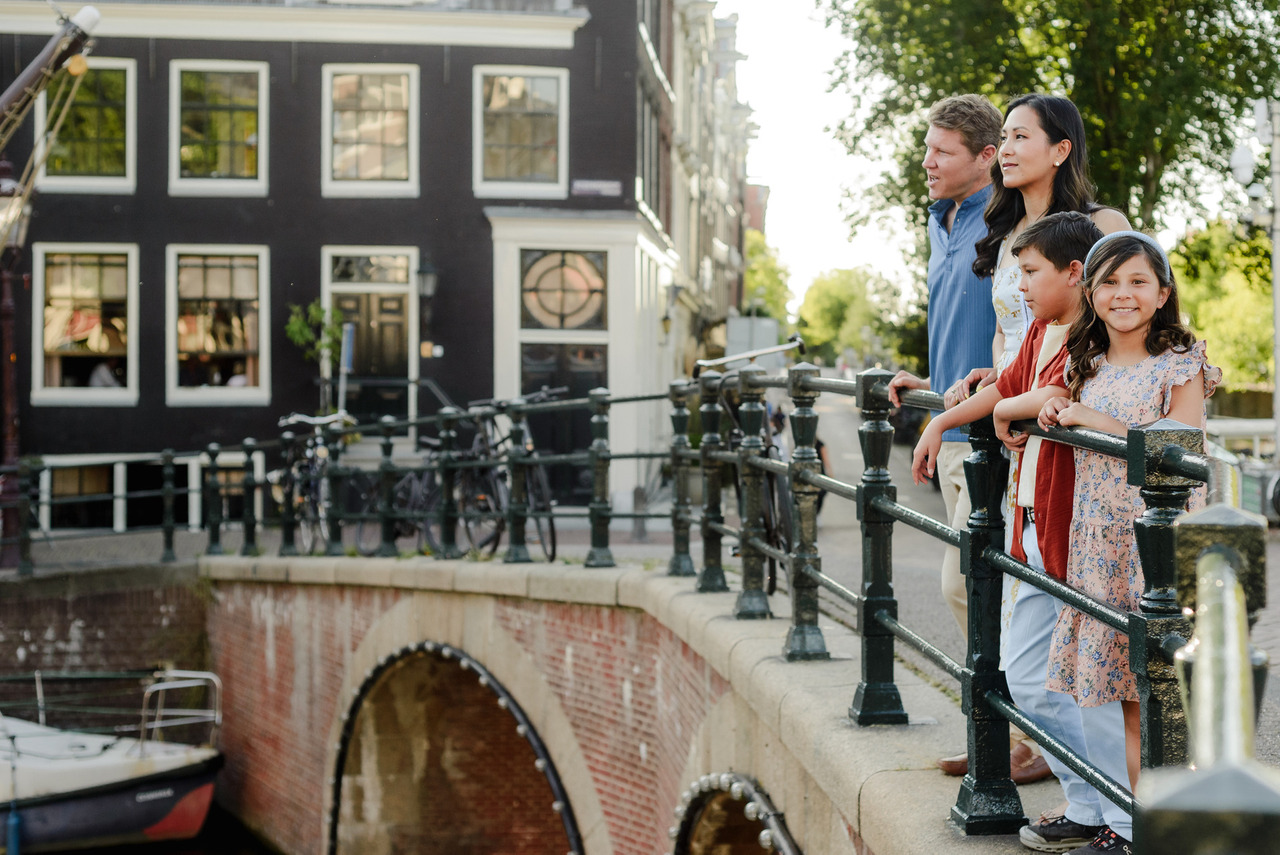
In Jordaan, streets become so narrow that photography also changes technically. You simply have less physical space to step back and photograph the environment around people.
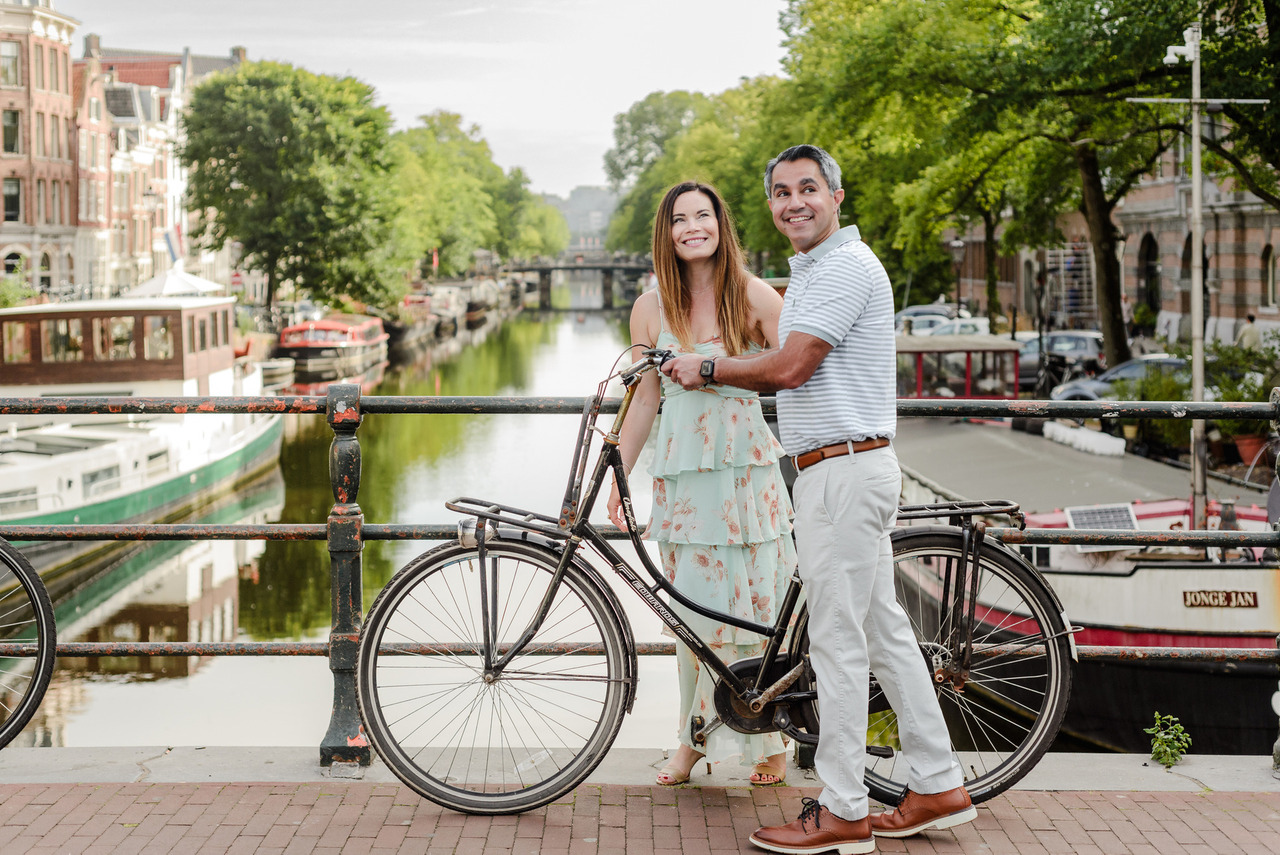
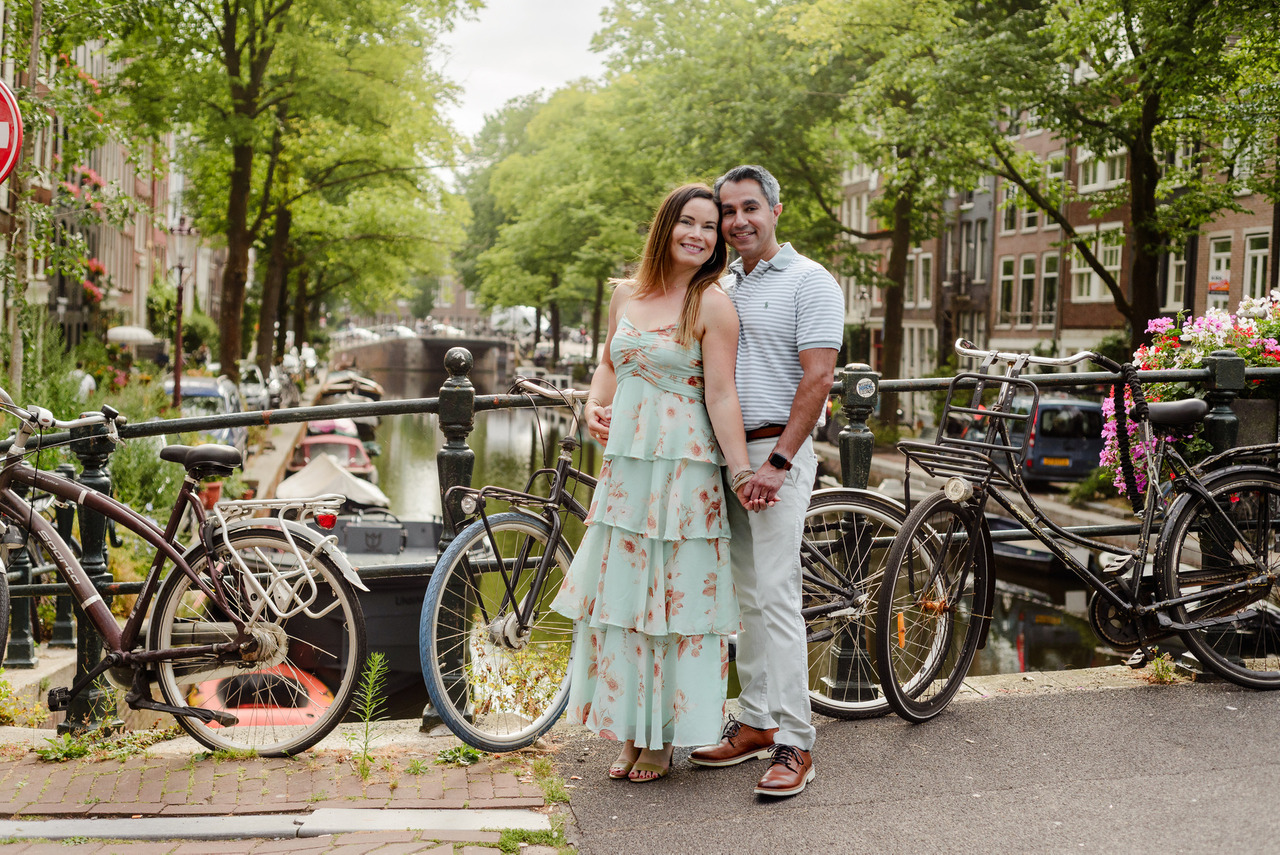
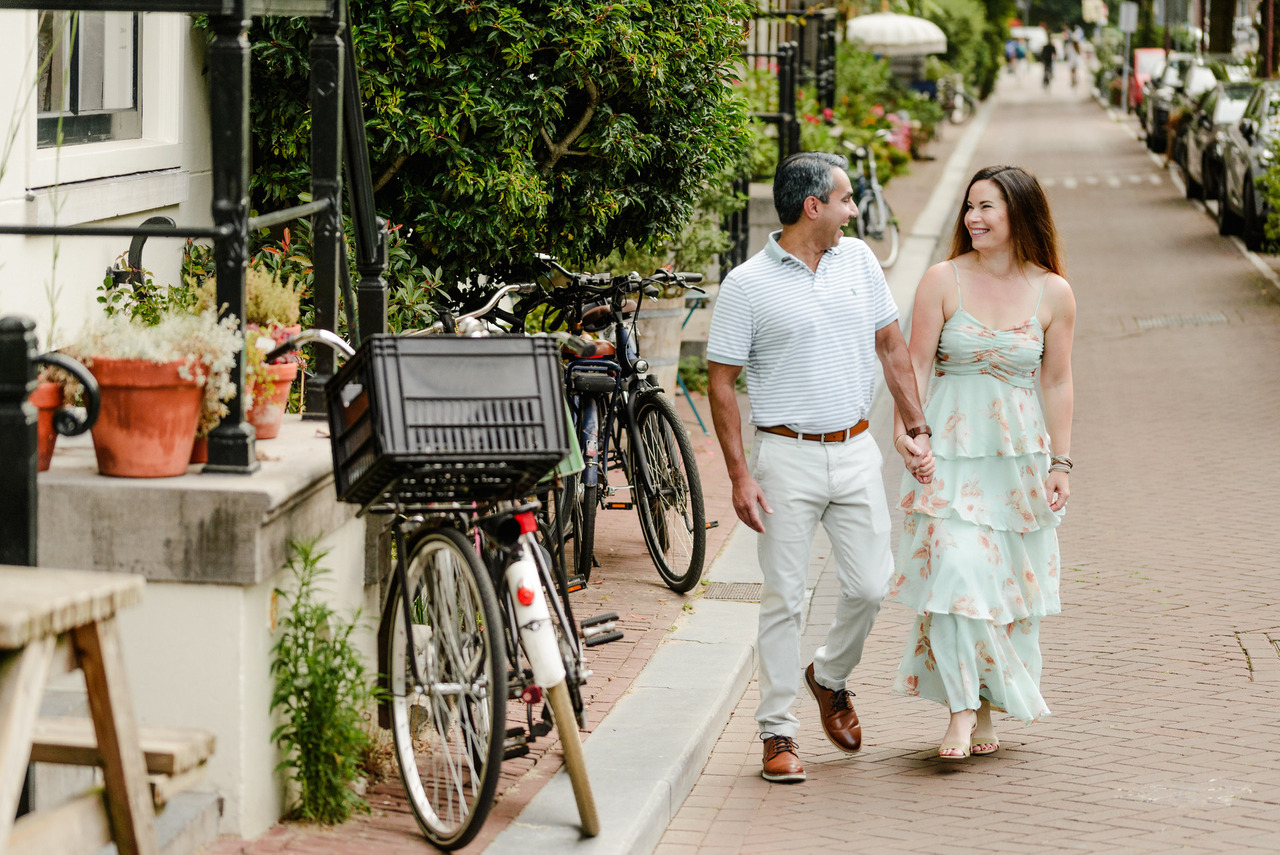
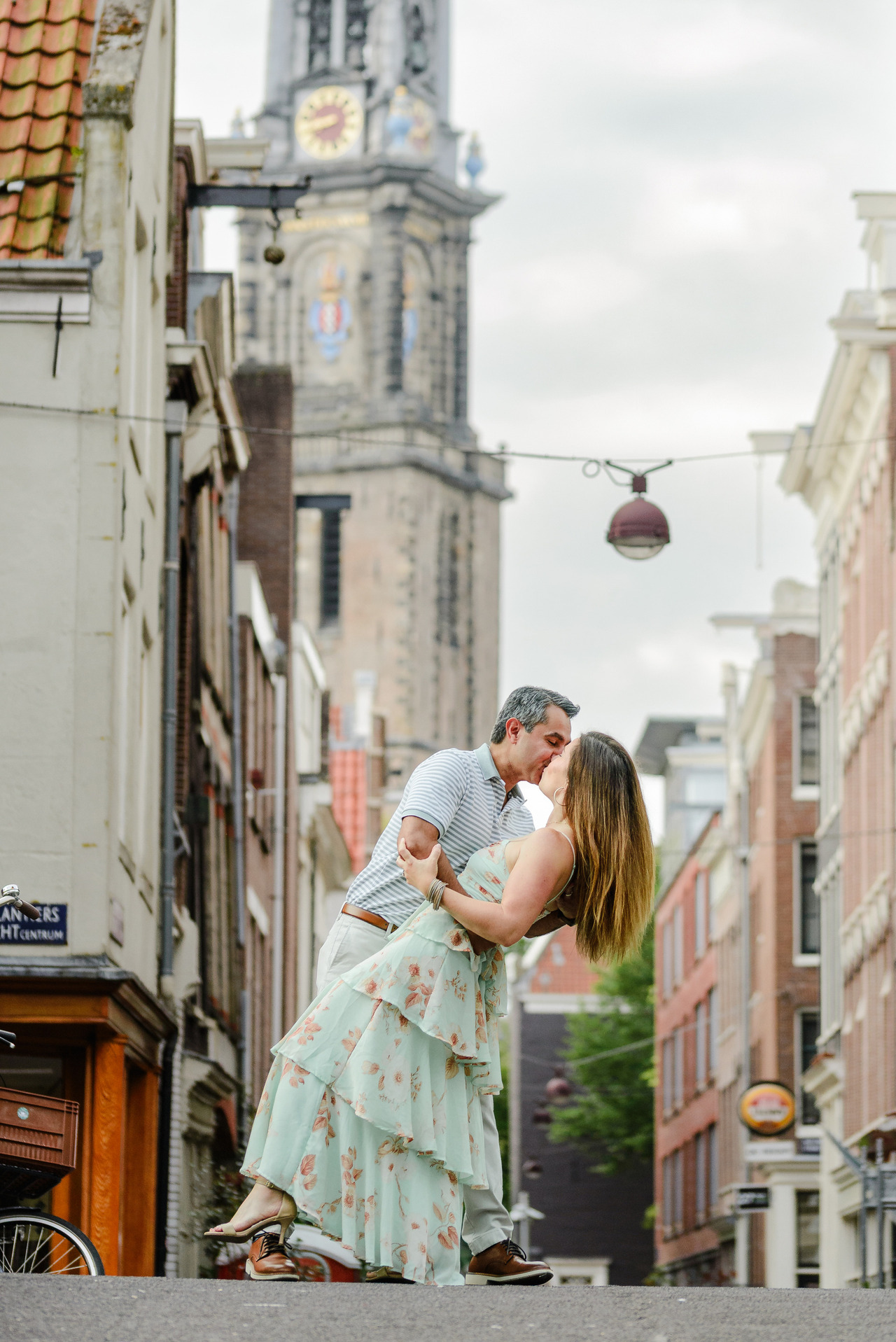
The neighborhood becomes intimate both emotionally and visually.
Why Both Areas Matter
One of the things I usually explain during photo sessions is that Amsterdam’s neighborhoods naturally blend into each other while walking. The divisions are not completely obvious unless you already know the city well, and that is part of what makes Amsterdam so interesting to explore slowly.
For photography experiences with me, this becomes very important while planning routes.
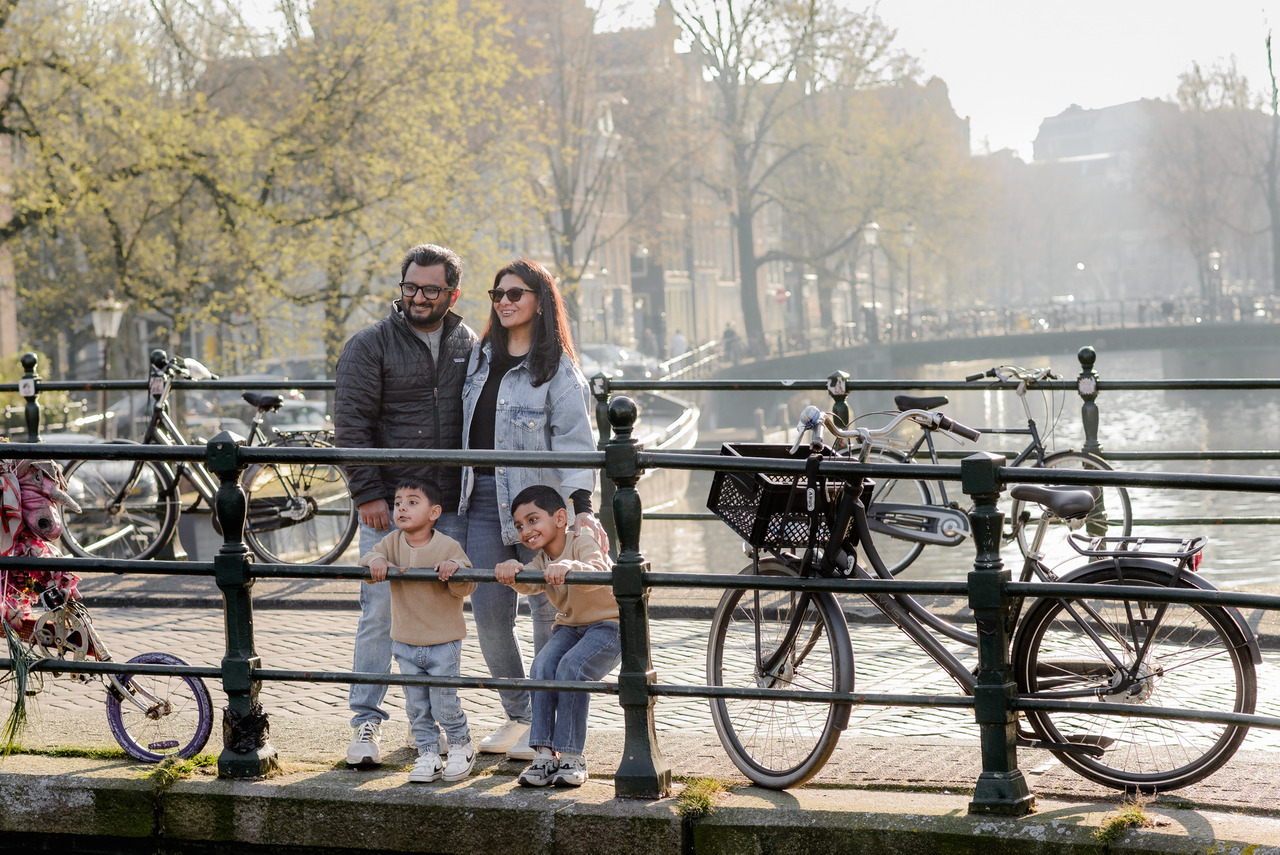
Shorter sessions (Essential Session) usually focus on one main atmosphere or area, while longer experiences like the Urban Storybook or Your Story allow us to move naturally between different parts of the city and experience how Amsterdam changes street by street.
Even if somebody selects Jordaan as the main route, I still love incorporating parts of the Canal Belt nearby, especially around Prinsengracht and the surrounding streets. And when somebody chooses the Canal Belt, I usually include some of the quieter little streets nearby that create a softer and more intimate atmosphere similar to Jordaan, but still surrounded by monumental houses.
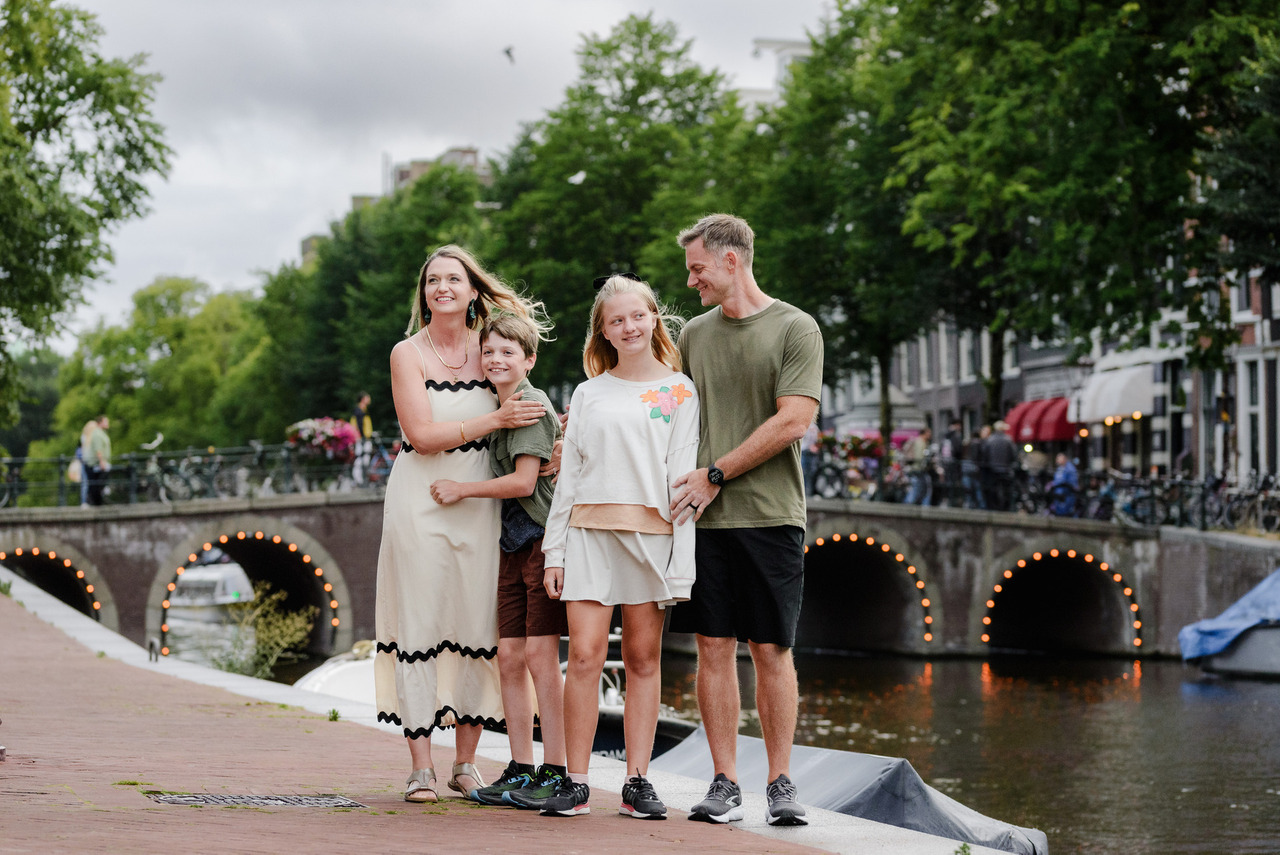
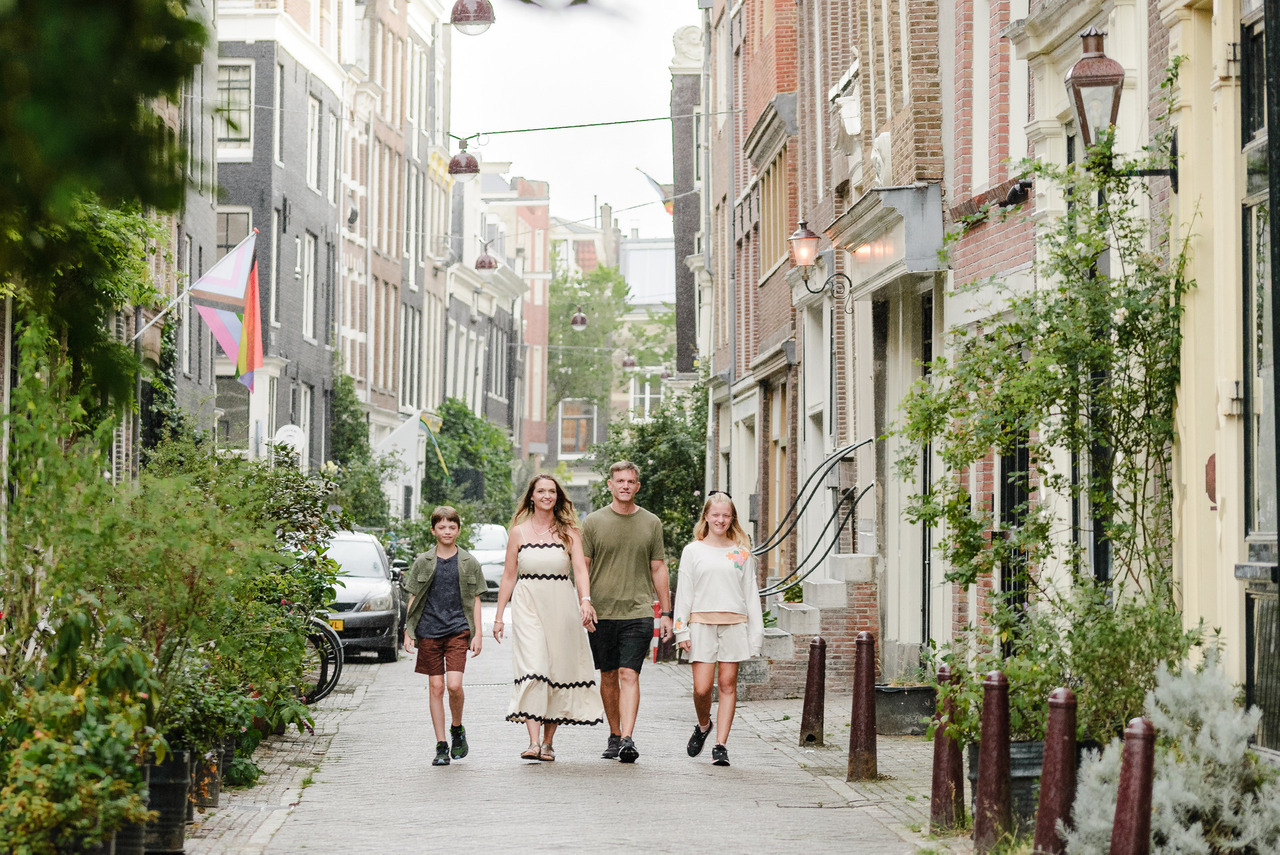
Longer sessions sometimes allow us to cross diagonally through the city itself, starting in Jordaan and slowly moving through the Canal Belt all the way toward Singel, experiencing how the architecture, canals, streets, and atmosphere change naturally while walking. Or we can always create a route for you.
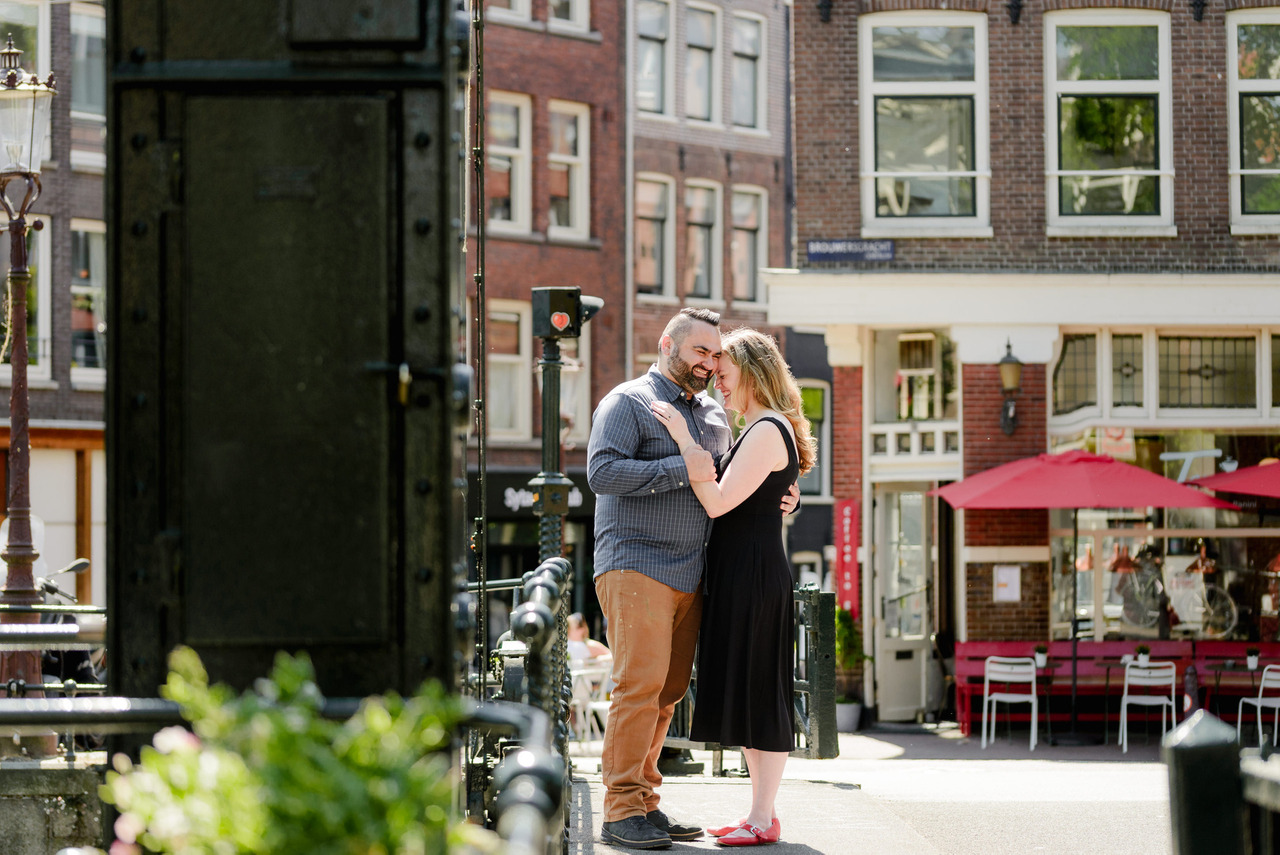
At the end, every route is adapted to each client, their pace, and the type of Amsterdam they dream about experiencing.
Because from my perspective, the best Amsterdam experience usually includes a little bit of both: the grand historical beauty of the Canal Belt and the quieter charm of Jordaan.
And what about all the other areas the city has? Let’s keep that for another blog post.
Until next time in Amsterdam.
Joanna
Your Vacation Photographer in Amsterdam