

Photographers don’t price for today’s economy. We price for the economy that will exist when the project lifecycle ends.
Lately, I’ve been thinking a lot about storage.
Modern cameras create bigger and bigger files. RAW files are heavier, archives are larger, galleries stay online longer, backups multiply, and clients expect long-term access to their memories. At the same time, the same storage and memory companies photographers depend on are being affected by AI infrastructure, data centers, and increasing global demand for fast storage systems.
And suddenly, something that used to feel almost invisible inside photography businesses becomes a very real operational cost.
A photography session today is no longer only about the hours spent photographing or editing. Behind every delivered gallery, there are storage systems, cloud subscriptions, backups, archive management, transfer systems, and long-term file maintenance that continue to exist long after the session itself is finished.
The interesting part is that photographers usually price projects months ahead. Sometimes clients book six months or even a year before the work is fully completed and archived.

Which means we are constantly trying to predict the cost structure of a future economy while pricing in the present.
Personally, I strongly believe in backups and redundancy while projects are active. Multiple copies, protected workflows, and careful archive systems are essential. But I also think photographers need to start understanding that RAW files are working files, not permanent products. The final delivered photographs are the product. Everything else is infrastructure.
I also think digital photography quietly changed client expectations around permanence. Because files are digital, many people naturally assume photographs will continue existing somewhere indefinitely and remain instantly recoverable years later. But long-term preservation is not passive. It requires infrastructure, migration, organization, backups, maintenance, and ongoing operational decisions behind the scenes.
In many ways, modern photography businesses have slowly become accidental archive systems as well.
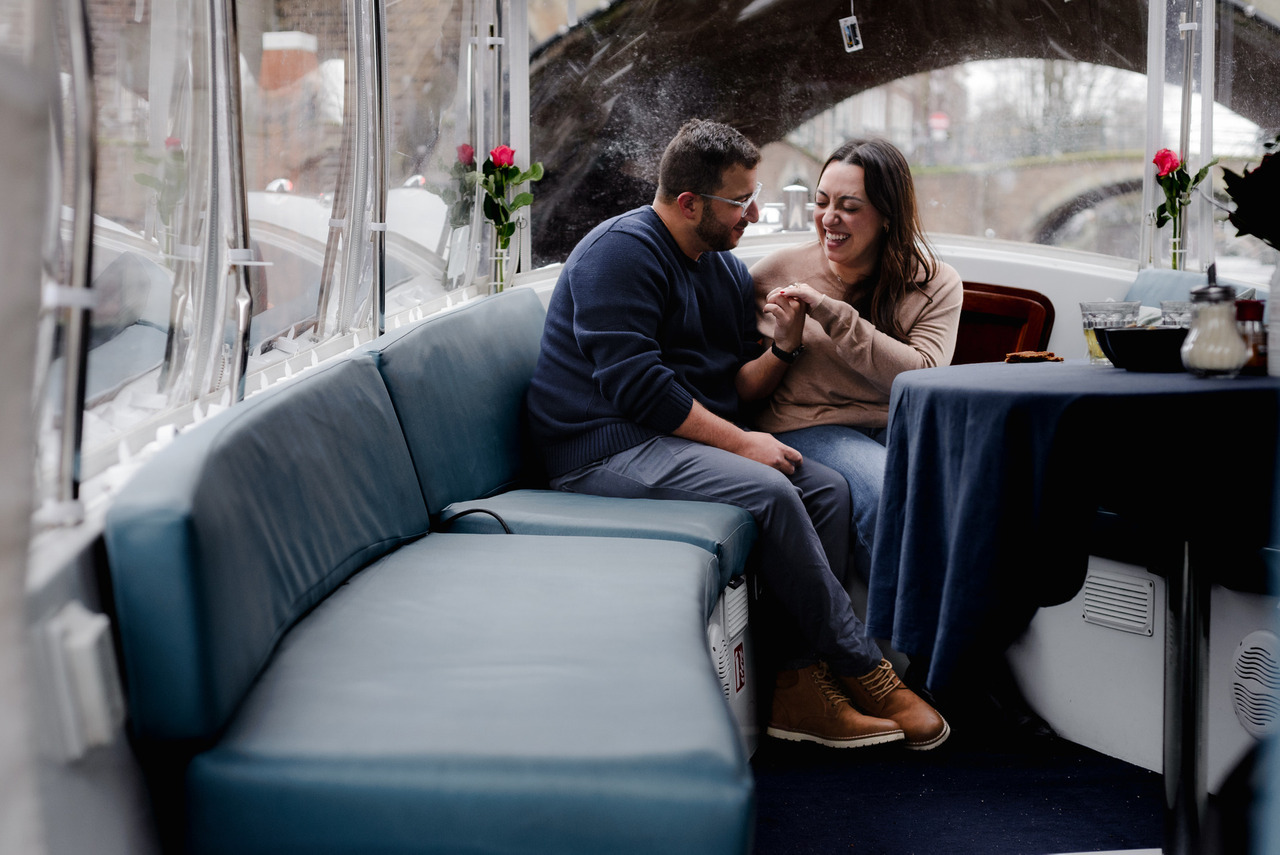
At the same time, I sometimes wonder if we are also creating enormous archives that we rarely truly experience again.
Thousands of photographs quietly live inside hard drives, cloud systems, galleries, phones, and folders that are almost never opened after the first week. We continue photographing more and more moments, but many of them slowly disappear into invisible digital storage.
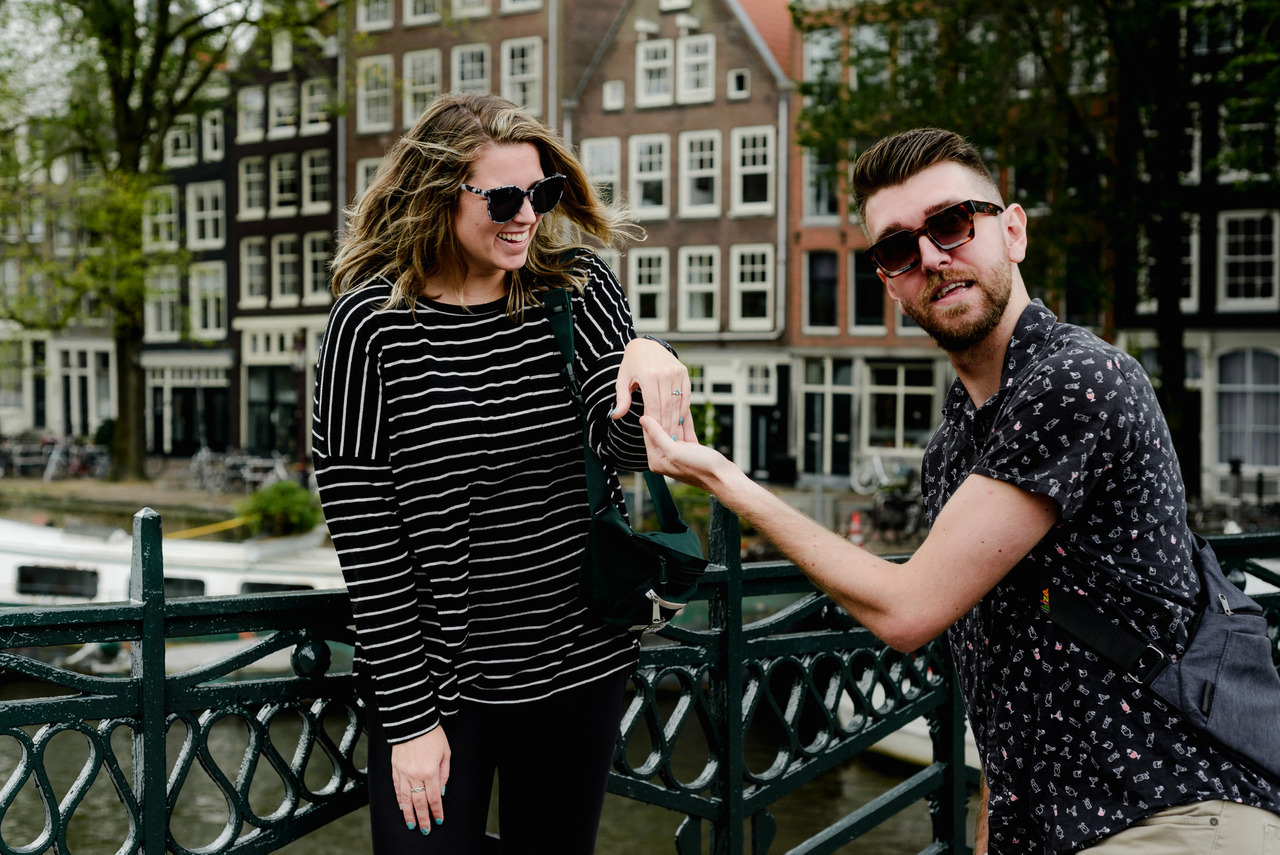
And maybe this is why I find myself appreciating printed photographs, albums, framed images, and books more and more lately.
Not because technology is bad. Quite the opposite. Digital photography allowed us to preserve moments in ways that were impossible before. But physical photographs create a different relationship with memory.
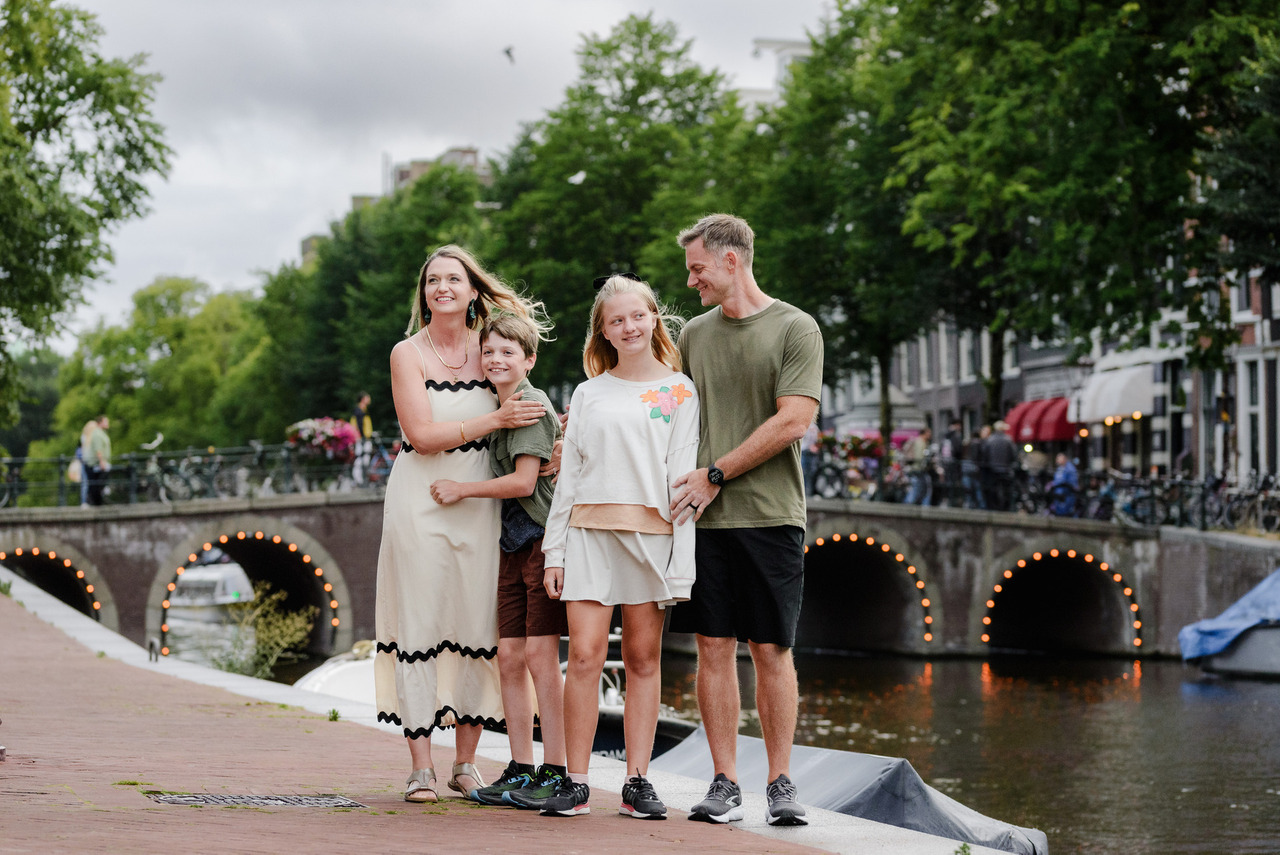
A framed photograph on a wall becomes part of daily life. A wedding album gets opened years later with children sitting around it. A travel magazine from a meaningful trip stays on a table and gets revisited unexpectedly. Printed photographs continue to exist visibly inside a home instead of silently sleeping inside an archive.
Maybe the future of photography is not only about creating more images, but about helping people reconnect with the ones that truly matter.
And maybe storage is not only changing photography businesses, but also changing the way we experience memory itself.
I believe the photographs that survive through generations are not the ones we store endlessly, but the ones we choose to live with.
Until next time in Amsterdam.
Joanna
Your Vacation Photographer in Amsterdam