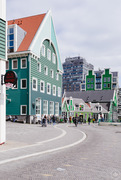

I went to Leeuwarden with a printed map, a camera, and one full day to explore.
It was the last of a series of day trips I took around the Netherlands during the summer, and one of the things I wanted to find out was how much you can really experience when you have only one free day. Quite a lot, as it turns out.
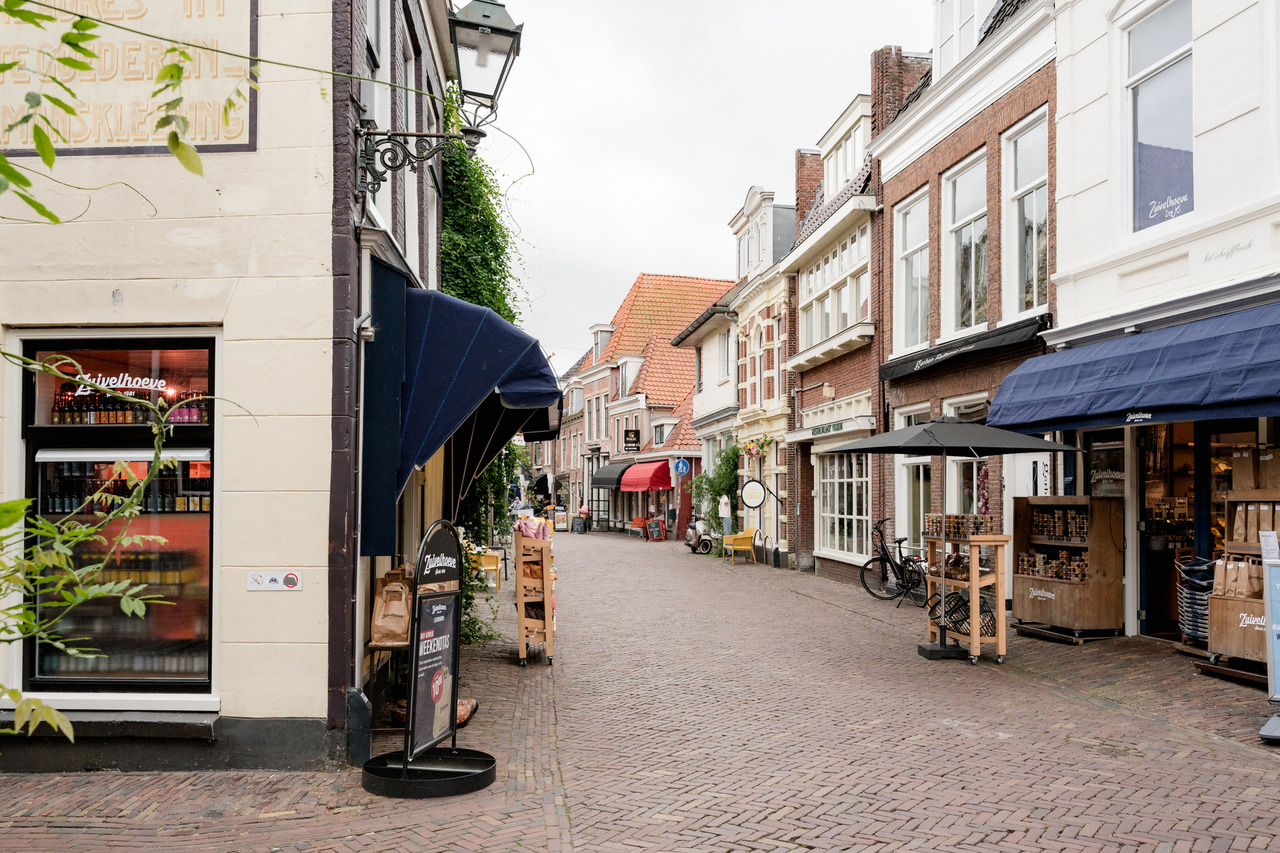
Leeuwarden is the capital of Friesland, but it doesn't feel like a city that needs to be rushed. The historic centre is compact and extremely walkable, with canals, old courtyards, churches, museums and pieces of public art appearing along the way.
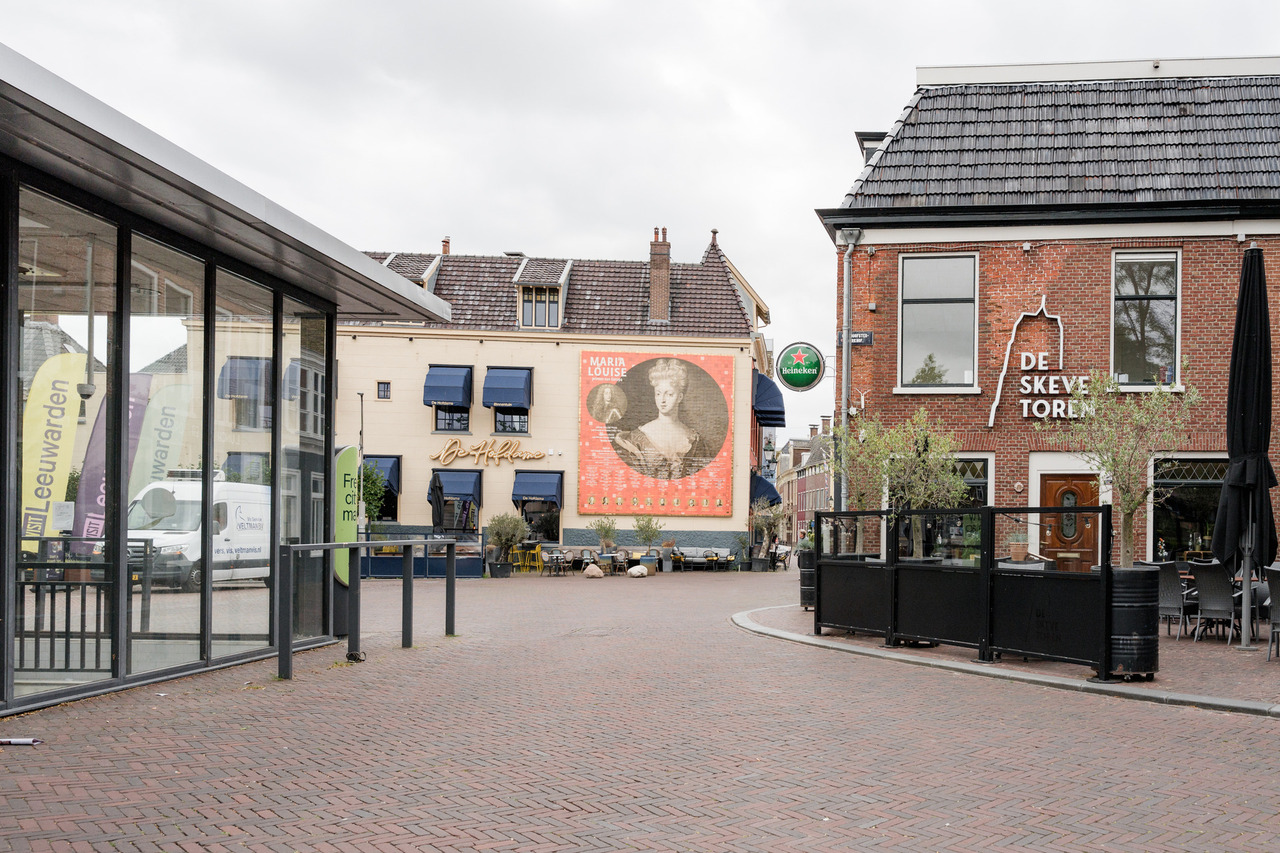
Some places were already on my map. Others I found simply because I saw something interesting and decided to follow it.
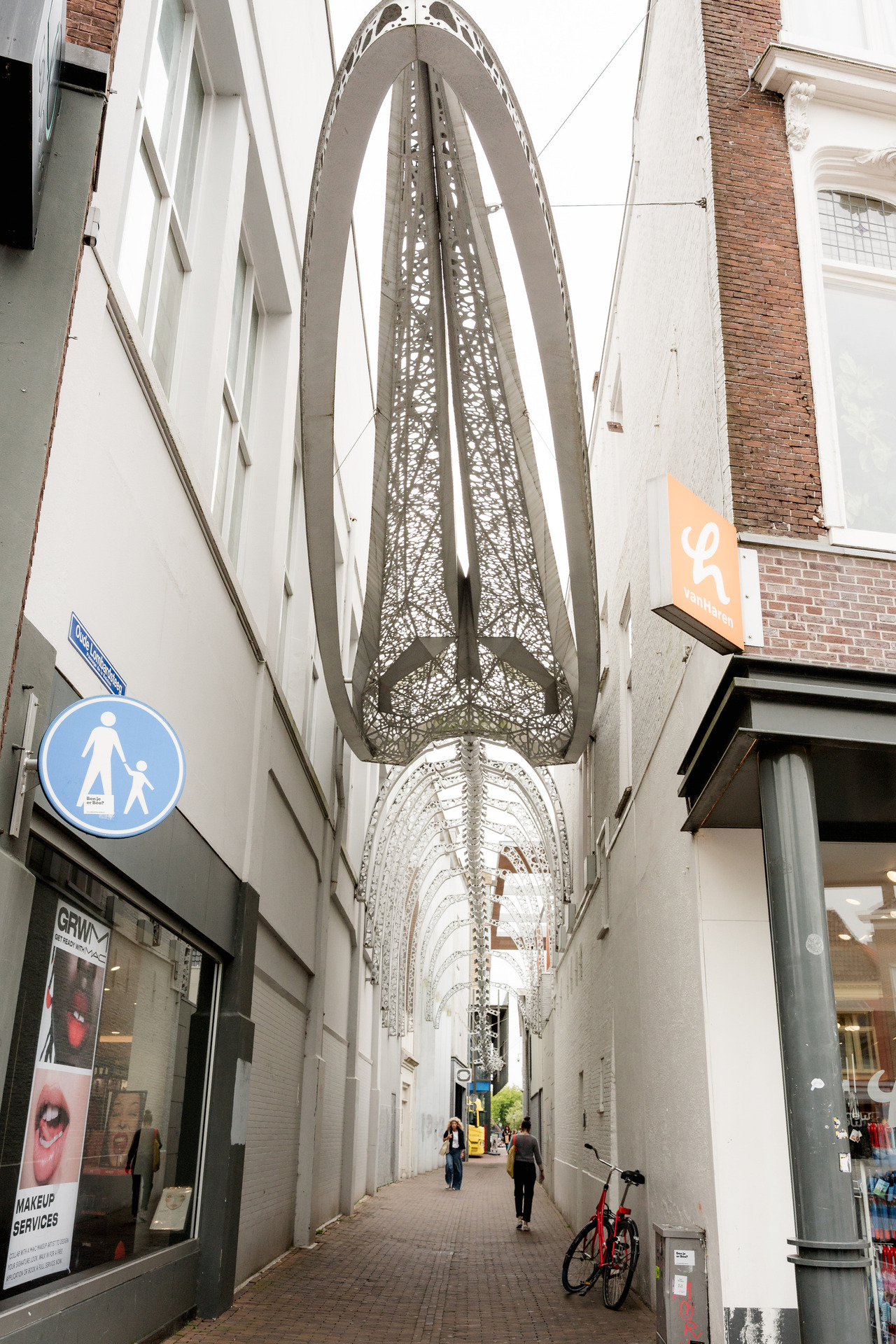
If you're planning your own visit, these are the places I'd put on your list.
1. Start at the Fries Museum
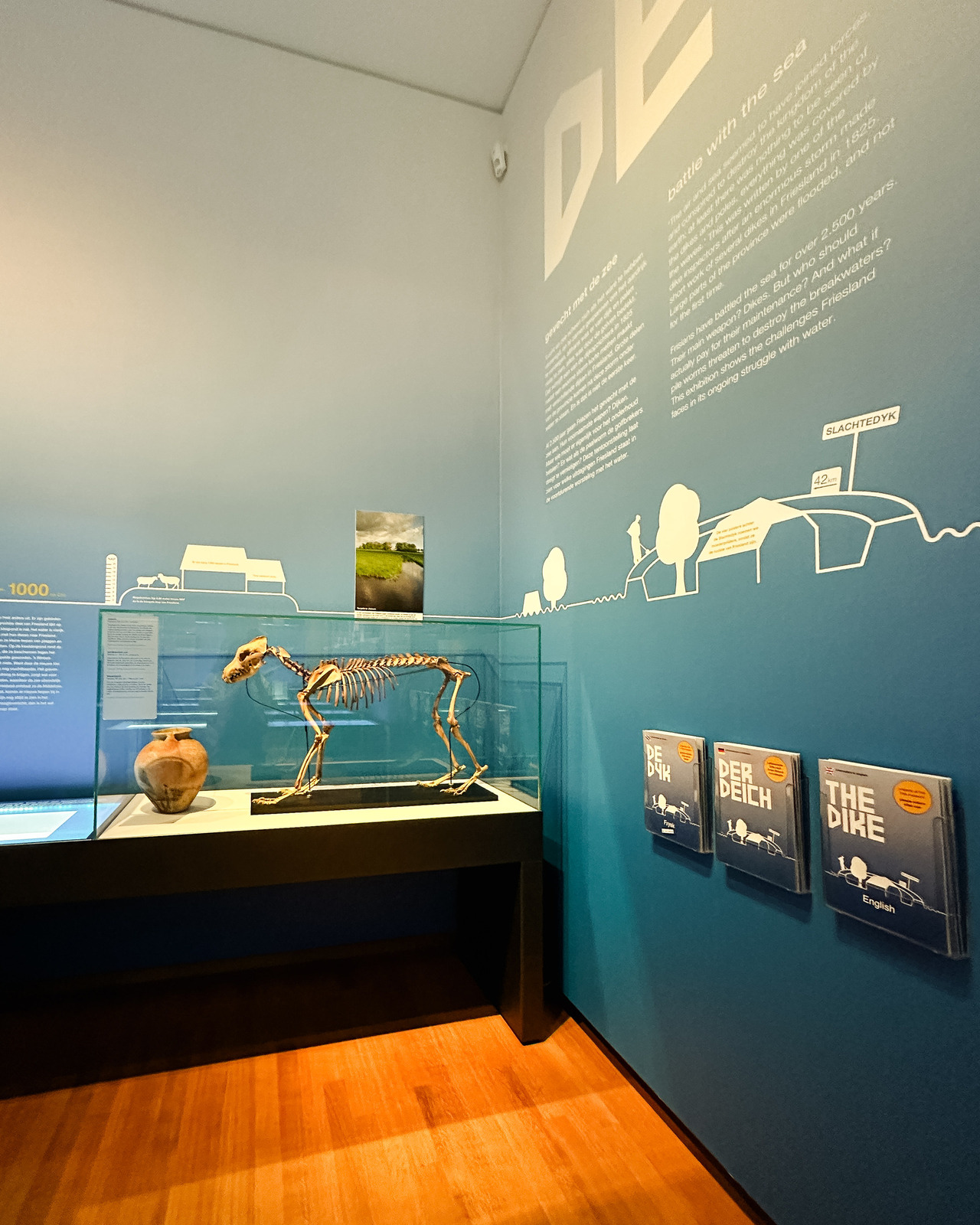
The Fries Museum is probably the best place to begin understanding where you are. Friesland has its own identity, history, and language, and the museum gives you context for the rest of the city rather than treating Leeuwarden simply as another pretty Dutch destination.
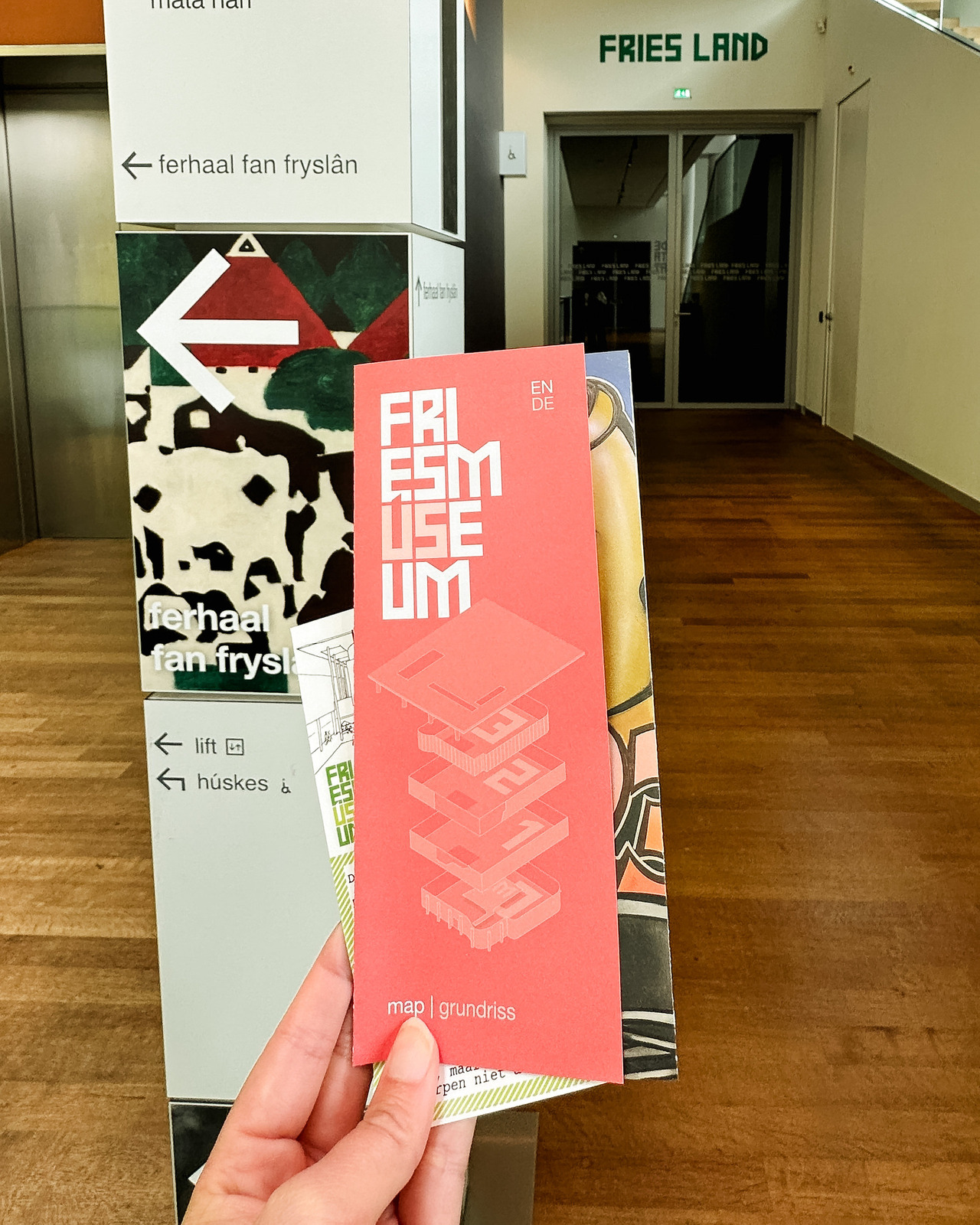
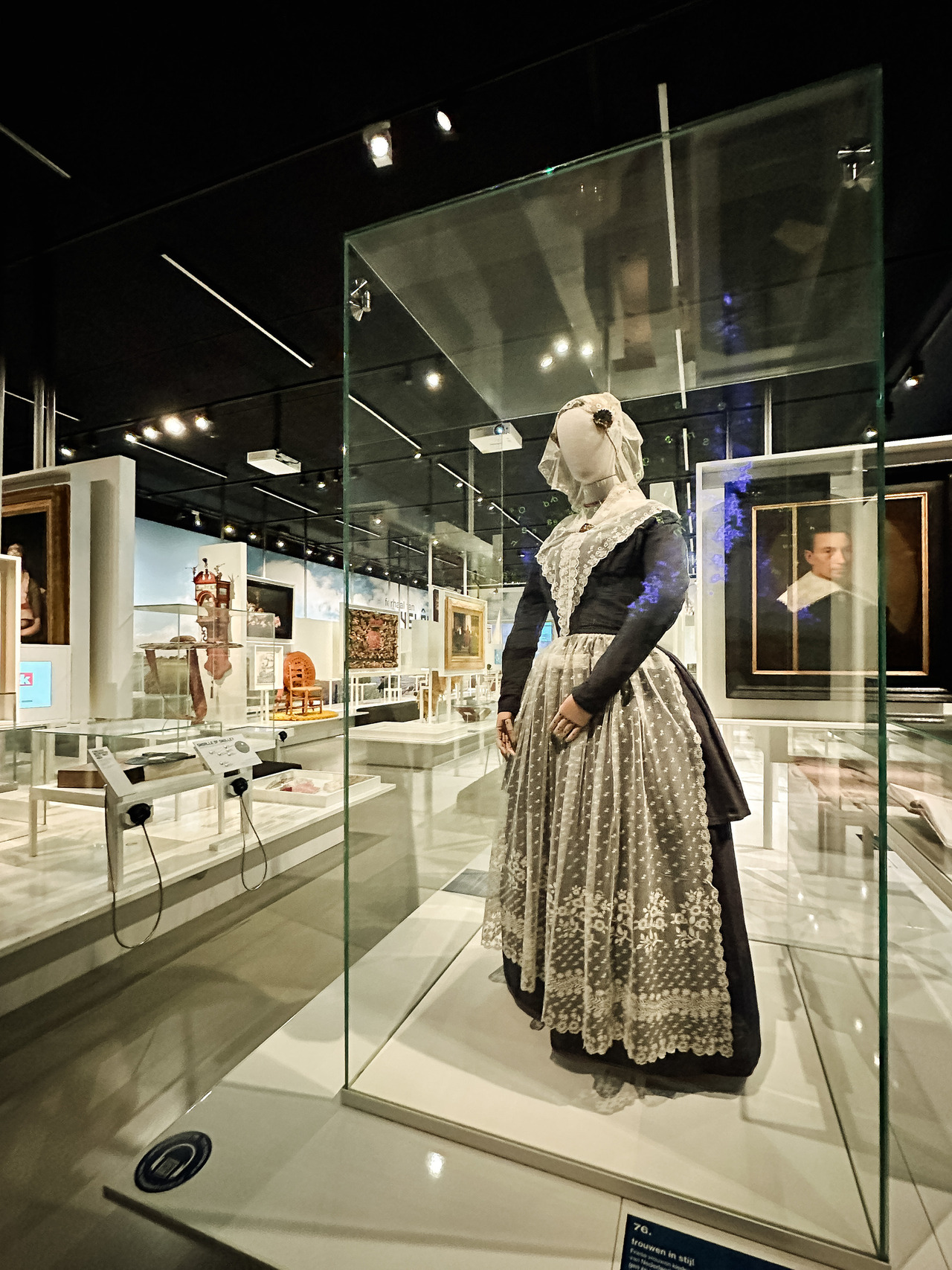
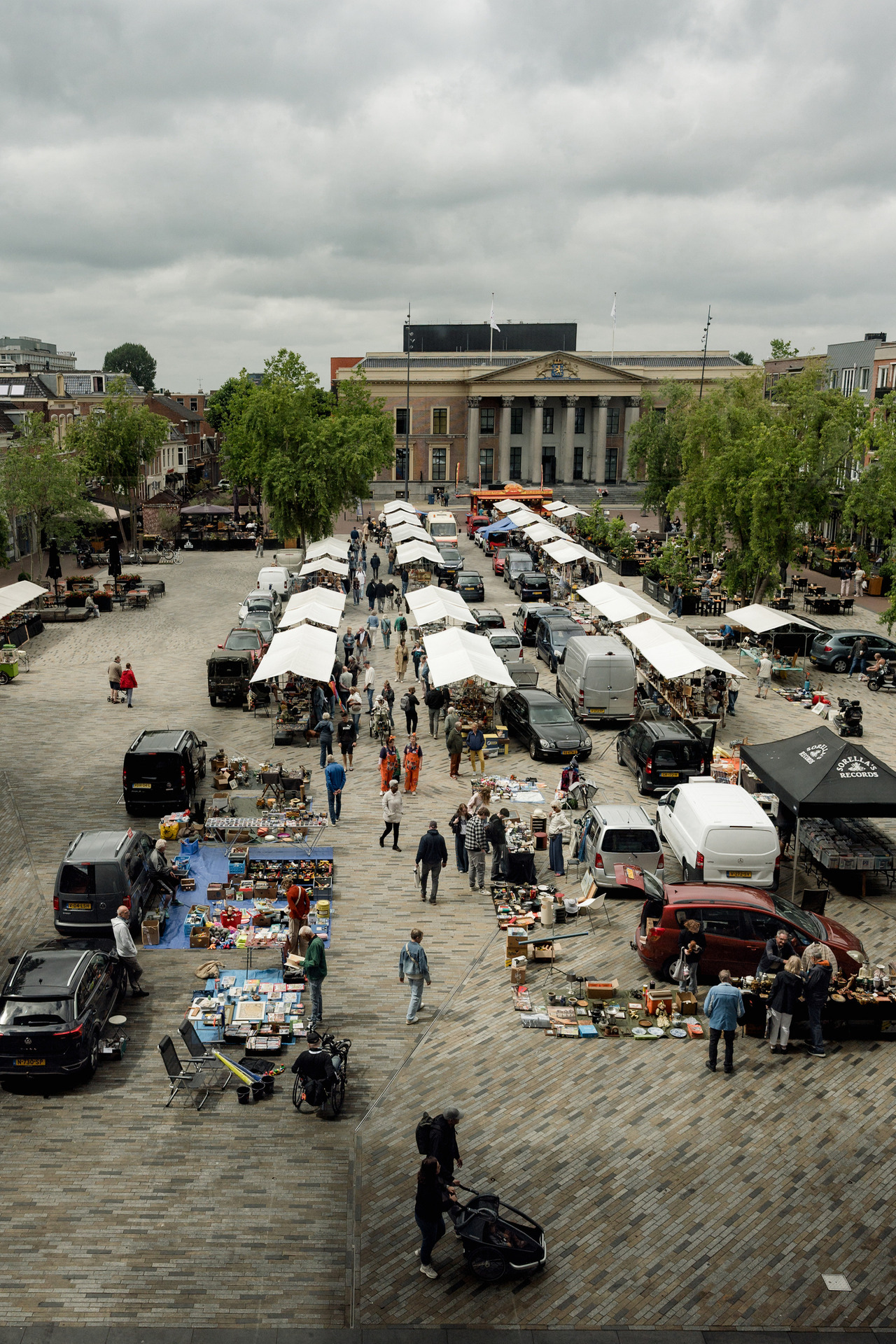
The museum sits directly on Wilhelminaplein, and even before going inside, the location is worth paying attention to. From the museum, I photographed the square below, which gives you a completely different perspective on the centre.
If museums are an important part of your trips, I'd give this one proper time rather than treating it as a quick stop.
2. Find the Oldehove: Leeuwarden's leaning tower
You don't have to look very hard for the Oldehove. The unfinished church tower has become one of Leeuwarden's most recognizable landmarks, partly because it leans.
Construction began in 1529, with ambitions for a new church and a tower that would rise higher than Utrecht's Dom and Groningen's Martinitoren. But the soft ground had other plans. The tower began leaning while it was still being built. The builders even tried to compensate by continuing vertically on top of the leaning structure, which is why the Oldehove isn't only tilted; it's slightly curved. Construction was eventually abandoned in 1533.
What I didn't know before arriving was that 2026 is a restoration year. The Oldehove was surrounded by scaffolding and a protective covering during my visit while work was being carried out on its brickwork, joints, iron structures, and clock faces. The restoration is scheduled to continue until December 2026.
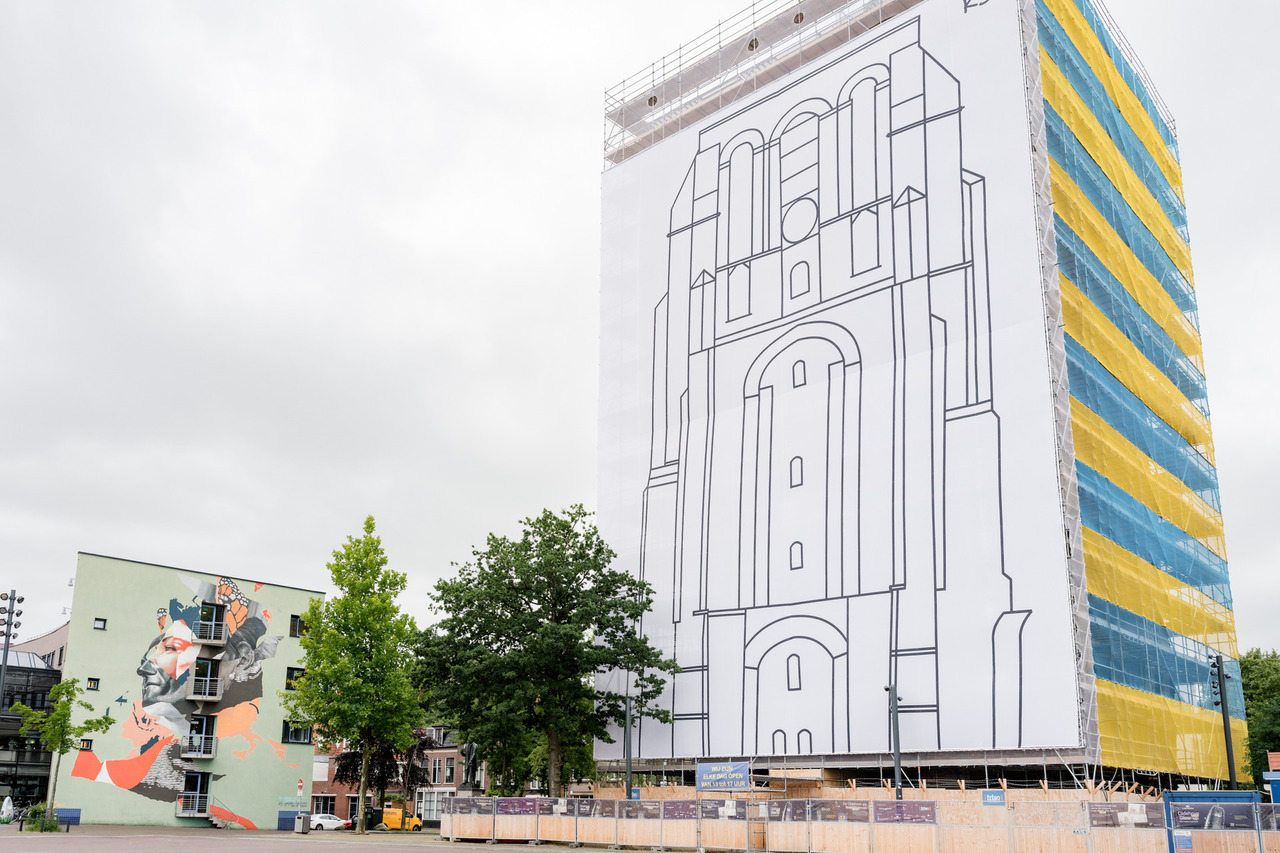
You can still visit and climb the tower during much of the restoration period, but I decided not to. If I'm going to climb Leeuwarden's most famous landmark, I want to experience the tower when I can see it properly too. So instead of being a disappointment, finding the Oldehove wrapped up has given me a very good reason to return to Leeuwarden.
Now, don't leave the square without walking behind the tower. About ten metres behind the Oldehove, on Torenstraat, there's a mural called Hou Alde hou!, created by LJ van Tuinen in 2021. It depicts a woman at a window and refers to an old folk tale explaining how the Oldehove got its name.
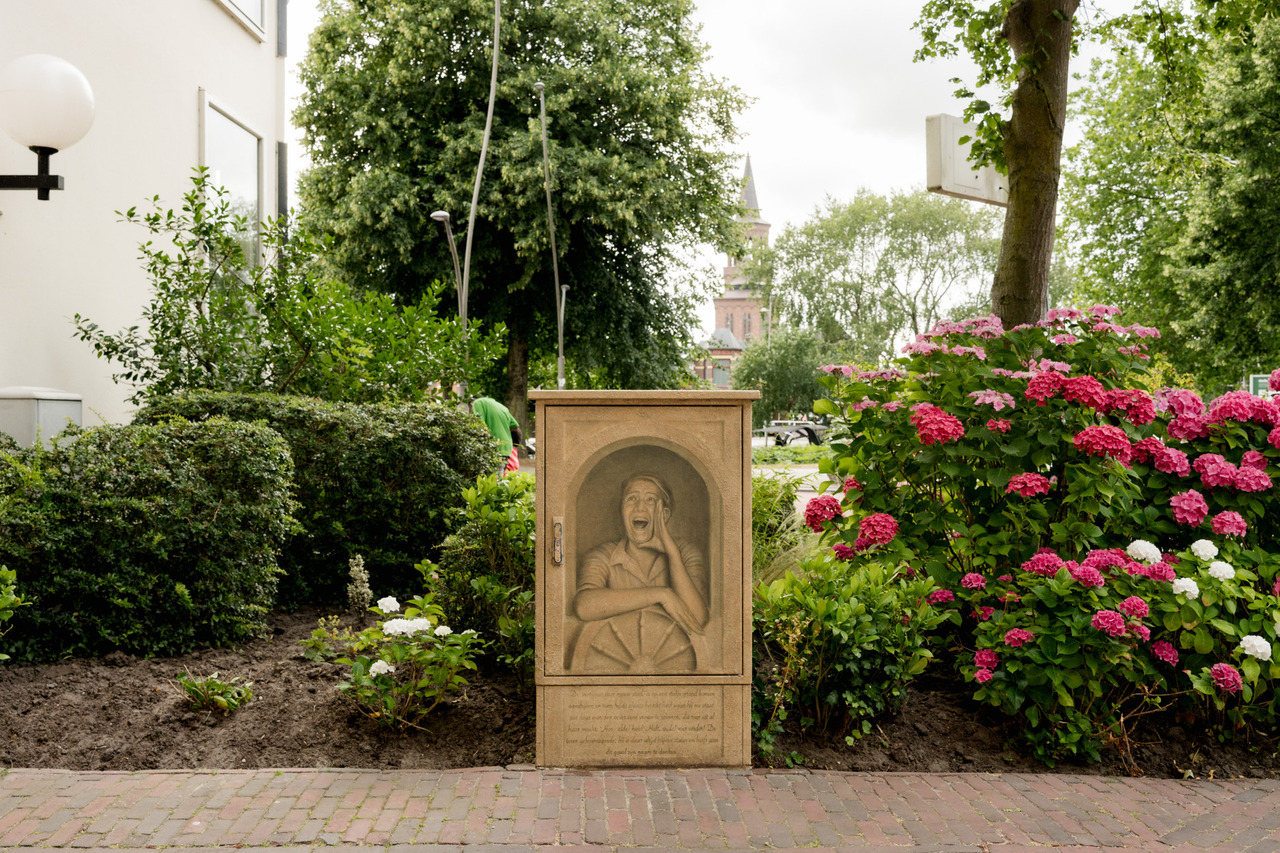
According to the story, a tower came floating across the old Middelzee on a piece of land. An elderly woman sitting on the shore saw it approaching and called out “Hou, âlde! hou!” Essentially telling the old thing to stop. The tower obeyed, settled where it stands today, and, according to the legend, Oldehove got its name from her call.
Walk through the Prinsentuin
After streets and museums, the Prinsentuin gives you a completely different side of Leeuwarden. This historic park sits beside the water and is filled with mature trees, paths, and views over the boats.
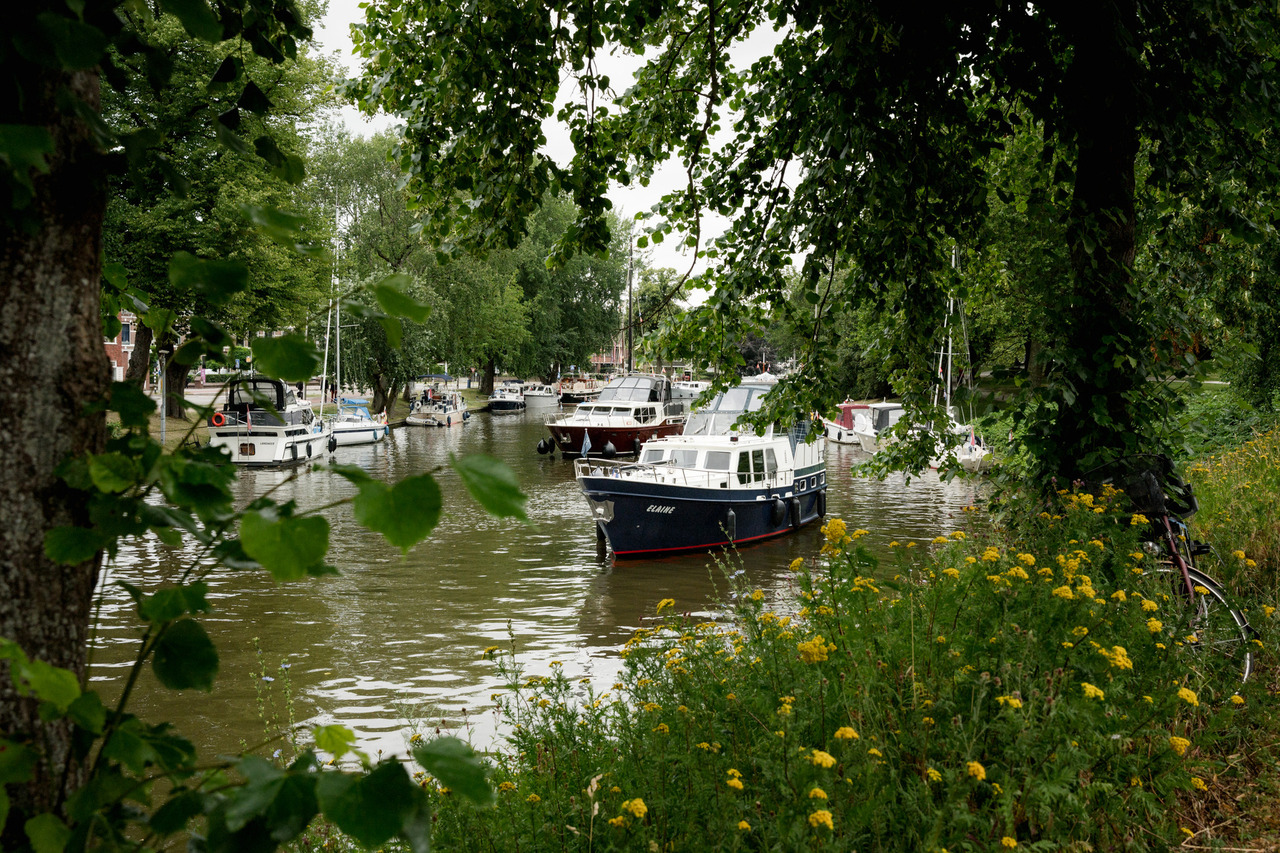
It was one of the places where I slowed down rather than looking for a particular monument. If you're doing Leeuwarden as a day trip, I'd deliberately leave some time for places like this. Not every stop needs an objective.
4. Look inside the Boshuizengasthuis
One of my favourite discoveries in Leeuwarden was its gasthuizen. The Boshuizengasthuis is a historic almshouse built around a peaceful courtyard. From the street, you could easily walk past without realizing what's behind the entrance. And that's precisely why I loved these places.
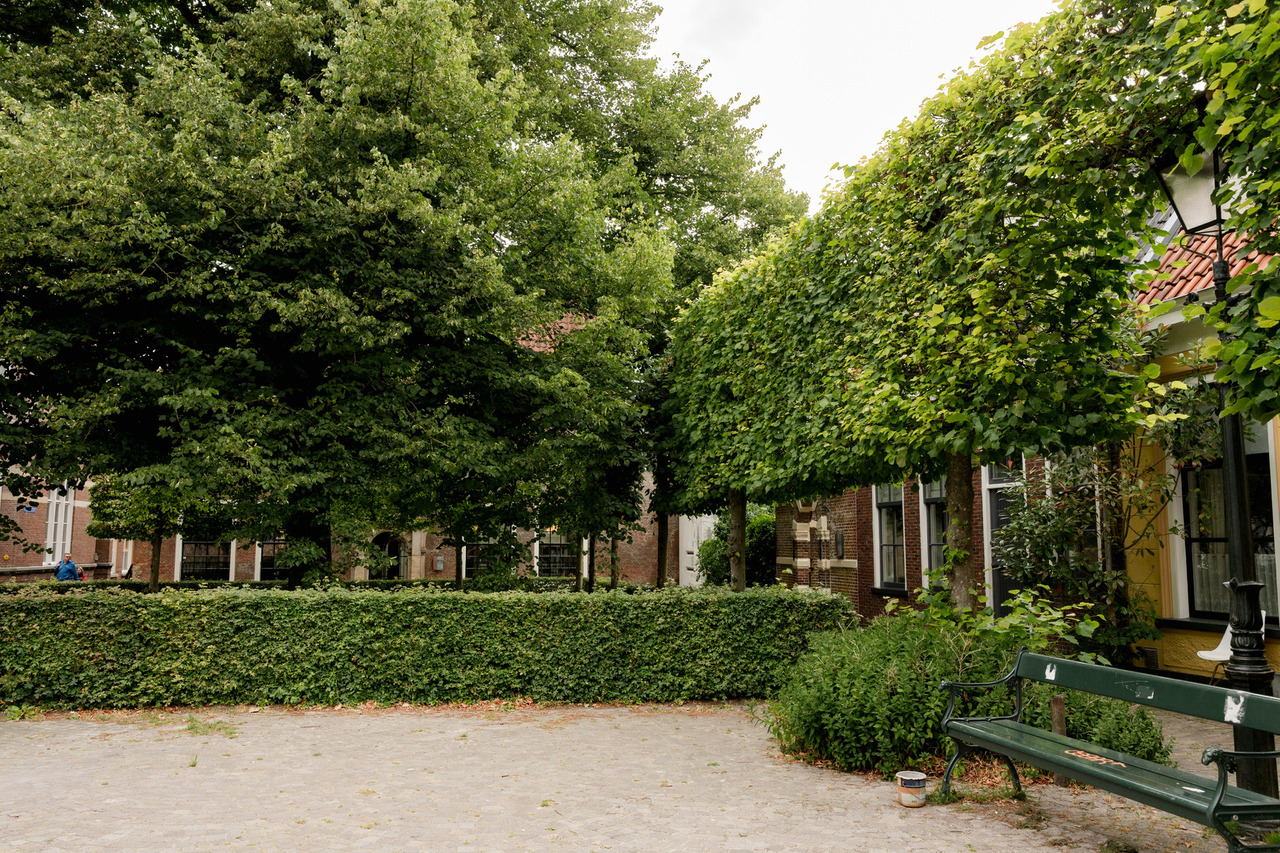
You move from the city into an enclosed courtyard, and suddenly everything becomes quiet.
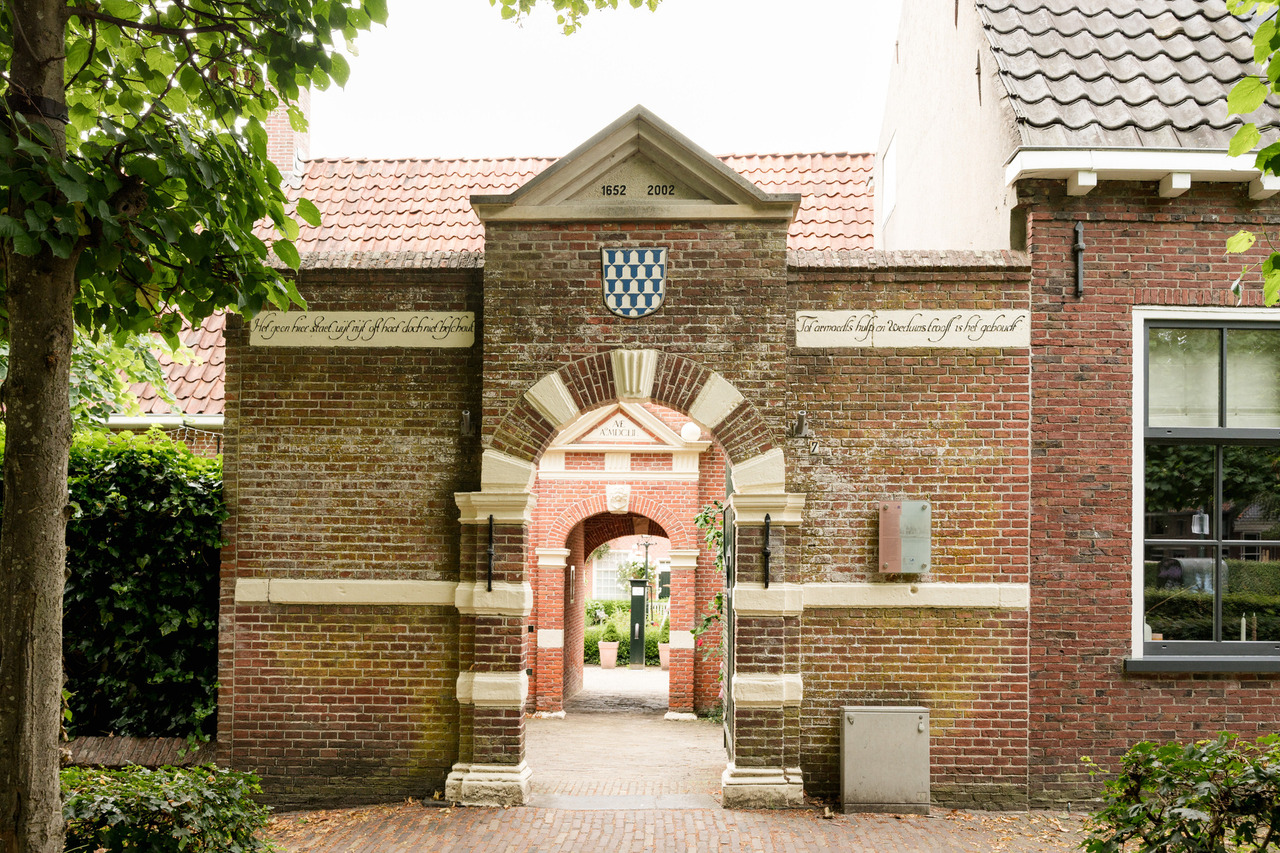
These complexes also tell another part of Dutch urban history: charitable housing created for people who needed support, particularly older residents.
5. Discover the Nieuw Sint Anthony Gasthuis
The Nieuw Sint Anthony Gasthuis gives you another opportunity to see this tradition of courtyard housing. Rather than visiting only monumental churches and civic buildings, places like these show how people actually lived and how welfare and community were organized within the city.
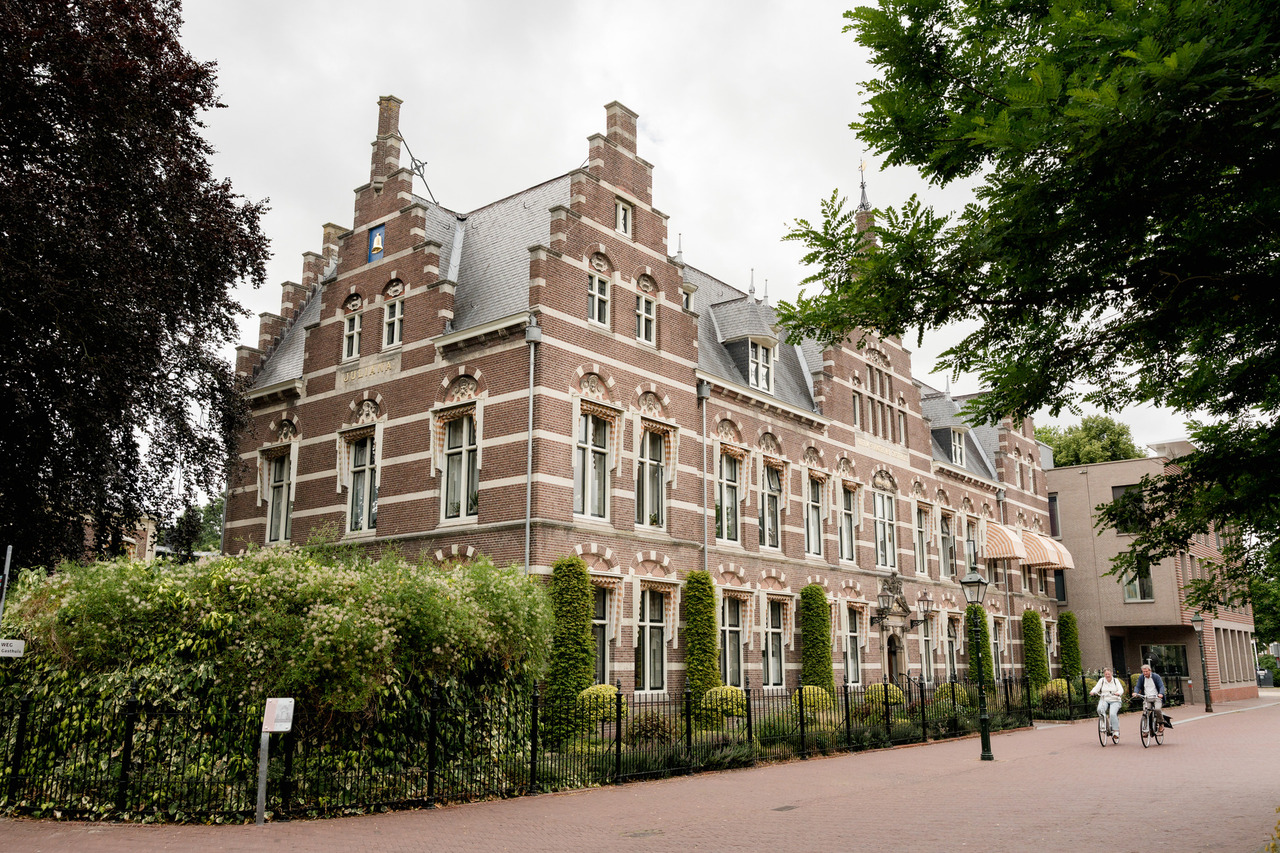
Architecturally, they're also beautiful places to photograph: brick façades, gardens, symmetrical courtyards, and little details that you would never notice from the main shopping streets.
6. Visit the Grote Jacobijnerkerk
The Grote of Jacobijnerkerk is one of Leeuwarden's most important historic churches. Its history reaches back to the Dominican monastery established here during the Middle Ages, and the building later became closely connected with the Frisian branch of the House of Nassau.
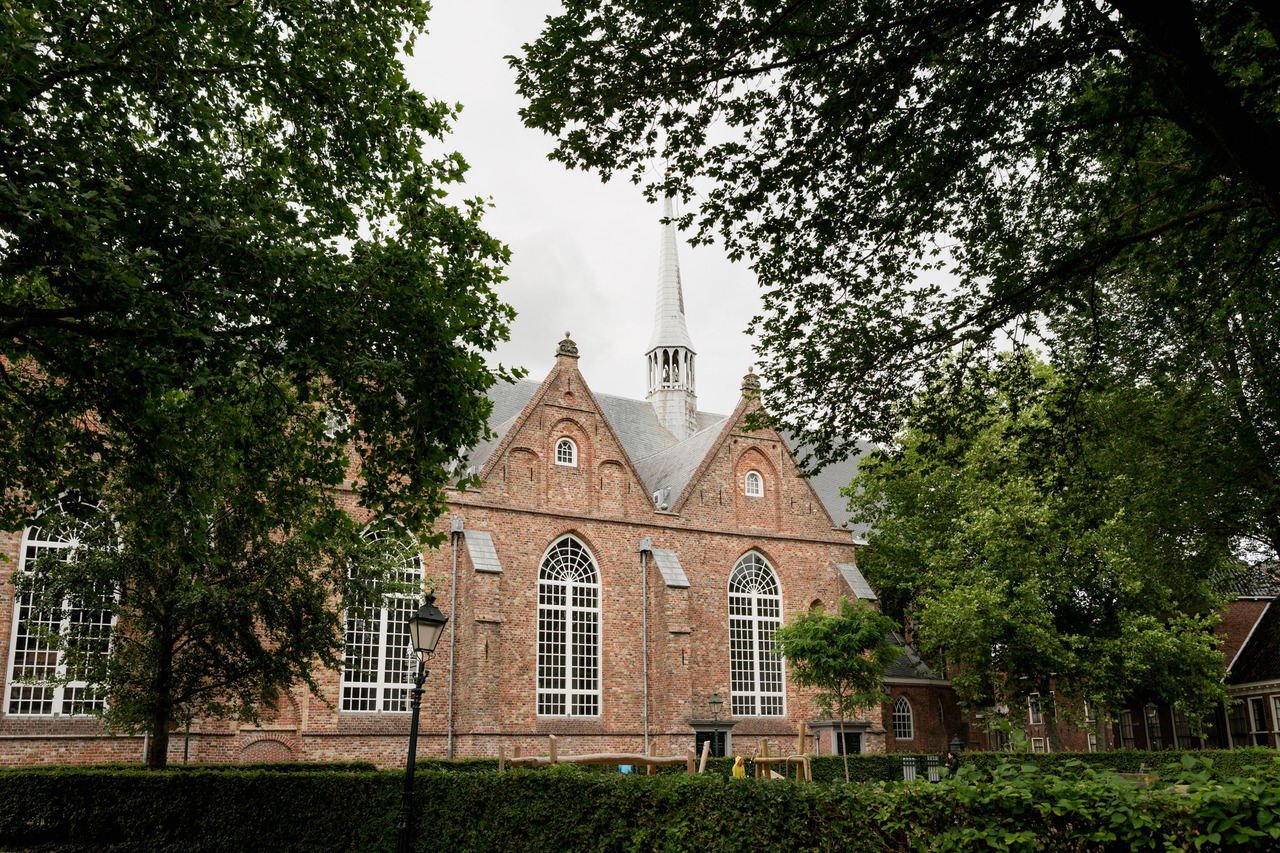
It's worth visiting not simply because it's an old church, but because it helps connect Leeuwarden with the larger political history of the Netherlands.
This is one of the things I found particularly interesting during the day: Leeuwarden may feel geographically removed from the cities we usually associate with Dutch political history, but it has its own important place within that story.
7. Stop at the former Jewish School
This was one of the quieter historical stops of my walk. Leeuwarden once had a significant Jewish community, and traces of that history remain throughout the city. The former Jewish School is one of those places that you might pass without understanding its significance unless you know what you're looking at.
I like including places like this in a walking route because they change the way you read a city. History isn't always represented by the biggest or most photogenic building.
8. See the former Nieuwe Stadsweeshuis
The building that now houses Natuurmuseum Fryslân was once Leeuwarden's city orphanage, the Nieuwe Stadsweeshuis. Even if the natural-history museum itself isn't part of your plans, the building is worth noticing while walking through the centre.
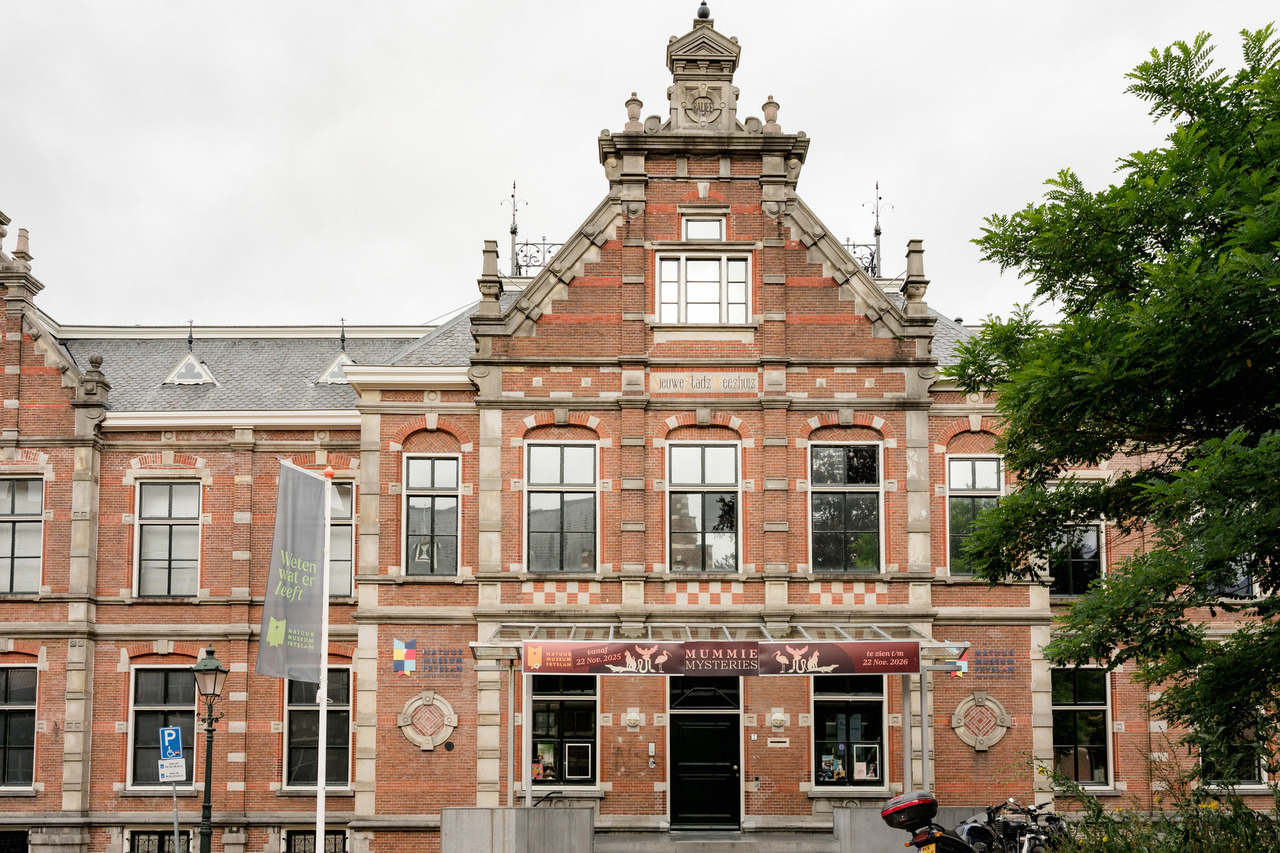
It's another example of why I enjoyed exploring Leeuwarden on foot: buildings that initially appear simply beautiful often have a completely different story once you stop and investigate them.
9. Look for the Wall of Languages
You can't really talk about Friesland without talking about language. Frisian isn't simply a dialect of Dutch; it is a language in its own right and an important part of Frisian cultural identity.
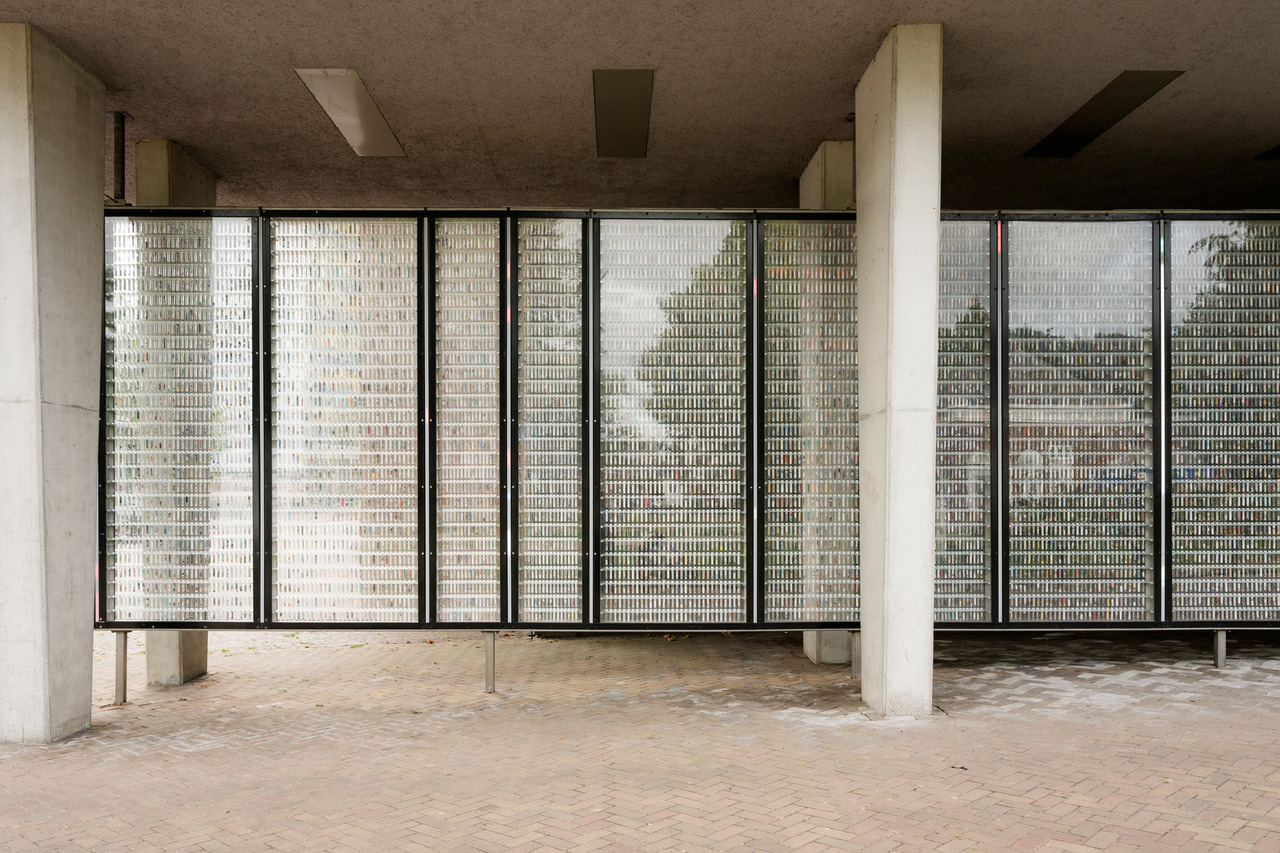
The Wall of Languages turns that idea into something you encounter physically while walking through Leeuwarden. It's a small stop compared with a museum or monument, but it makes sense within a city where language and identity are so closely connected.
10. Find the Wall of Connection
Another piece worth looking for is the Wall of Connection. Public art became one of the recurring themes of my day in Leeuwarden. I kept finding pieces that weren't simply decorative but connected to people, identity, or stories from the city.
That's also why I wouldn't recommend walking through Leeuwarden while looking only at Google Maps. Look around.
Some of the most interesting things aren't necessarily the places you originally came to find.
11. Explore Leeuwarden's street art
One of my biggest surprises in Leeuwarden was its street art. I first came across the Color Blind mural depicting a male dancer, and from there I found myself walking through quiet little streets, discovering more works along the way.
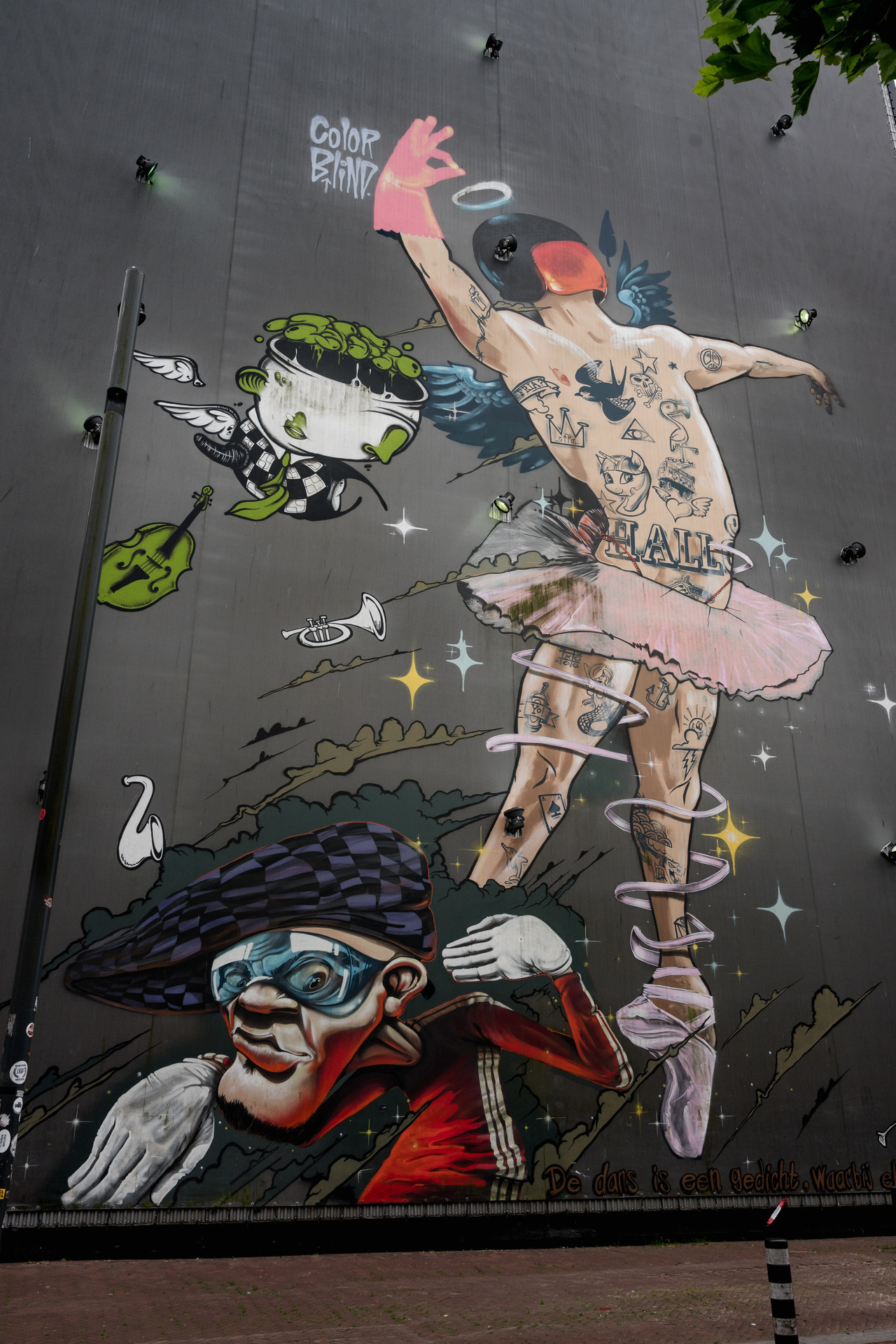
It was still very early in the morning, and some of those streets were empty. Empty enough that at one point I wasn't entirely sure I wanted to keep walking through them alone. But visually, this became one of my favourite discoveries of the day.
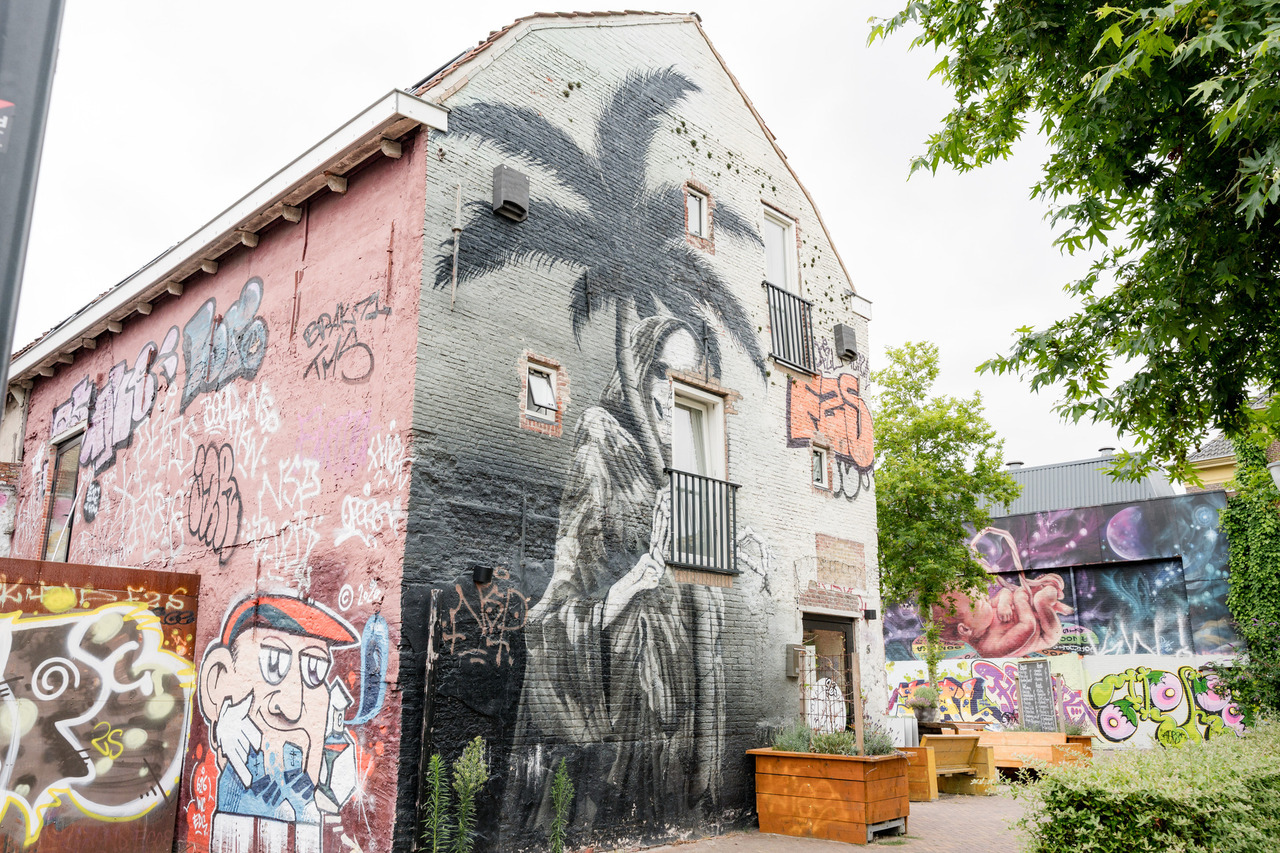
And I had only seen a small part of it. Leeuwarden has an entire street-art scene hidden among its historic buildings, with murals, painted doors, electricity boxes and smaller works tucked into alleys. There is even a dedicated walking route through the city centre for finding them. If I return to Leeuwarden, this is something I would specifically make more time for.
12. Visit Blokhuispoort
Blokhuispoort was one of the most visually interesting places I visited. The complex was formerly a prison. Today, it has been transformed into a cultural and creative space.
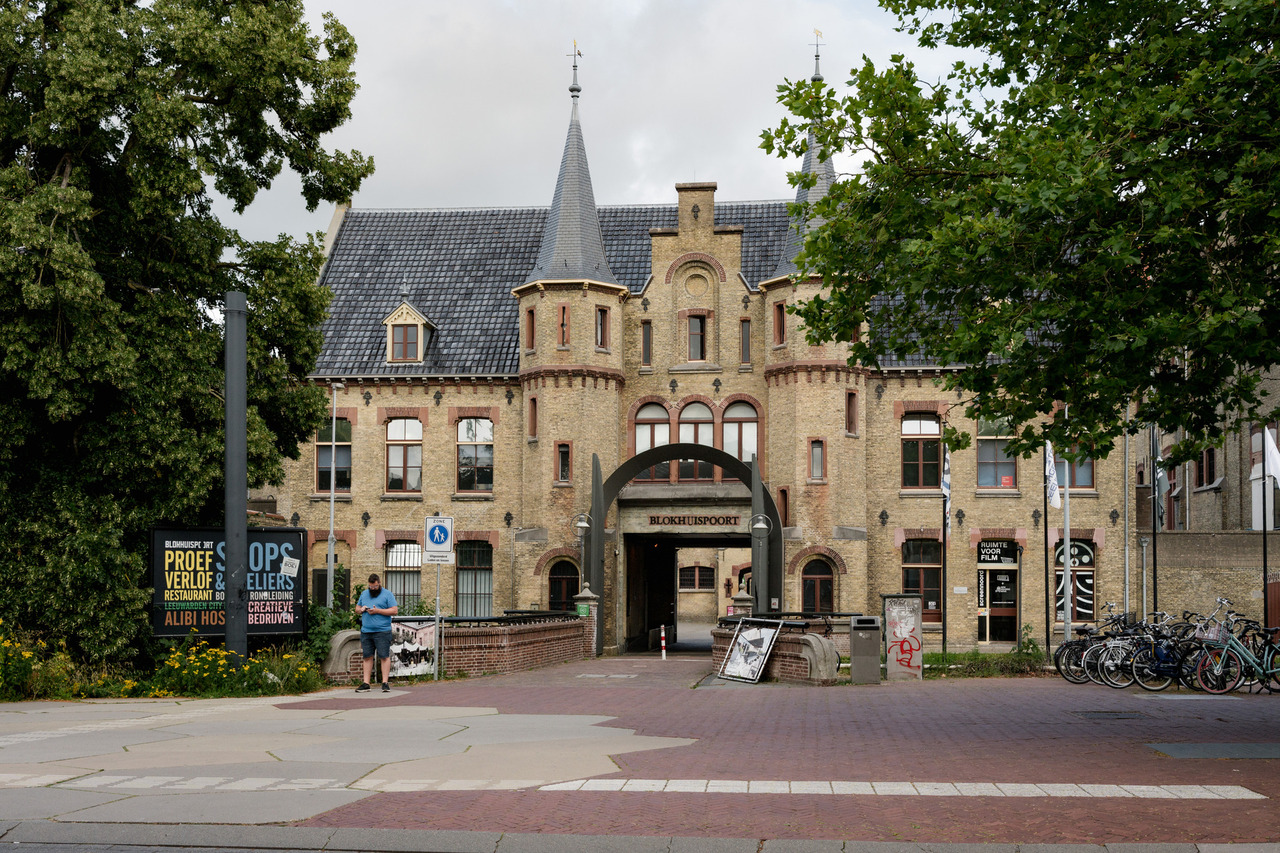
What I particularly like is that the building hasn't lost its identity in the process. You can still read its former function through the architecture while seeing how the space has been adapted for completely different uses. For me, this is much more interesting than simply demolishing an old building and starting again. Give yourself time to walk around rather than photographing only the exterior.
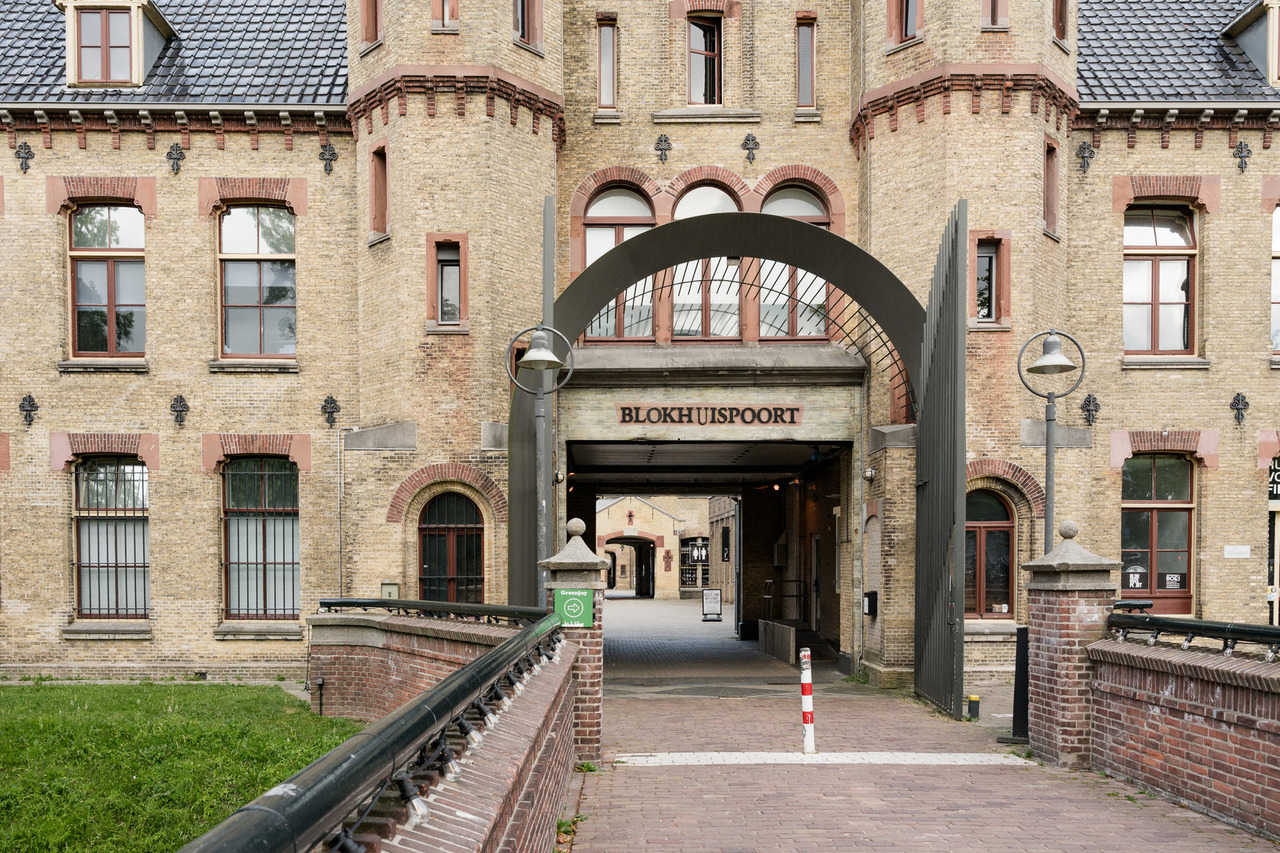
Photographing Blokhuispoort also gave me one of those small interactions that stays with you after a trip. I wanted a photograph of the entire building from across the street, but the road in front of it was busy. Every time I tried to get the shot, another car would appear.
Then something lovely started happening. Drivers noticed what I was trying to do and stopped before entering my frame, waiting while I took the photograph. A couple of them even checked with me afterwards: "did you get it?" before continuing.
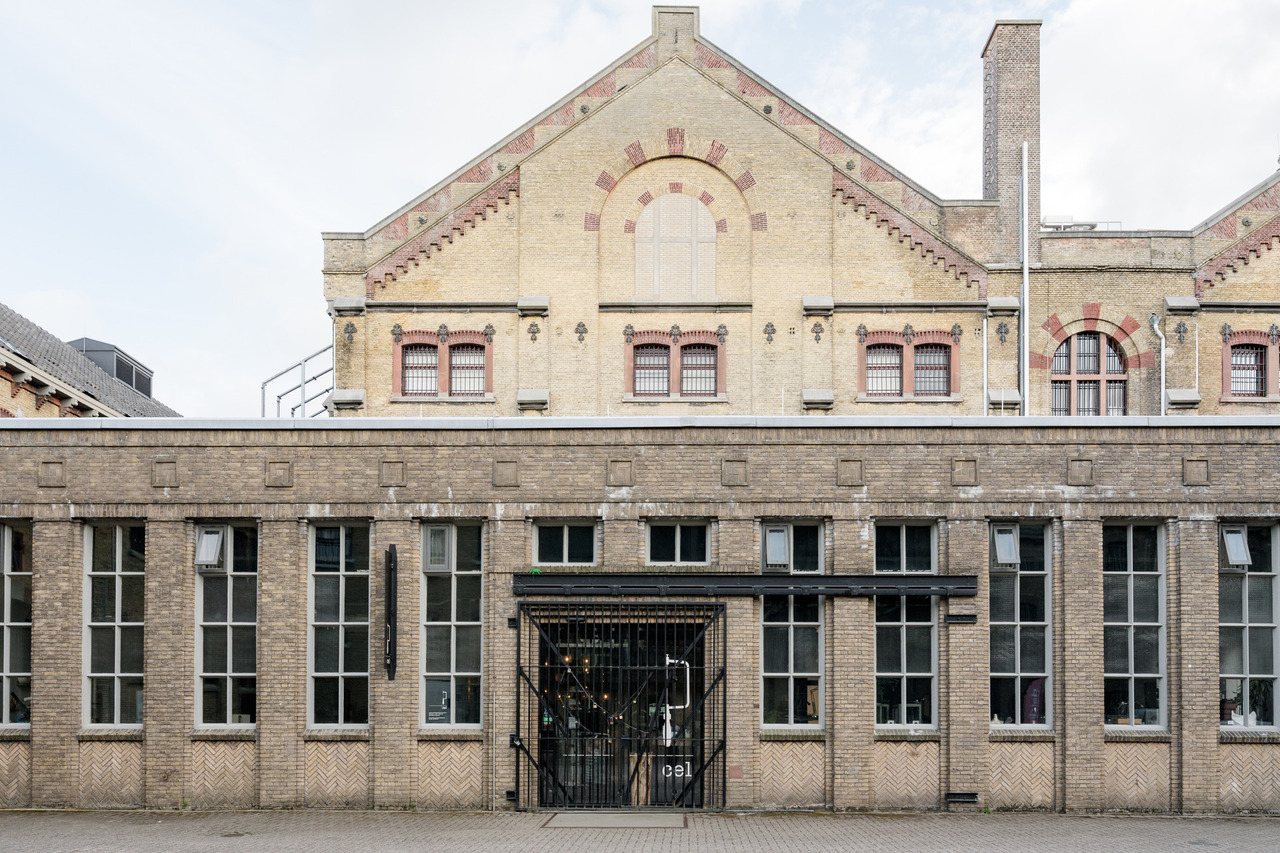
I did get the picture. But what I remember just as clearly is how kind people were about giving me those few seconds to make it.
13. Stop at De Waag
In the centre of Leeuwarden you'll find De Waag, the historic weigh house. Buildings like this are reminders of how important physical marketplaces once were to Dutch cities. Goods arriving for sale had to be officially weighed, making the weigh house part of the economic infrastructure of the city.
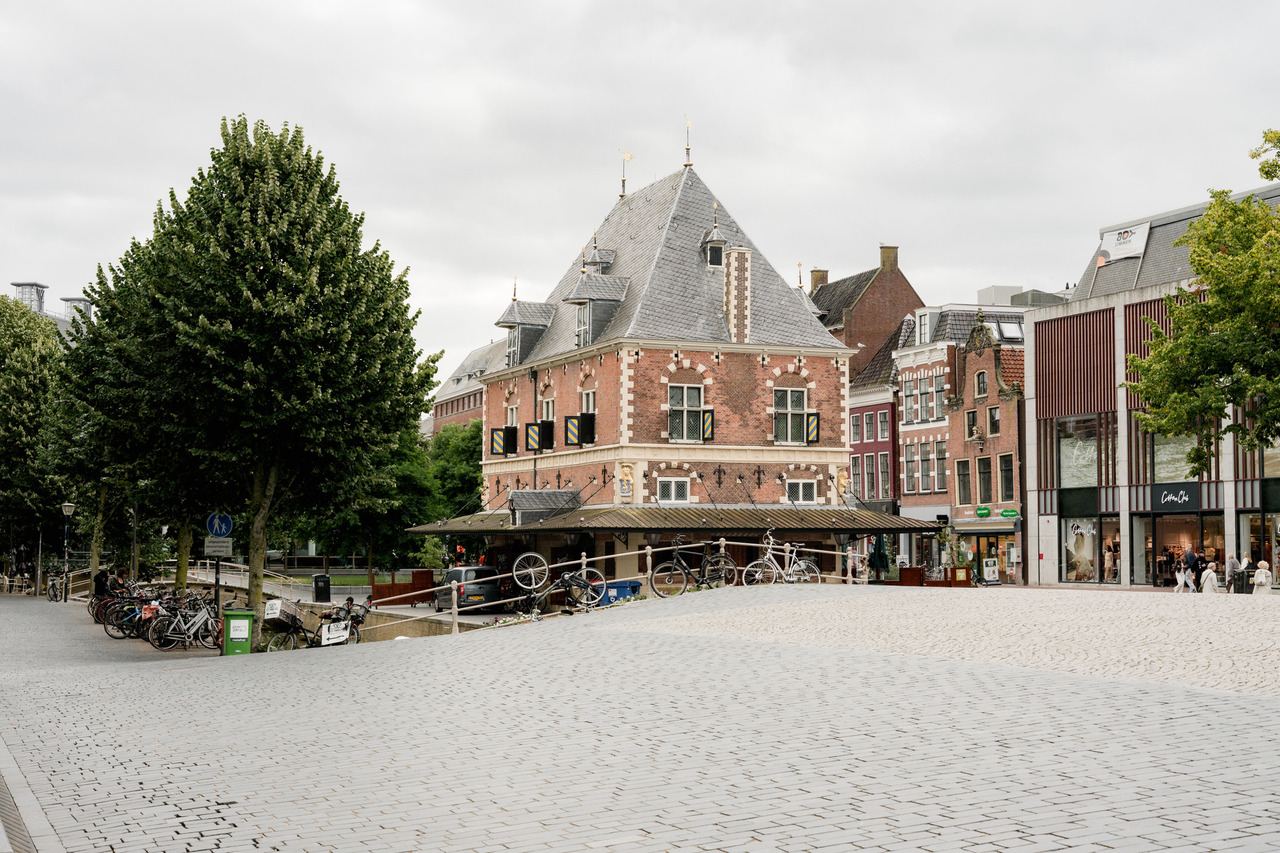
Today, it sits right in the middle of modern Leeuwarden. It's an easy stop, but one that becomes much more meaningful once you understand why these buildings appear in so many historic Dutch trading cities.
14. Find Het Friese Paard
While walking through Leeuwarden, look for Het Friese Paard, the bronze sculpture of a Friesian horse.
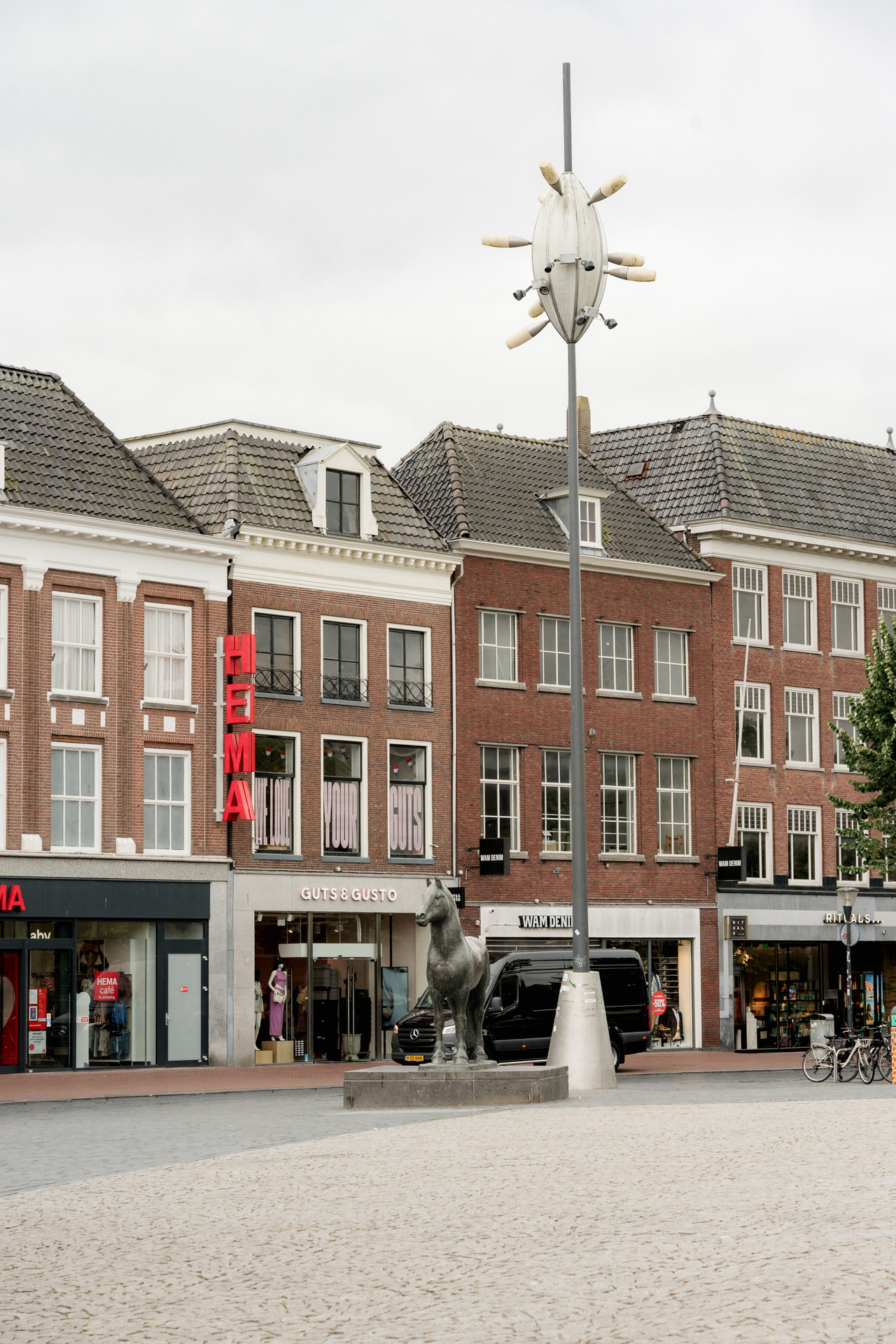
The Friesian horse is closely associated with Friesland and has become one of the region's most recognizable symbols. The sculpture celebrates that connection and is another small piece of Frisian identity that you'll encounter while exploring the city.
15. Leave time for the canals
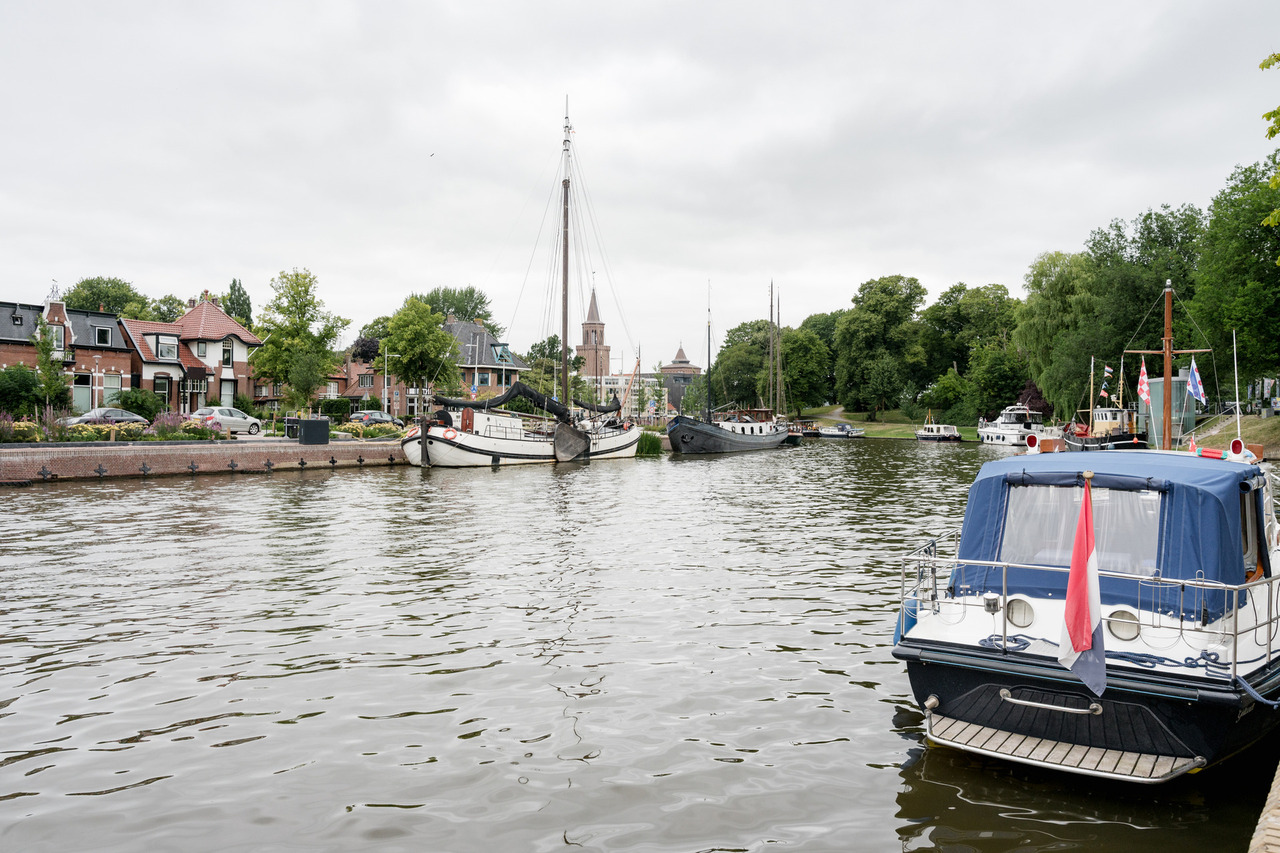
Finally, don't make every minute of your Leeuwarden itinerary about attractions. Walk along the canals, look at the houseboats, sit somewhere for a while. If you have time check the timetable for the boat tours. I didn't have time for it.
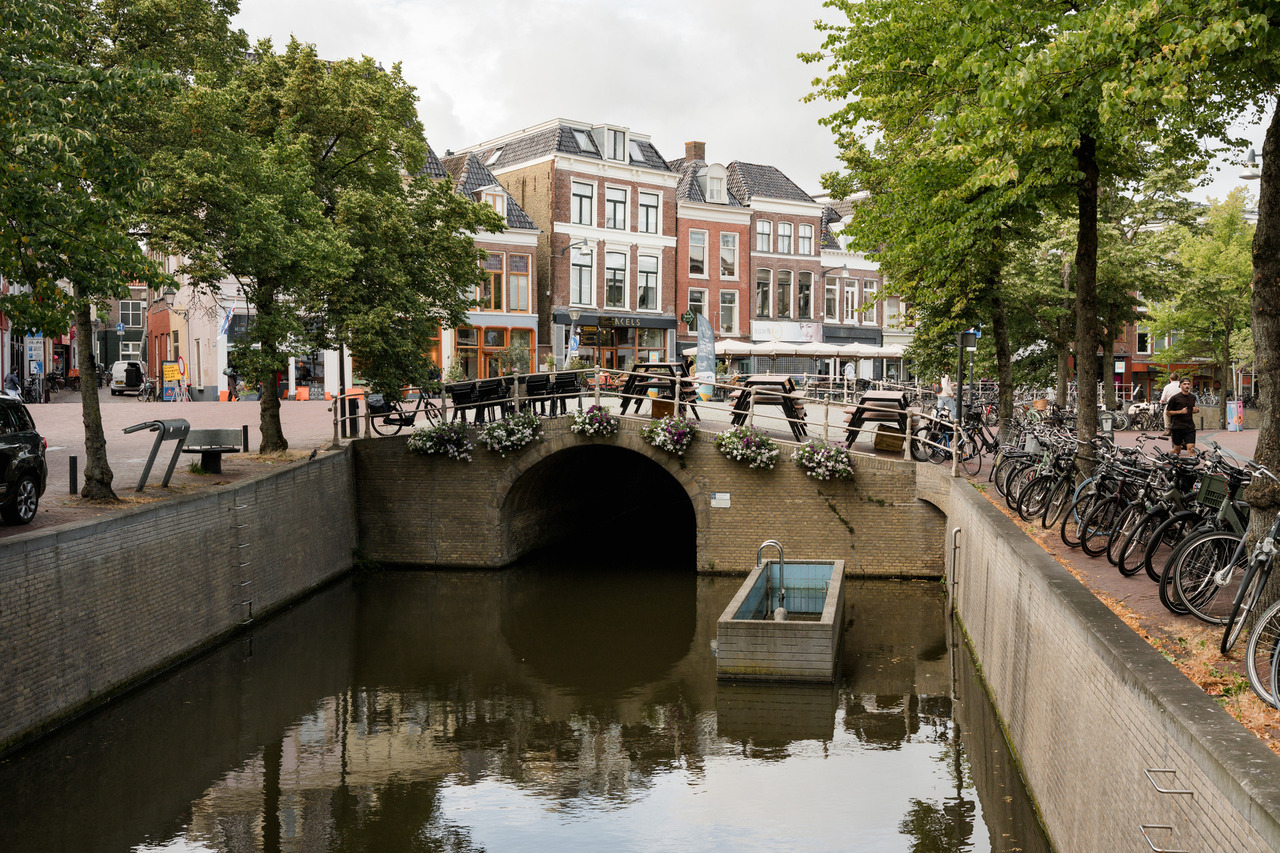
Some of my favourite photographs from Leeuwarden aren't of monuments at all. They're simply boats beneath trees, reflections in the water and everyday views of the city.
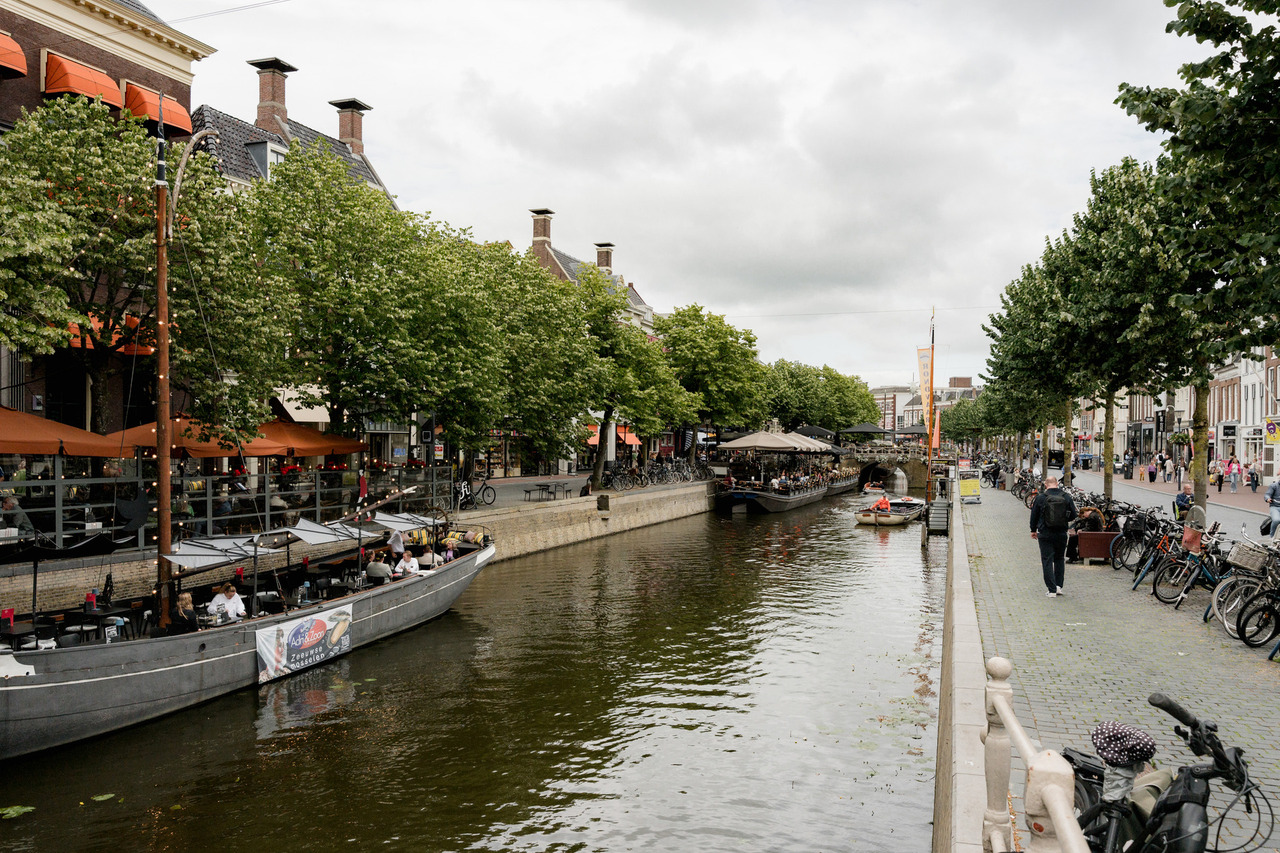
For lunch, I stopped at Brasserie Spiegelaar on Nieuwestad, before continuing my walk.
And I think that's ultimately how Leeuwarden worked best for me: not as a checklist, but as a city that was small enough to explore through curiosity.
Is one day enough for Leeuwarden?
For a first visit, yes. The historic centre is compact enough that you can see a surprising amount on foot in one day, particularly if you're arriving by train and don't need to worry about parking or travelling between distant neighbourhoods.
That doesn't mean you can see everything. A museum can easily take several hours, and there were places I could have spent considerably longer. But for a day trip, Leeuwarden gives you a very satisfying combination of history, art, architecture, food and simply walking.
Getting to Leeuwarden from Amsterdam
I visited Leeuwarden by train from Amsterdam as part of a two-month experiment with an NS off-peak subscription.
That experiment was actually what encouraged me to put more Dutch day trips on my calendar. Instead of waiting until I had enough time for a proper holiday, I started looking at what I could do with one free day. Leeuwarden was the final trip before that subscription ended.
And it made me realize that travelling around the Netherlands doesn't necessarily need to mean planning a weekend away.
Sometimes you need a train ticket, comfortable shoes, a camera, and a day.
Do you want to know more about Leeuwarden?
Continue exploring with my one-day itinerary, self-guided walking route, and guide to whether Leeuwarden is worth visiting.
Until next trip.
Joanna
Your Vacation Photographer in Amsterdam