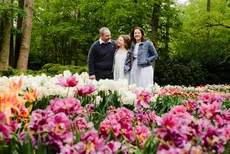

Most people visit Keukenhof and think they’ve seen the tulip season. But Keukenhof is a garden.
What many people call “Keukenhof” is actually a region made of small towns like Hillegom, Lisse, Noordwijkerhout, and Voorhout. And the most beautiful way to experience it is not by rushing through one place, but by moving slowly between them.
This is a cycling route through that region. Not to see everything, but to experience it.
Starting point: Hillegom
I started my day arriving by train in Hillegom with my bike.
It’s a calm place to begin. Not crowded, easy to navigate, and a natural entry into the tulip fields. From here, you can start cycling immediately and let the day unfold.
The first fields and Tulip Barn
Soon after leaving the station, you begin to see the first fields.
I passed Tulip Barn on the way. Even when closed, it works as a landmark along the route. Around this area, the fields are in different stages, especially early in the season.
Not everything is in bloom yet, and that’s important to understand. You are arriving at the beginning of something, not at its peak.
A different side of Keukenhof
Instead of entering Keukenhof, I passed along the back side of the gardens.
This area feels quieter and more local. Fewer people, more space, and a different perspective of the region. The experience is not only inside the garden, but all around it.
A place to pause: Kasteel Keukenhof
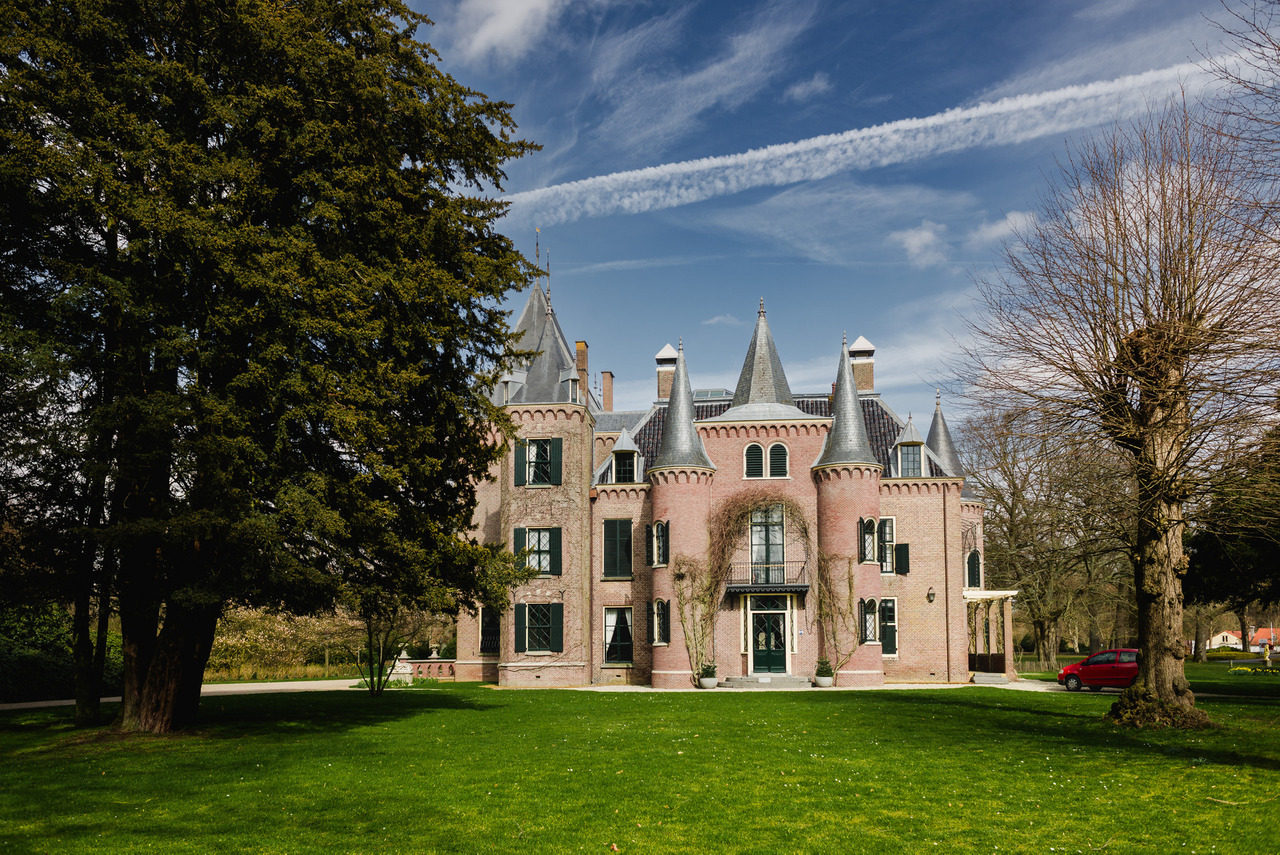
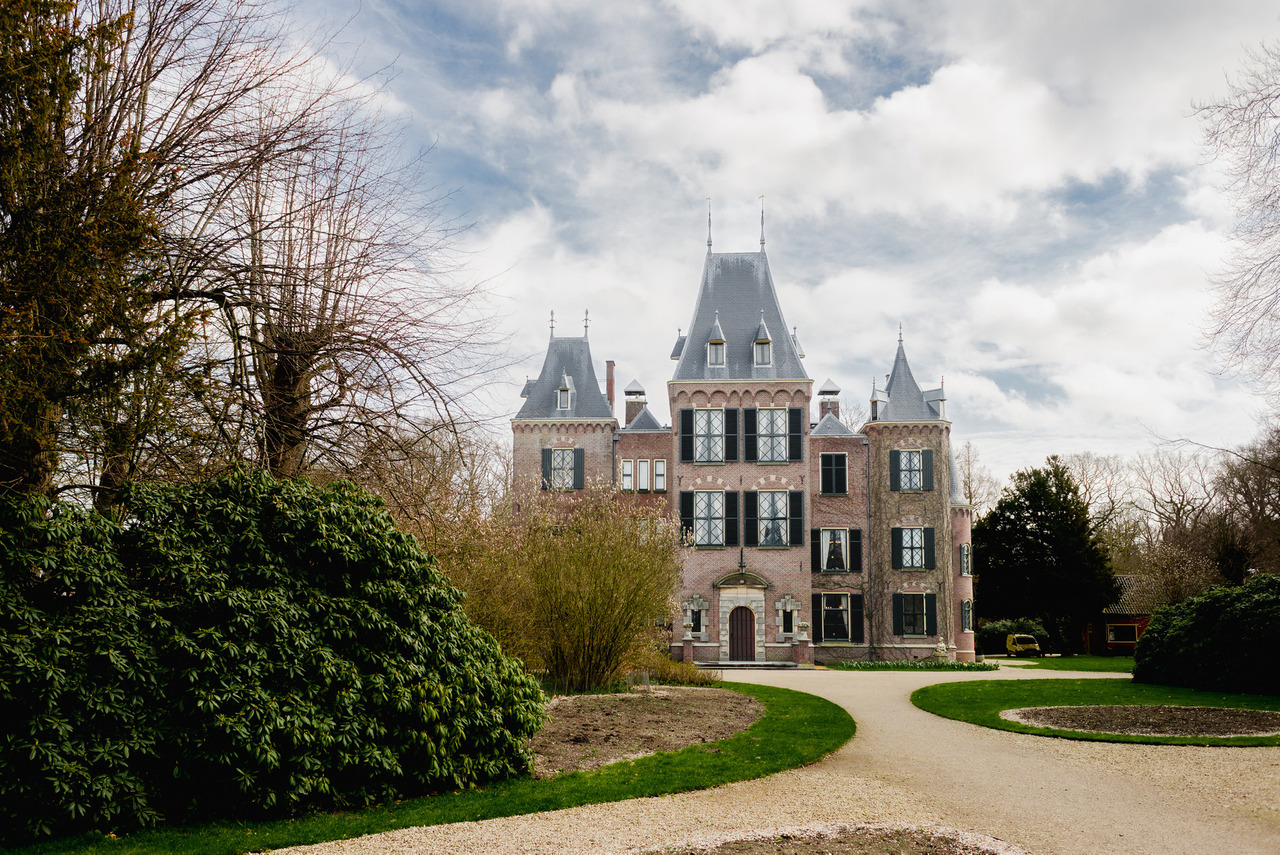
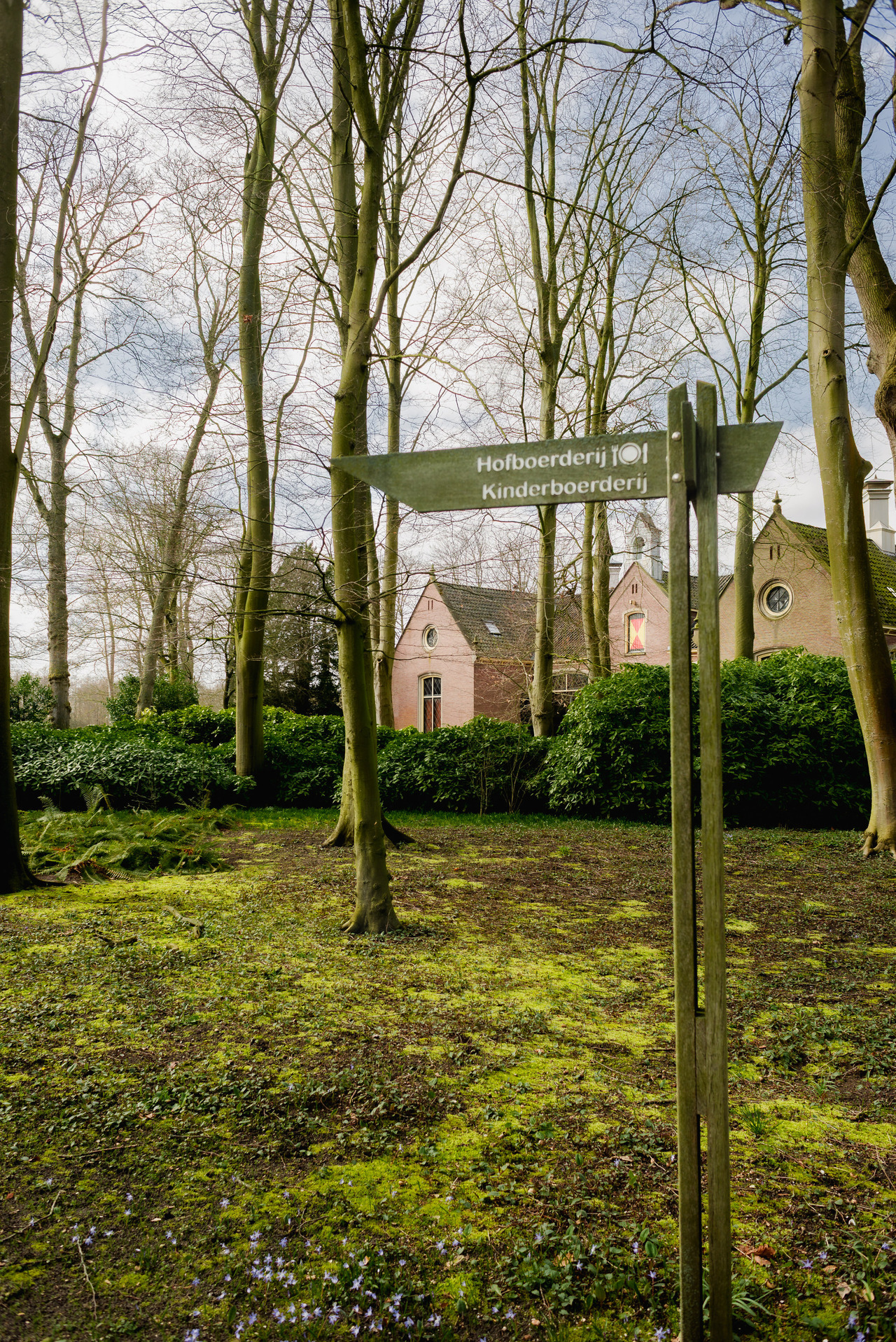
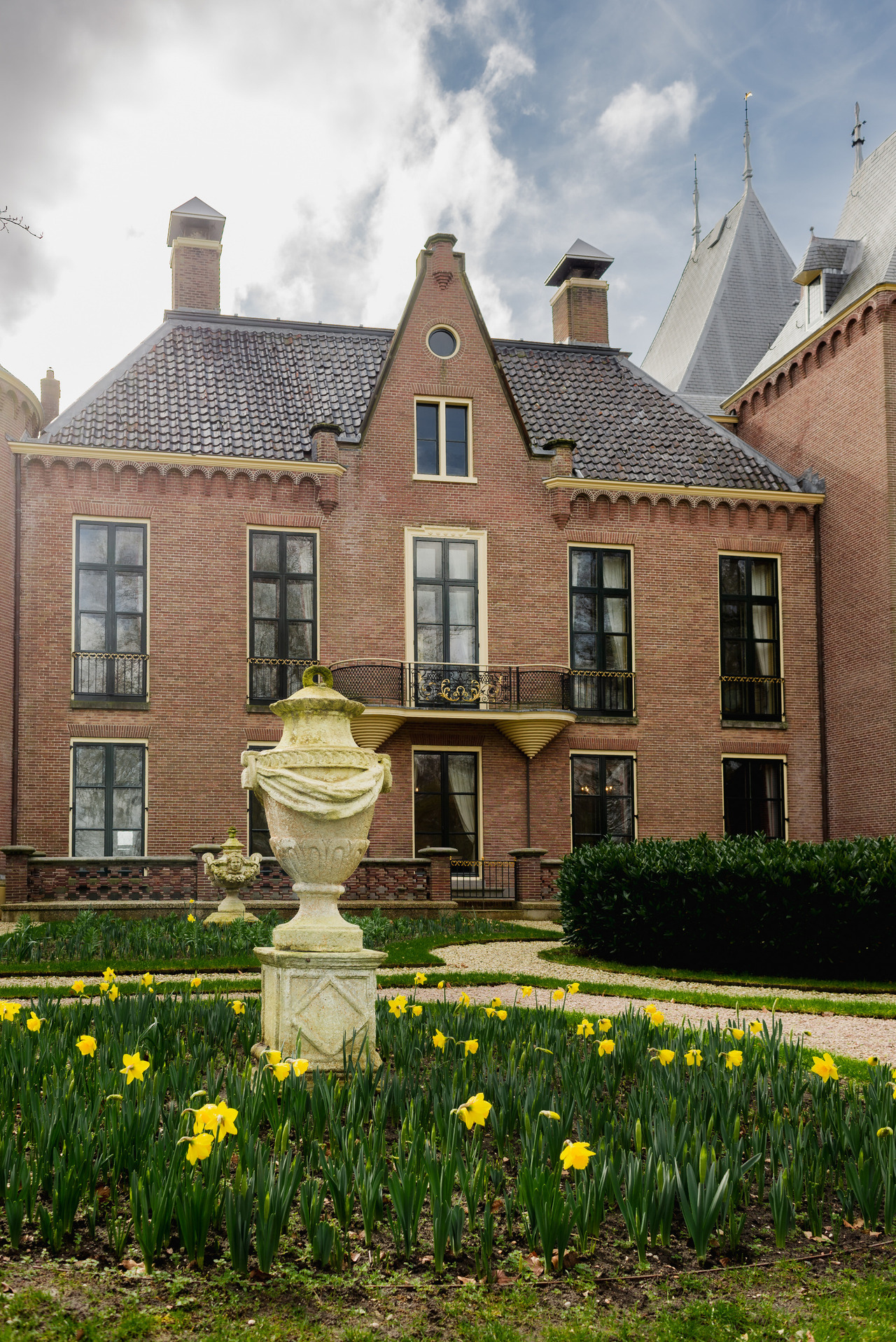
One of the best stops during the route is the grounds of Kasteel Keukenhof.
This is a place to slow down. You can walk, sit, or simply rest for a while. It’s open, peaceful, and feels very different from the structured gardens of Keukenhof.
It’s not something most people plan, but it’s one of the stops that makes the day feel complete. You can even walk there from Keukenhof Gardens through the back entrance. Be sure to enter the parking space; don't walk on the road.
This is when I started to use the camera.
Stepping into nature: Keukenhof forest
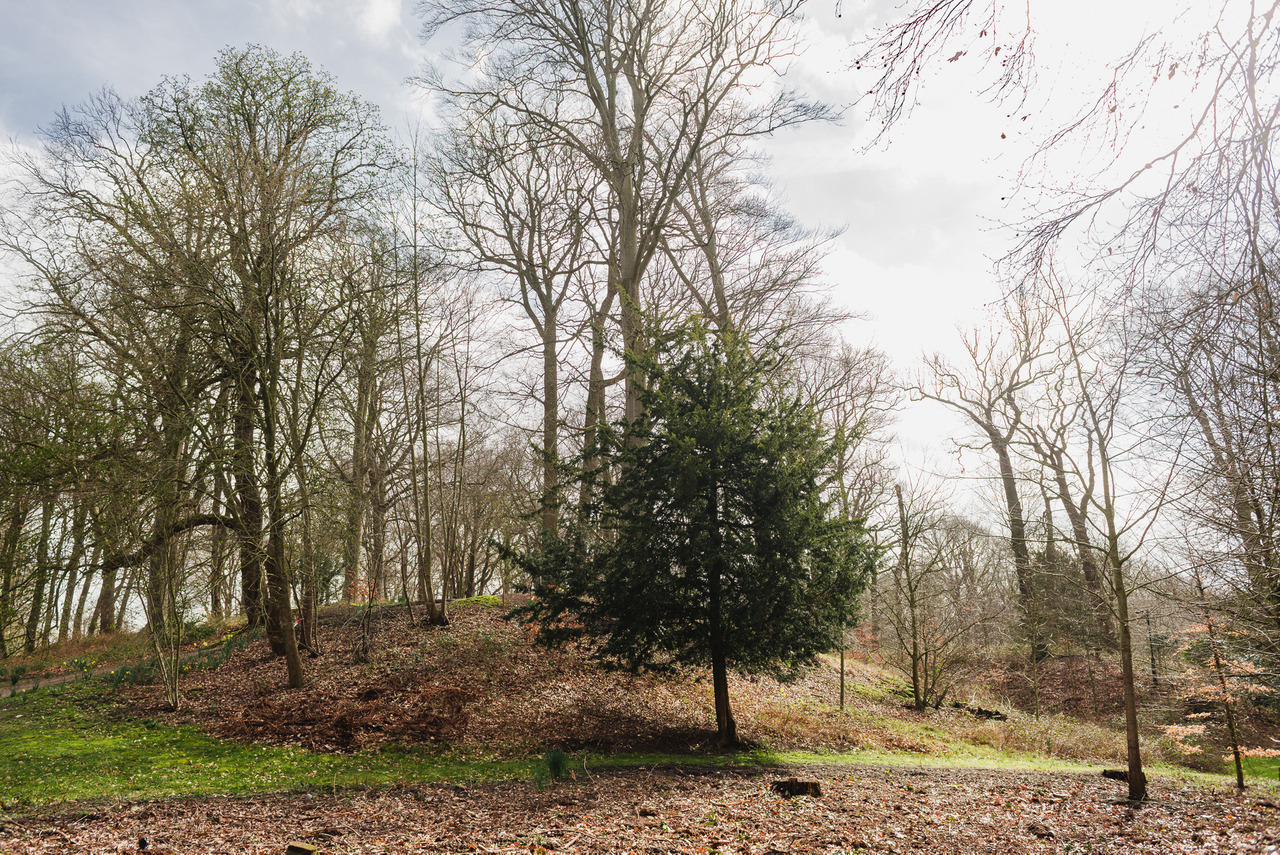
From there, I continued through the Keukenhof forest area.
This part is very different. It’s more natural, less curated, and feels like stepping out of the tulip world for a moment. You can park your bike and walk inside.
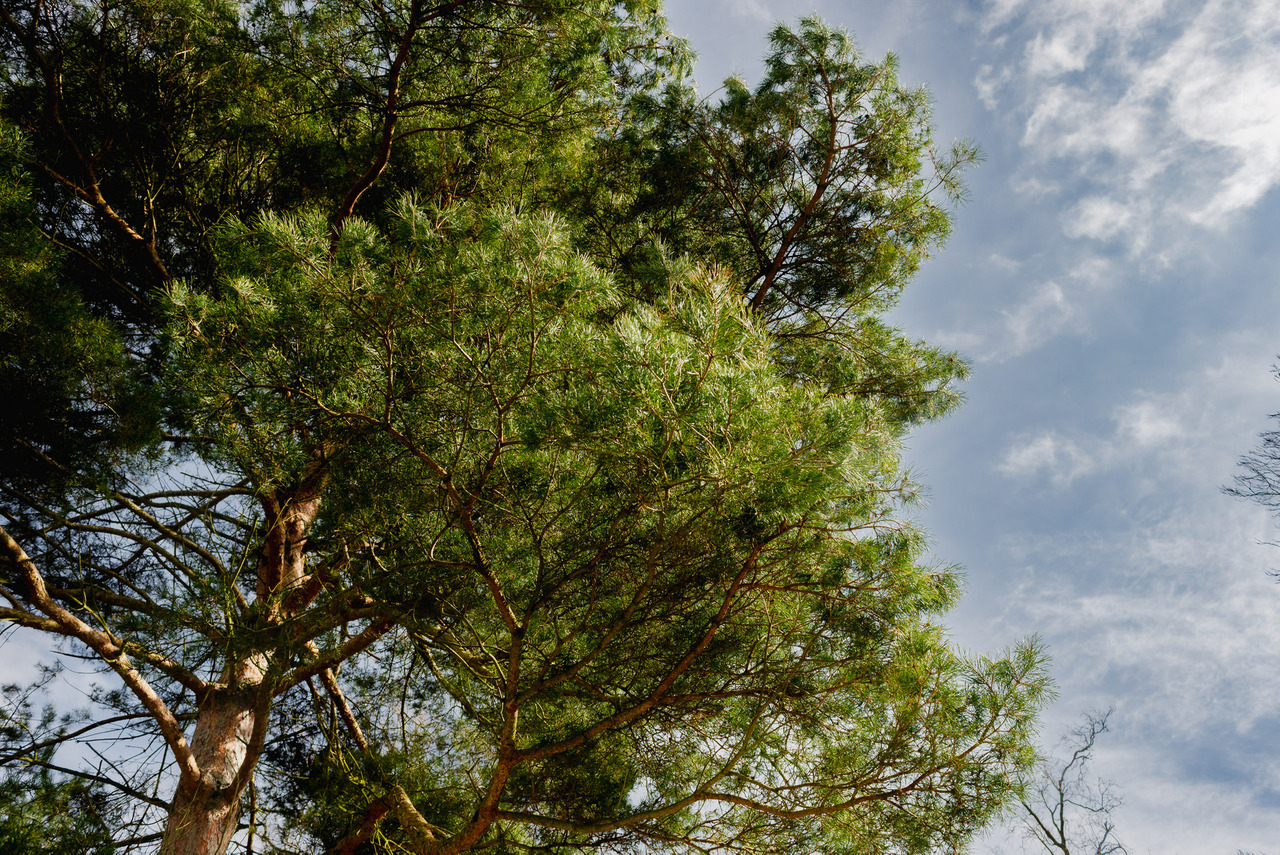
Here you won’t find tulips, but depending on the time of the season, you may see wildflowers. It’s quiet, local, and a good contrast to the rest of the route.
Small details along the way
At one point, you pass a train crossing near what used to be Lisse station, now a restaurant.
You might need to wait for trains here. It’s a small detail, but these moments are part of the experience. This is not a perfectly smooth route, and that’s what makes it real.
Tulip Experience Amsterdam (before entering)
As you continue, the landscape opens again, and suddenly Tulip Experience Amsterdam appears.
Before entering, there is a simple wooden bench right after a house along the road.
It’s one of the best places to pause.
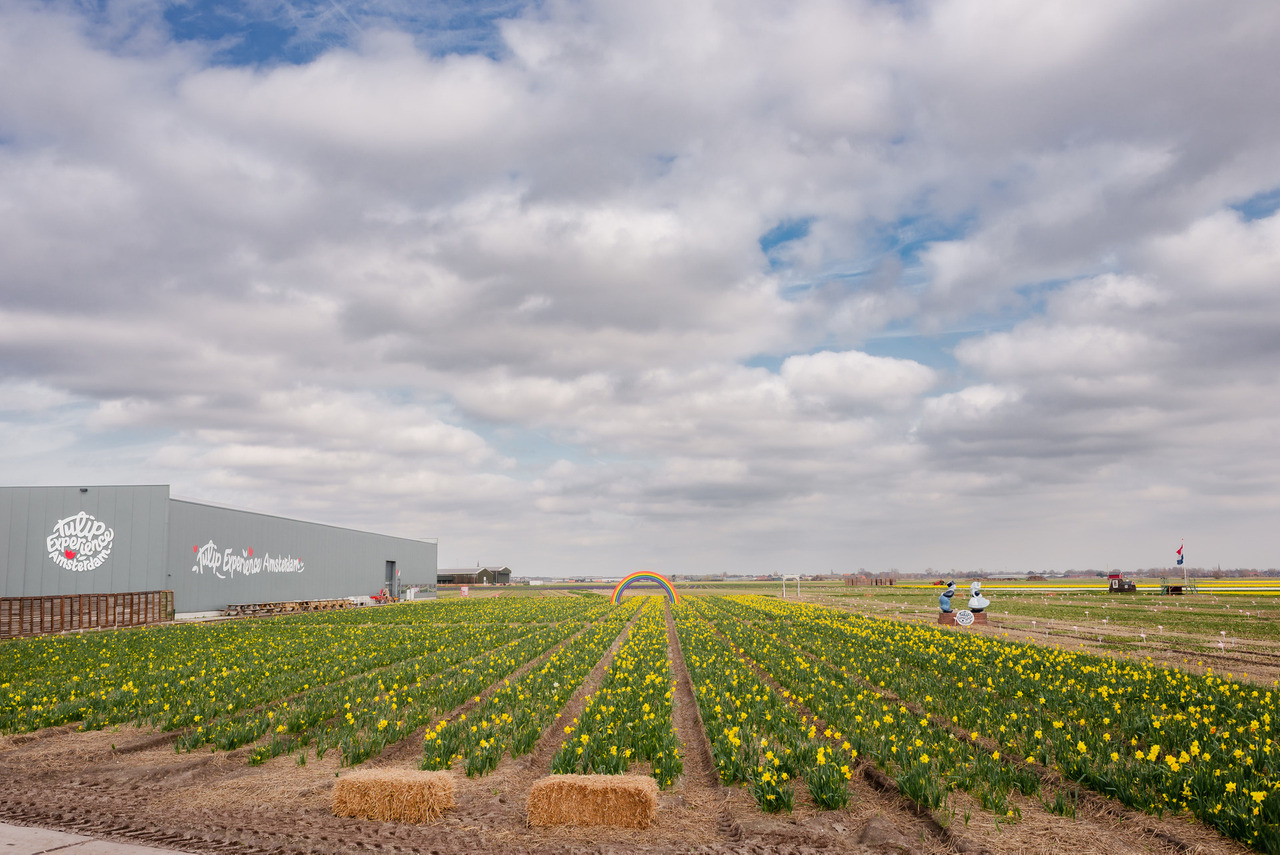
From here, you can already see the fields, the installations, and the space. There is no need to rush inside. You can sit, take it in, and decide how you want to continue your day.
Even before entering, this is already one of the most beautiful stops along the route.
What the fields look like in early season
When I visited, it was mid-March.
Daffodils were already in bloom, covering parts of the fields with yellow, while tulips were still growing. I saw fields with hyacinths in the distance while entering Noordwijkerhout. The installations of most of the gardens were ready, but everything was still in progress.
The tulip region doesn’t switch on all at once. It slowly builds into the season.
Small pauses matter
Throughout the route, you’ll find small places to stop. A bench, a quiet corner, a view over the fields.
Not everything needs a ticket or a plan.
Some of the best moments are these simple pauses.
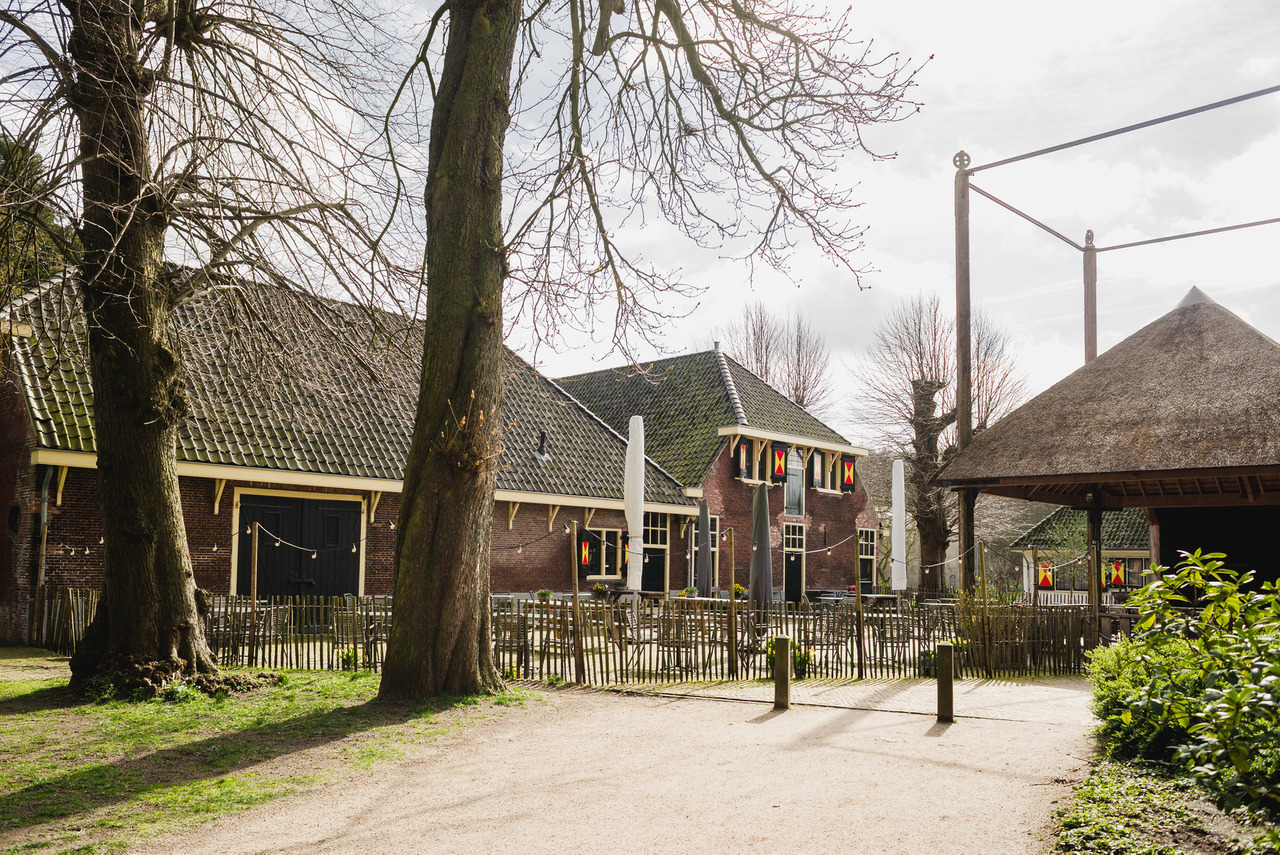
Details you might miss: painted tulip sculptures
As you cycle, you’ll notice large tulip-shaped sculptures placed along the road and near the gardens.
Each one is painted differently, often with flowers or landscapes. They appear unexpectedly and are easy to pass without noticing.
But they are worth stopping for.
A local stop: S. Pennings & Zn
One of the stops I made was S. Pennings & Zn.
This is a small tulip garden where you can buy unique varieties and bulbs in pots. Inside, the space is filled with vintage objects, which makes it feel very personal.
On weekends, there are small lemonade stands, and the place becomes a bit more lively.
This is also where photography workshops are held. During those times, access to private farms is possible with the farmers.
It’s important to note that tulip fields are private property. Even if you see people inside, these are usually guided visits. You should not walk into the fields without permission. Be aware that in the Netherlands, fences are not common, but the absence of these doesn't mean you are not entering private property.
A note for photographers
Some of the images in this guide come from visits to private farms during workshops with local growers.
These experiences are guided and arranged in advance. If you are visiting on your own, always stay on public paths and respect the fields.
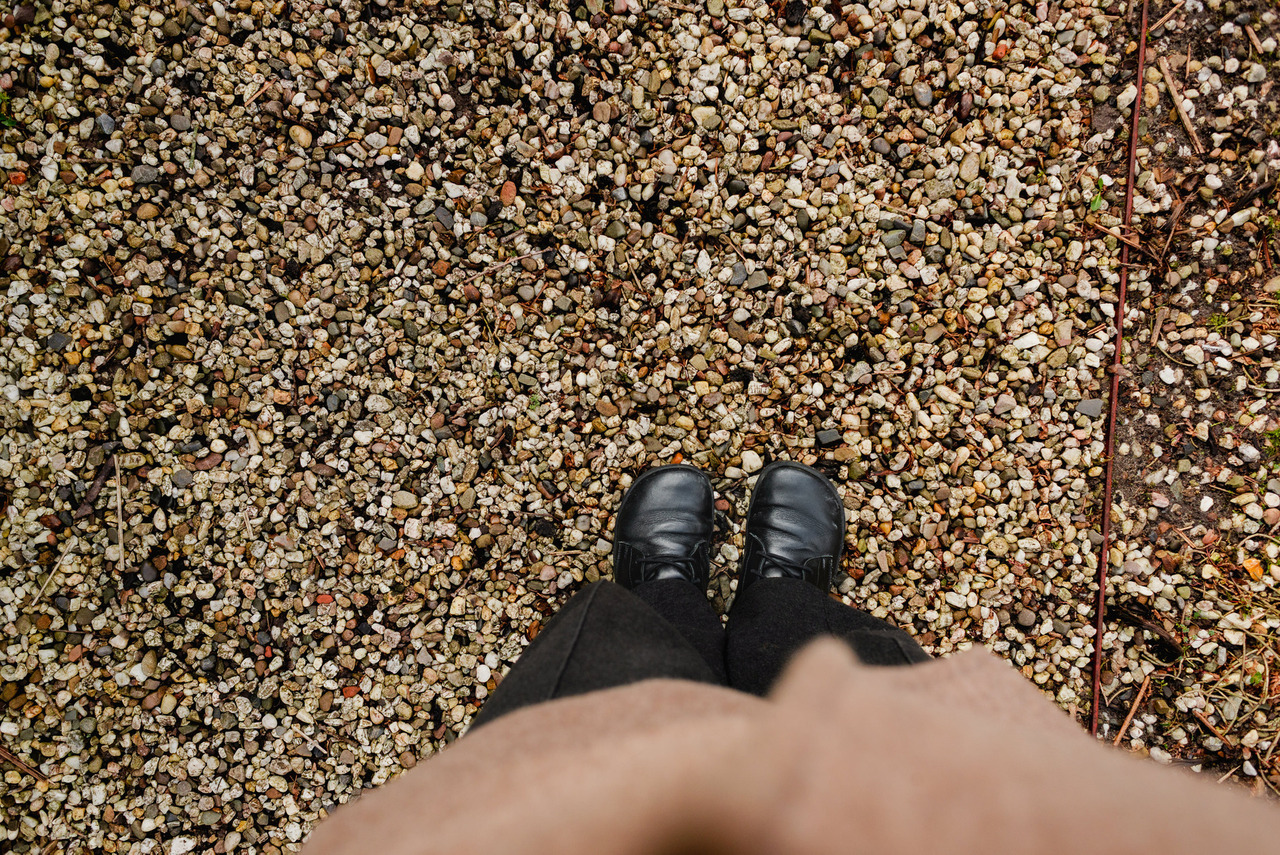
What to wear (early season)
Mid-March can be sunny, but still cold.
During this visit, I was wearing a winter jacket with a t-shirt underneath. Layers are important, as the wind in open fields can be strong even on bright days.
This is not a route to see everything
I finished the day cycling back toward the station. I didn’t go to Voorhout this time. That will be part of another day.
This is not a route to see everything. It’s a route to experience the tulip region slowly, adapting to the season, the weather, and how you feel along the way.
-
If you only visit Keukenhof, you see a garden. If you take the time to move through the region, you experience something much bigger.
See you soon in Amsterdam, or perhaps surrounded by tulips,
Joanna
Your Photographer in Amsterdam