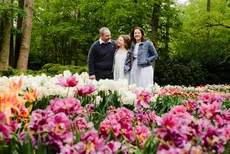

The Tulip Region, known in Dutch as the Bollenstreek (literally “Bulb Region”), is one of the most iconic landscapes in the Netherlands. Every spring, its fields transform into layers of color: red, pink, yellow, purple, creating the images many people associate with Dutch culture.
But beyond its beauty, the Bollenstreek plays an important economic and cultural role.
Why Is the Tulip Region Important?
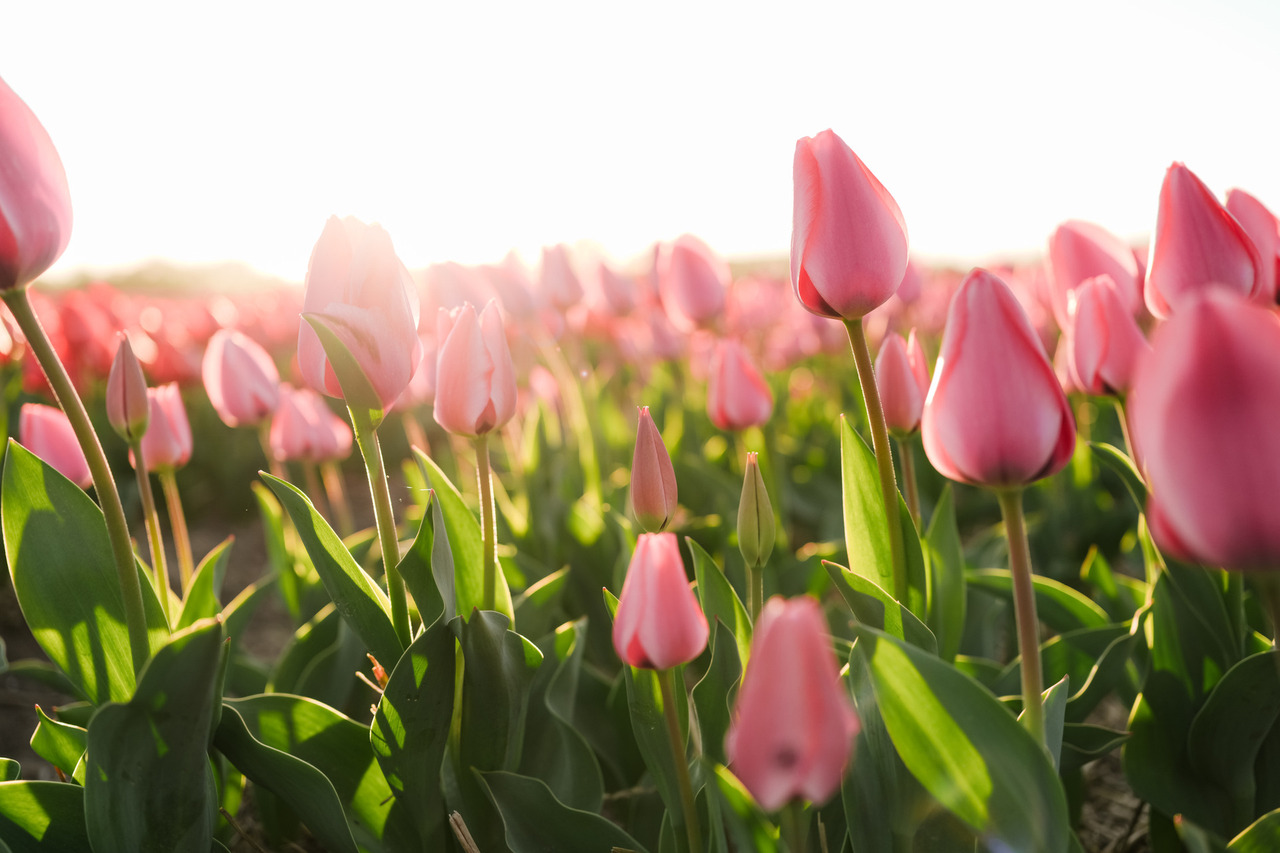
The Netherlands is one of the largest exporters of flower bulbs in the world. Tulip cultivation is not only part of Dutch identity, but also a major contributor to agriculture and international trade.
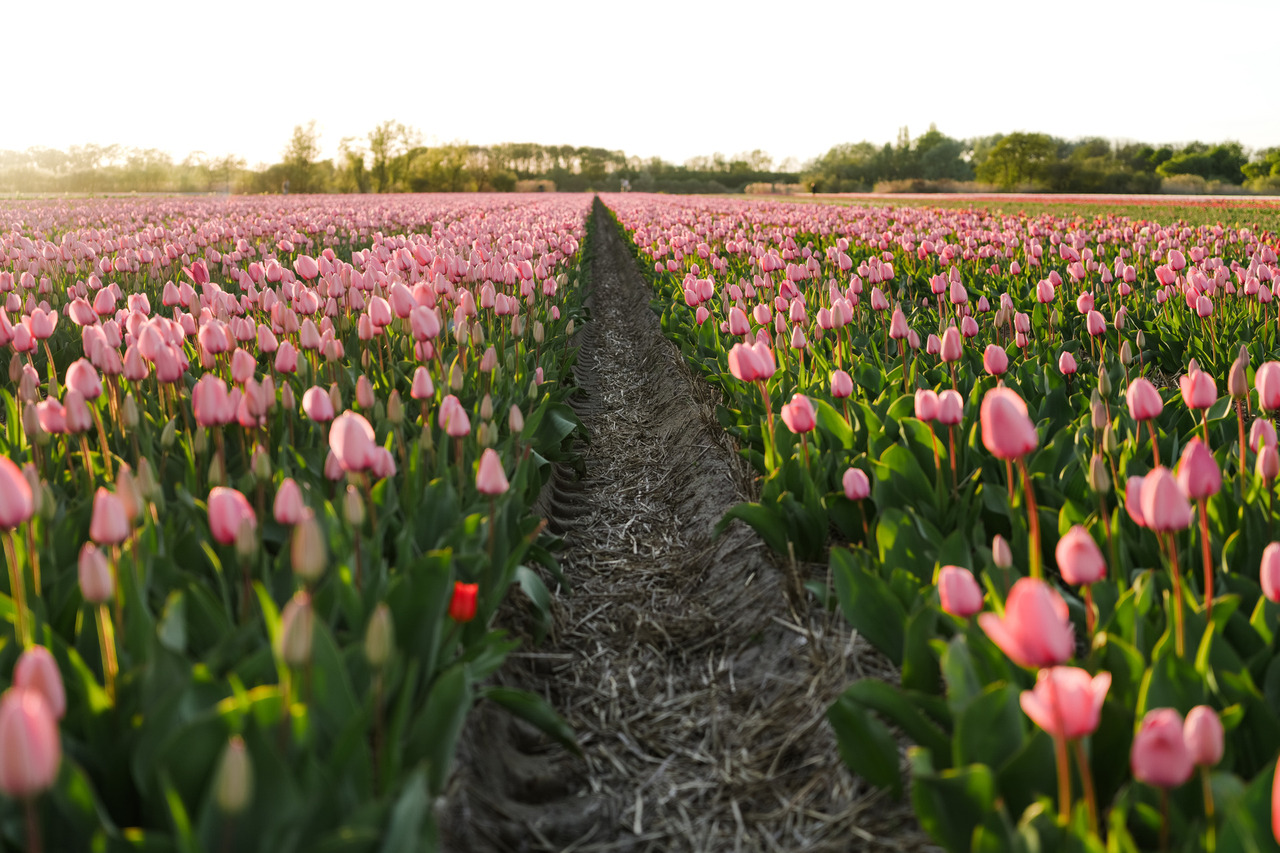
The fields you see in spring are working farms. The final product is not the flower itself, but the bulb beneath the soil. This is why stepping into agricultural tulip fields can damage the crop and affect the farmer’s livelihood.
Understanding this distinction is essential when visiting the region.
Why Do Farmers Open Tulip Gardens?
Because agricultural fields must be protected, some growers have created dedicated tulip gardens. These are spaces where visitors can:
• Walk safely between flowers
• Take photographs
• Get closer to the blooms
• Sometimes even pick tulips
These gardens offer a way to experience the tulips respectfully, while protecting the farming process.
What Is Keukenhof?
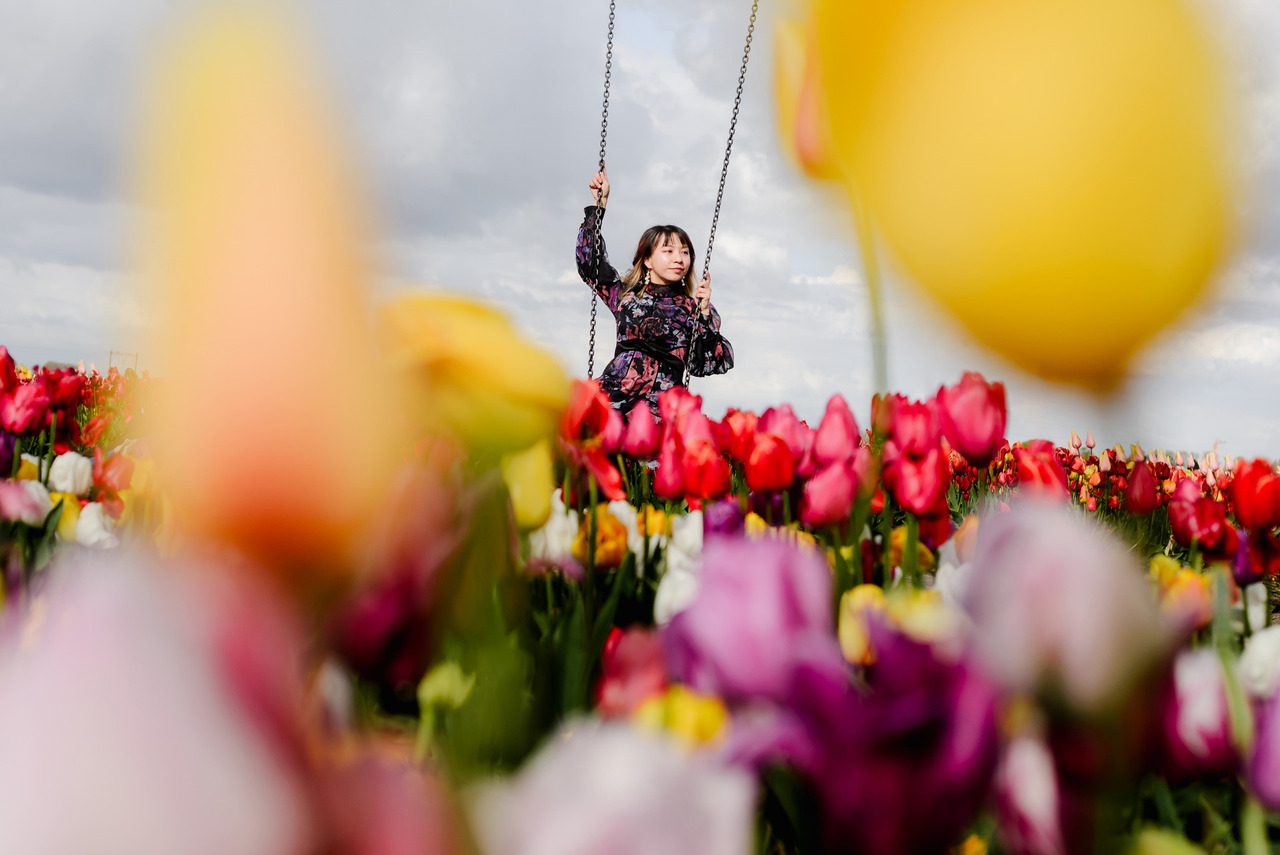
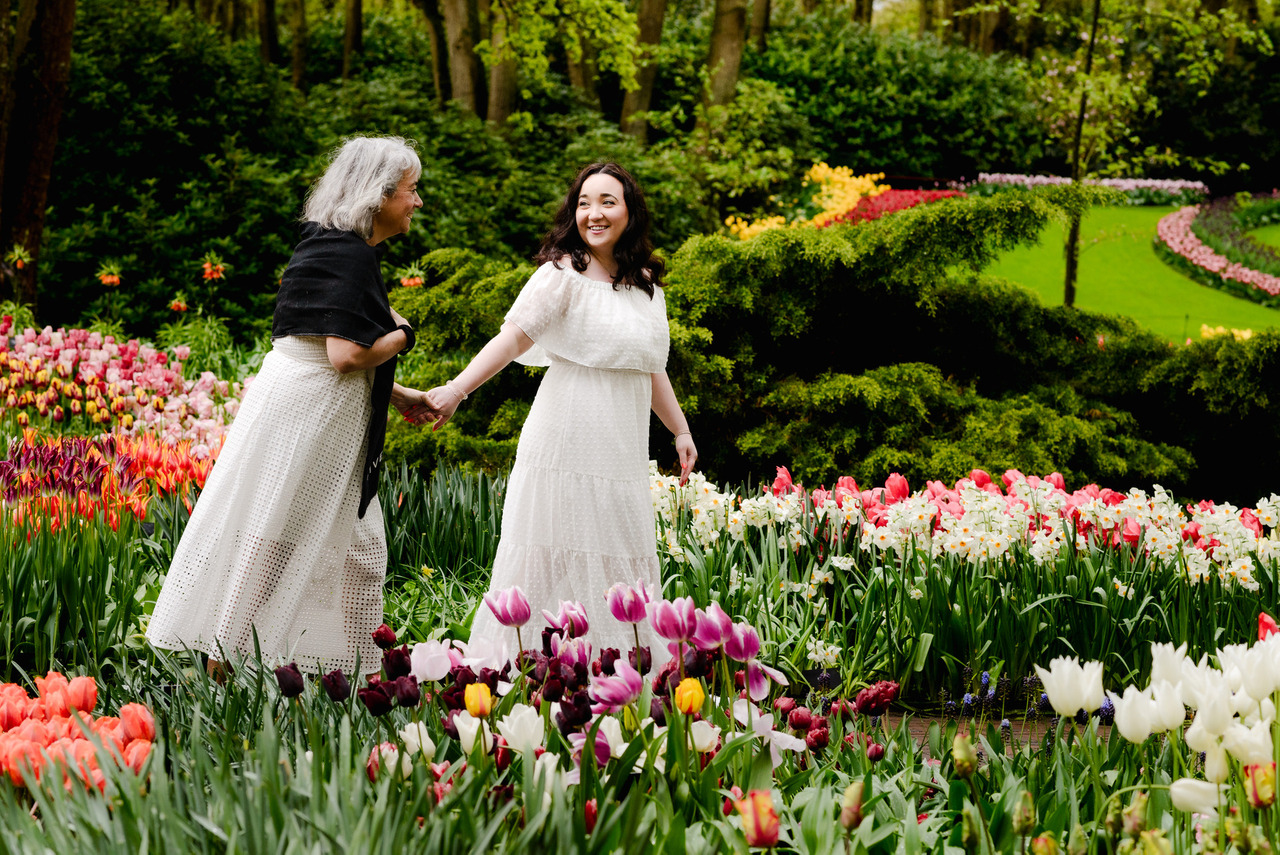
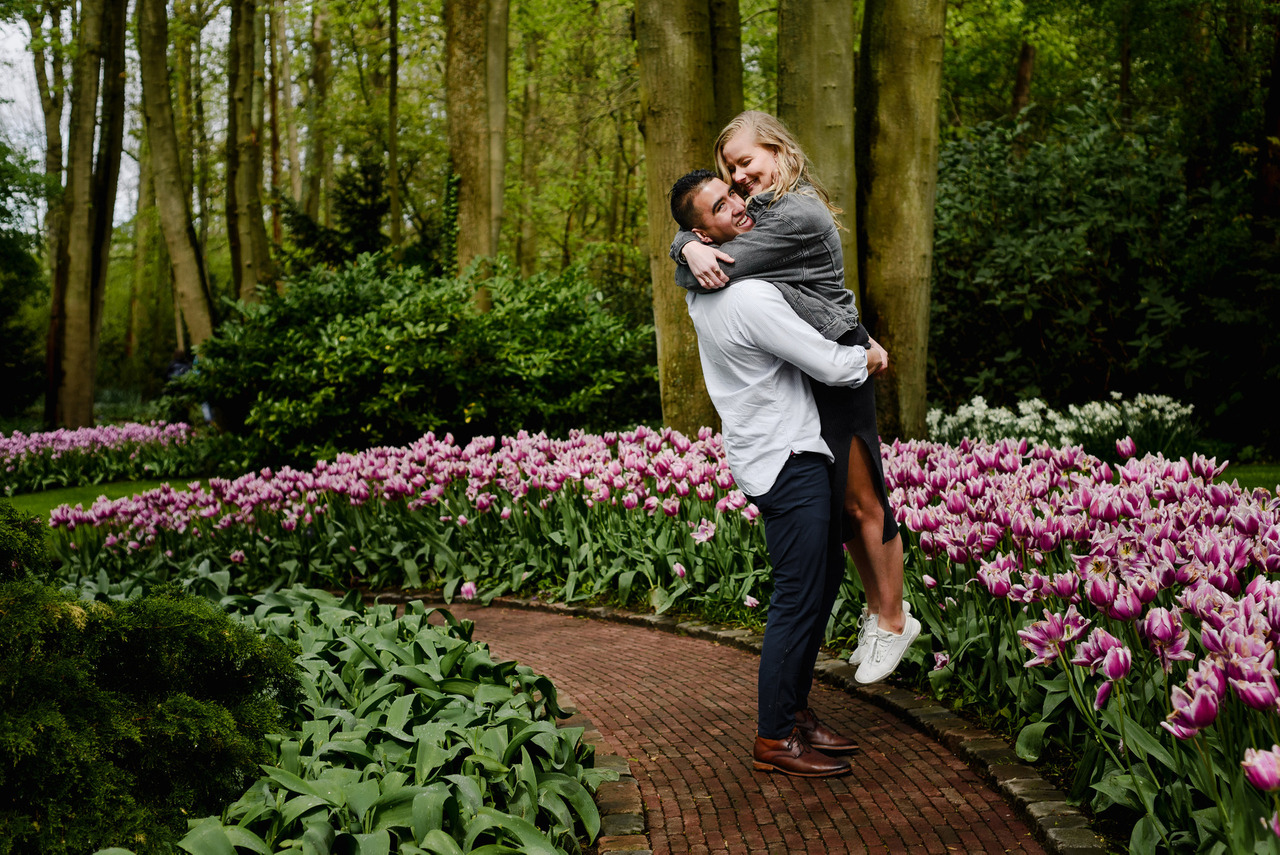
Keukenhof is the most well-known tulip garden in the Netherlands, and the largest spring garden in Europe.
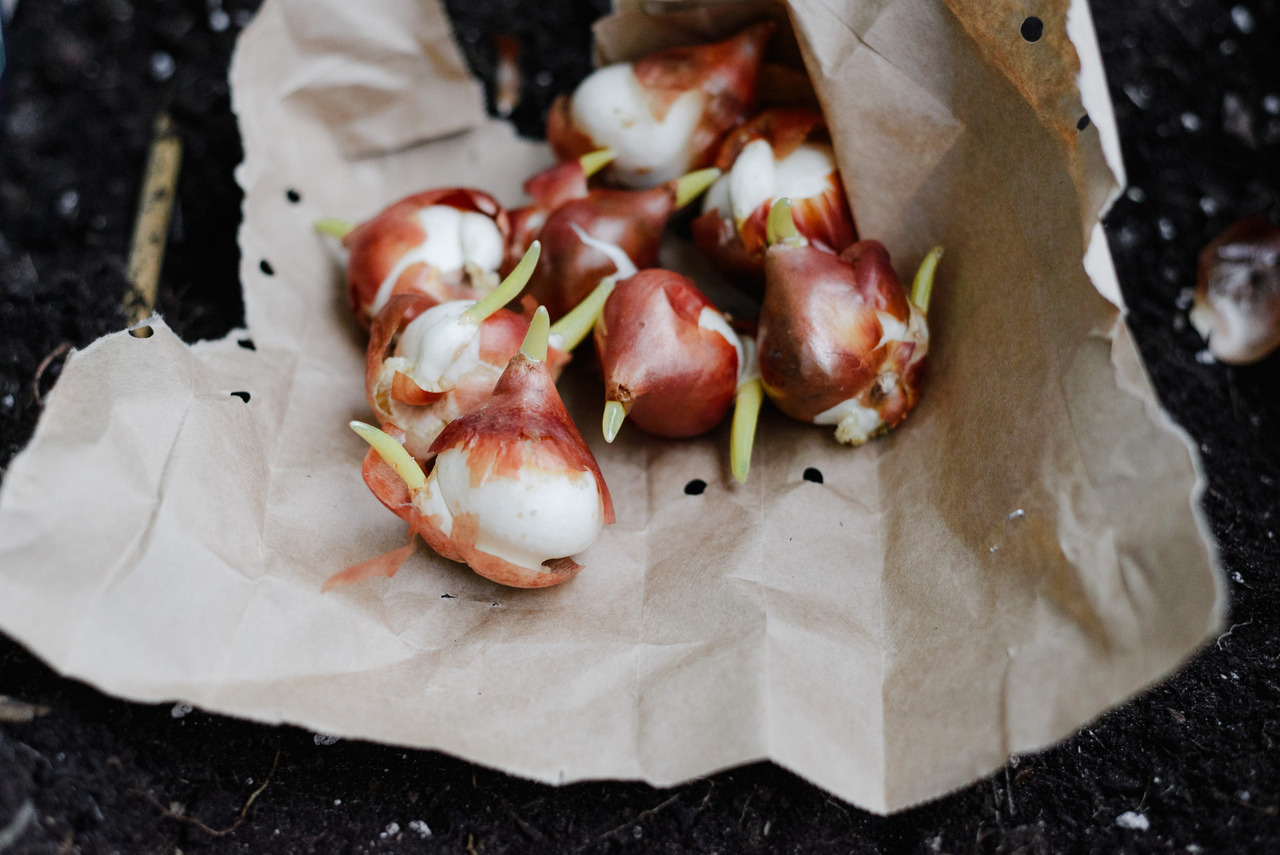
Unlike agricultural fields, Keukenhof is a curated landscape. Each year, millions of bulbs are planted using what is often called the “lasagna method,” layering different varieties at varying depths so that flowers bloom in sequence throughout the season.
This careful planning ensures continuous color from March to May.
To explore Keukenhof comfortably, plan at least three hours.
Why Are Tulips Cut in the Fields?
In agricultural fields, tulips are often “topped” or cut before full bloom. This may look surprising to visitors, but it is intentional. Removing the flower helps the plant direct its energy back into the bulb, strengthening it for export.
The flower itself is not the commercial product: the bulb is.
This agricultural cycle can sometimes feel wasteful at first glance, but it is part of a highly organized and efficient industry.
What Happens After Keukenhof Closes?
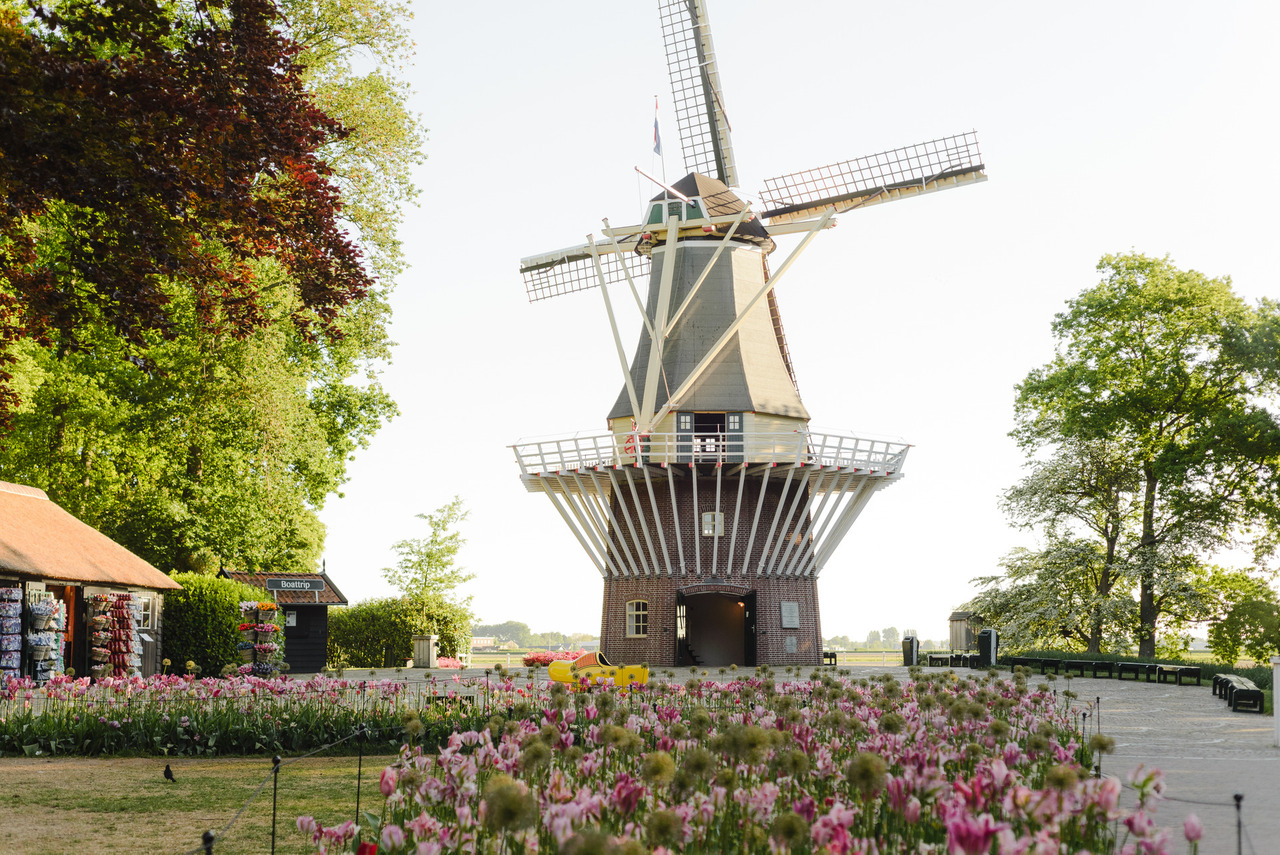
After the season ends in May, the gardens do not simply remain dormant. The bulbs are lifted from the soil, and the park begins preparations for the next year. Each season is completely redesigned.
Is This the Only Tulip Area in the Netherlands?
No. Tulips are grown in several regions across the country.
However, the Bollenstreek is the closest major tulip-growing region to Amsterdam and the most accessible by public transport. This makes it the most practical and popular destination for visitors during spring.
Throughout the season, I also explore other gardens and areas within the region to create varied and meaningful photographic experiences.
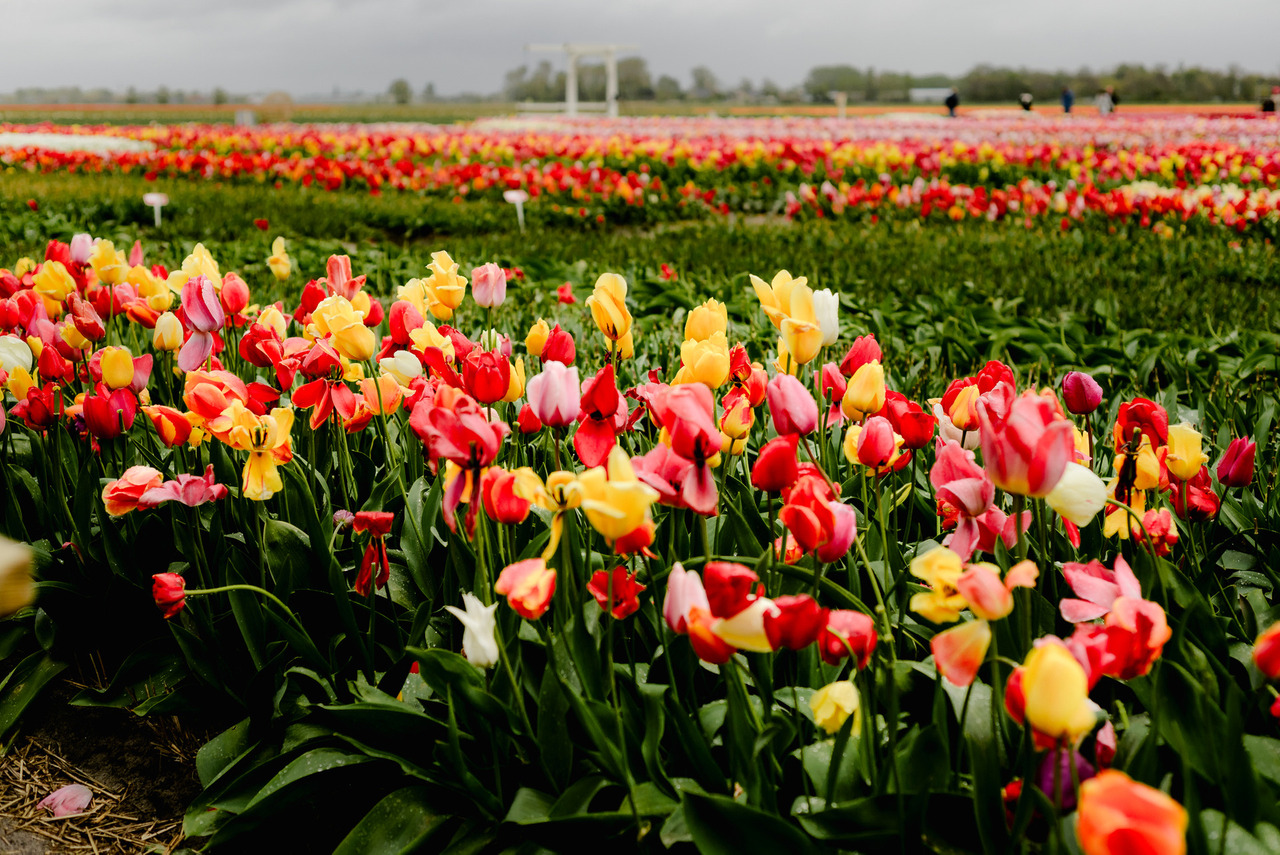
Visiting the Tulip Region Responsibly
Tulip fields are working farms, and respecting them is essential. I only photograph in gardens or in specific fields that publicly announce their opening days to visitors.
This ensures that the locations we use are welcoming guests intentionally, and that the farming process is protected.
Choosing authorized gardens and open fields allows us to create beautiful images while supporting the growers and preserving the region for future seasons.
Spring in the Netherlands is something we are invited into, and it deserves care.
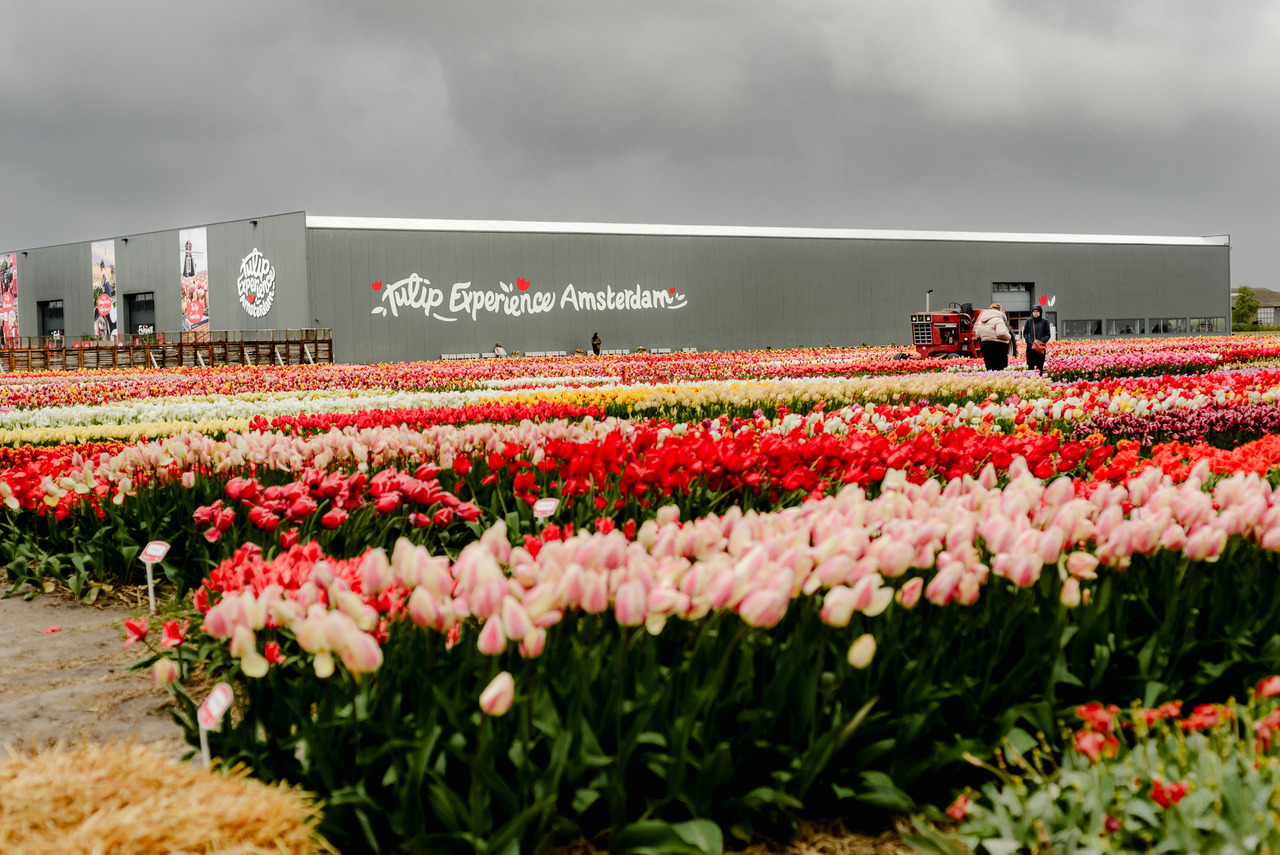
The Tulip Region is more than a colorful landscape. It is agriculture, history, craftsmanship, and seasonal beauty woven together. Its rhythm follows the weather, the soil, and generations of growers who shape this landscape each year.
Understanding how it works makes the experience deeper and more meaningful.
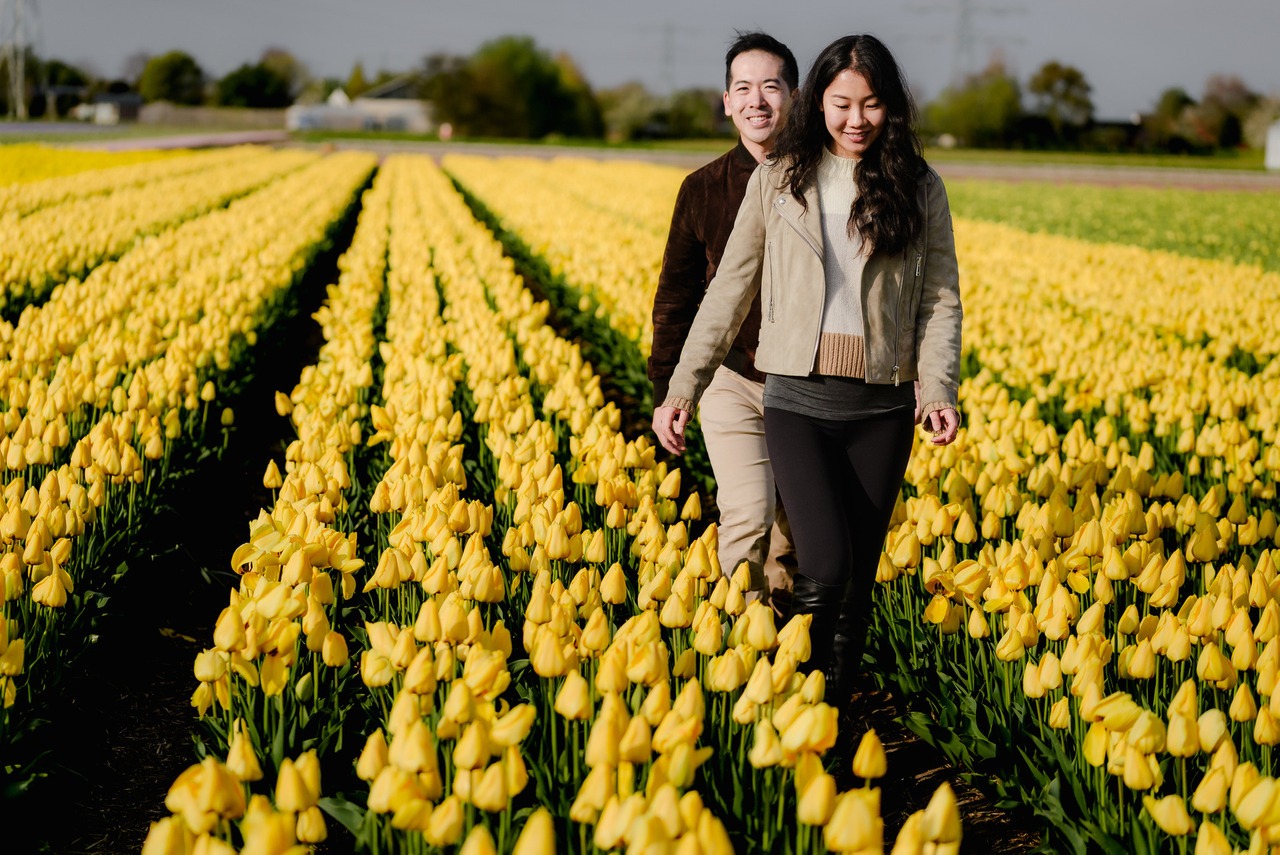
If you would like to explore the tulip season in a way that feels thoughtful, respectful, and beautifully documented, you can discover my Tulip Experience Photography here.
Spring is brief, but when experienced intentionally, it stays with you long after the fields return to green.
See you soon in Amsterdam,
Joanna
Your Photographer in Amsterdam