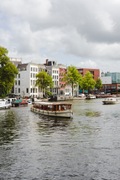

Amsterdam is often described through its canals, bicycles, and historic houses, but for architecture lovers, the city offers much more than postcard views. It is a place where centuries coexist naturally, where buildings tell stories of trade, social housing, innovation, and everyday life.
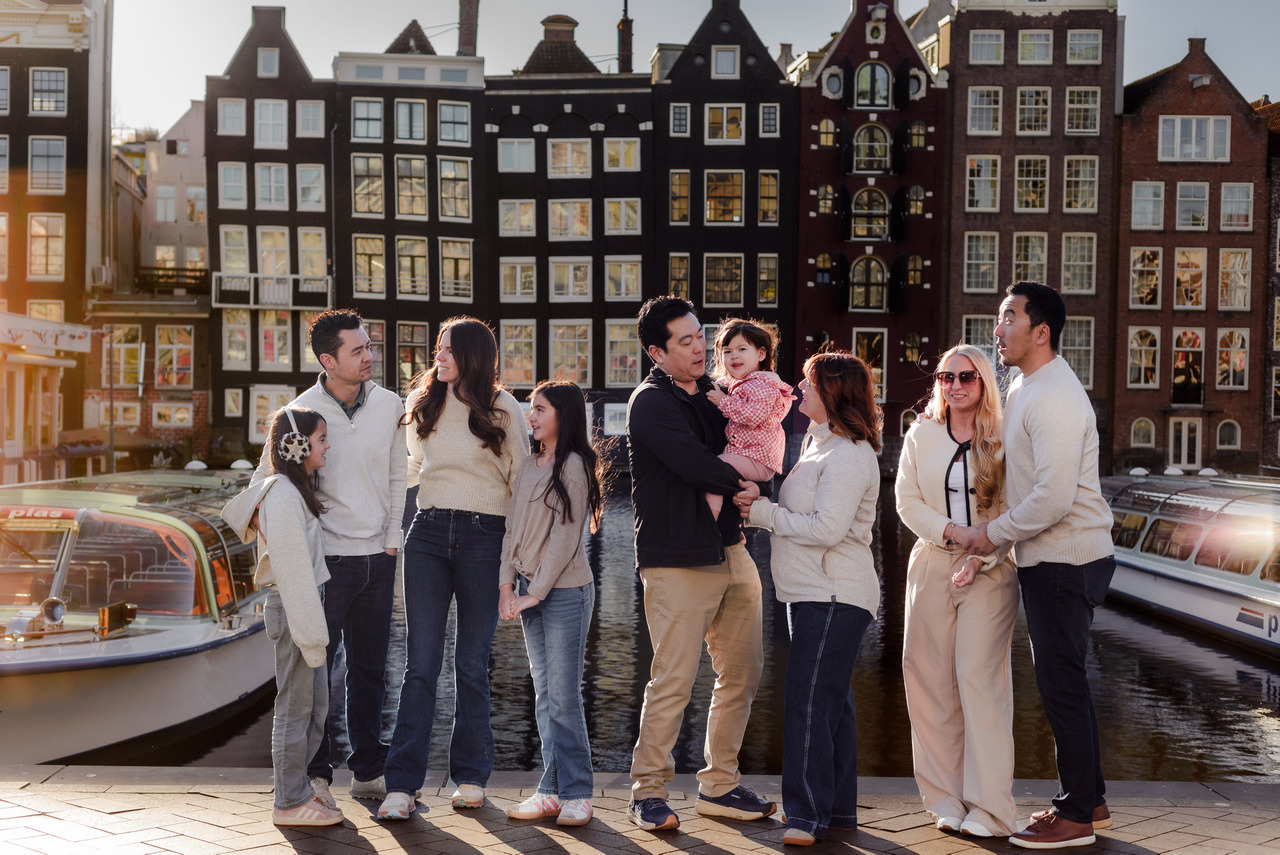
What makes Amsterdam special is not just iconic landmarks, but how architecture is woven into daily routines. You walk through it, live next to it, photograph it while people pass by with groceries or coffee in hand. The city does not feel curated for visitors; it feels lived in.
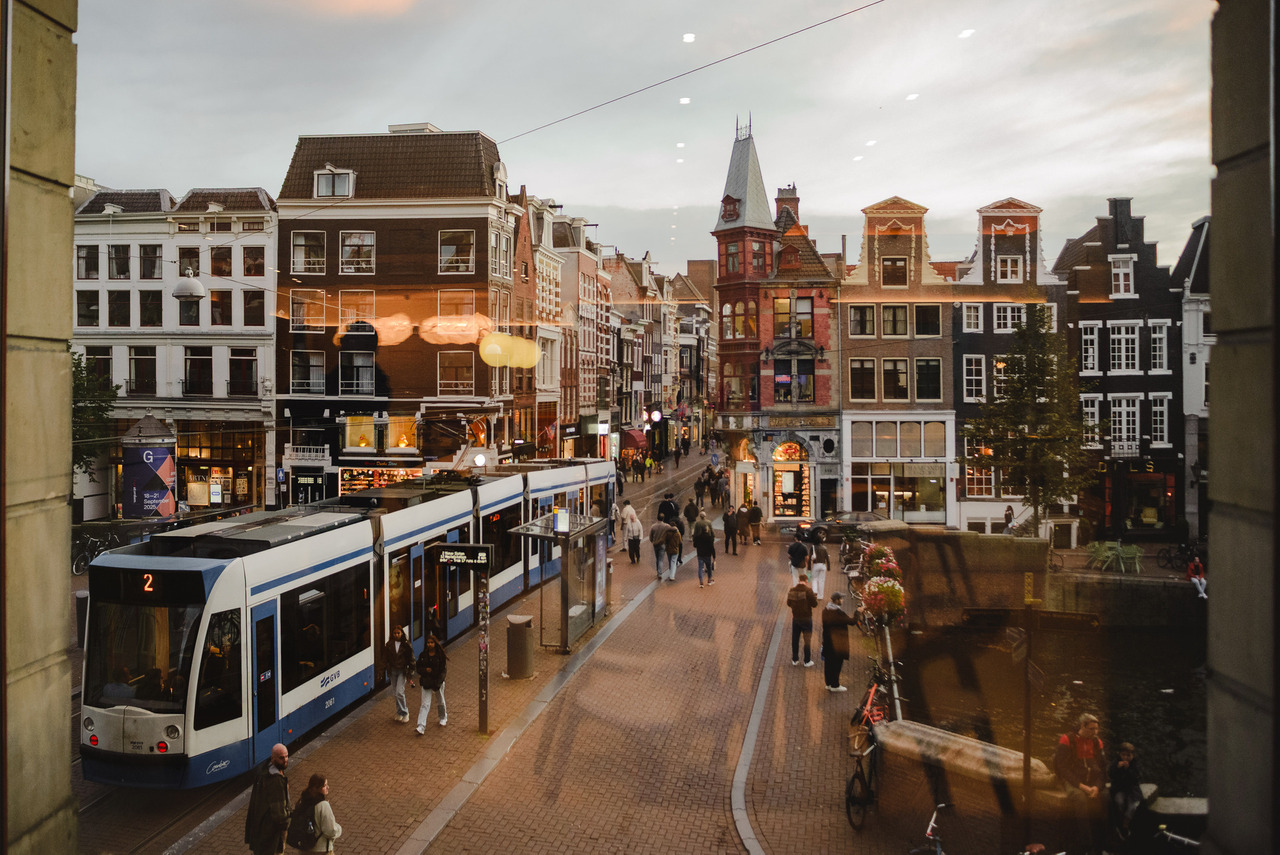
Below is a curated list of places and museums that help explain why Amsterdam is such a rewarding city for architectural photography. I might add more in the future, as I missed finding pictures I took for all the places I have in mind. But most of all, I show you this collection to understand why walking without rushing is the best way to explore this city.
1. Canal Belt (Grachtengordel)
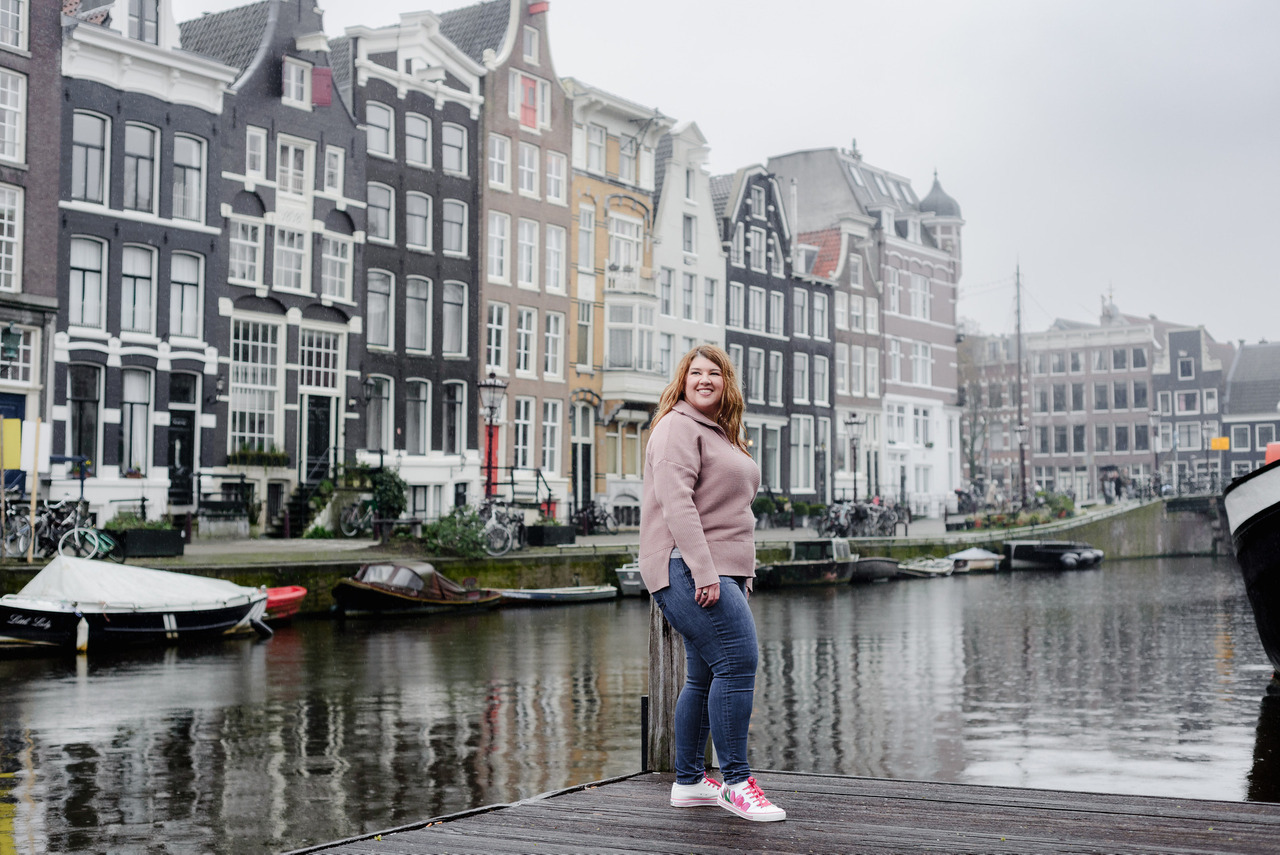
The 17th-century canal ring is a UNESCO World Heritage Site and one of the best examples of urban planning in Europe. It rewards close observation, from façades and gables to symmetry and reflections in the water.
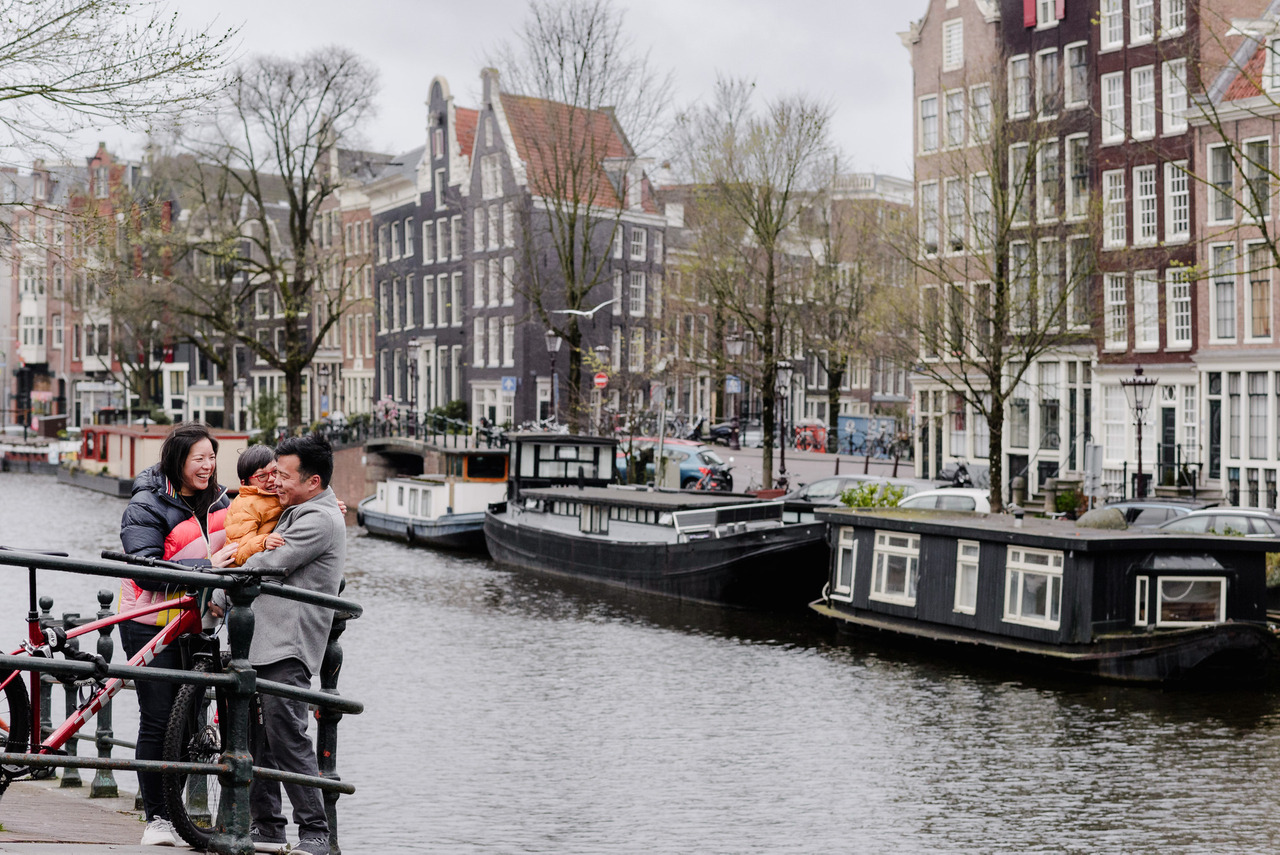
The Grachtengordel is divided into two main areas, West and South, and within them, you will find four primary canals. As you move from one canal to another, or even along a single canal, you begin to notice subtle differences in building styles, proportions, and façades. These variations reflect changes in wealth, function, and period, making each walk through the canal belt a layered architectural experience.
2. De Waag (Nieuwmarkt)
One of the oldest surviving buildings in Amsterdam, originally part of the city walls. Strong, medieval, and very photogenic. Originally built in the 15th century as part of the city walls, it later served many functions, including a weigh house, guild hall, and even an anatomical theatre.

Architecturally, De Waag stands out because of its fortress-like structure, thick brick walls, and towers, which contrast strongly with the lighter canal houses found elsewhere in the city. Photographing it is especially interesting because it sits at the meeting point between history and daily life. Market stalls, cafés, bicycles, and passersby constantly move around it, creating a dynamic foreground against a very solid, almost timeless building.
For photographers, De Waag works well at different times of day. Early morning highlights its mass and texture, while evenings bring warm interior light and street activity that emphasize its role as a living part of the city rather than a preserved monument.
3. Begijnhof
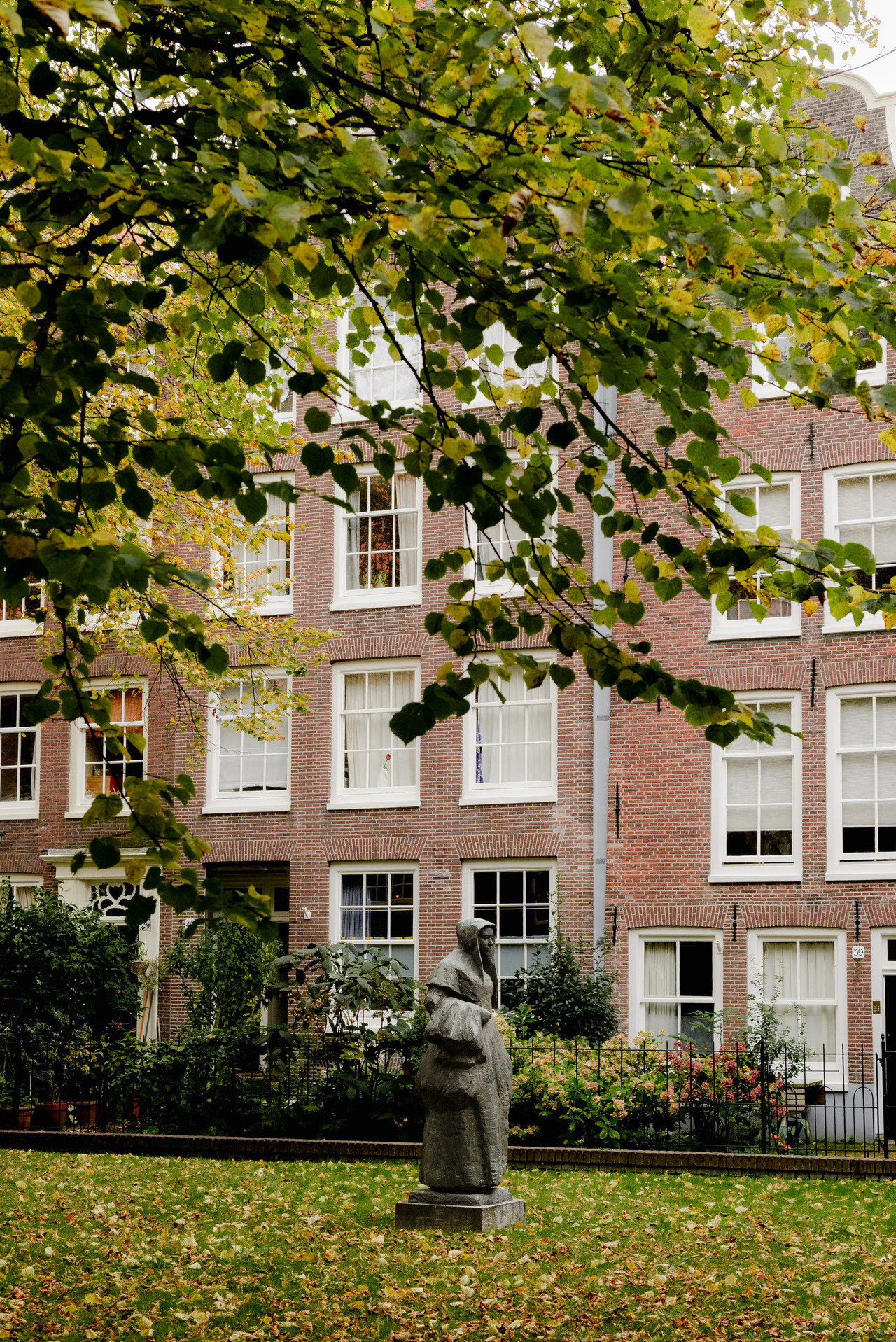
Begijnhof is one of the most intimate architectural spaces in Amsterdam, hidden behind busy streets and easy to miss if you are not looking for it. Originally founded in the Middle Ages as a residential courtyard for the Beguines, the area offers a rare sense of enclosure and continuity within the city.
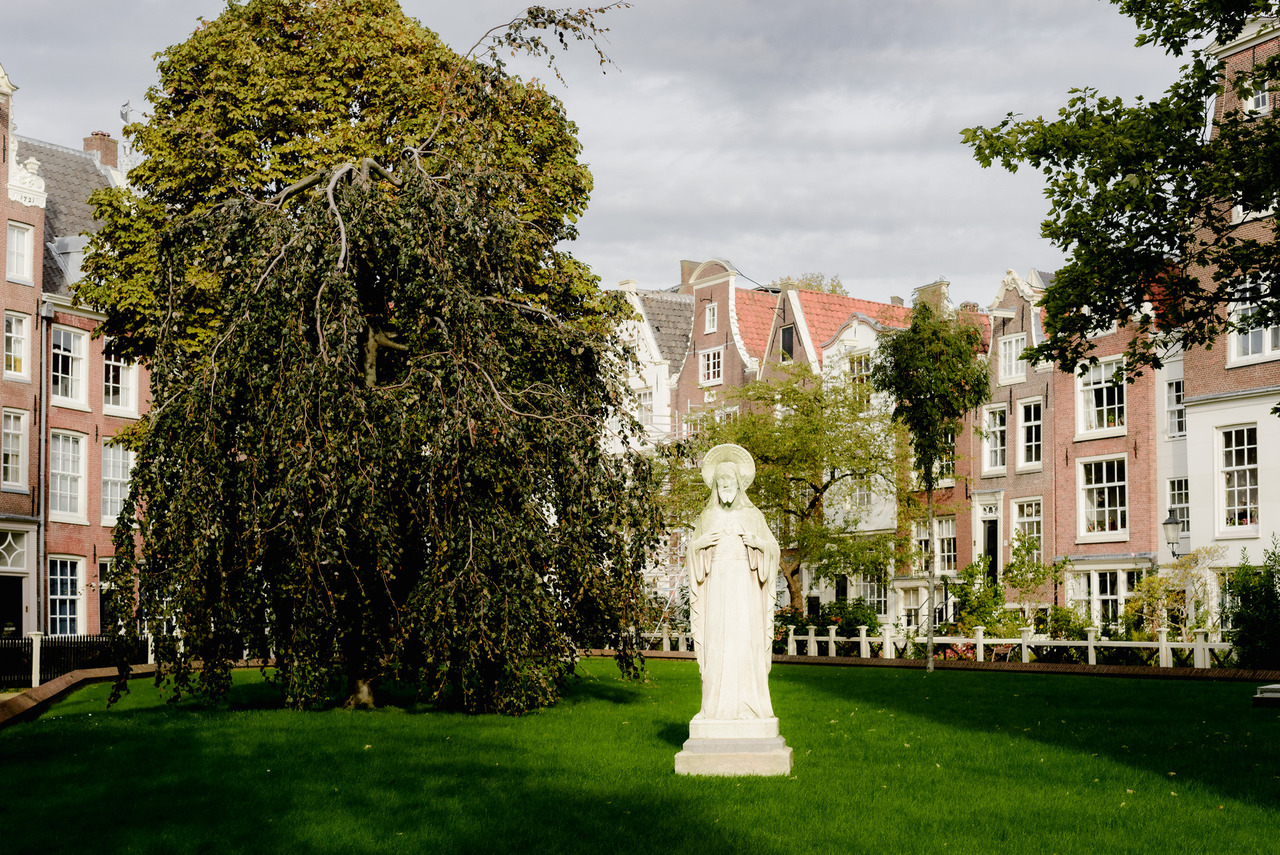
Architecturally, the Begijnhof is fascinating because it brings together different periods in a very small space. dest brick houses line the courtyard, many dating from the 17th and 18th centuries, alongside the Houten Huys, one of th
oldest wooden houses in Amsterdam. The buildings are simple and restrained, designed for communal living rather than display, which gives the courtyard a quiet, human scale.
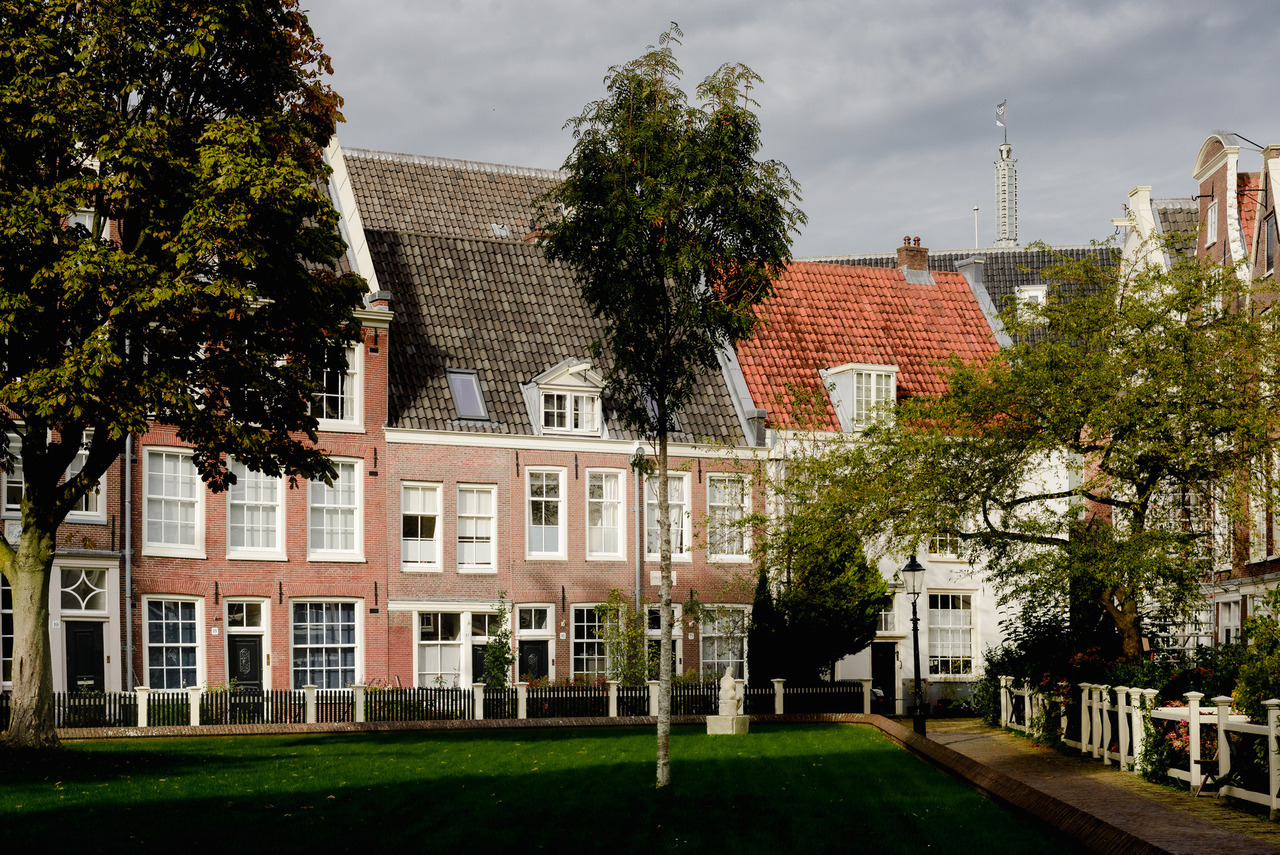
For architecture lovers and photographers, the Begijnhof is less about dramatic façades and more about atmosphere. Proportions, repetition, doors, windows, and the relationship between built space and silence become the focus. Light enters gently, sound is softened, and the courtyard feels separate from the city around it. It is a place that invites slow observation and rewards those who take the time to notice details.

4. Negen Straatjes (Nine Streets)
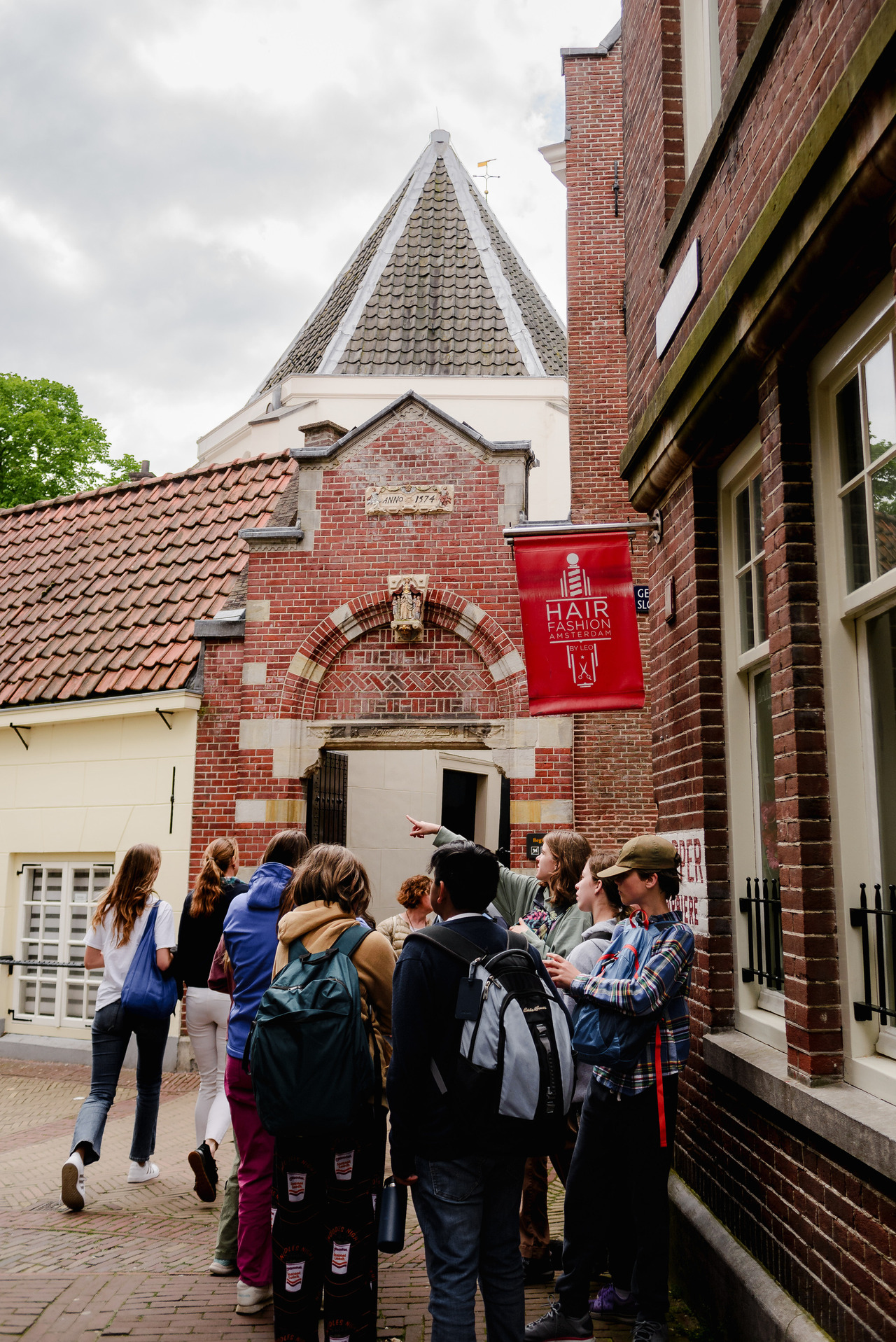
It is one of the most compact and layered areas of Amsterdam, where architecture is experienced at street level rather than from a distance. The neighbourhood sits between the main canals and is made up of narrow streets, small bridges, and tightly packed canal houses that reflect the city’s 17th-century expansion.
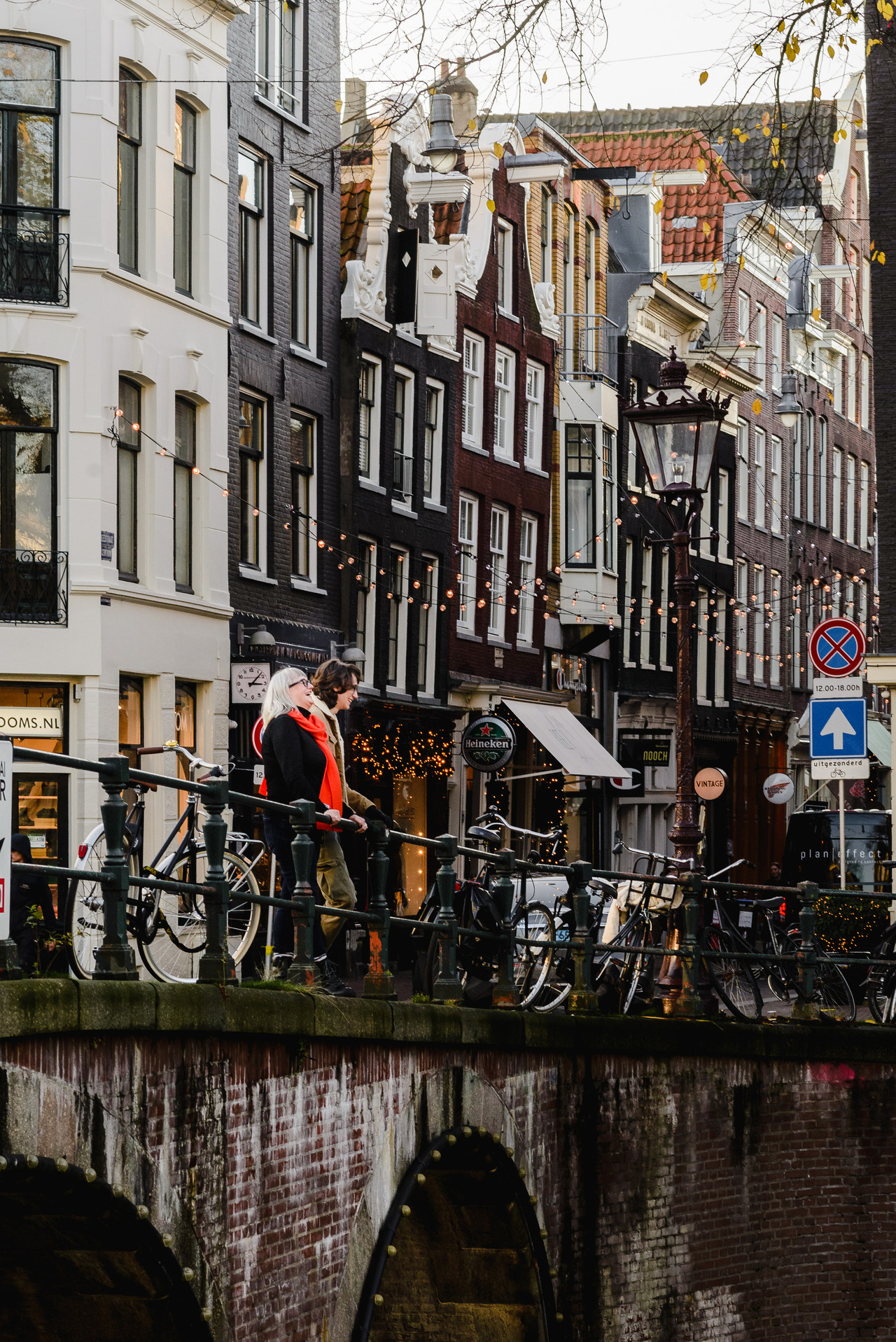
Architecturally, the Nine Streets are interesting because of their density and variation. Façades change quickly from one building to the next, with differences in height, window proportions, gables, and materials. Many buildings were originally designed for mixed use, combining living spaces above with workshops or storage below, which is still visible in their structure today.

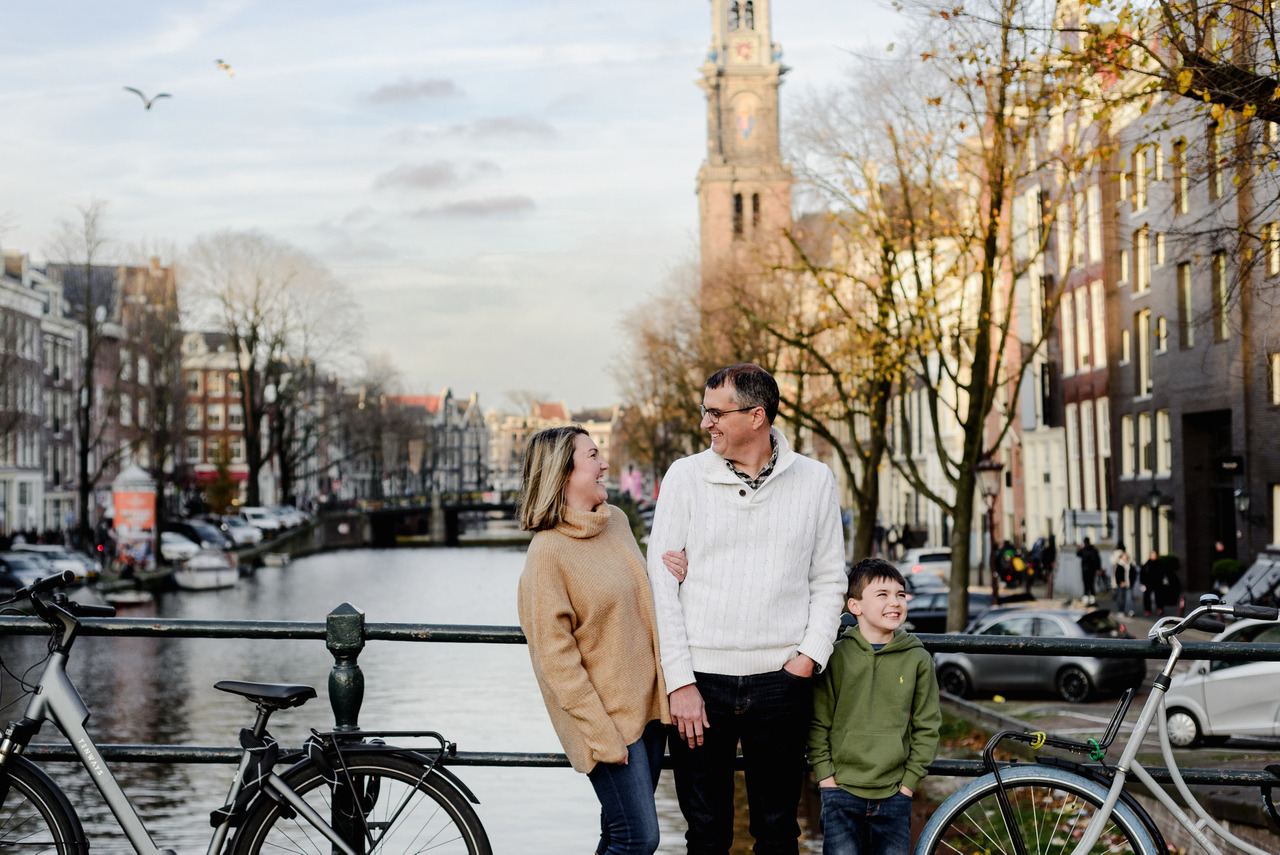
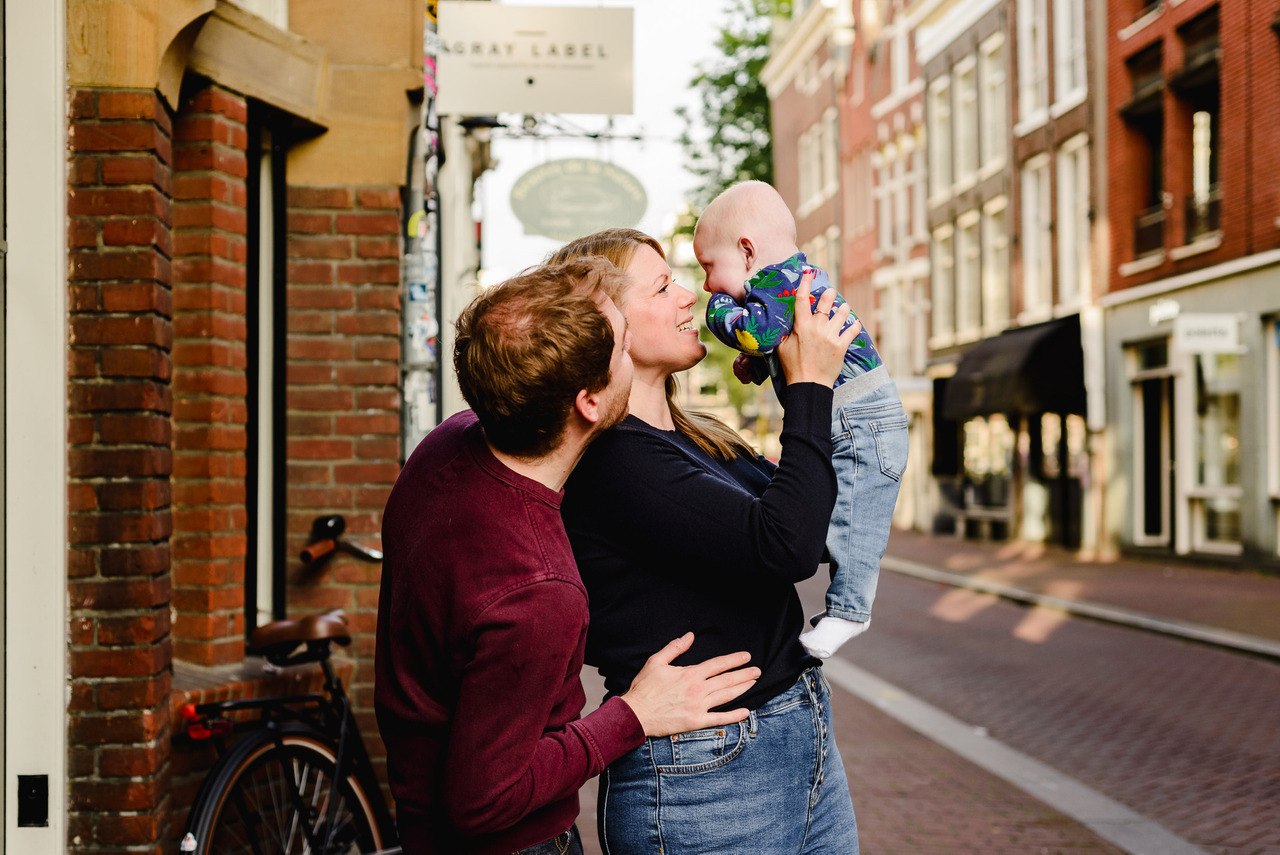
For photographers, this area encourages close observation. The streets are narrow, light shifts quickly, and reflections from shop windows, canals, and bicycles add layers to each frame. Rather than grand perspectives, the Nine Streets reward details, repetition, and moments where architecture and daily life overlap naturally.
5. Stadsarchief Amsterdam
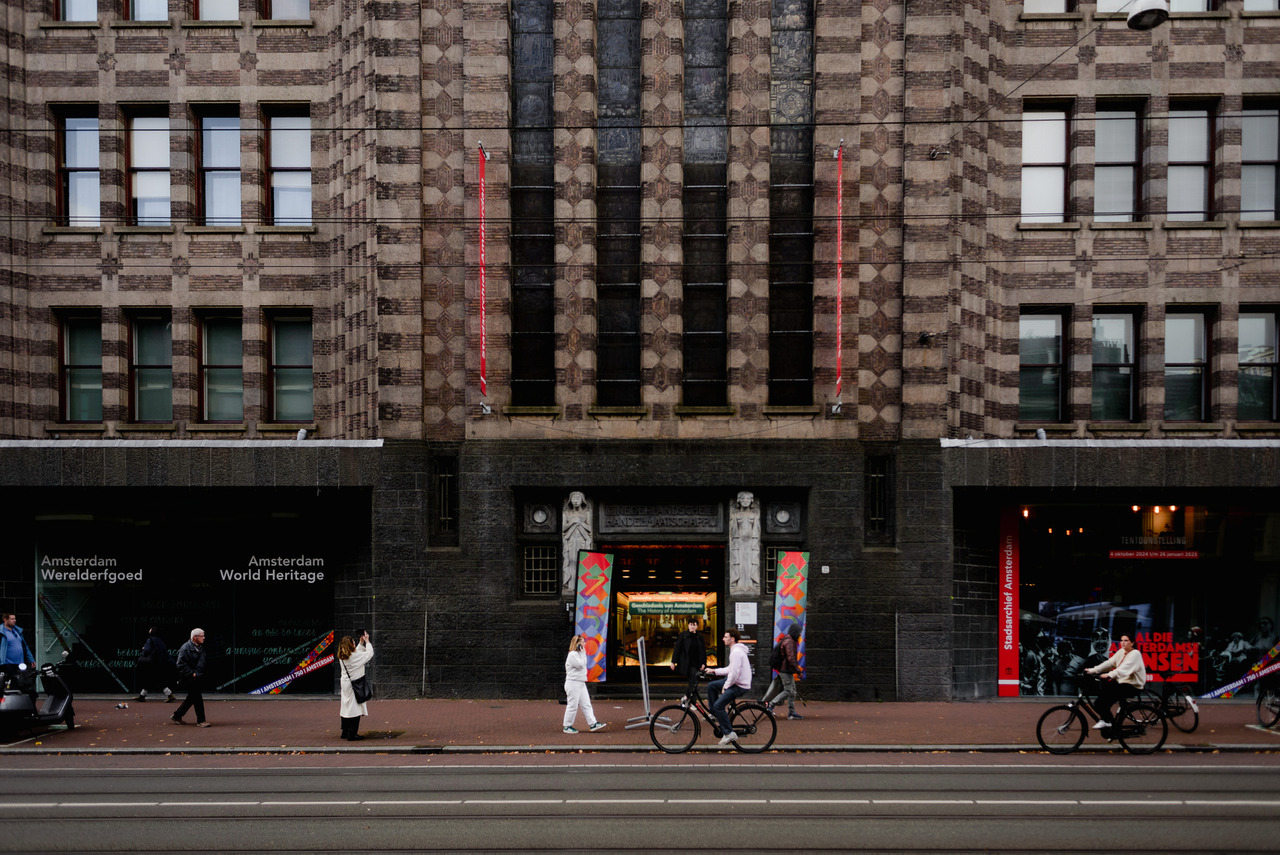
It is an often-overlooked stop for architecture lovers, yet it offers one of the most interesting interior spaces in the city. Housed in the former De Bazel building, originally designed as a bank in the early 20th century, the structure reflects a transition period between traditional craftsmanship and modern architectural thinking.
The exterior already stands out with its monumental brickwork and careful detailing, but the interior is where the building truly reveals itself. Large open spaces, strong vertical lines, and a sense of symmetry make it a rewarding place to explore slowly. What makes the Stadsarchief special is that it is both an archive and a public space. You can walk in freely, sit, observe, and experience how a historic building continues to serve the city today. For photographers, it offers a quiet environment to study scale, light, and material without the pressure of crowds.

6. De Pijp
It offers a very different architectural reading of Amsterdam, shaped by rapid urban expansion rather than long-term planning. Developed mainly in the late 19th century, De Pijp was designed to house a growing working and middle-class population, which is visible in its dense layout, narrow streets, and repetitive building blocks. Unlike the canal belt, architecture here prioritised efficiency over grandeur, resulting in long rows of brick façades, uniform window patterns, and minimal ornamentation.
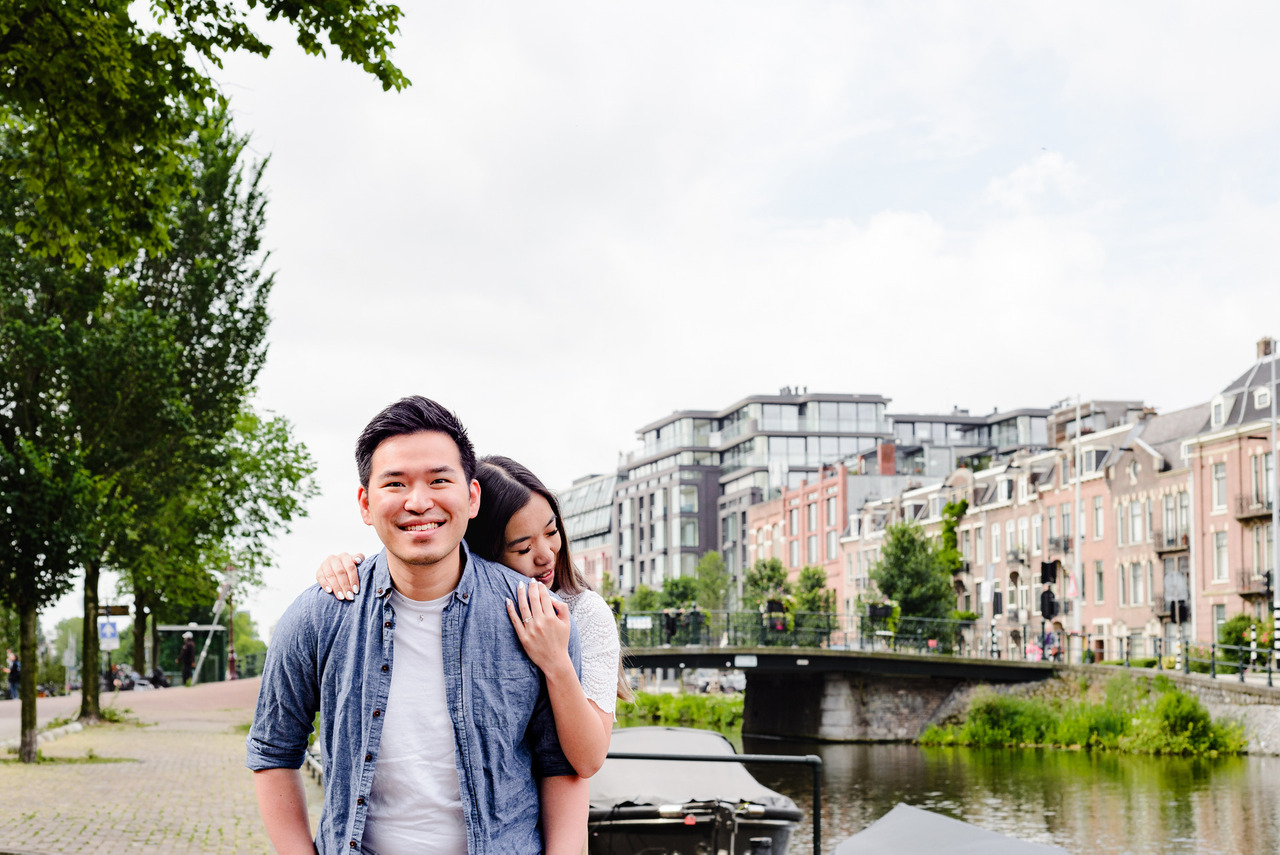
What makes De Pijp interesting for architecture lovers is precisely this density. Buildings sit close together, streets feel enclosed, and the rhythm of façades creates a strong sense of scale at street level. Bay windows, corner buildings, and subtle variations in brickwork reveal how architects tried to introduce light and variation within strict constraints. The neighbourhood shows how Amsterdam adapted to modern urban pressures while maintaining coherence and liveability.

Walking through De Pijp is an exercise in observing everyday architecture. It is less about landmark buildings and more about how housing, commerce, and street life coexist. Cafés, markets, and small shops activate the ground floors, while residential life unfolds above, making De Pijp a strong example of mixed-use urban design that still defines Amsterdam today.

7. Museum Quarter
It is where Amsterdam’s architecture becomes intentional, monumental, and openly symbolic. This area was developed in the late 19th century as part of a cultural expansion of the city, and it shows a clear shift from residential architecture to buildings designed to represent knowledge, art, and national identity. Wide avenues, open sightlines, and generous green spaces were planned to give these institutions space to breathe and to be seen.

The architecture here is defined by contrast and dialogue. The historic presence of the Rijksmuseum, with its Neo-Gothic and Renaissance Revival elements, sets a strong visual anchor. Nearby, the Stedelijk Museum introduces modernist lines and contemporary materials, while the Van Gogh Museum balances the two with a calmer, functional design. Together, these buildings show how different architectural languages can coexist within one coherent urban space.

For architecture lovers, the Museum Quarter is ideal for studying scale, proportion, and intention. Buildings are designed to be approached slowly, photographed from a distance, and experienced from multiple angles. The open lawns and reflective surfaces around Museumplein allow you to see how architecture interacts with light, sky, and movement throughout the day. It is an area where architecture is not only built to function, but to communicate purpose, ambition, and cultural value.
8. Sloten (Old Village Area)
It is one of those places that quietly changes how you understand Amsterdam. Officially part of the city, it still feels like a separate village, with a scale and rhythm that belong to an earlier time. Sloten is one of the oldest settlements in the area, and walking through it feels less like visiting a neighborhood and more like stepping into a preserved fragment of Dutch history.
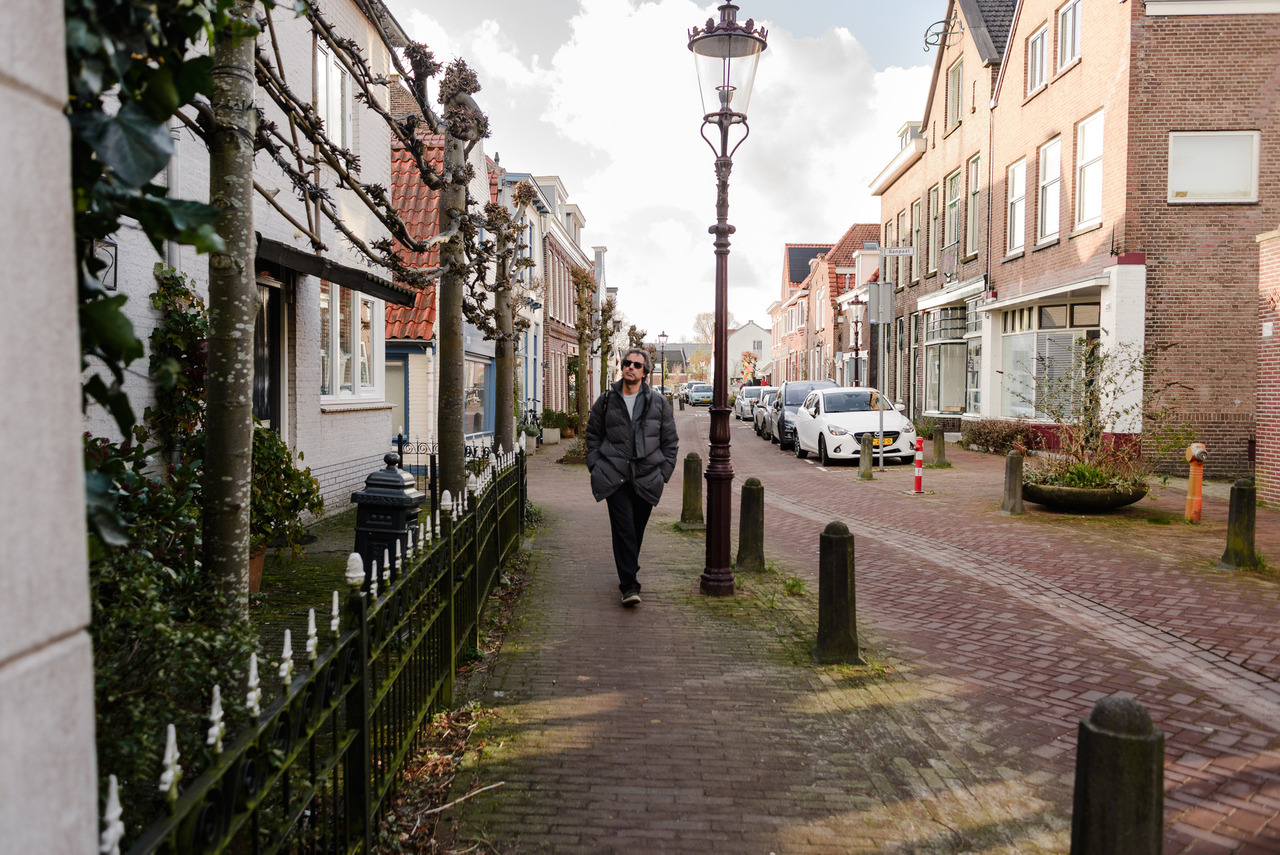
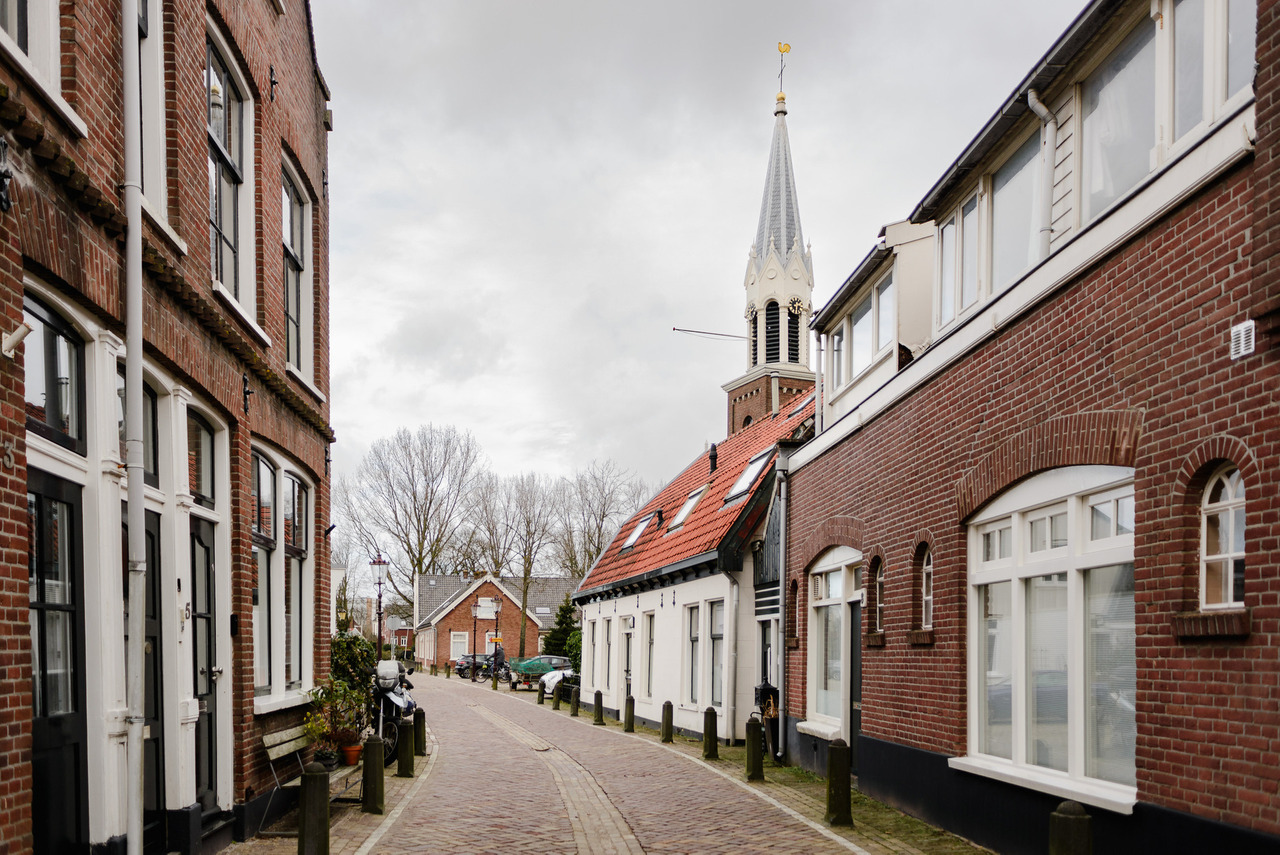
Architecturally, Sloten is about restraint and function. Low houses, narrow streets, and modest façades reflect a rural past shaped by water management rather than wealth or trade. The buildings here are not meant to impress but to endure. This makes it an ideal place to study proportions, materials, and how architecture adapts to daily life instead of spectacle.

The presence of the Sloten Windmill reinforces this relationship between architecture and landscape. The mill is not decorative; it exists as part of a system that once protected the land from water. Nearby, boundary stones and old infrastructure markers reveal how space was measured, protected, and organized long before modern urban planning.
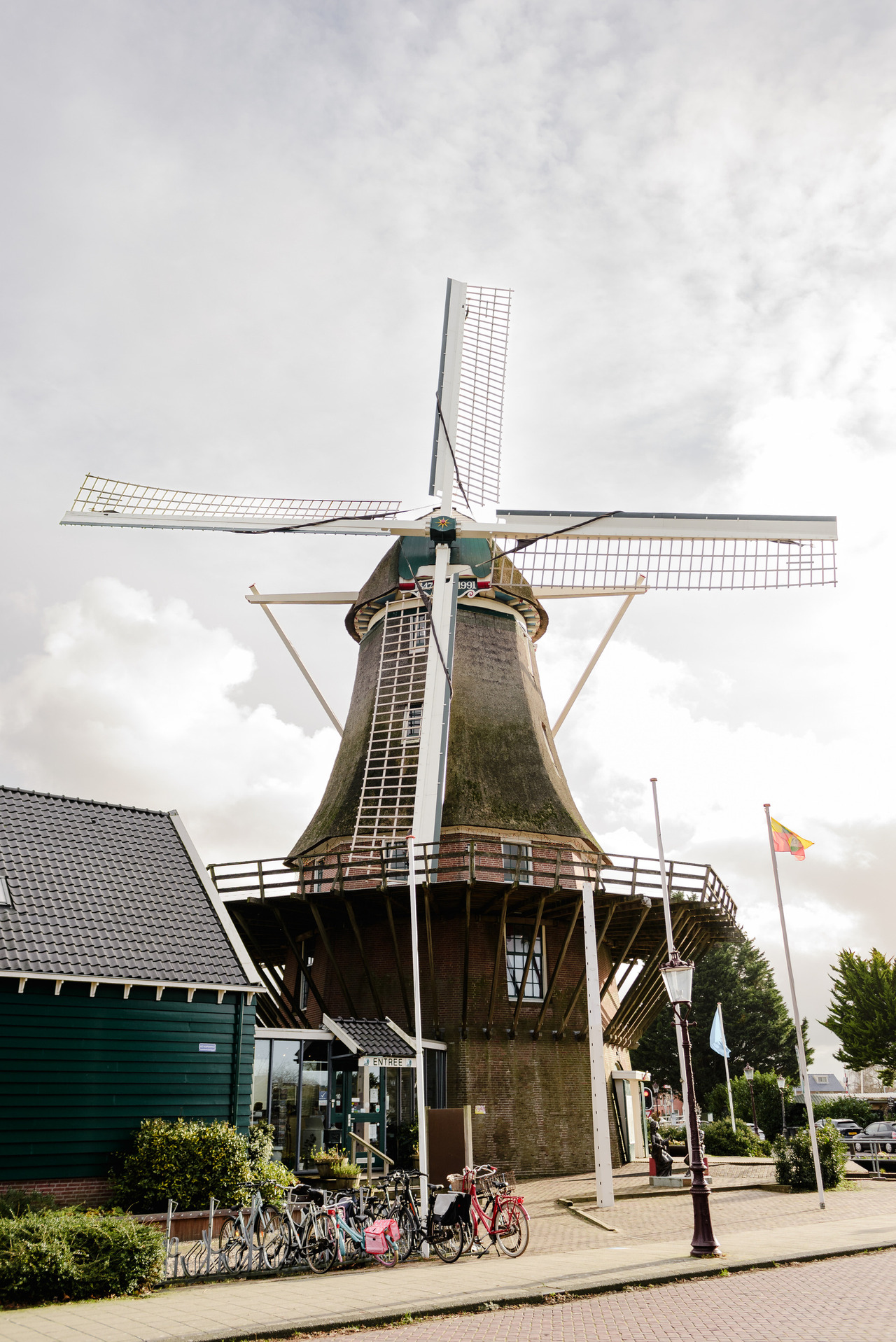
For photographers and architecture lovers, Sloten offers something rare in Amsterdam: quiet. With fewer visual interruptions, it becomes easier to observe details such as rooflines, brick textures, and the way buildings sit within open space. Light moves gently here, unobstructed by tall structures, making it an excellent place to photograph transitions between village architecture and the surrounding countryside.
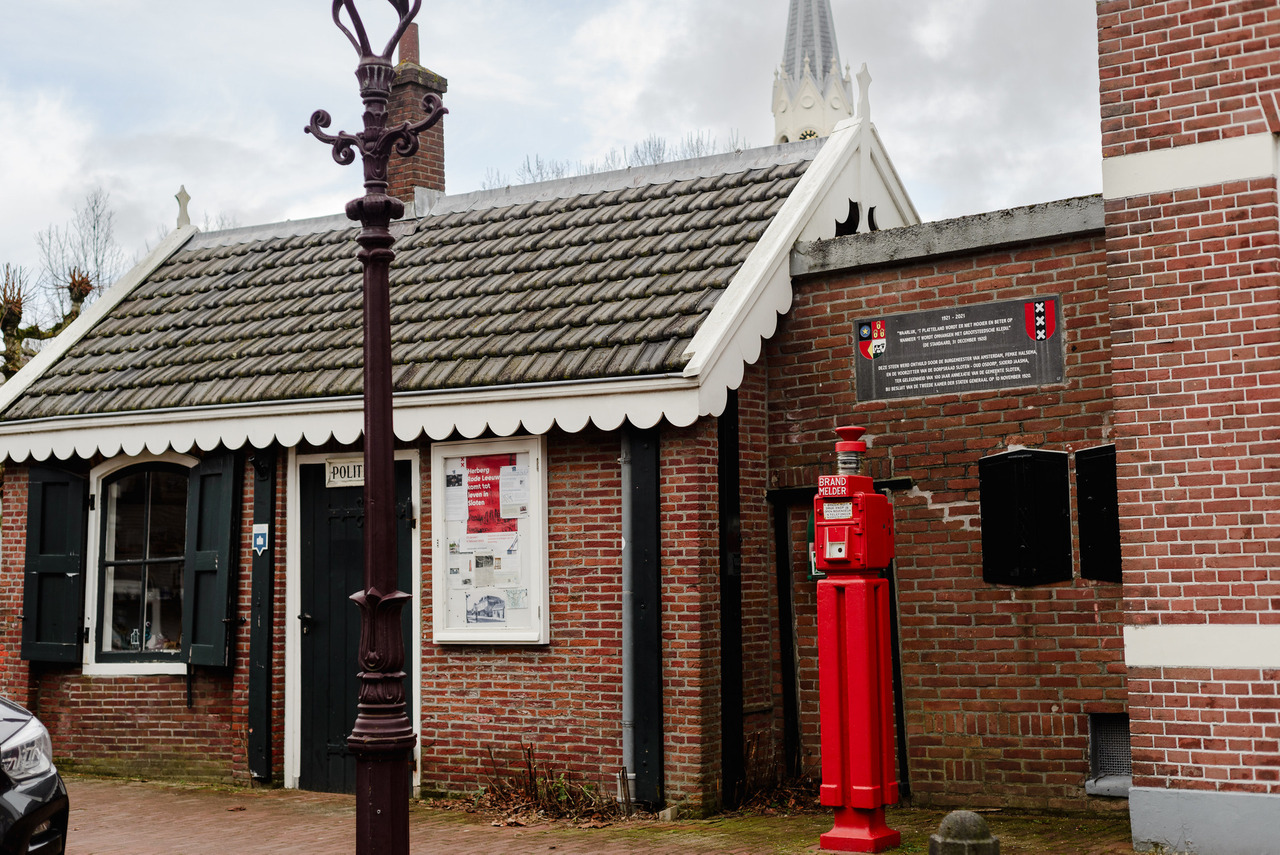
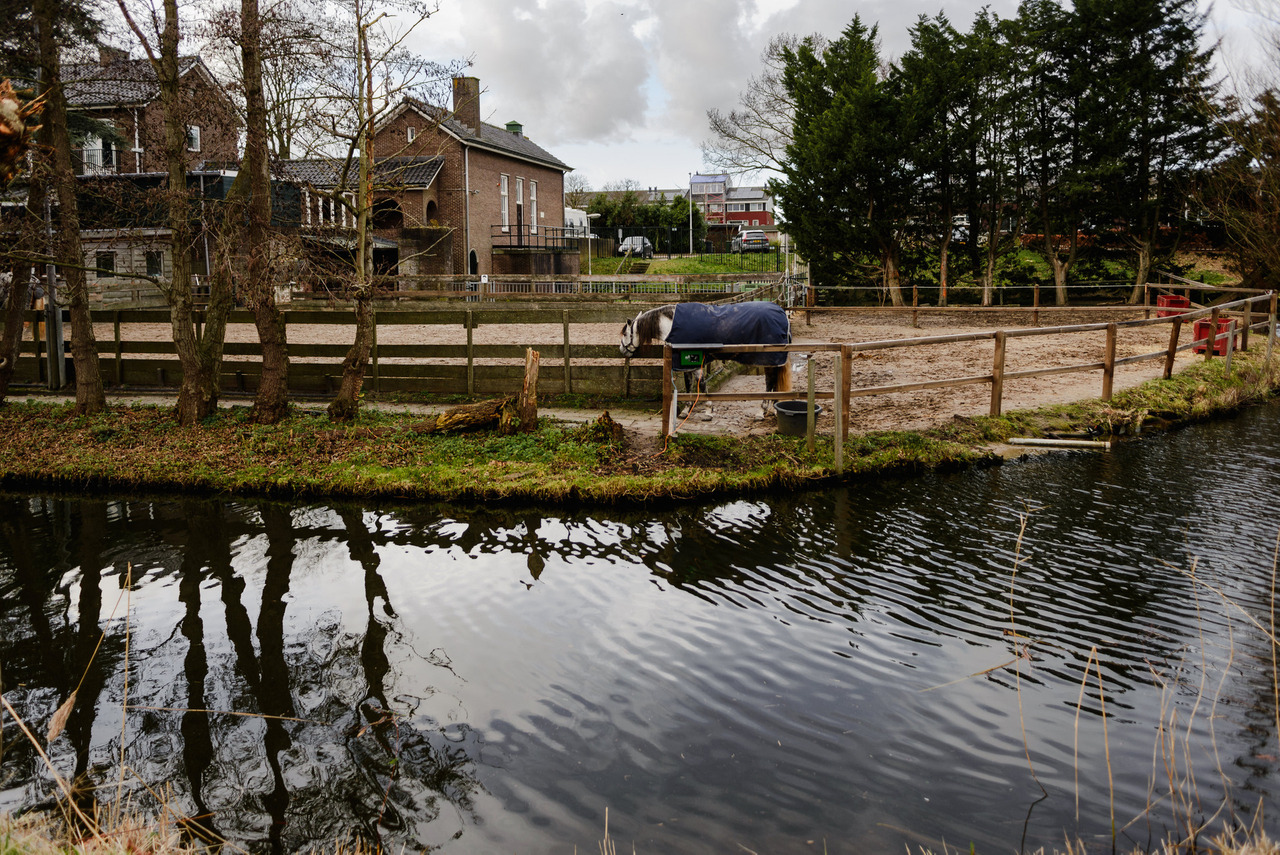
Sloten reminds us that Amsterdam is not only defined by canals and grand façades, but also by small-scale environments where architecture serves community, memory, and continuity.
---
Most of the places mentioned in this post can be explored on foot in one or two days. They form a walkable thread through the city, where architecture reveals itself gradually as you move from canal to canal and neighbourhood to neighbourhood.

Sloten is the exception. It sits farther from the centre and requires a short trip, but it is included intentionally. Sloten is one of the oldest parts of Amsterdam and offers a rare glimpse into what the city looked like before expansion, planning, and canals reshaped it. Seeing Sloten alongside the canal belt helps put Amsterdam’s architectural evolution into context, from village scale to urban complexity.

This list is not exhaustive. Amsterdam has many other architectural stories that deserve their own space. Areas like Het Schip and the wider Spaarndammerbuurt, NDSM, and landmark buildings such as the Amrâth Hotel or the surroundings of Westerpark are not included here, not because they are less important, but because they represent different architectural movements. These places will be part of a future post, where I will focus more deeply on architectural styles and expression.
Think of this article as a starting point. A way to experience Amsterdam through architecture that unfolds at walking pace, with one intentional step back in time at the end.
Until next time in Amsterdam,
Joanna
Your Photographer in Amsterdam