
This article contains affiliate links. If you book through one of them, I may receive a small commission at no extra cost to you.
I went to Chez Matisse at H’ART Museum without knowing very much about what I was going to see.
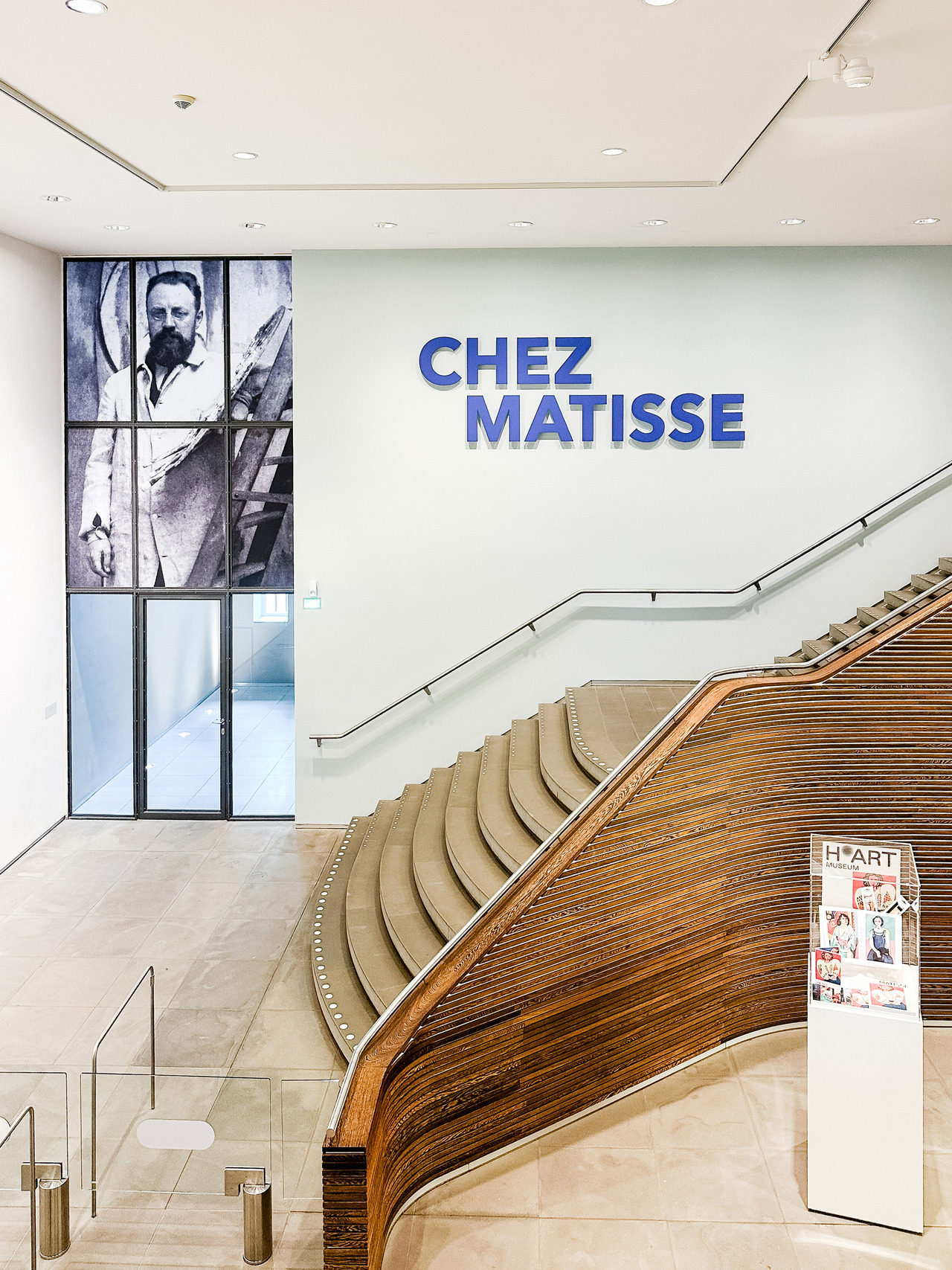
Lately, I have been trying to approach exhibitions differently. Instead of reading the curators’ notes first and then looking at the artwork knowing what I am supposed to see, I try to look first. I observe, form my own thoughts, make connections, and only afterwards read what has been written about the work.
At some point during this exhibition, that became a little game: I would enter a room, look at all the paintings and try to find the Matisse before reading any of the labels.
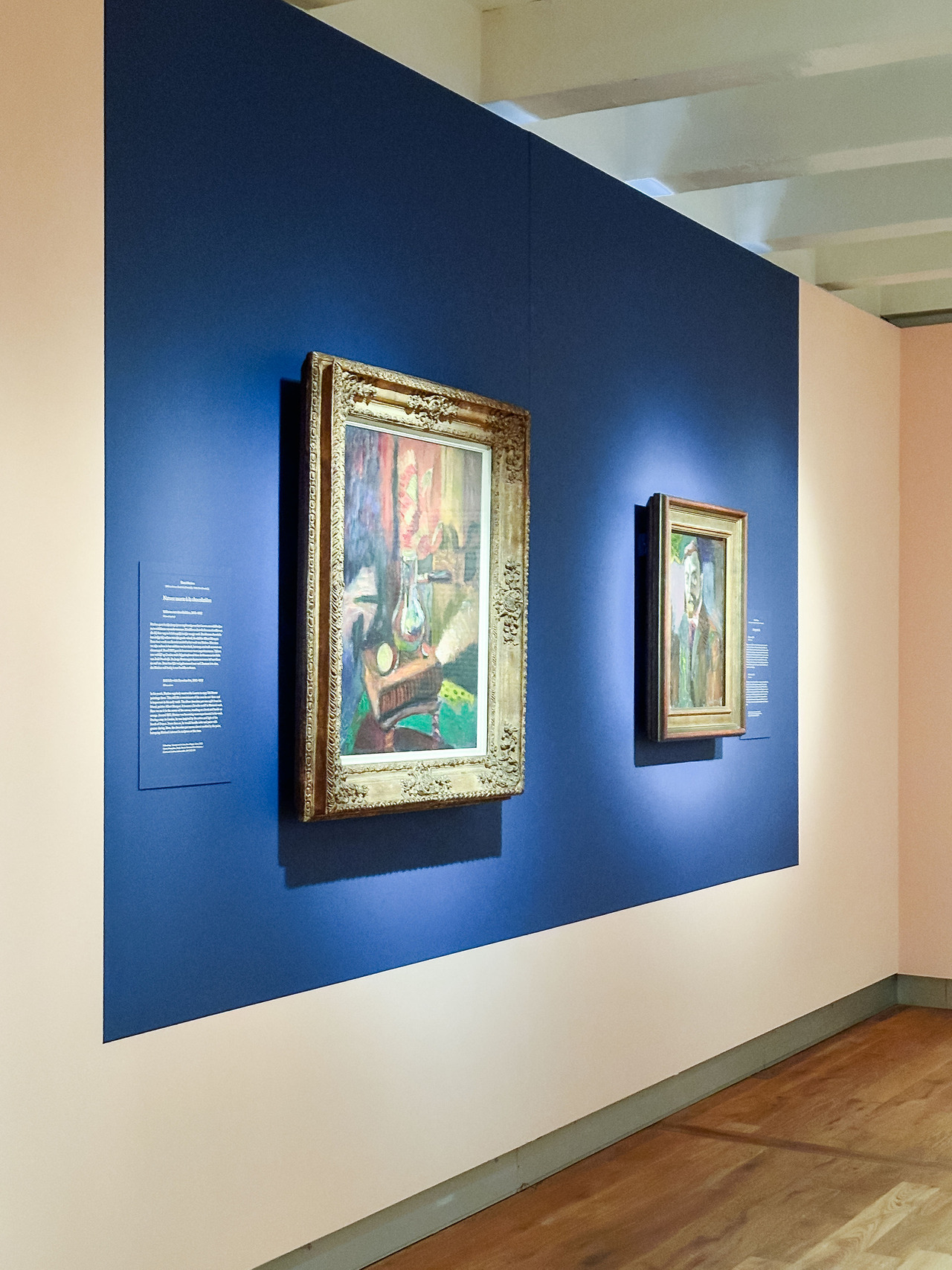
Sometimes it was obvious. Sometimes it really wasn’t. But what surprised me was how often I could recognise him even when the paintings looked completely different from one another.
And that made me think about something photographers talk about all the time: what does it actually mean to have a style?
When photographers talk about developing a style, we usually talk about consistency: consistent colours, editing, light, compositions. There is a practical reason for that. If someone books me after seeing my portfolio, they should have a reasonable idea of what I'll create for them.
But walking through the Matisse exhibition made me question where consistency ends and repetition begins. His work changes enormously.
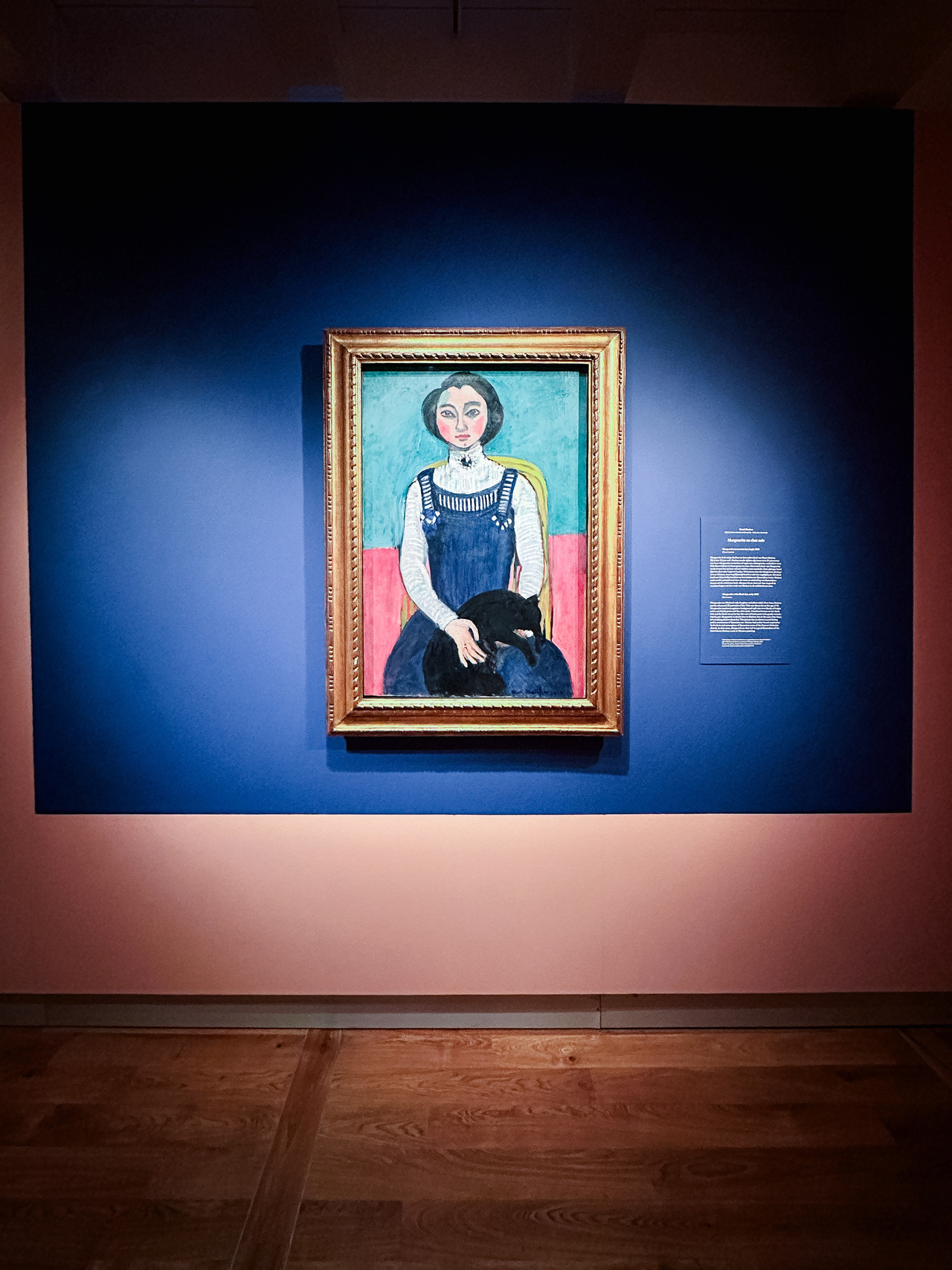
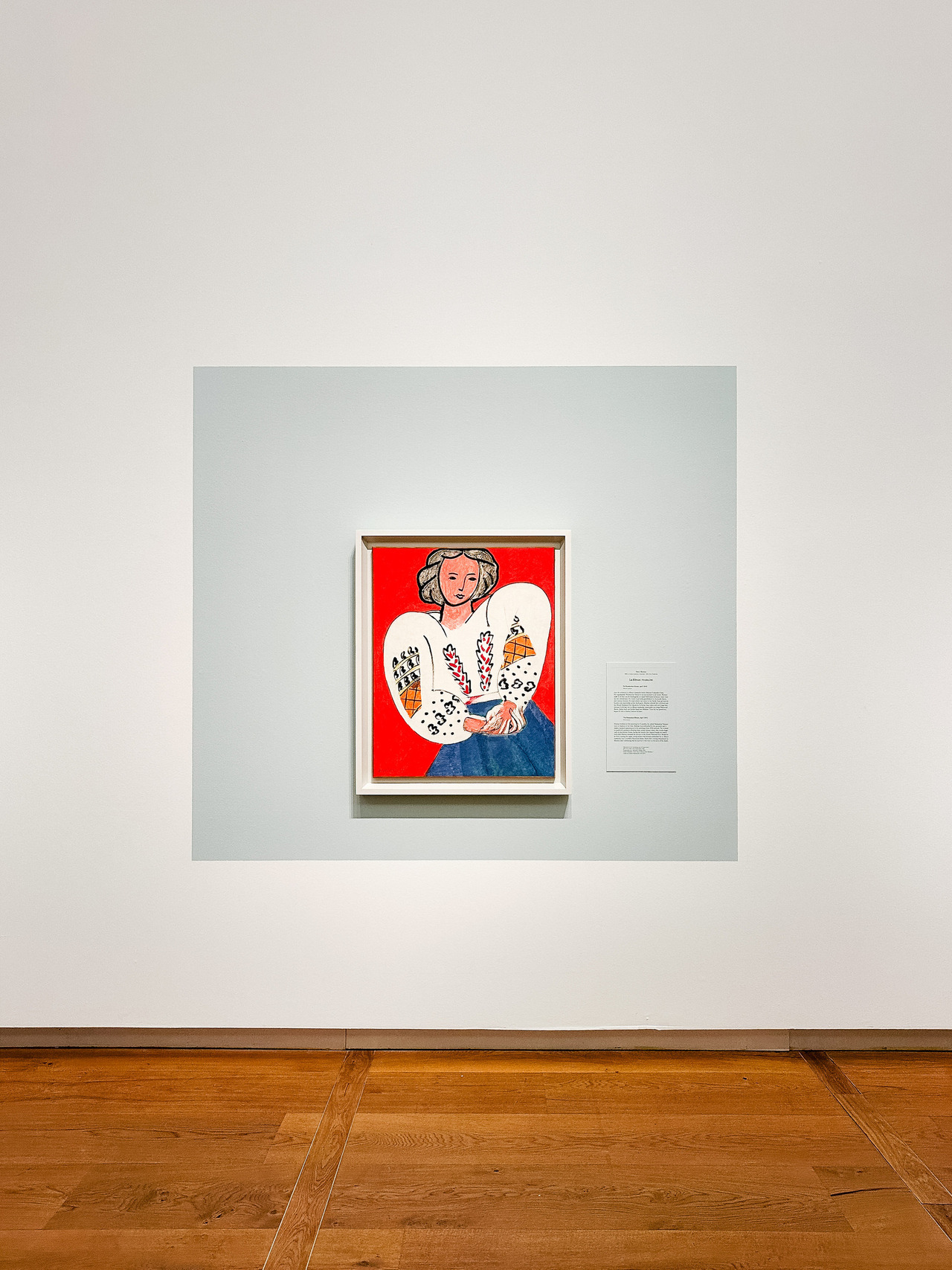
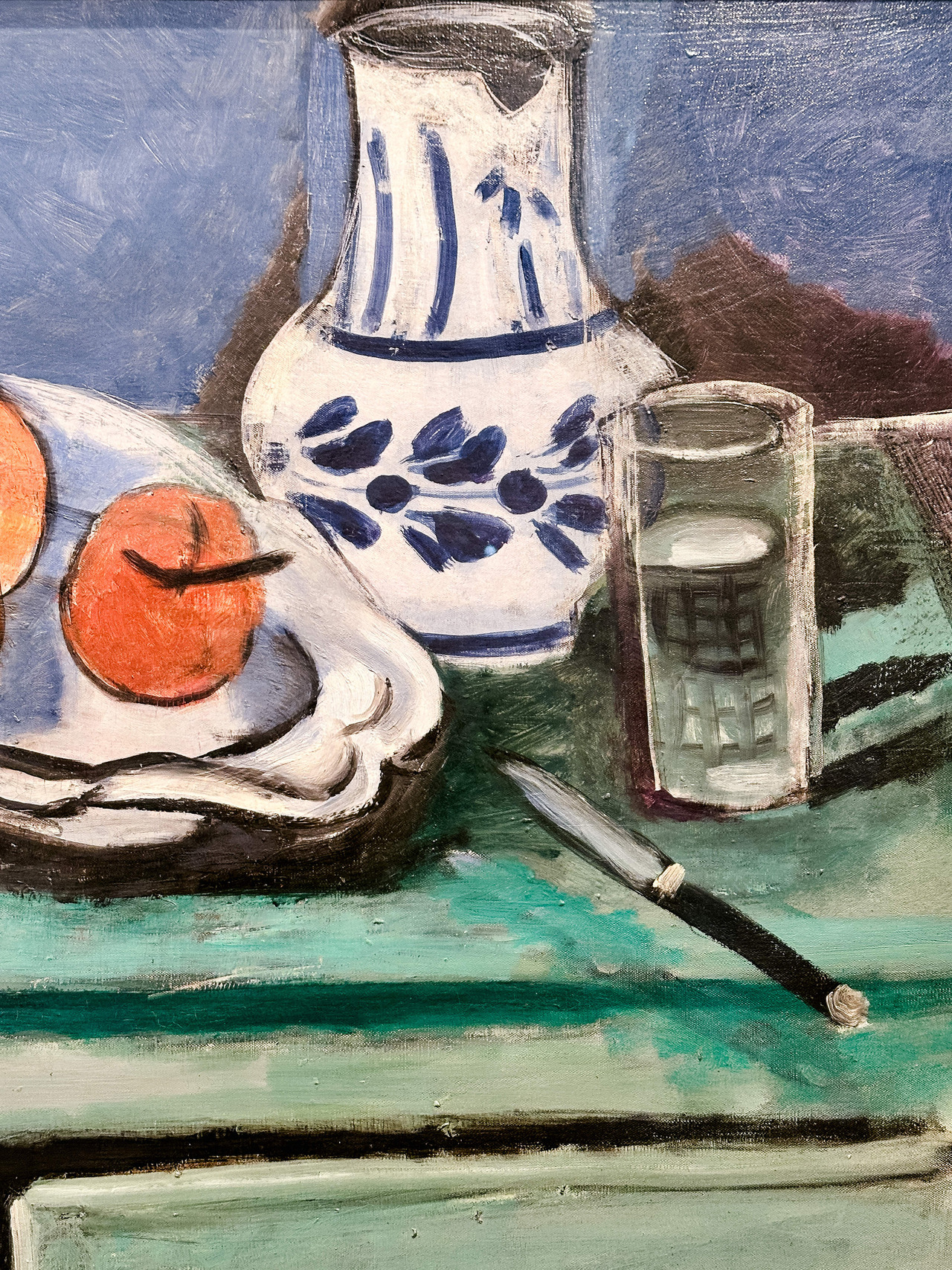
The colours, brushstrokes, and amount of detail change. Sometimes the paint is soft, light, and almost transparent. In other periods, drawing and strong lines become much more important. I found blues and greens dominating some works and, as I moved through the exhibition, stronger reds and oranges entering his world.
Even his portraits change. Faces that once had more depth become increasingly simplified, sometimes almost cartoon-like. And yet I kept entering rooms and thinking that one has to be Matisse.
One of my favourite moments happened in front of French Window at Collioure from 1914. It looks completely different from the Matisse most people probably have in their minds. There are no figures, no flowers, no colourful interior. It is mostly a series of vertical areas of muted colour with a large dark centre.
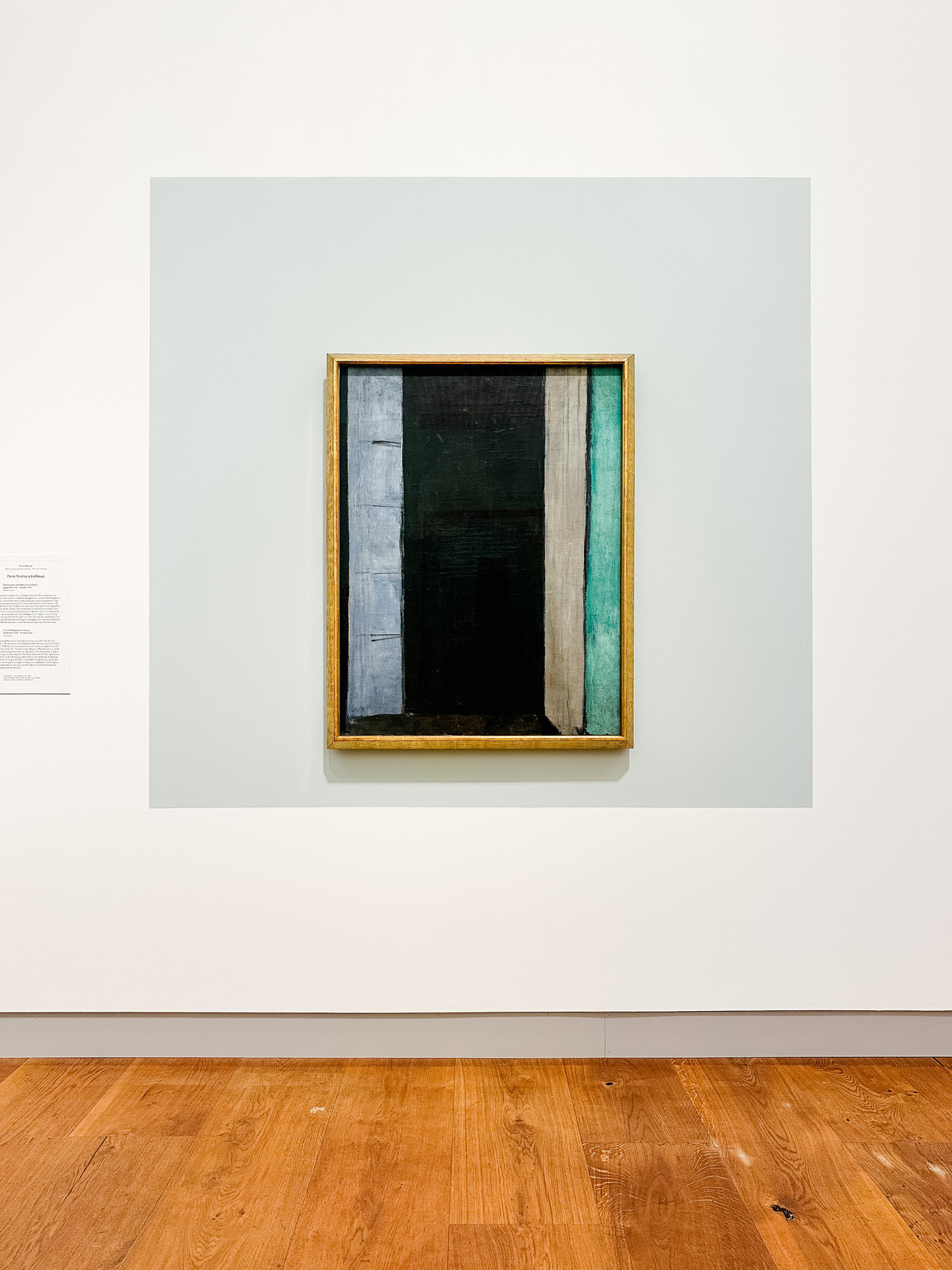
But I entered the room, looked at the paintings and thought that one had to be his. It wasn't the subject or even the palette that made me recognise it. It was the way the paint sat on the canvas. It felt light, matte and soft, almost as though he had simply passed a thin layer of paint over it and decided that was enough. The other paintings around it felt more solid, more filled, more intentional in the way the colour covered the surface.
His work could change radically and still somehow feel like his. That made me think about my own photographs.
I have been a photographer for around 15 years, and when I look at the work I made at the beginning of my career, I see a very different photographer.
I was scared of approaching people. I used longer lenses, particularly an 85mm, because they allowed me to photograph from farther away. Looking at those pictures now, I notice that the people often feel disconnected from the place around them. They are there, but the place isn't necessarily part of their story.
Today I work very differently.
Amsterdam has become another character in my photographs. Even when I isolate a couple or family within the frame, I still want there to be a relationship between them and the city. I want you to understand where they were. The canals, houses, bridges, streets, and seasons aren't simply backgrounds. They are part of the experience I'm photographing. That is a huge change in my work, but then I started thinking about what hasn't changed.
I have always loved photographing people who aren't models and aren't trained to perform for a camera. I have a particularly strong preference for photographing people who love each other and are happy together.
I have always believed that when people concentrate on being happy instead of trying to look good for a photograph, they naturally look better. Their bodies relax. Their expressions change. They interact with each other instead of performing for me.
That has survived different cameras, lenses, editing styles, countries and stages of my life. Perhaps that is much closer to my photographic style than the colour of my shadows. I don't want to create the same photograph with different faces.
A couple photographed on a summer evening cannot look exactly like a family photographed on a grey autumn morning. Amsterdam doesn't look the same in April and November. The quality of the light changes, the trees change, and the colours change. Most importantly, the people standing in front of me change.
I don't want to remove all of that variation simply so that every photograph in my portfolio looks identical. I want consistency in how I see people, not necessarily sameness in every photograph I make.
And right now, even my relationship with colour is changing.
For a long time, I was almost afraid of colour casts. I wanted everything to be as neutral as possible. If I saw green appearing in someone's skin, my instinct was to correct it. Recently, I have become fascinated by green.
Part of that comes from photographing Amsterdam. It is an incredibly green city. Trees reflect colour onto people, vegetation surrounds the canals, and depending on the season and light, green can find its way into almost everything.
But I have also started noticing green in paintings. At the Frans Hals Museum, I became fascinated by the greens I could see within skin tones. Then, walking through Chez Matisse, I found myself looking at green again and again.
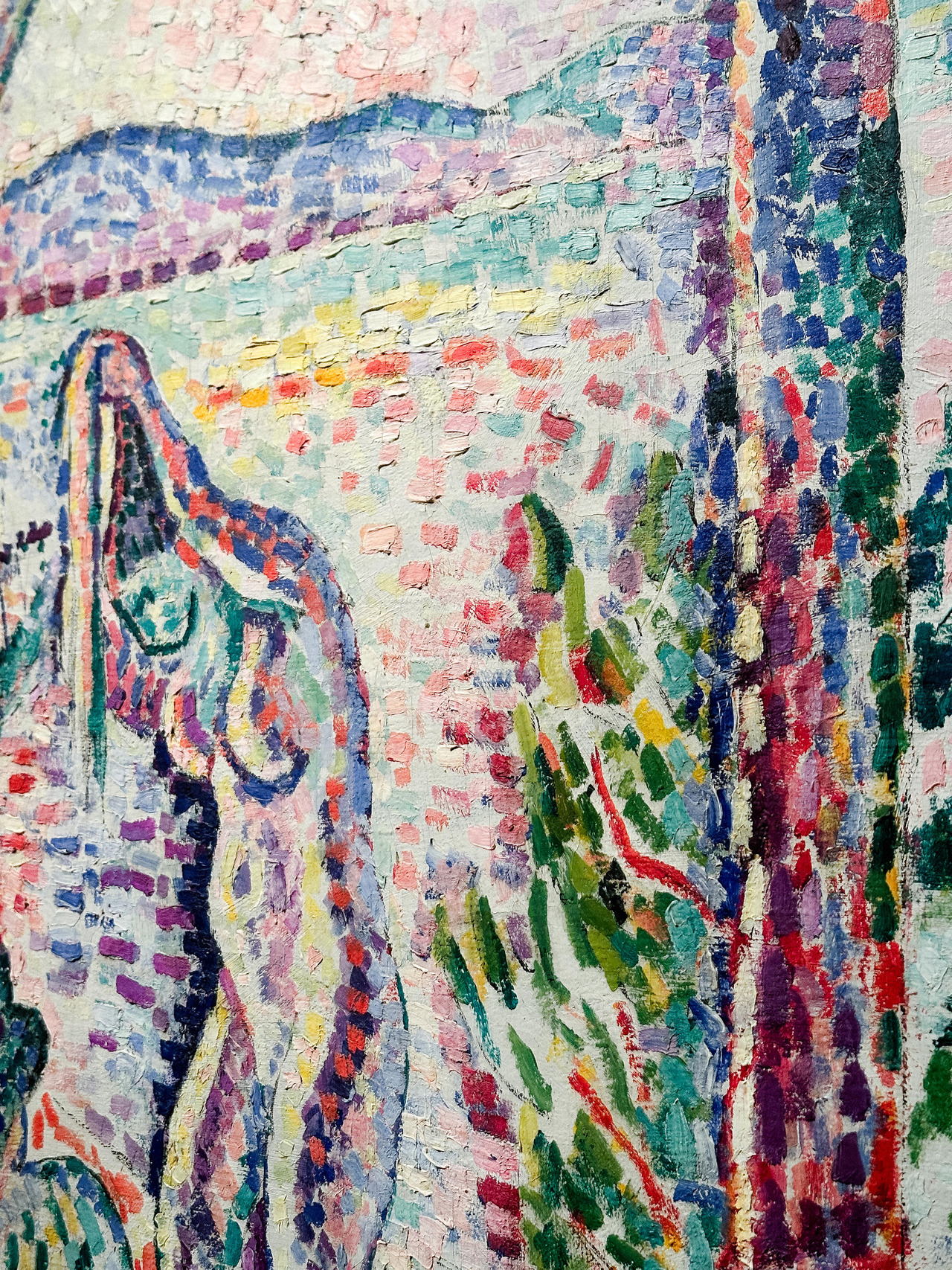
It made me question something I had previously treated almost as a technical mistake.
Does every trace of green really need to disappear? I don't think so anymore.
That doesn't mean I'm suddenly going to make everybody green. It means I'm allowing myself to explore what happens when I don't immediately neutralise everything.
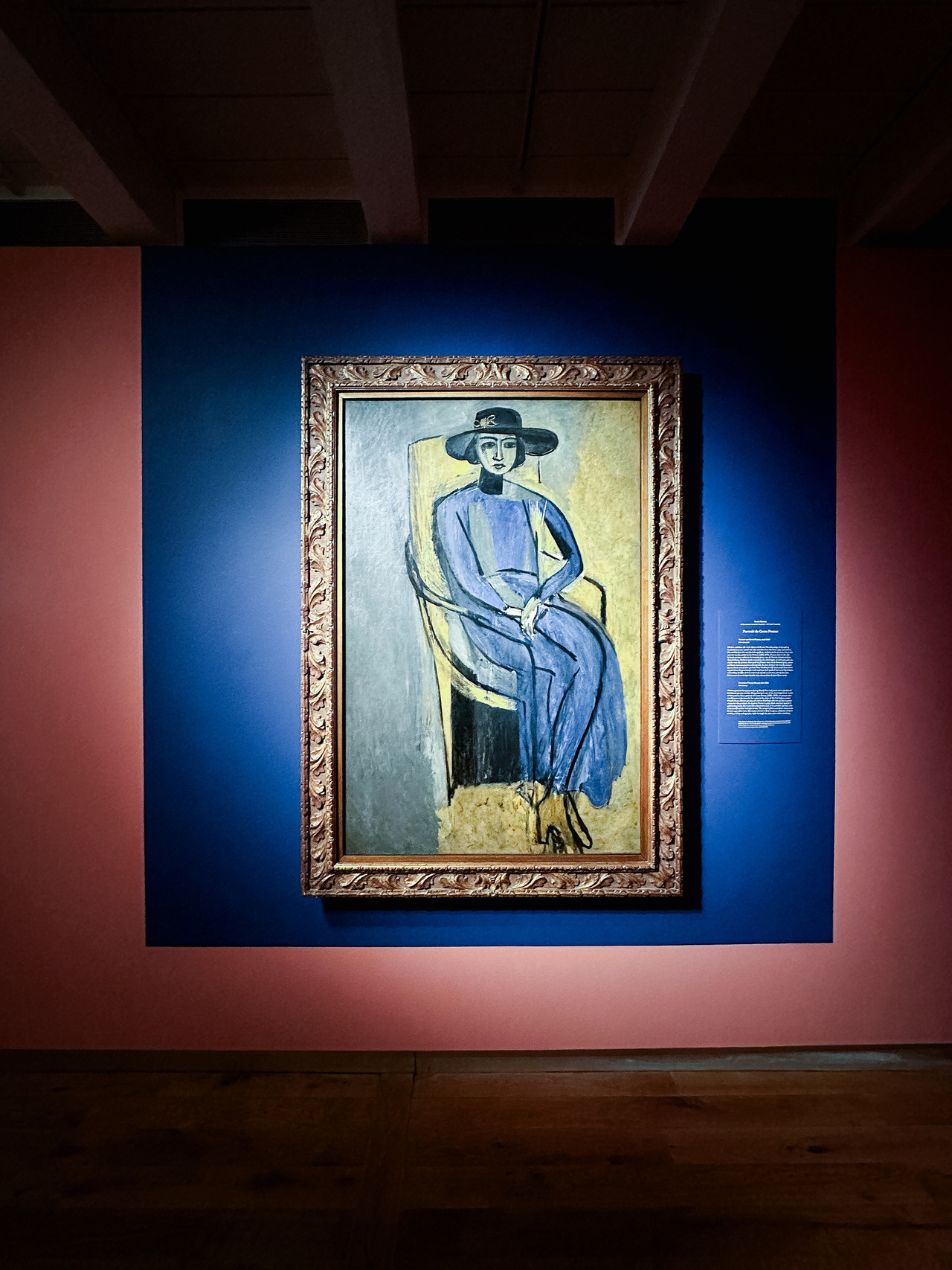
Some of my recent sessions have slightly greener or blue-green tones than I would have allowed a few years ago. One client whose family session moved a little in this direction specifically told me how much she loved my editing style.
It was a small comment, but an important one. It reminded me that allowing your work to evolve doesn't necessarily mean leaving your clients behind. Sometimes they evolve with you.
Another fascinating part of the Matisse exhibition was seeing his work beside other artists. You could see similar objects, compositions, and ideas appearing in different paintings. The visual conversation between Matisse and Picasso was particularly interesting to me. It reminded me how impossible it is to create in complete isolation.
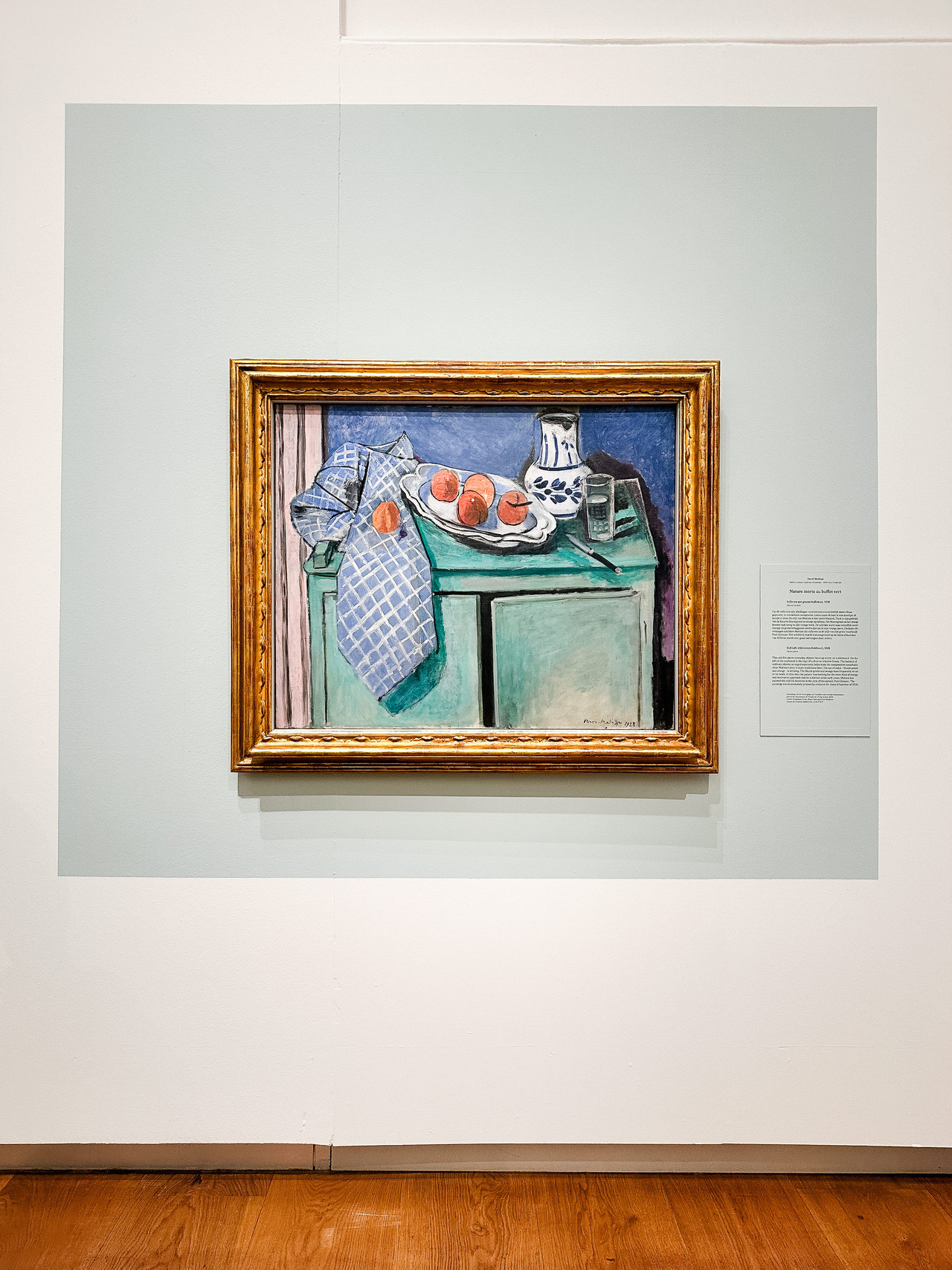
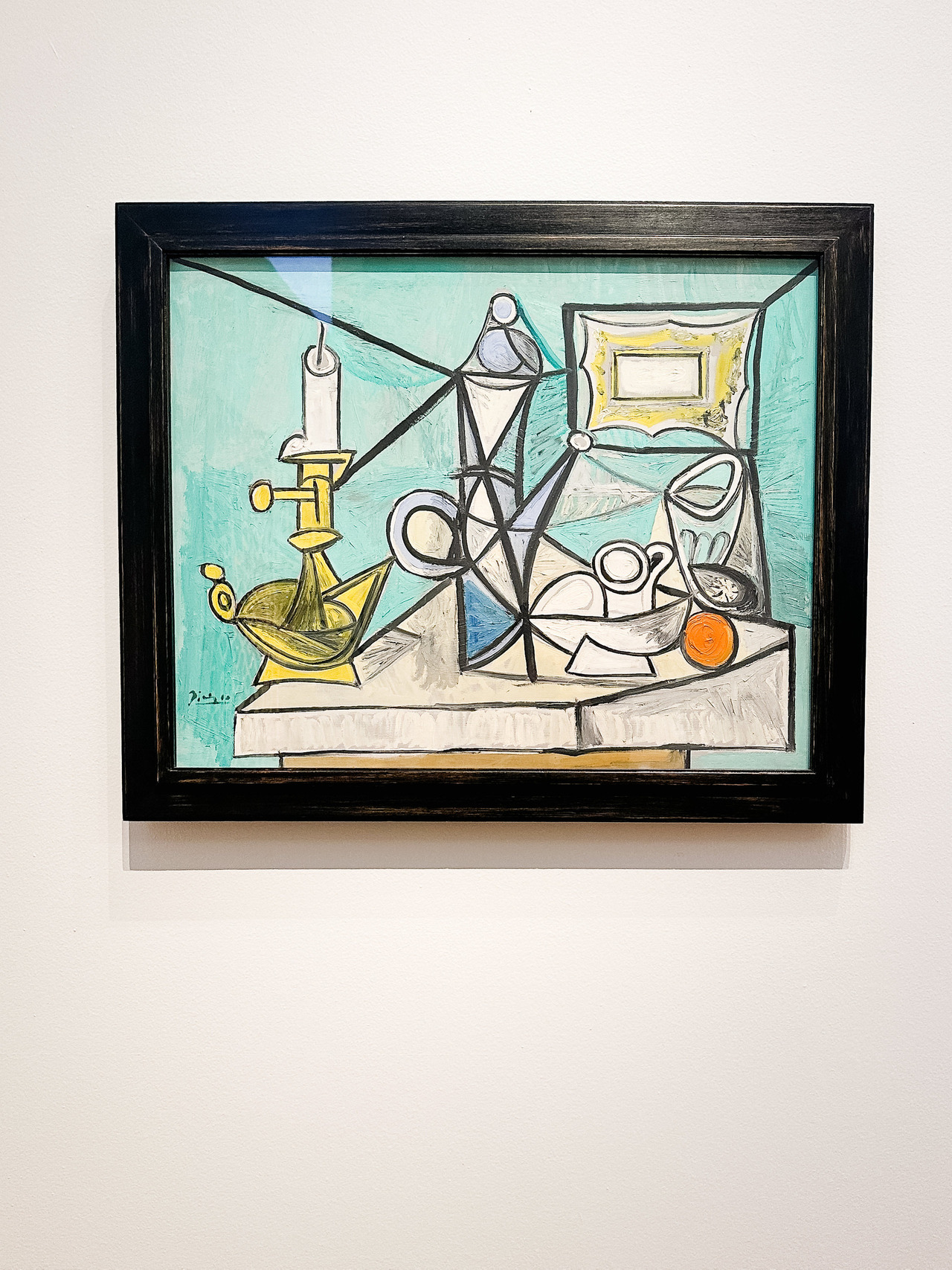
We are influenced by everything around us. The work we see, the cities we live in, exhibitions, films, travel, seasons, conversations, the people we meet, and the things happening in our own lives all slowly become part of the way we see.
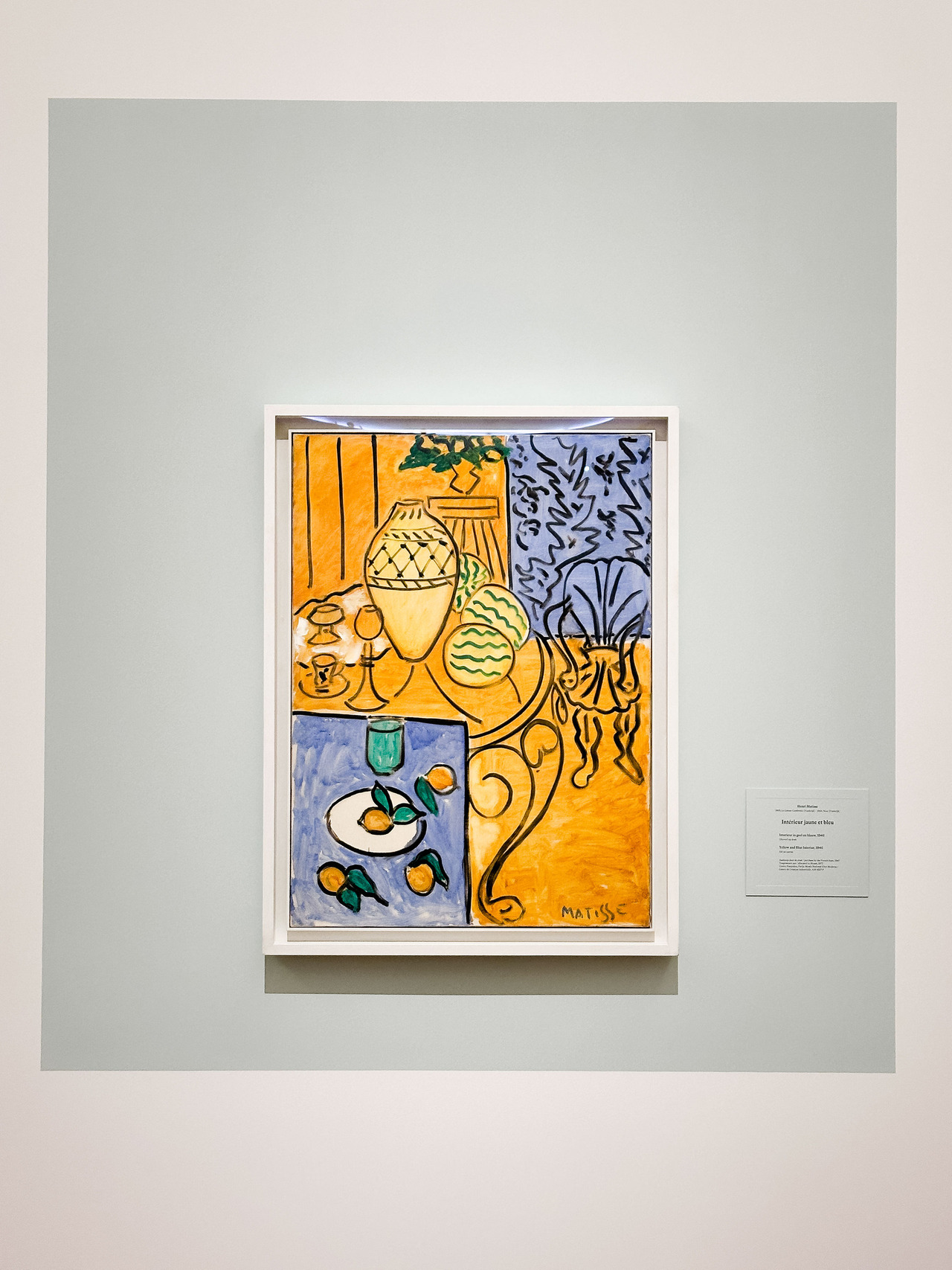
Right now, I'm looking at green. Five years from now, I may be fascinated by something completely different. That doesn't necessarily mean I have lost my style. It means I'm still looking.
And I think that was the biggest thing I took from Matisse that afternoon: permission to separate style from sameness.
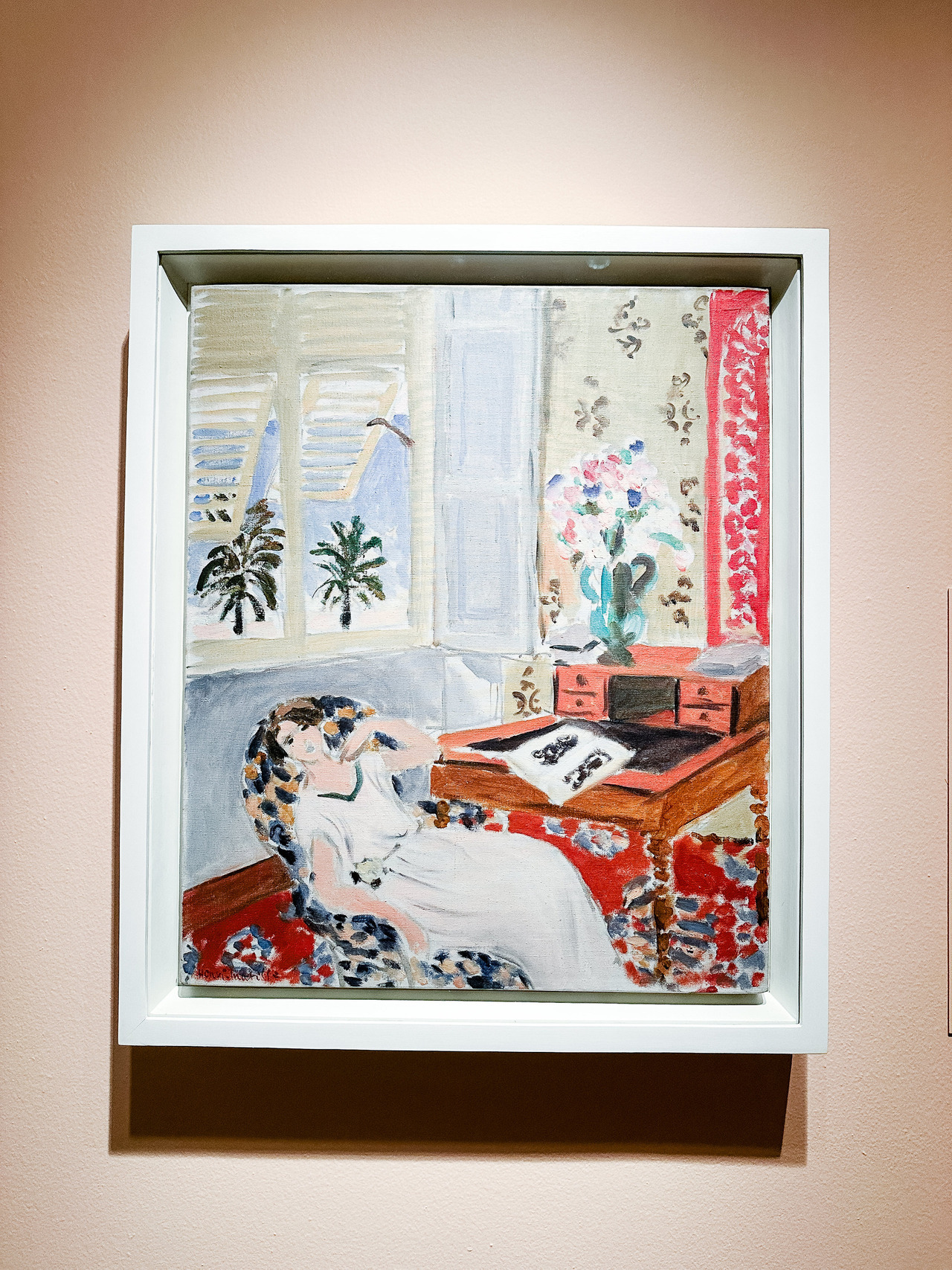
I don't want my photographs in ten years to look exactly like my photographs today. I would actually be disappointed if they did.
"I want my work to represent who I am, and who I am will change. I want the places I visit, the exhibitions I spend hours looking at, the people I photograph, the things I learn, the colours I become obsessed with and the changes in my own life to leave traces in my photographs."
Every person I photograph gives me another story to tell. But through years of telling other people's stories, I am inevitably shaping my own too.
Perhaps having a style isn't about making the same picture forever.
Perhaps it is about allowing everything to change while something in the way you see remains unmistakably yours.
Joanna Pantigoso
Your Vacation Photographer in Amsterdam