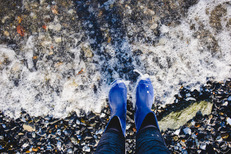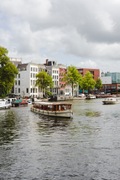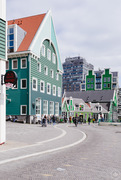

A beautiful background alone creates a beautiful picture, but not necessarily a memorable one.
The photographs that stay with me are usually the ones where people connect with the place around them, when they allow themselves the freedom to play, explore, and engage with their surroundings.
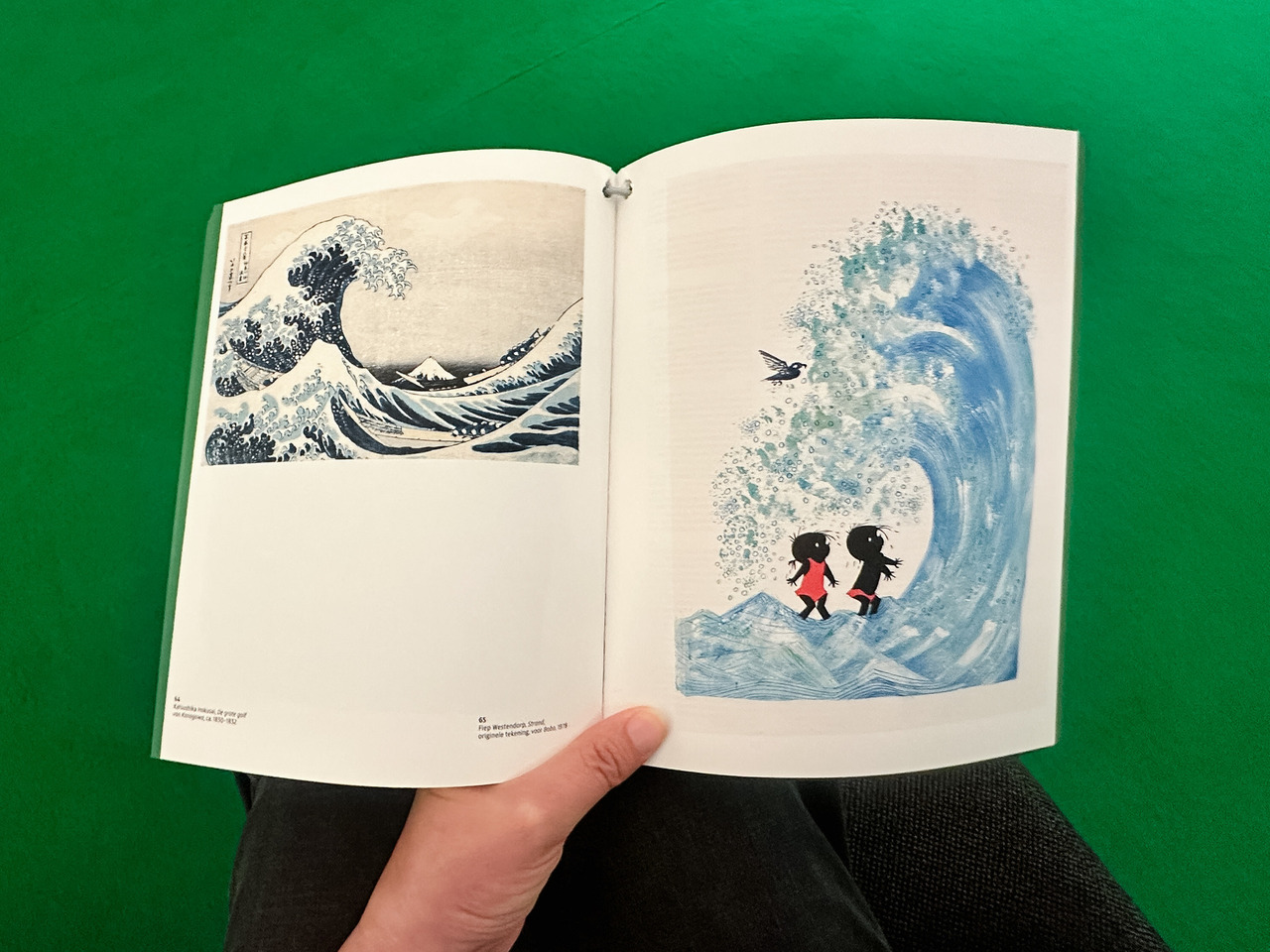
Recently, while walking through the Fiep Westendorp exhibition at the Rijksmuseum, I was surprised to find the same idea inside a series of illustrations. The characters were often simple. Sometimes remarkably simple. Yet the drawings felt complete.
-
All pictures were taken on June 17th, 2026, at the exhibition Preview with an iPhone 14 Pro.
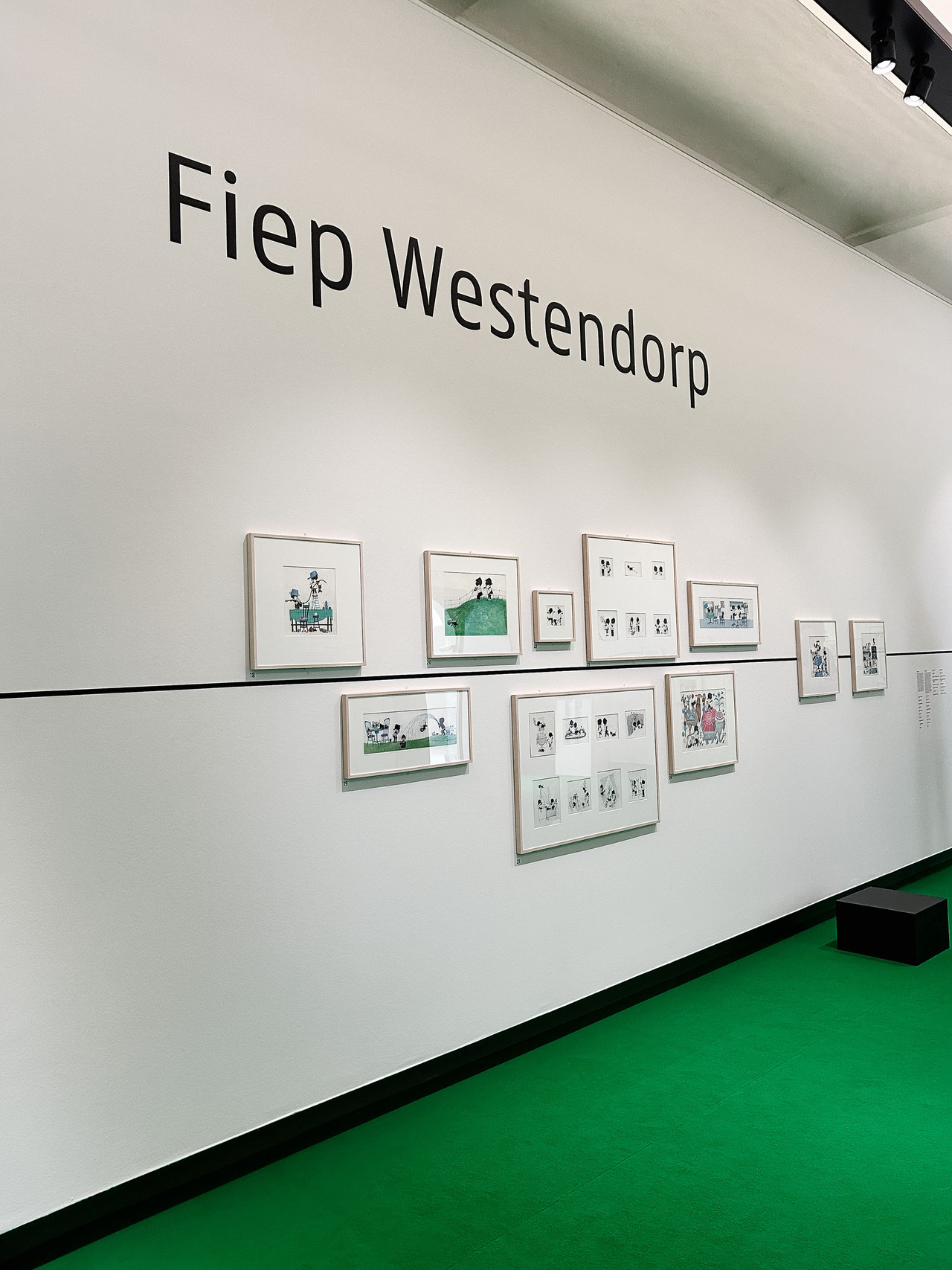
The exhibition opens to the public on 19 June 2026 and runs until 13 September at the Rijksmuseum in Amsterdam. Bringing together around 150 original drawings, it offers a rare opportunity to see the work of one of the Netherlands' most beloved illustrators up close, from early sketches and annotations to the finished illustrations that introduced generations of readers to characters such as Jip and Janneke, Pim and Pom, Otje, and Pluk van de Petteflet. Beyond celebrating familiar characters, the exhibition also reveals how Fiep Westendorp developed her distinctive visual language and creative process over several decades.
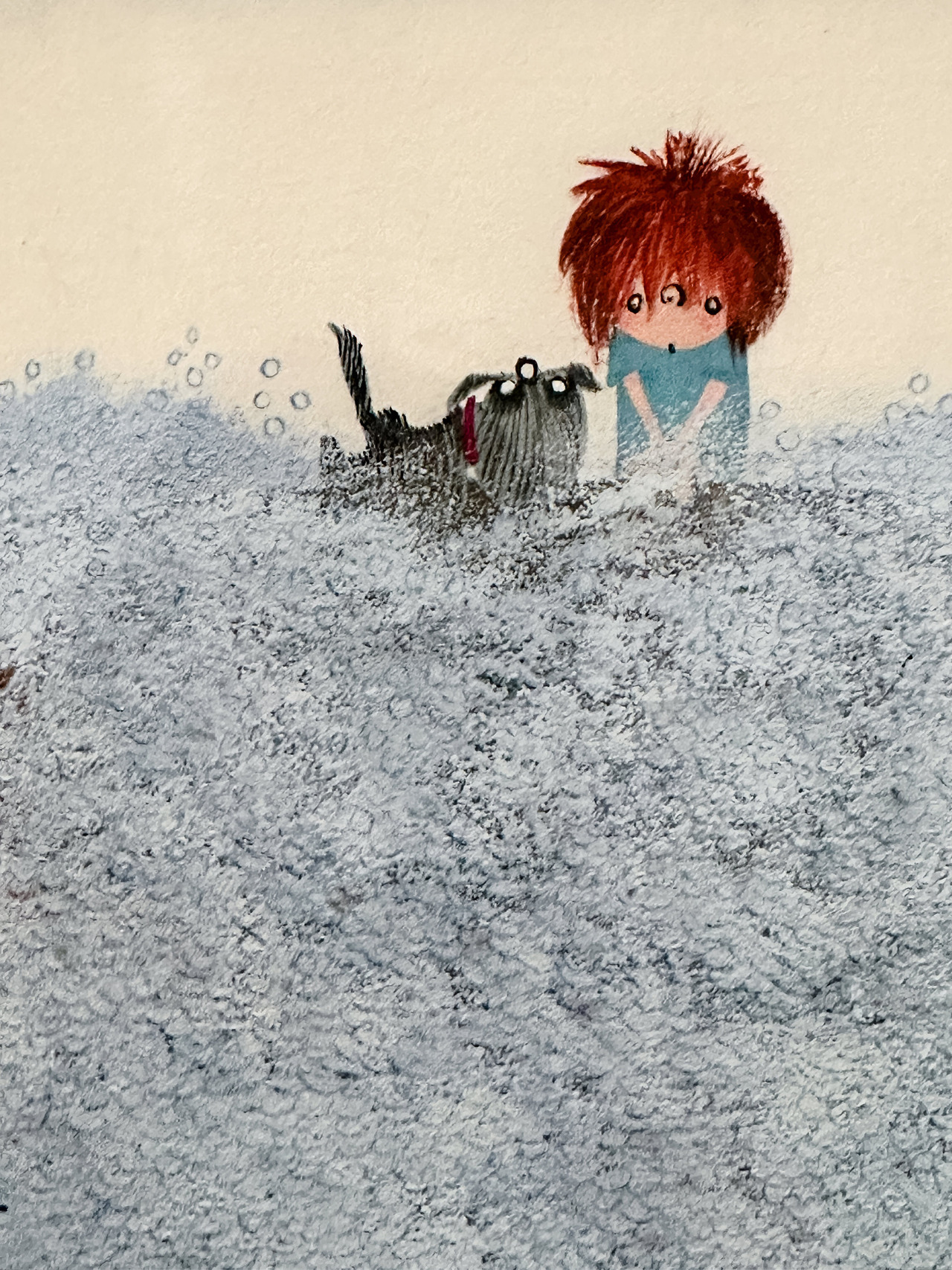
One drawing stayed with me more than the others. Winter (1978) shows two children walking through a landscape surrounded by birds. The trees are reduced to simple lines and the colour palette is remarkably simple. We do not even see the children’s faces, a recurring element in the artist's work, yet the scene feels alive.
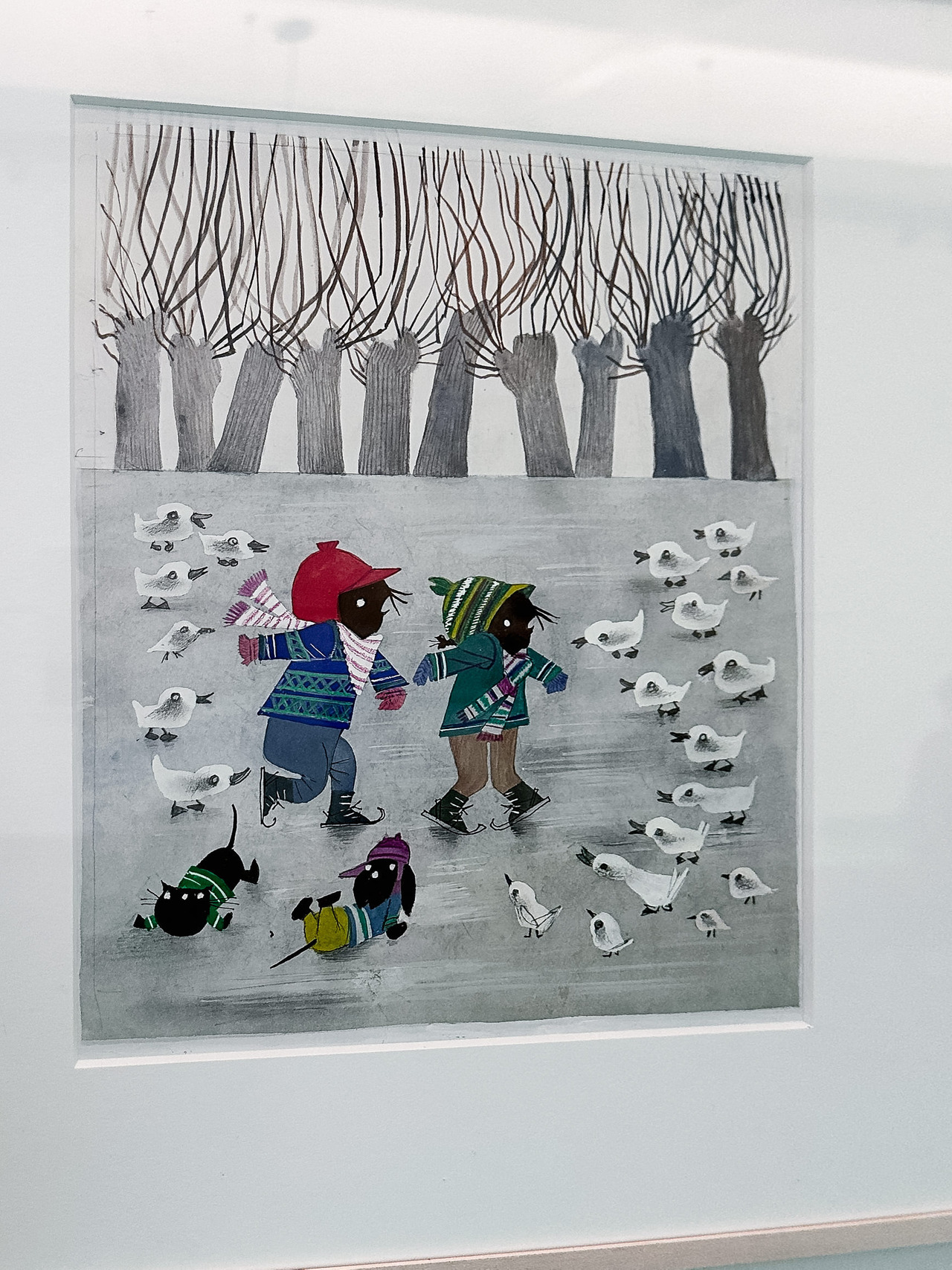
You can almost feel the cold air and imagine the sound of the birds moving around them. The children are not posing for the viewer. In fact, they are simply existing within the scene. The illustration feels complete.
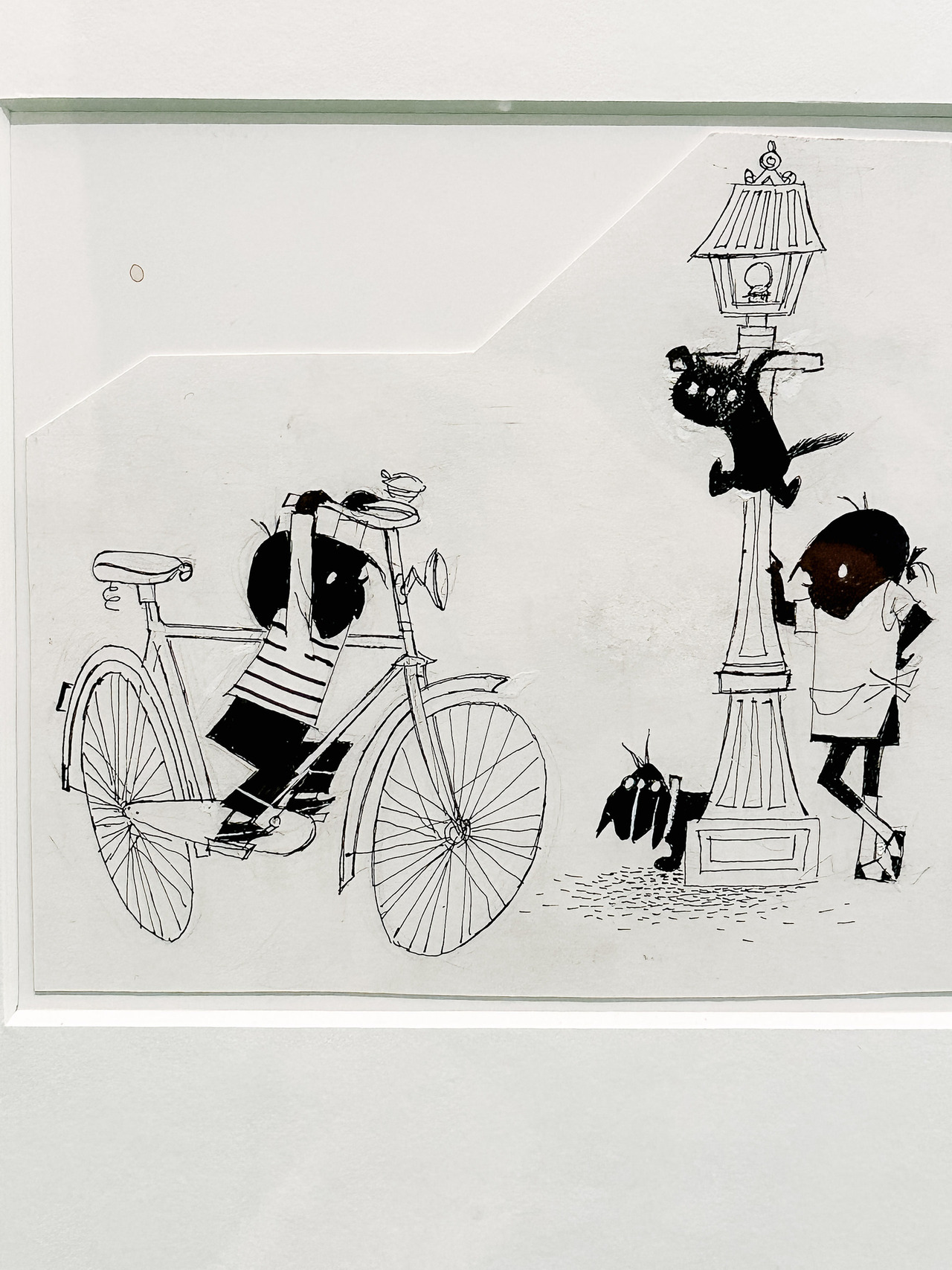
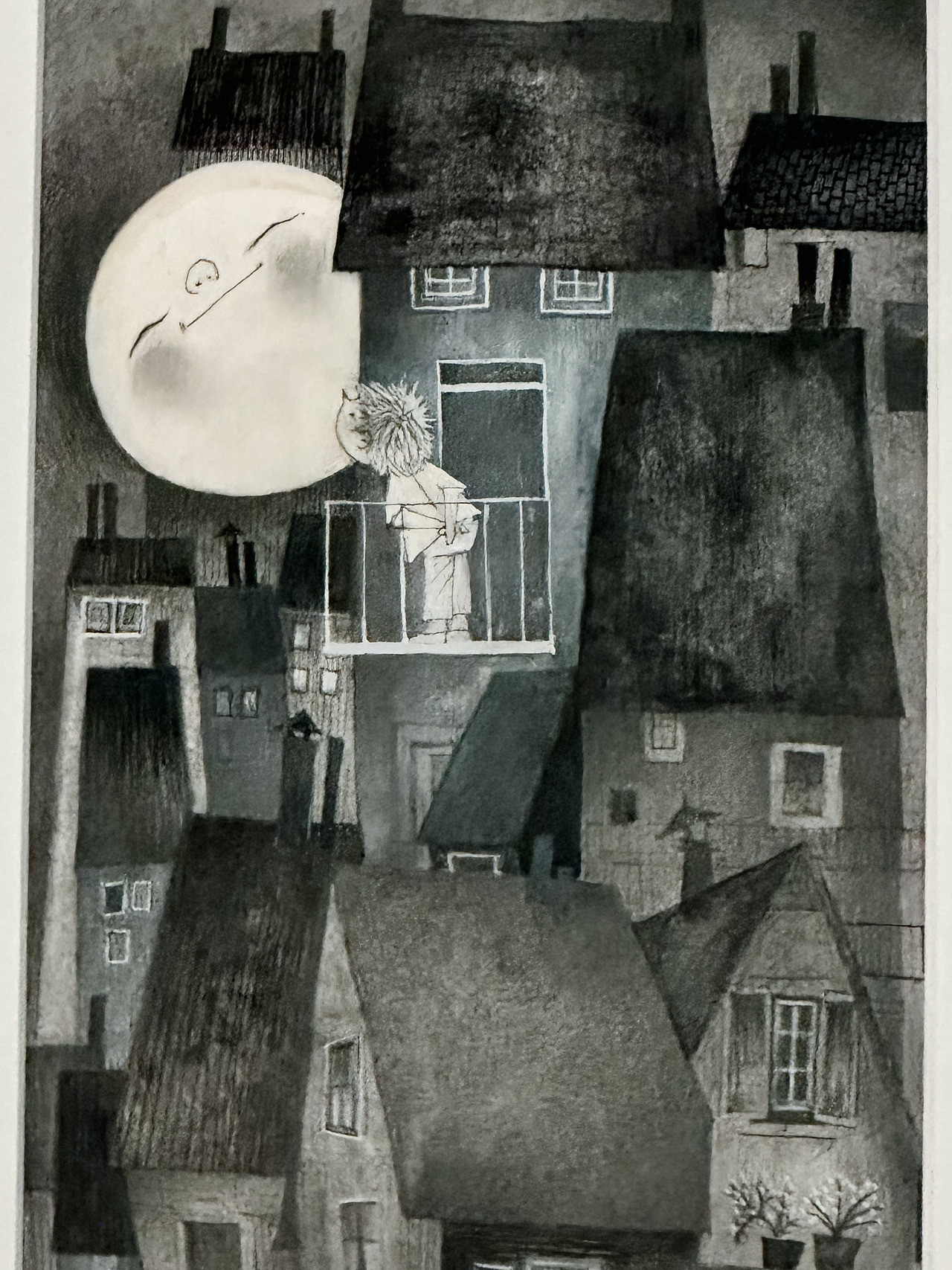
As I continued through the exhibition, I realized that this feeling appeared again and again. A child looking at the moon from a rooftop, a small bird flying through a vast sky, or two hedgehogs telling a story through a handful of simple drawings. The details in all those illustrations were often minimal, but the emotions were clear.
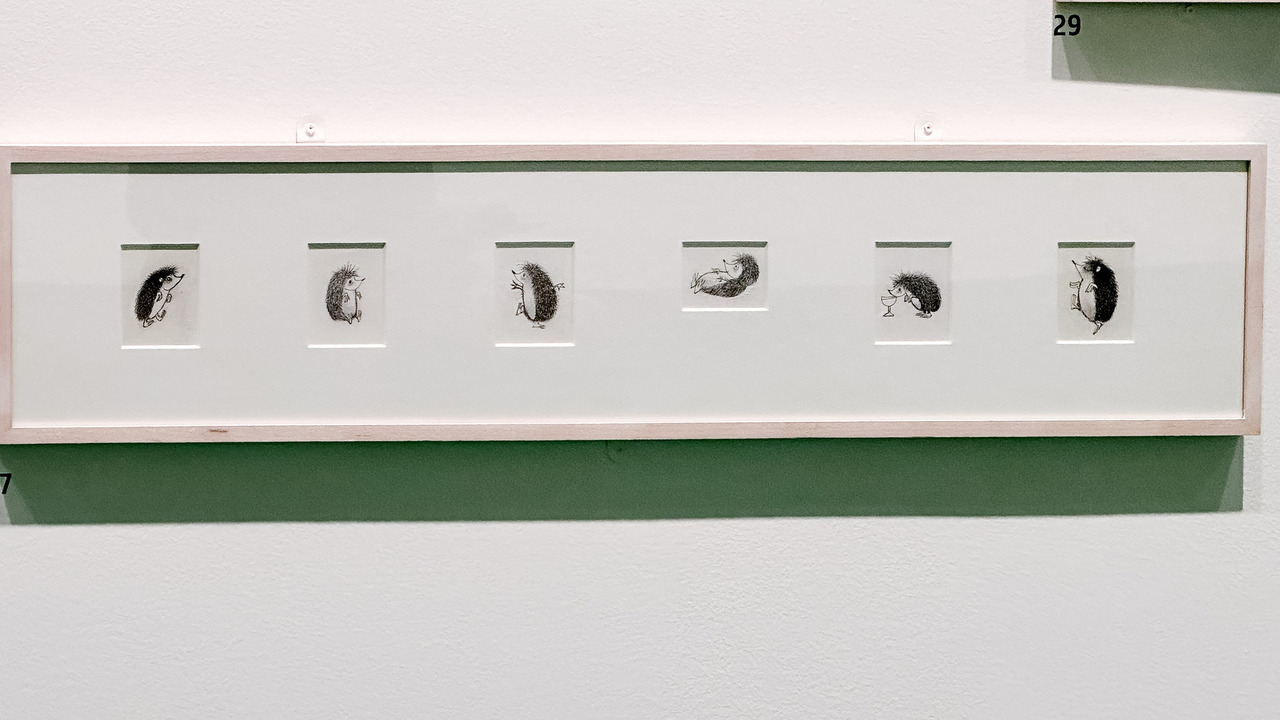
What impressed me most was not the technical skill of the drawings, although there was plenty of that. It was the ability to communicate a feeling with so little information. The backgrounds were not there to fill empty space; they gave context to the story. The characters were not placed in front of the setting; they belonged inside it. Together they created something larger than either could achieve on their own.
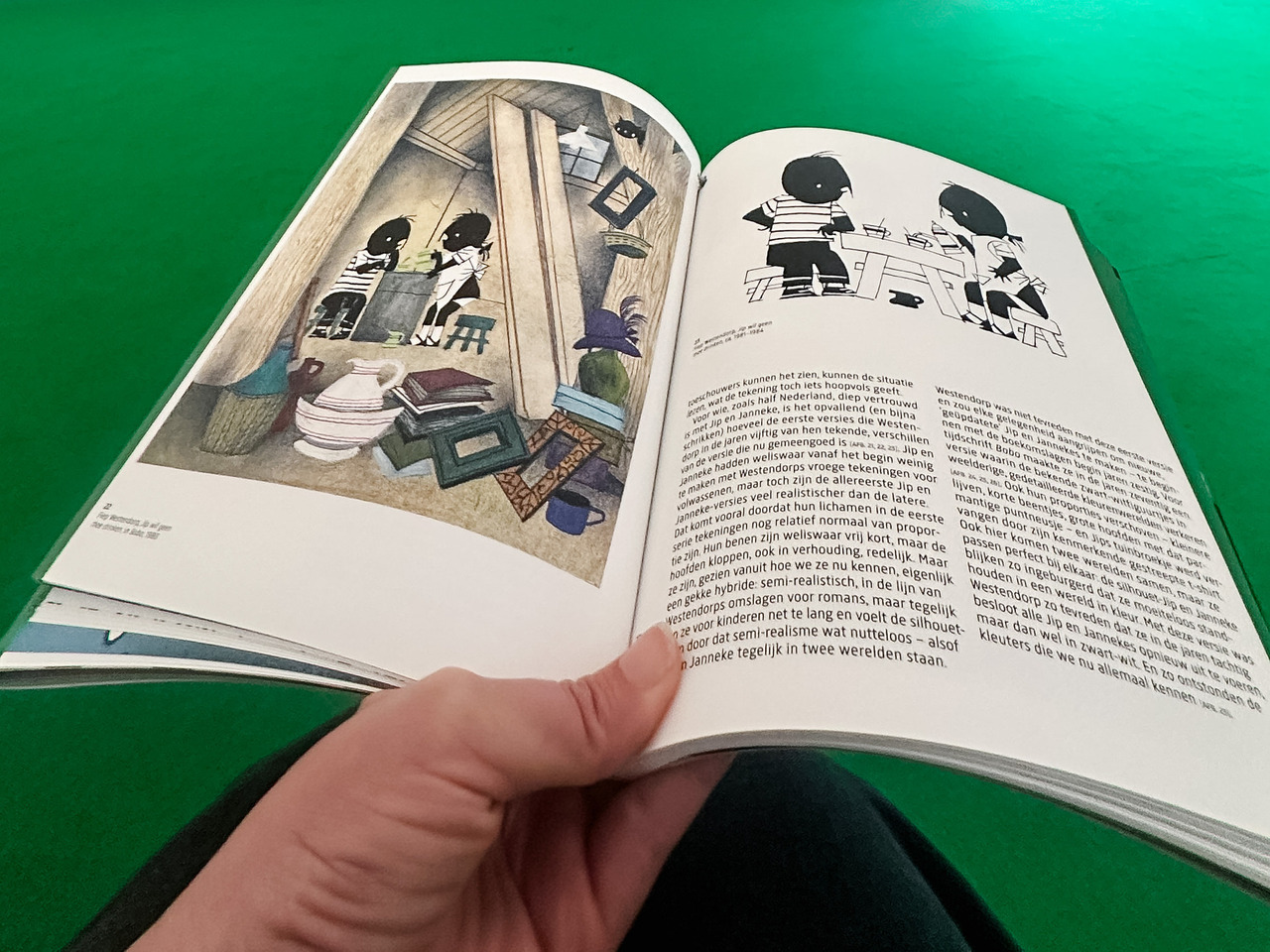
That idea felt familiar to me somehow. When I photograph families and couples in Amsterdam, I rarely ask them to simply stand in front of a beautiful location and smile at the camera. Instead, I try to give them something to do, like walking together along a canal, looking for details around them, or exploring a street with specific details to find. The goal is not the action itself, but creating space for genuine interaction.
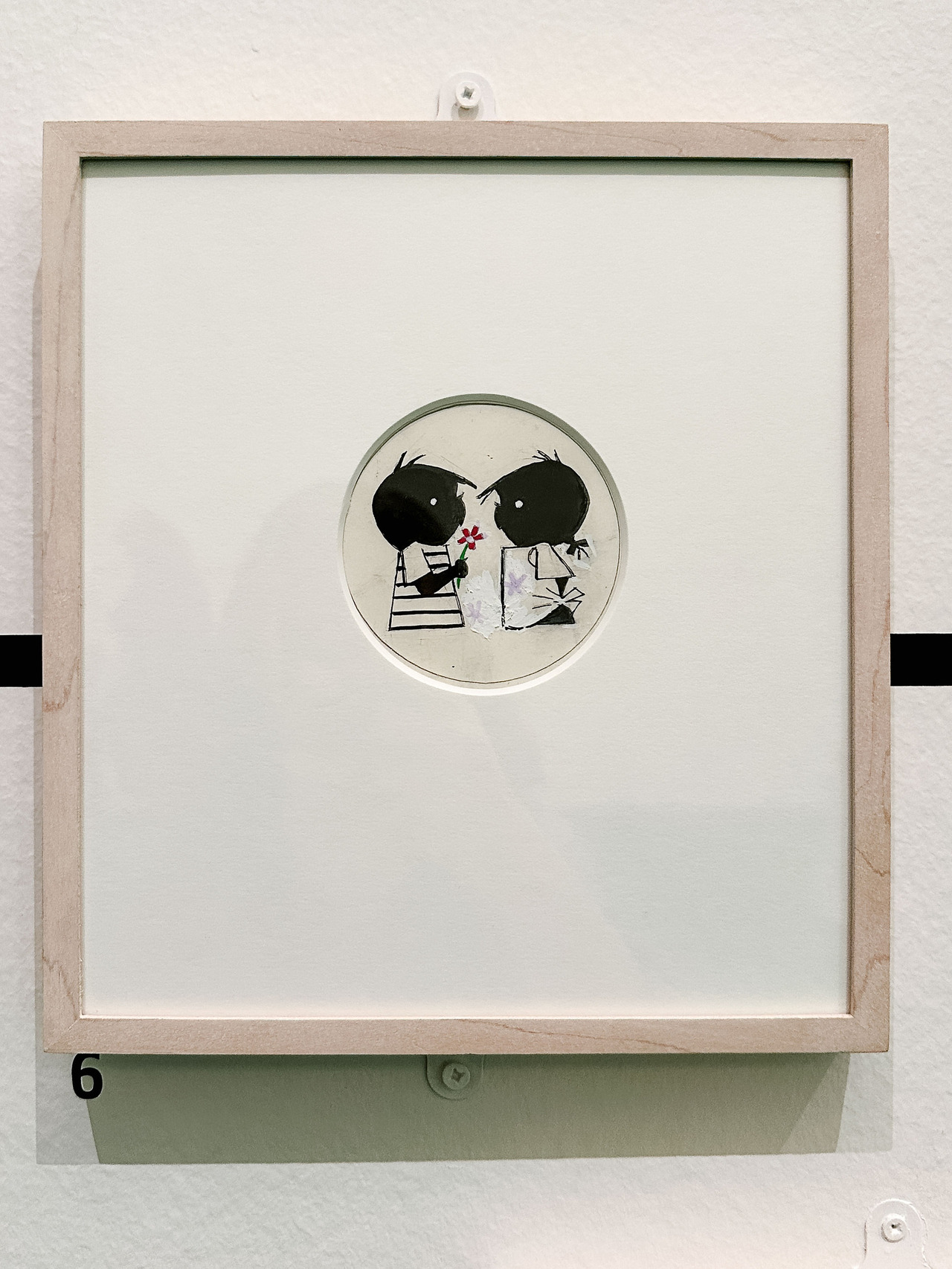
A beautiful background can show where a photograph was taken. It can tell us that we are in Amsterdam, standing beside a canal, crossing a historic bridge, or walking through a neighbourhood filled with centuries of history, but the emotion comes from the people.
The strongest photographs happen when people stop thinking about the camera and start engaging with each other and with the place around them. That is when a photograph becomes more than a record of a visit and transforms into a memory.
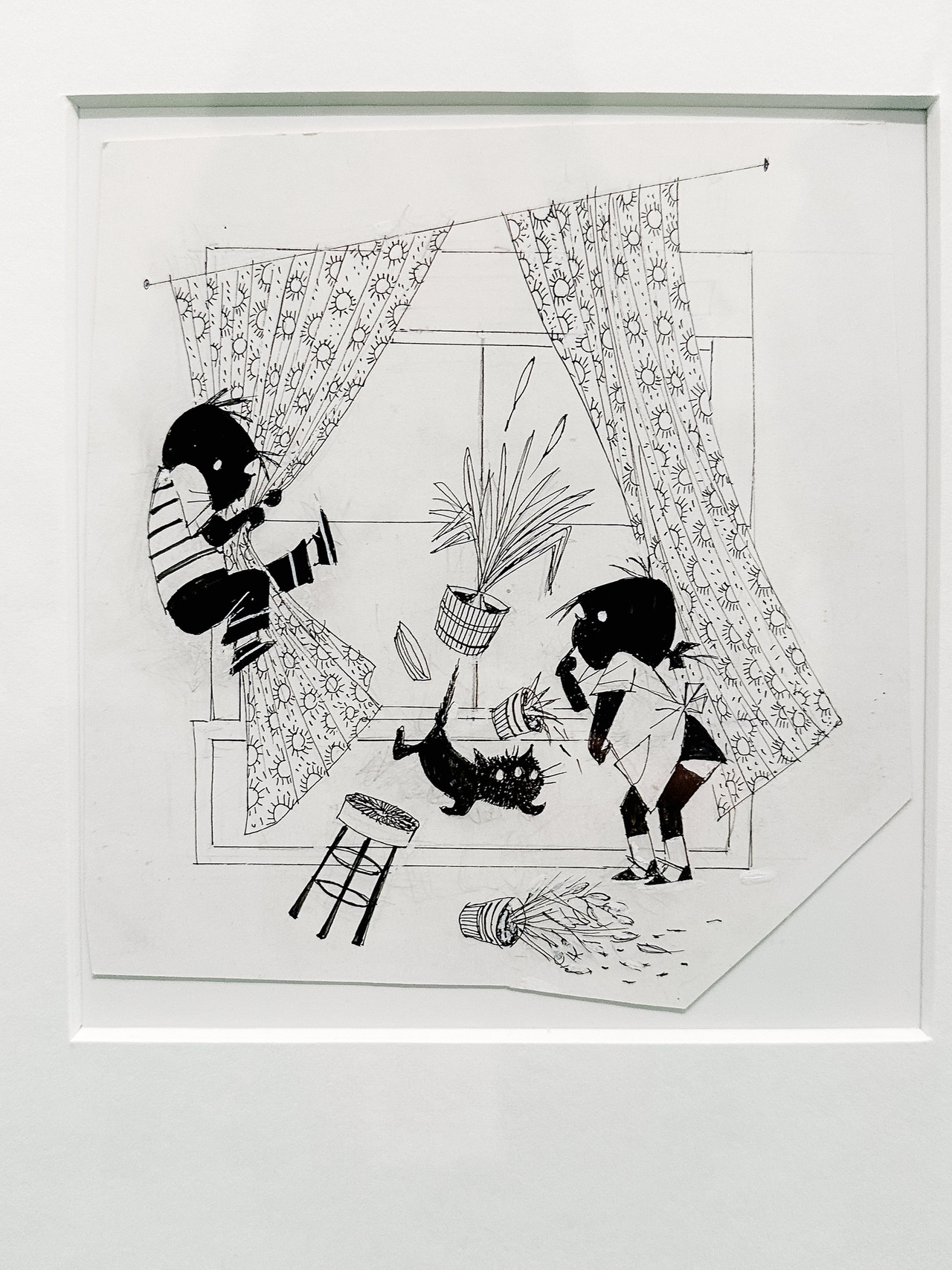
Looking at Fiep Westendorp’s illustrations, I realized she was doing something similar. The rooftops, the winter landscapes, the open skies, and the empty spaces all helped create the story. Yet the illustrations never felt like drawings of places. They felt like drawings of moments happening within those places.
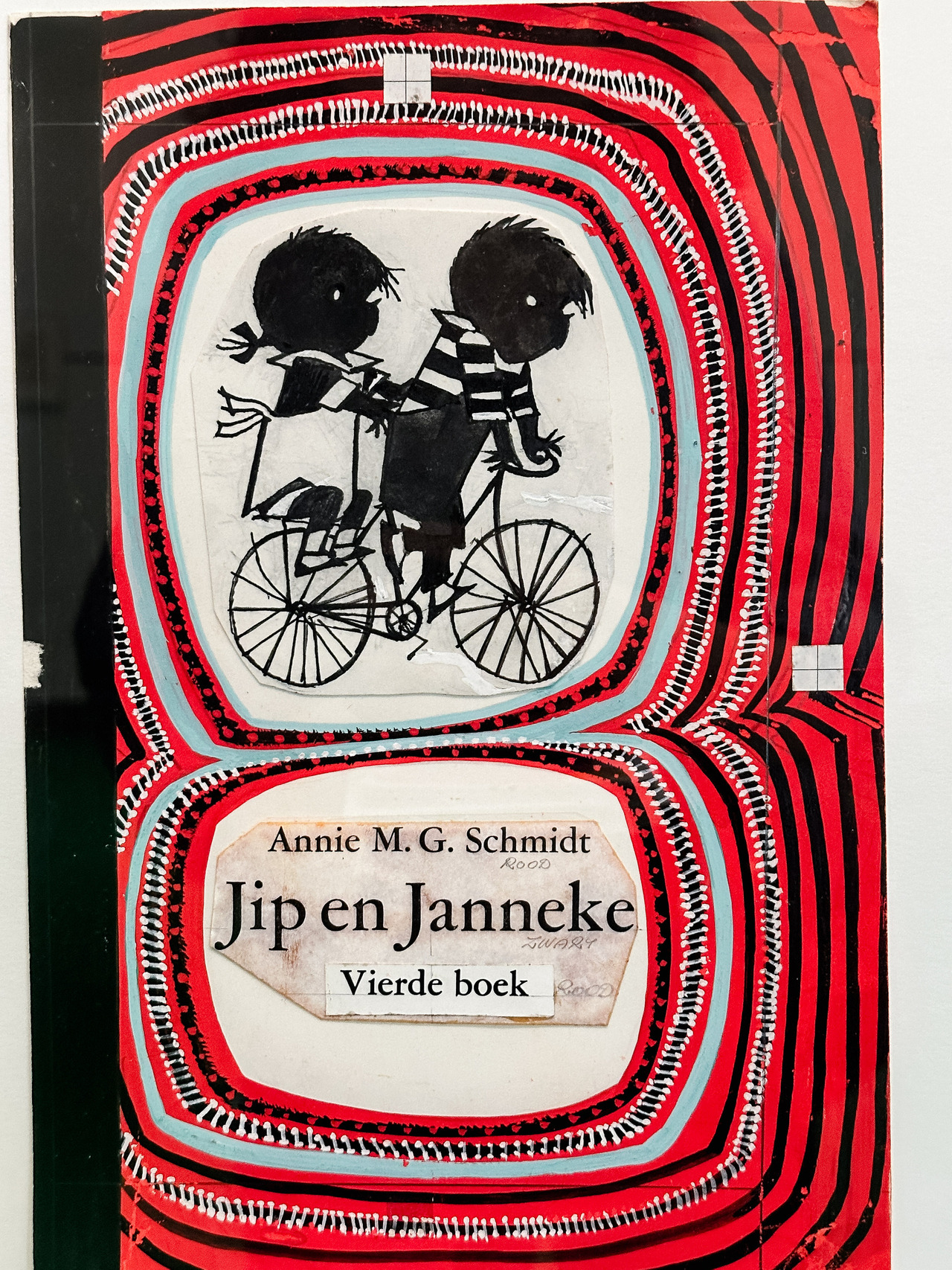
The story was not found in the characters alone, nor in the background alone. It existed in the relationship between the two.
Before visiting the exhibition, I knew very little about Fiep Westendorp herself. Like many people living in the Netherlands, I recognized some of her characters without realizing who had created them.
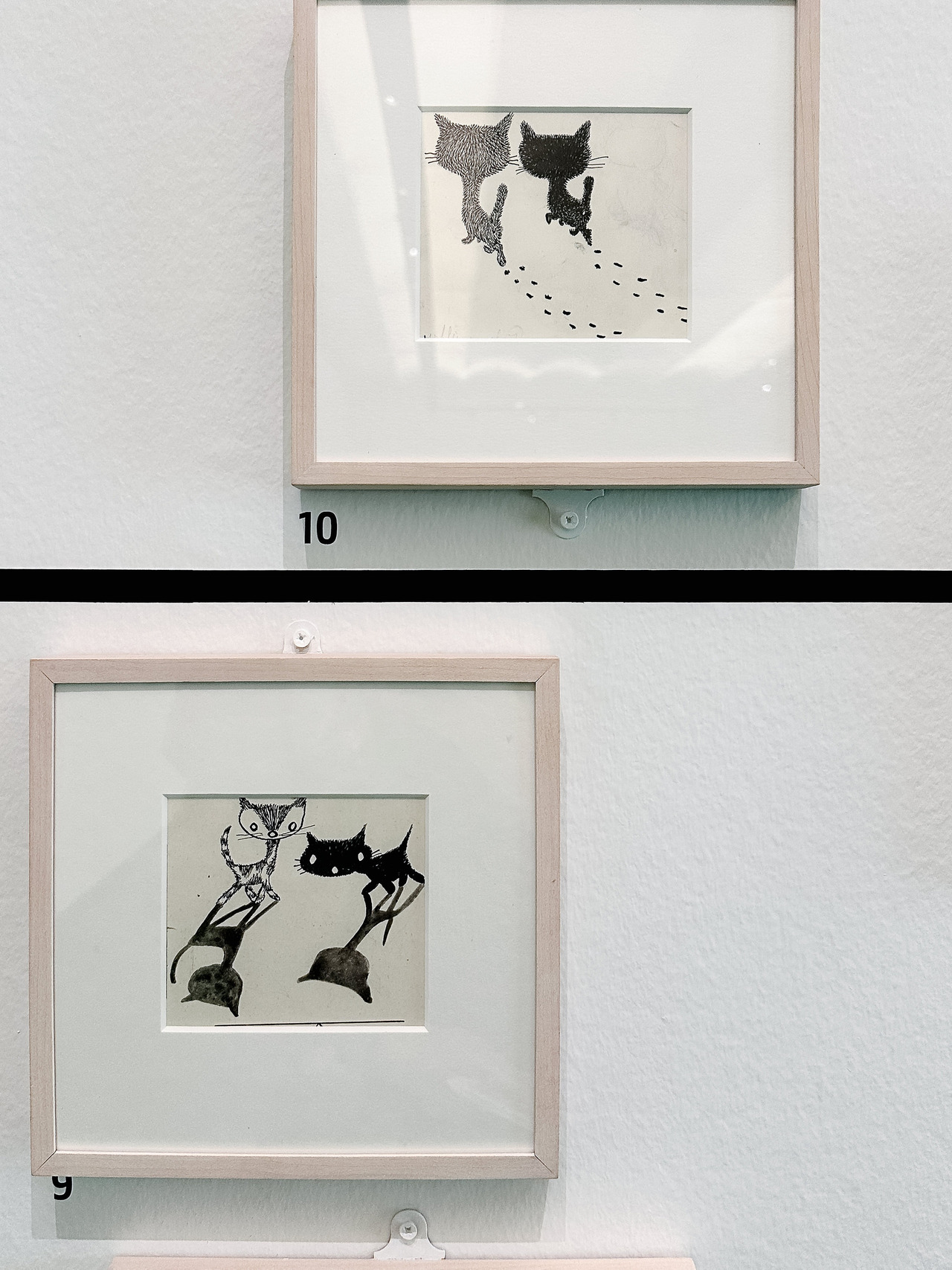
Pim and Pom looked familiar from books, toys, and shop windows. Jip and Janneke are part of Dutch culture, even for those of us who did not grow up here. Yet it was only while walking through the exhibition that I began to appreciate the artist behind the characters.
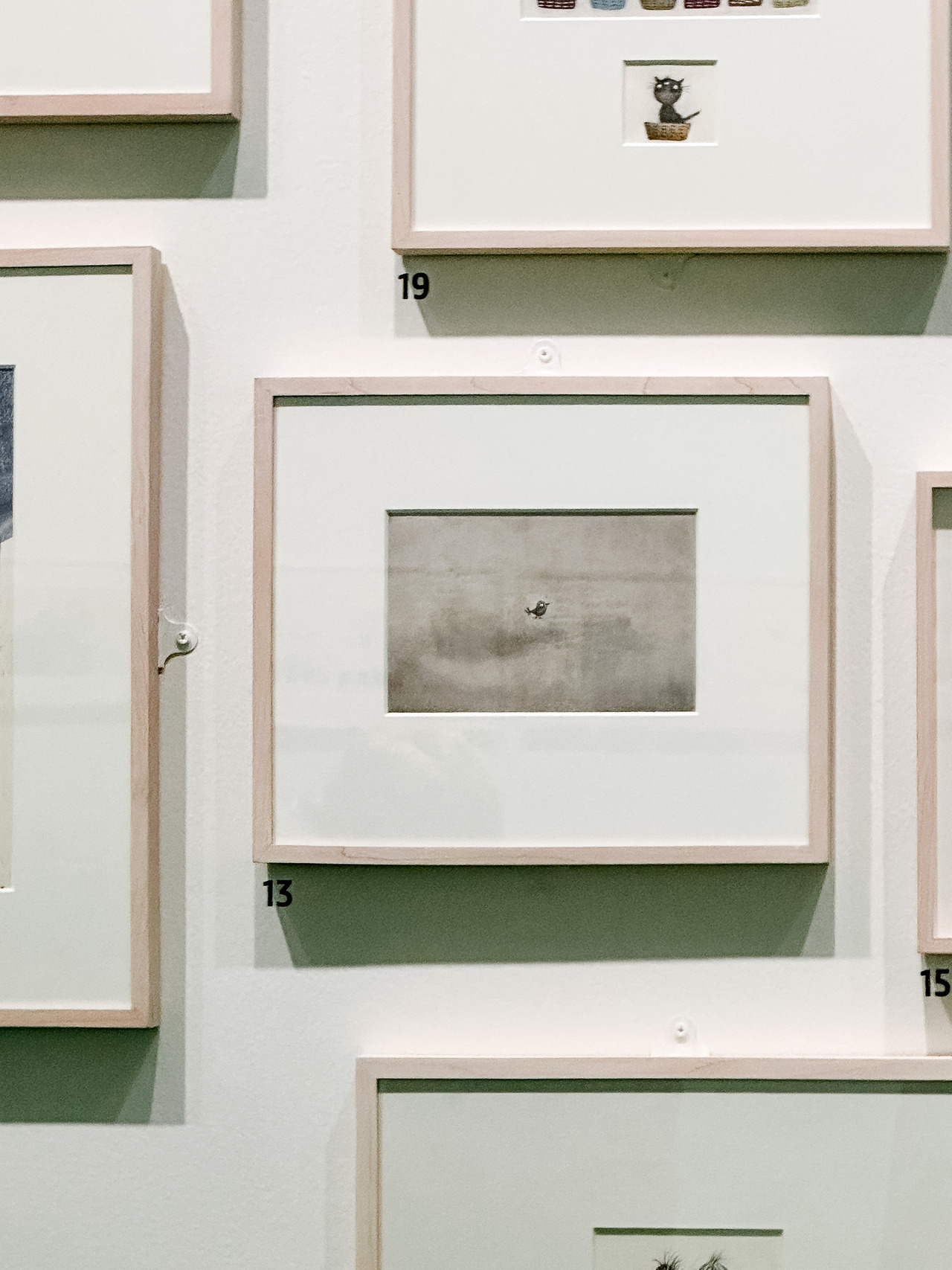
What surprised me most was how much emotion could be communicated with so little detail.
Many of the characters were drawn with only a handful of lines. Some faces contained almost no features at all. Yet I never found myself wondering what they were feeling. The emotions were already there. The illustrations trusted the viewer to fill in the gaps.
Perhaps that is what stayed with me most. Fiep Westendorp did not explain everything. She gave the viewer just enough information to understand the story and then left room for imagination to do the rest.
As photographers, illustrators, and storytellers, it is easy to focus on technique. We can spend years learning composition, light, colour, perspective, and all the technical elements that make an image work. Yet walking through this exhibition reminded me that people rarely remember a photograph or a drawing because of its technical perfection; they remember how it made them feel.
Looking back at my favourite illustrations from the exhibition, I realized they all shared something in common. The characters were small. The details were often limited. Yet each image contained a complete world. There was a sense of place, a sense of emotion, and a sense that the story continued beyond the edges of the frame. Perhaps that is why these drawings have remained part of Dutch culture for generations. They invite us to participate in the story.
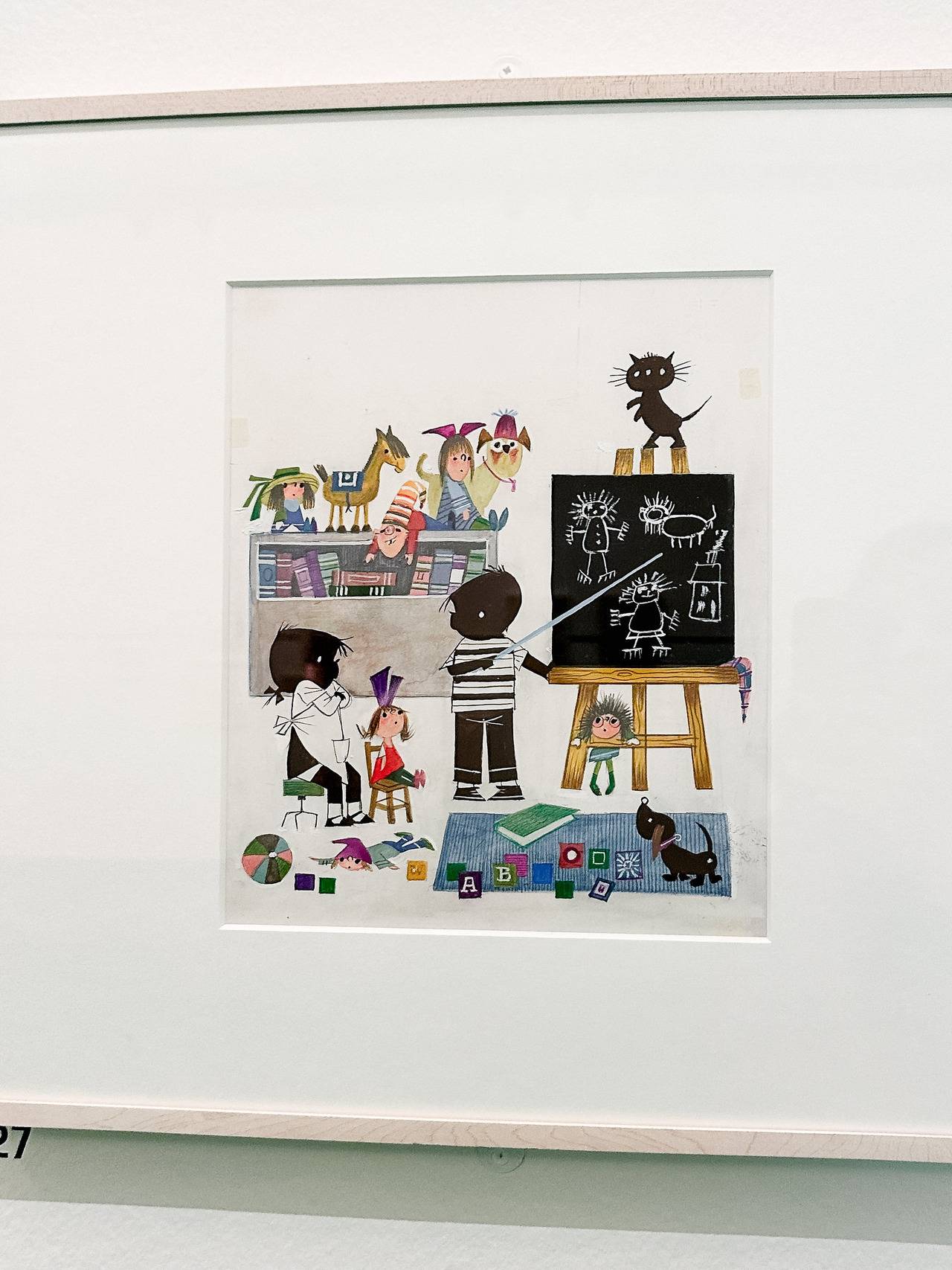
And whether we are looking at an illustration, a photograph, or a memory from a trip, the images that stay with us are often the ones that make us feel something long after we have looked away.
The best stories fit inside a single frame.
Until the next visit to an exhibition in Amsterdam,
Joanna
Capturing your Amsterdam story, one walk at a time
Vacation Photographer in Amsterdam